Free Delivery All Over UK*
close
Top products
SHOW ALL PRODUCTS

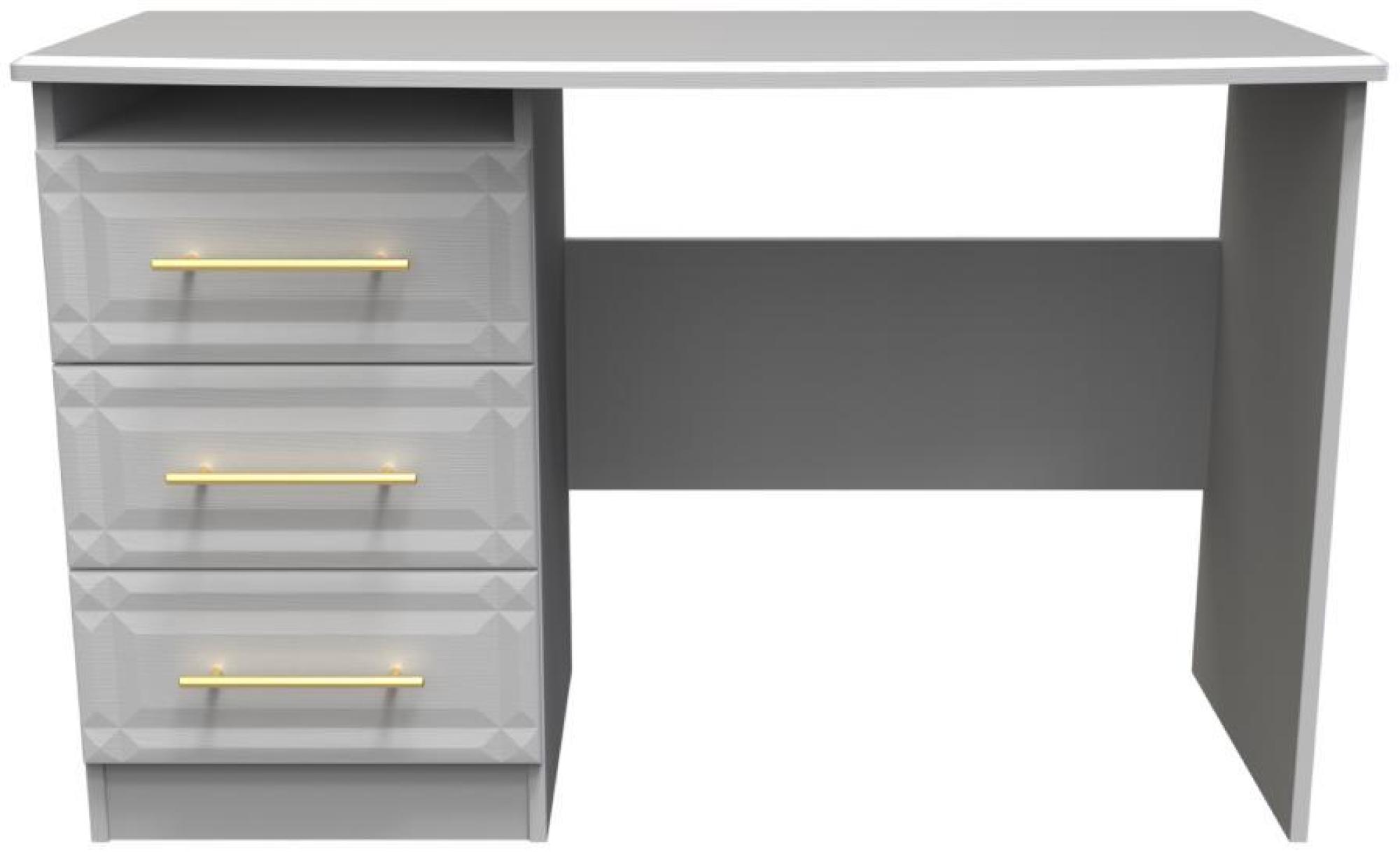
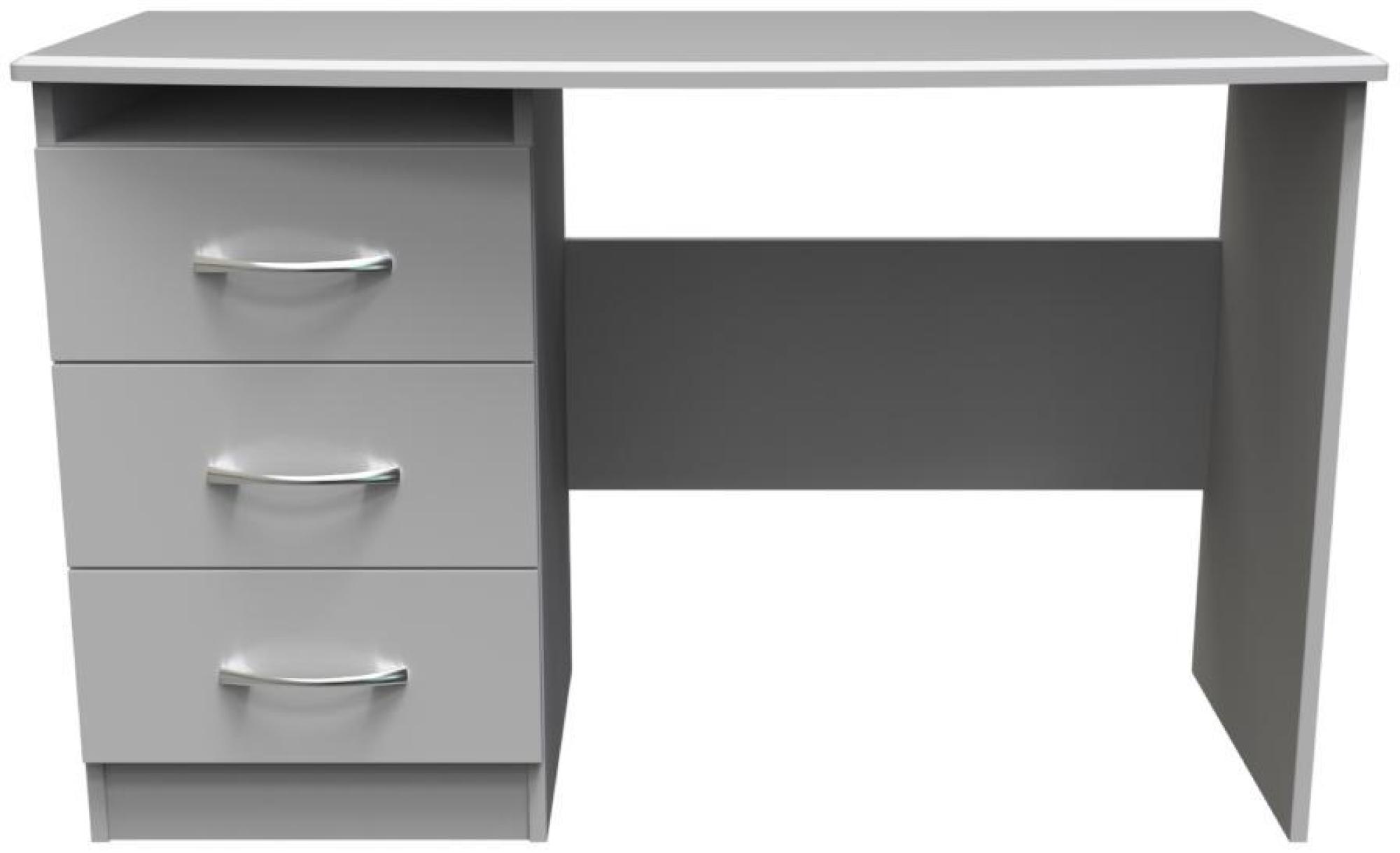
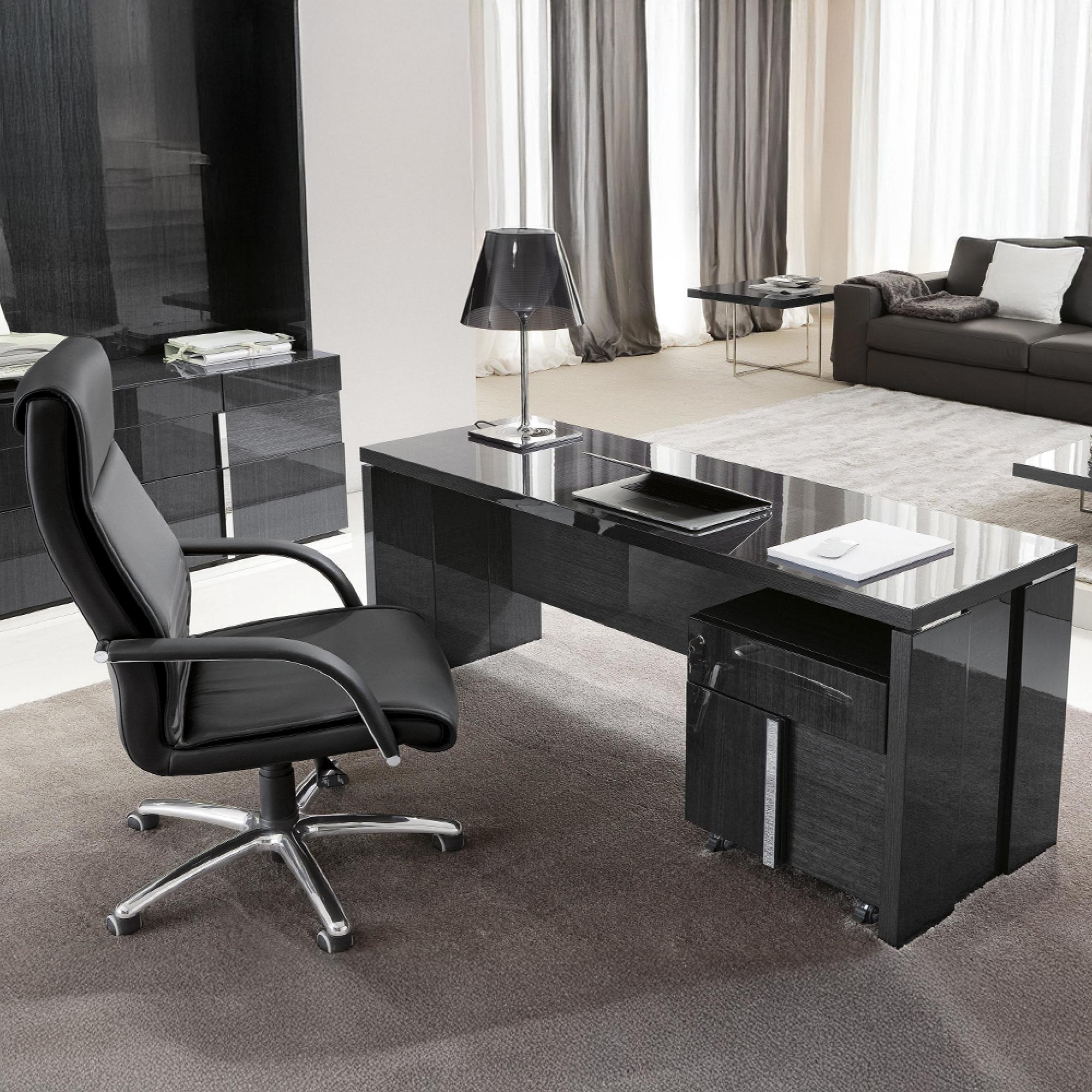
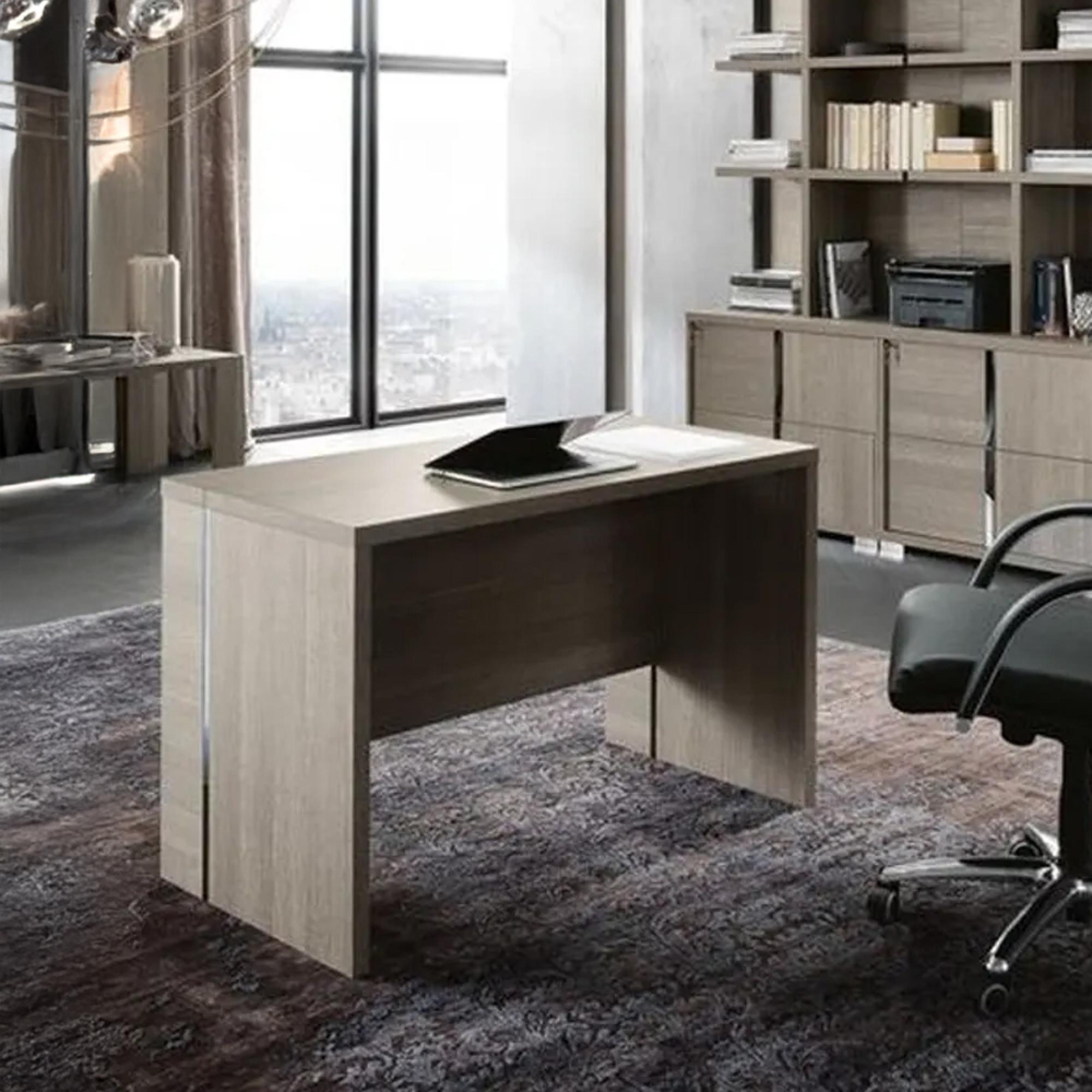
Grey Desks

Found 36 Items

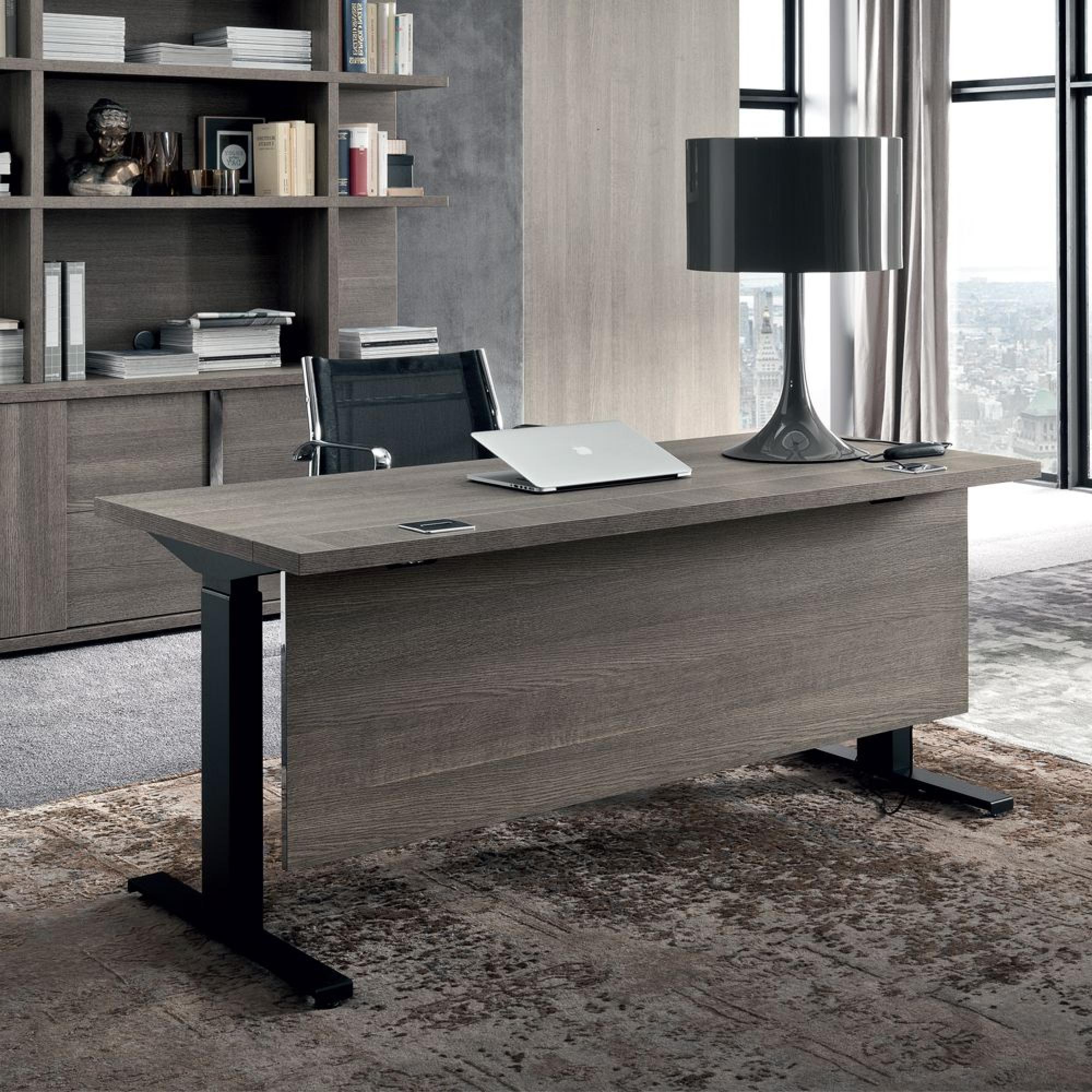
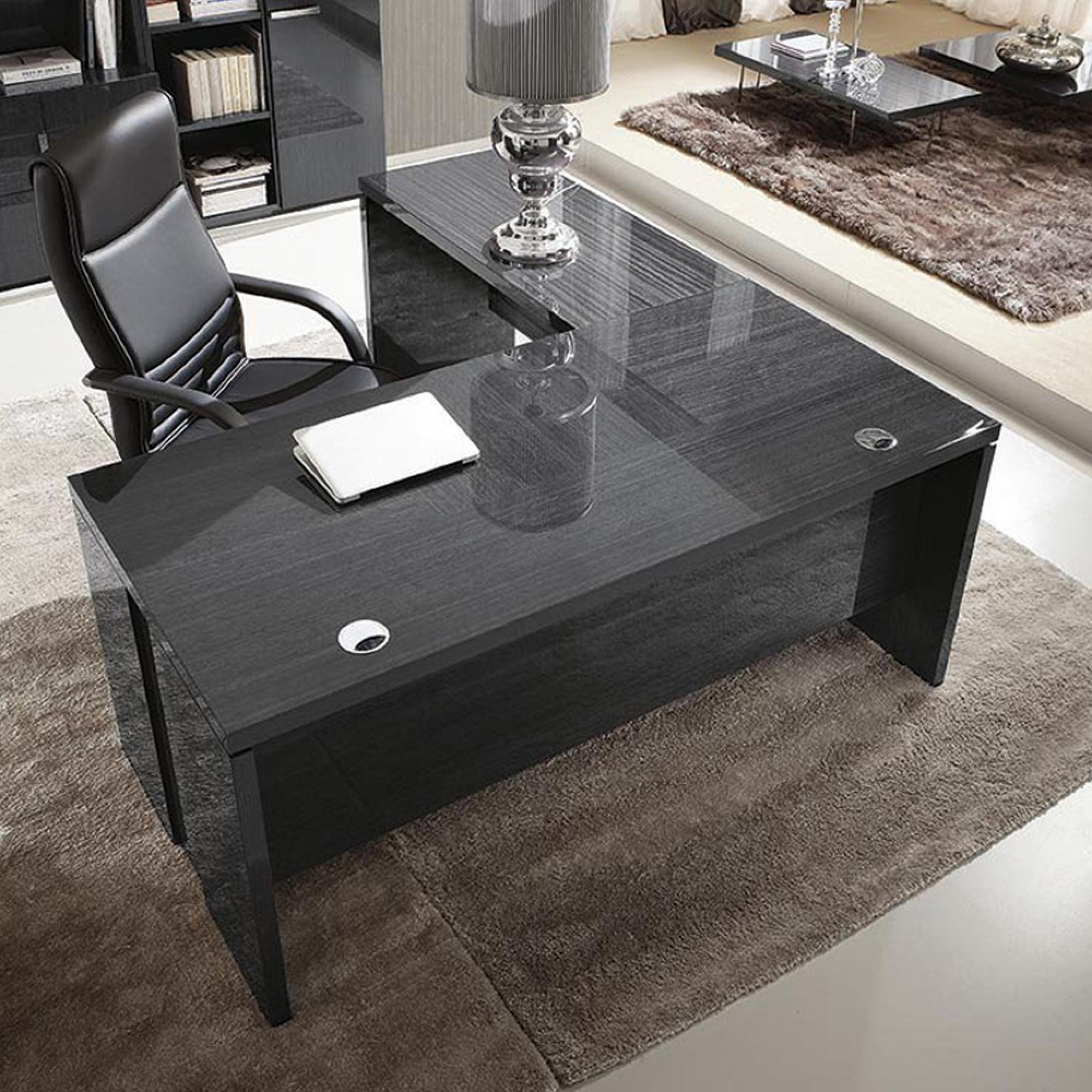
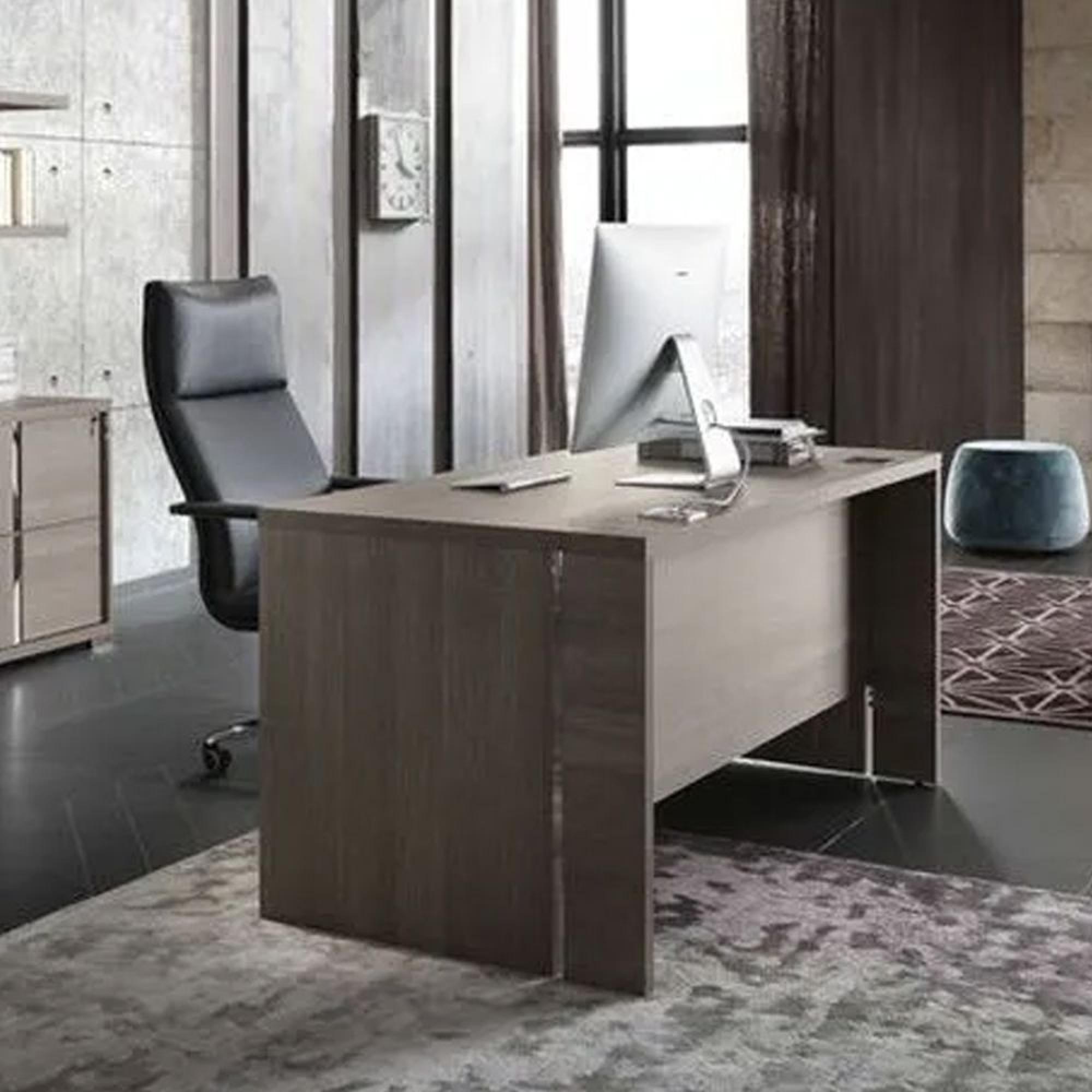
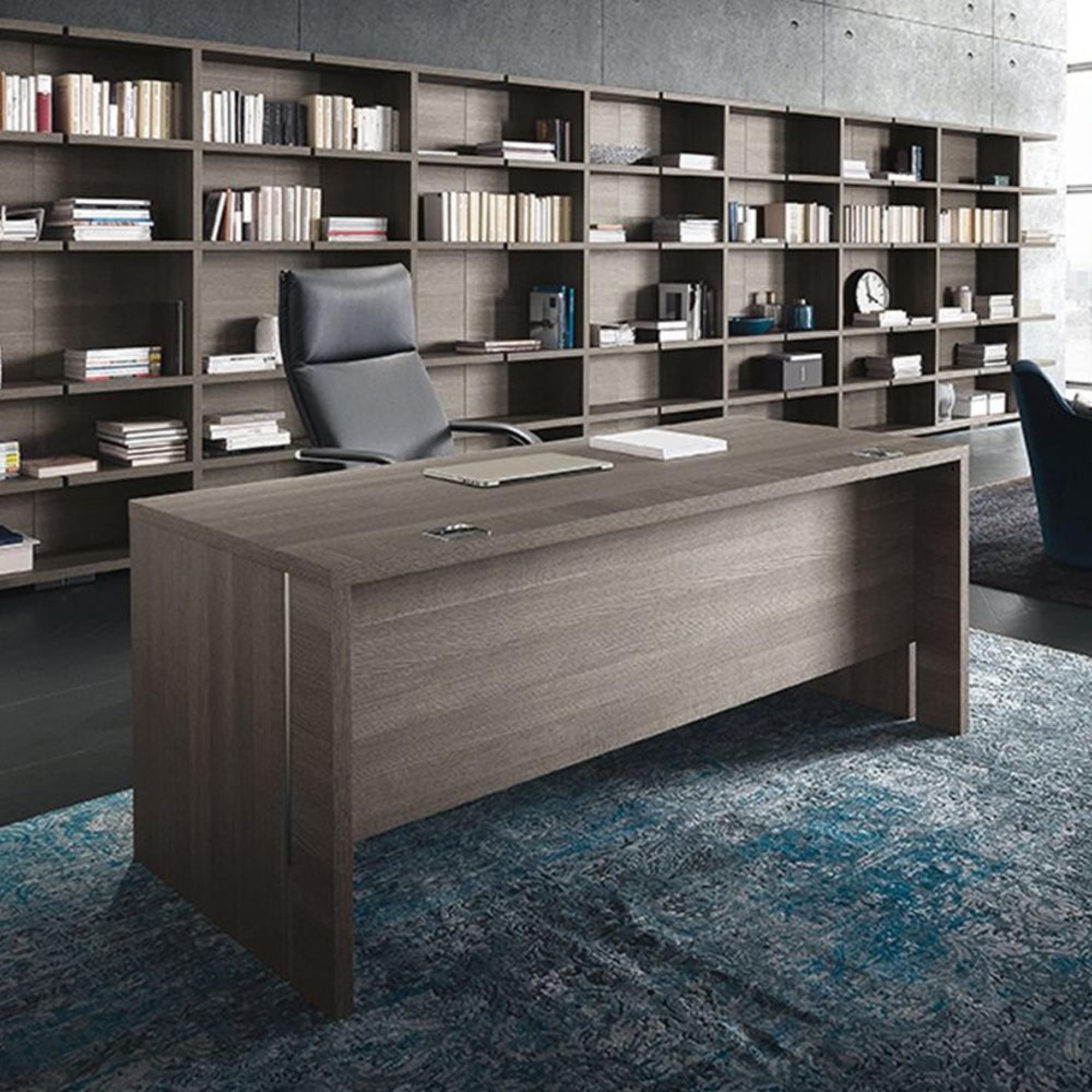
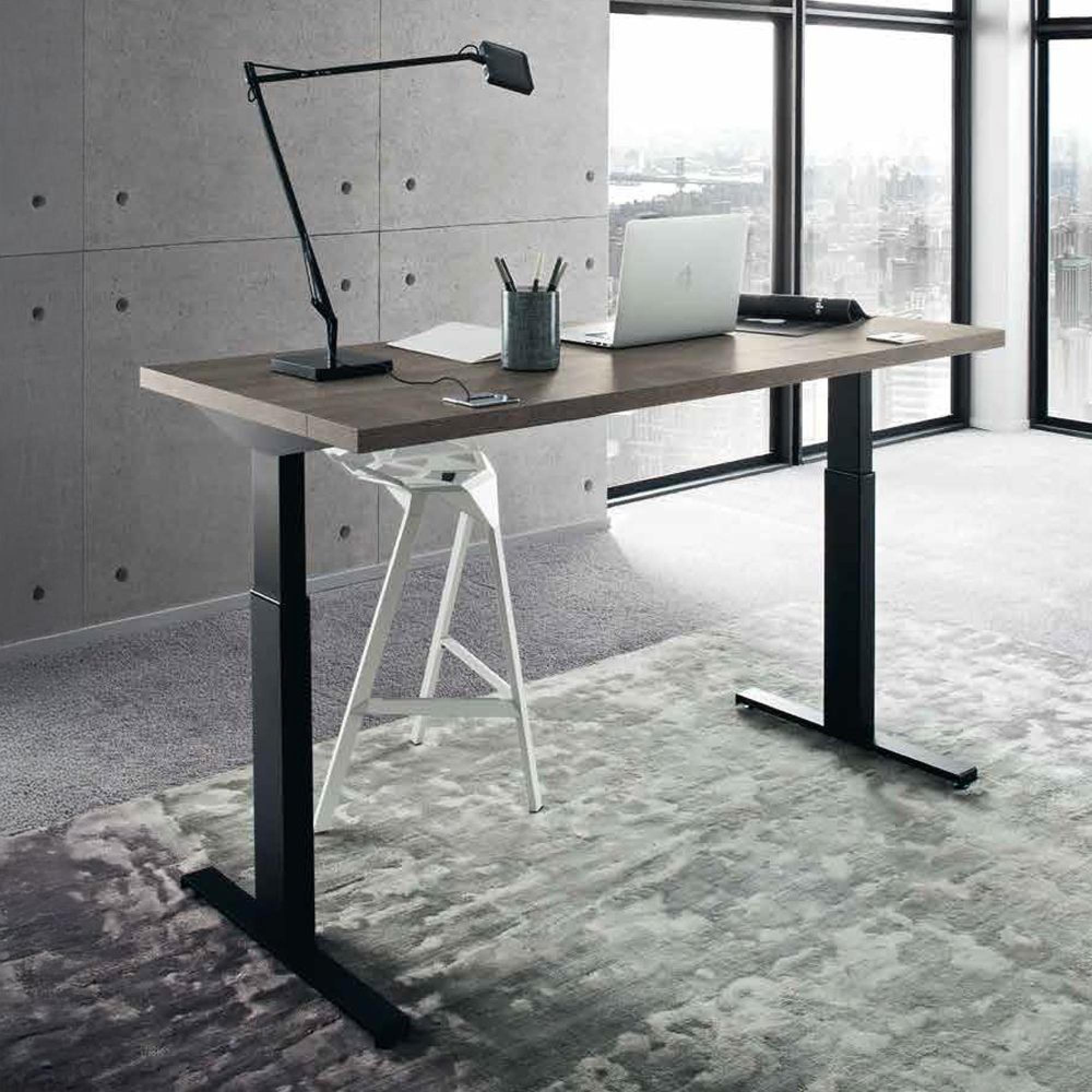
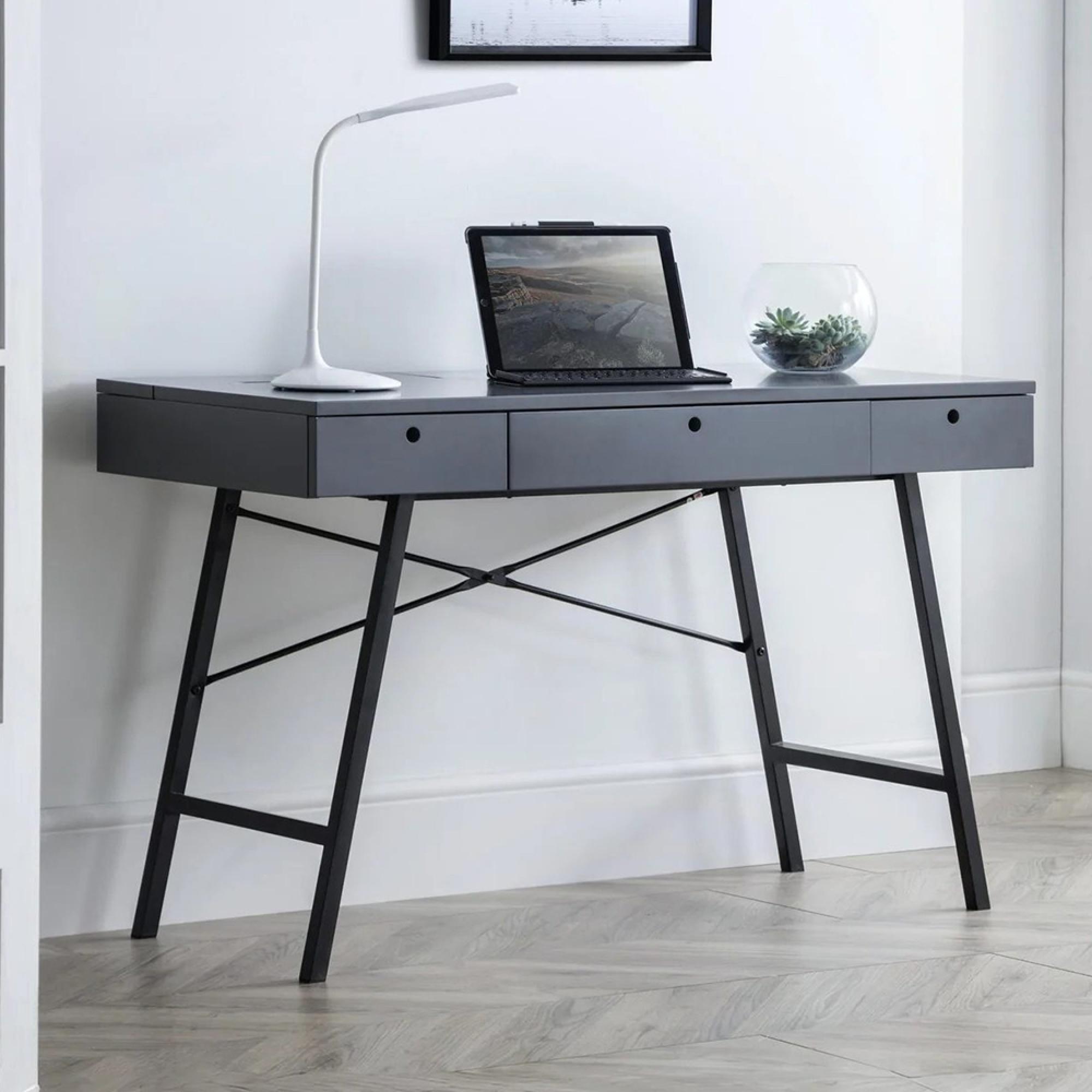
Use the Grey Desks category to compare choices that create an organised surface for focused work, study or creative tasks. Compare desktop area, storage, cable access, leg room, material and room footprint to identify the right balance of appearance and function. Use the grey colour direction alongside the room's flooring, wall colour and existing furniture for a balanced result. Allow comfortable chair movement and place screens at a practical viewing distance.
Read more X Close

Popular Categories

Price

Features

No. of Drawers

Material

Finish

Colour

  • Grey
  • White

Choosing Grey Desks

This category focuses on Grey Desks that can create an organised surface for focused work, study or creative tasks. Start with the room layout and daily use, then compare desktop area, storage, cable access, leg room, material and room footprint. Use the grey colour direction alongside the room's flooring, wall colour and existing furniture for a balanced result. This keeps the decision focused on practical suitability as well as style.

Plan the space before choosing

Allow comfortable chair movement and place screens at a practical viewing distance. Record the available width, depth and height, including clearance for doors, drawers, reclining parts or extensions where relevant. Account for skirting boards, radiators, sockets and walking routes, then check the access route through doors, halls and stairs.

For adjacent choices, explore Desks, Oak Desks and Pine Desks. Use these comparisons alongside the specifications on each product page.

Grey Desks for considered interiors

The Grey Desks category focuses on choices intended to create an organised surface for focused work, study or creative tasks. A suitable option should respond to the room's proportions, surrounding furniture and practical demands of everyday use. Use the grey colour direction alongside the room's flooring, wall colour and existing furniture for a balanced result.

Material, finish and construction

When comparing desks, look closely at desktop area, storage, cable access, leg room, material and room footprint. Materials influence appearance, weight and maintenance, while finish affects colour coordination and day-to-day care. Use the written specification to confirm construction and care requirements.

Function and room planning

Allow comfortable chair movement and place screens at a practical viewing distance. Mark out the footprint and consider how people move around it. Where a product opens, extends, swivels or reclines, include that working clearance. For storage, seating or sleeping products, match the layout, support and capacity to the needs of regular users.

Creating a coordinated result

Build the room around a clear relationship between scale, colour and material. Matching every finish is not essential, but repeating one or two elements can connect separate pieces. You can also compare Desks, Oak Desks and Pine Desks for closely related room and product choices. Use the individual listing to confirm dimensions, included components, assembly and suitability.
Read more X Close

FAQs on Grey Desks

What size grey desk should I buy for a small bedroom?

For small bedrooms, choose a desk between 80–100cm wide and 40–50cm deep. Wall-mounted or corner grey desks maximise space efficiently. Measure your available floor area first and account for chair clearance. Narrow desks work well against windows or alcoves without dominating the room.

Drawers hide clutter and suit minimalist aesthetics; shelving displays items and offers easy access. If you have many documents or cables, choose drawers. For frequent reference to books or files, open shelving works better. Consider your storage needs and how much you want visible in your workspace.

Standard fixed desks are 72–76cm; height-adjustable models range 60–120cm. For standing work, aim for elbow height when arms hang naturally. If alternating between sitting and standing, electric adjustable desks offer flexibility without repositioning your monitor or keyboard constantly.

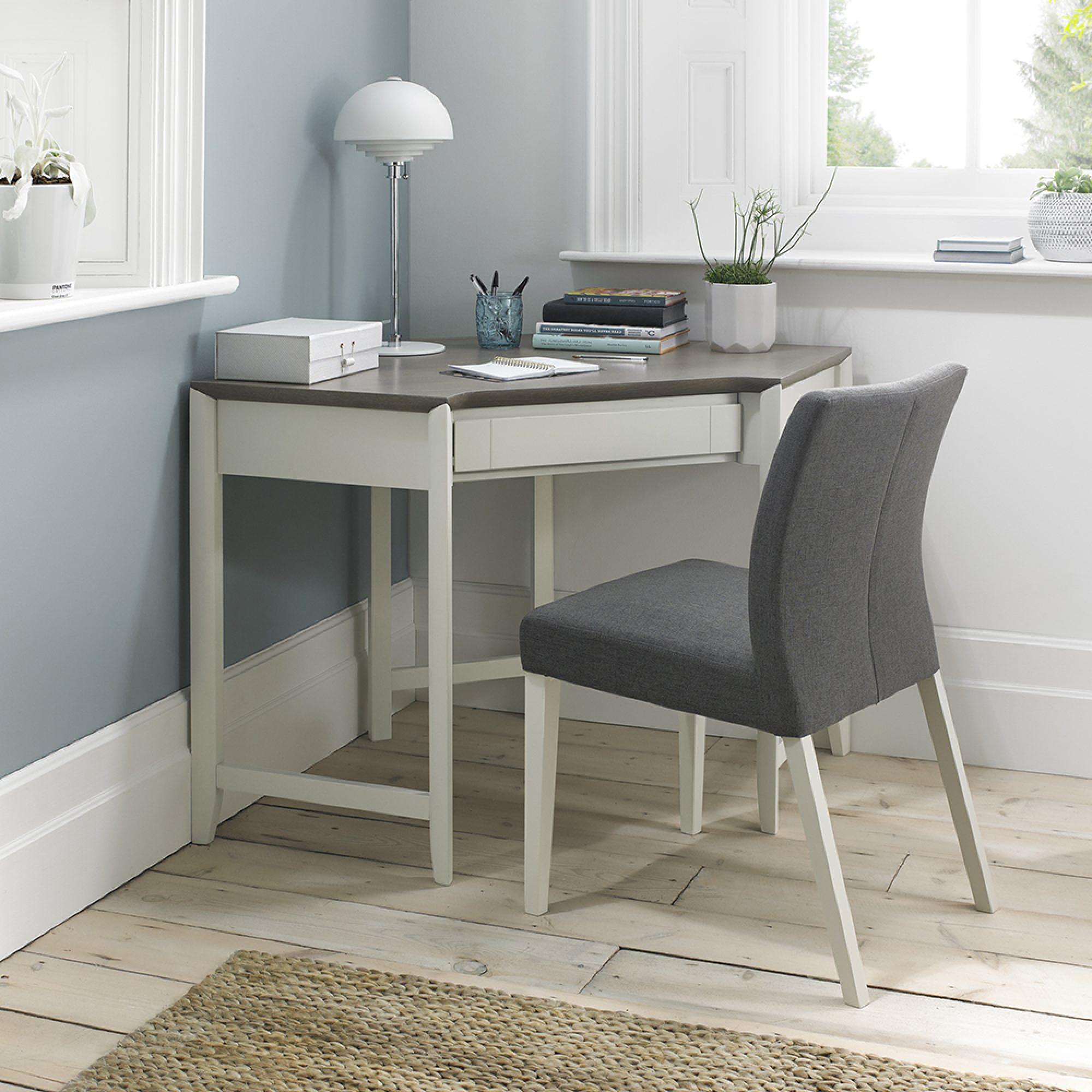
Yes, corner grey desks use awkward spaces efficiently and provide L-shaped work surfaces. Measure both walls carefully, including window sills and radiators. Corner desks suit dual-monitor setups and offer more workspace than linear models of similar footprint. Check depth to ensure your chair can move freely.

Pair grey desks with white or natural wood accessories for clean lines. Use desk organisers in matching greys or metallics to maintain cohesion. Add a single potted plant or desk lamp for subtle interest. Keep surfaces clear and ensure cable management is hidden to preserve a minimalist aesthetic.

Yes, grey desks work well for gaming if theyre at least 120cm wide with sturdy construction. Ensure depth is 60cm or more to accommodate monitors without overhang. Check weight capacity for heavy equipment. L-shaped grey desks are ideal for gaming setups with side storage or additional surfaces for consoles.

A quality grey desk lasts 7–15 years depending on material and usage. Solid wood construction outlasts particleboard. Regular maintenance—wiping dust, tightening screws, and protecting surfaces—extends lifespan. Avoid placing hot items directly on the surface and use desk pads under equipment to prevent damage.

Desks are purpose-built with cable management, drawer units, and ergonomic height; tables lack these features. Desks support sustained work posture; tables suit occasional or casual use. Desks often include cable trays; tables require separate organisation. Choose a desk for daily work; a table for flexible, temporary workspace.

Leave at least 60cm behind the desk for chair movement and at least 30cm on each side for accessibility. If the desk is against a wall, allow 10cm for cables. In an open room, position desks to create natural flow. Cramped layouts reduce productivity and risk back strain from poor posture.

Hutch tops add overhead storage, keeping frequently used items within arms reach and decluttering your main surface. Theyre valuable if you need to organise paperwork, files, or stationery. However, they reduce headroom clearance and can feel cramped in small rooms. Consider your storage needs versus available vertical space.
Top