Free Delivery All Over UK*
close
Top products
SHOW ALL PRODUCTS

Armchairs

Found 314 Items

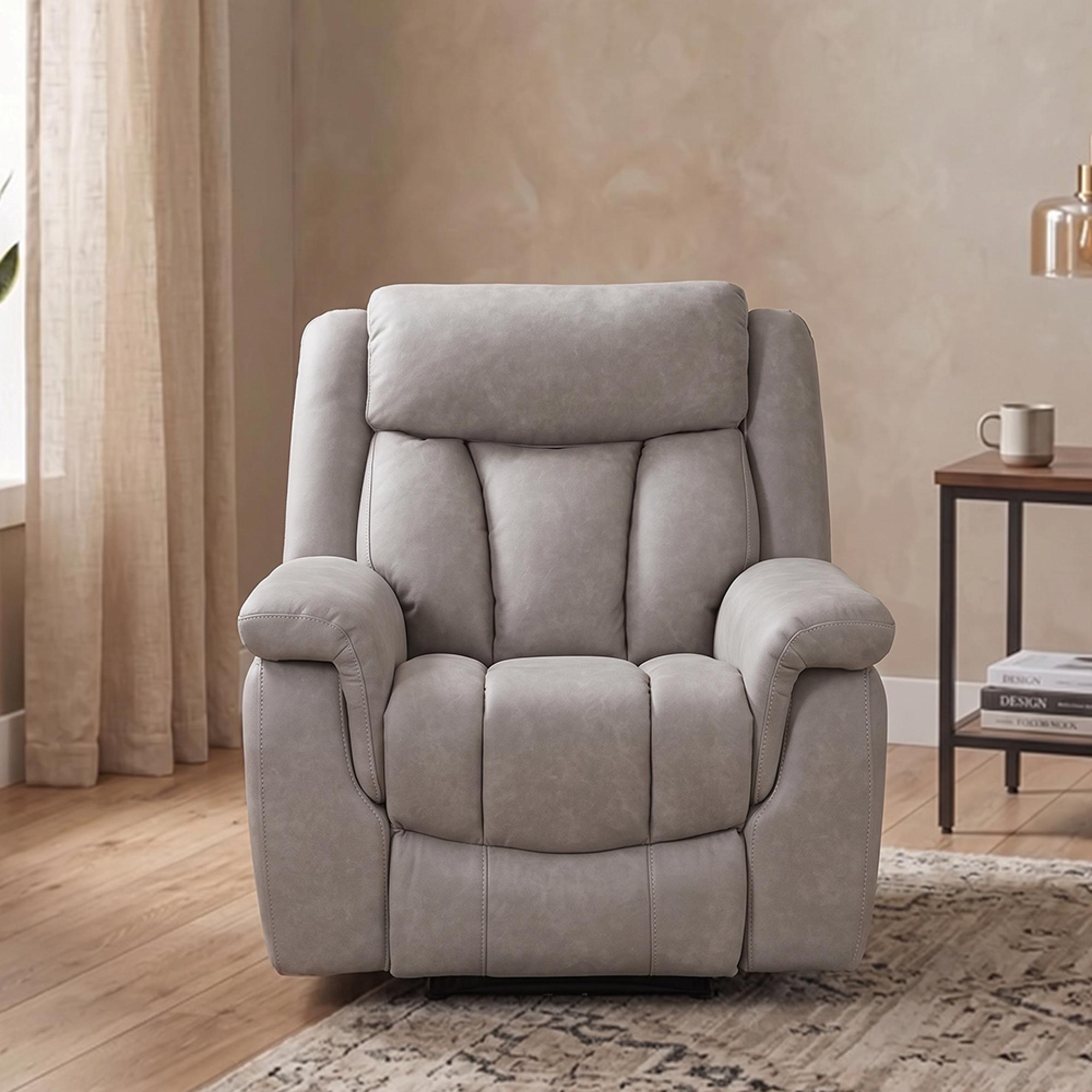
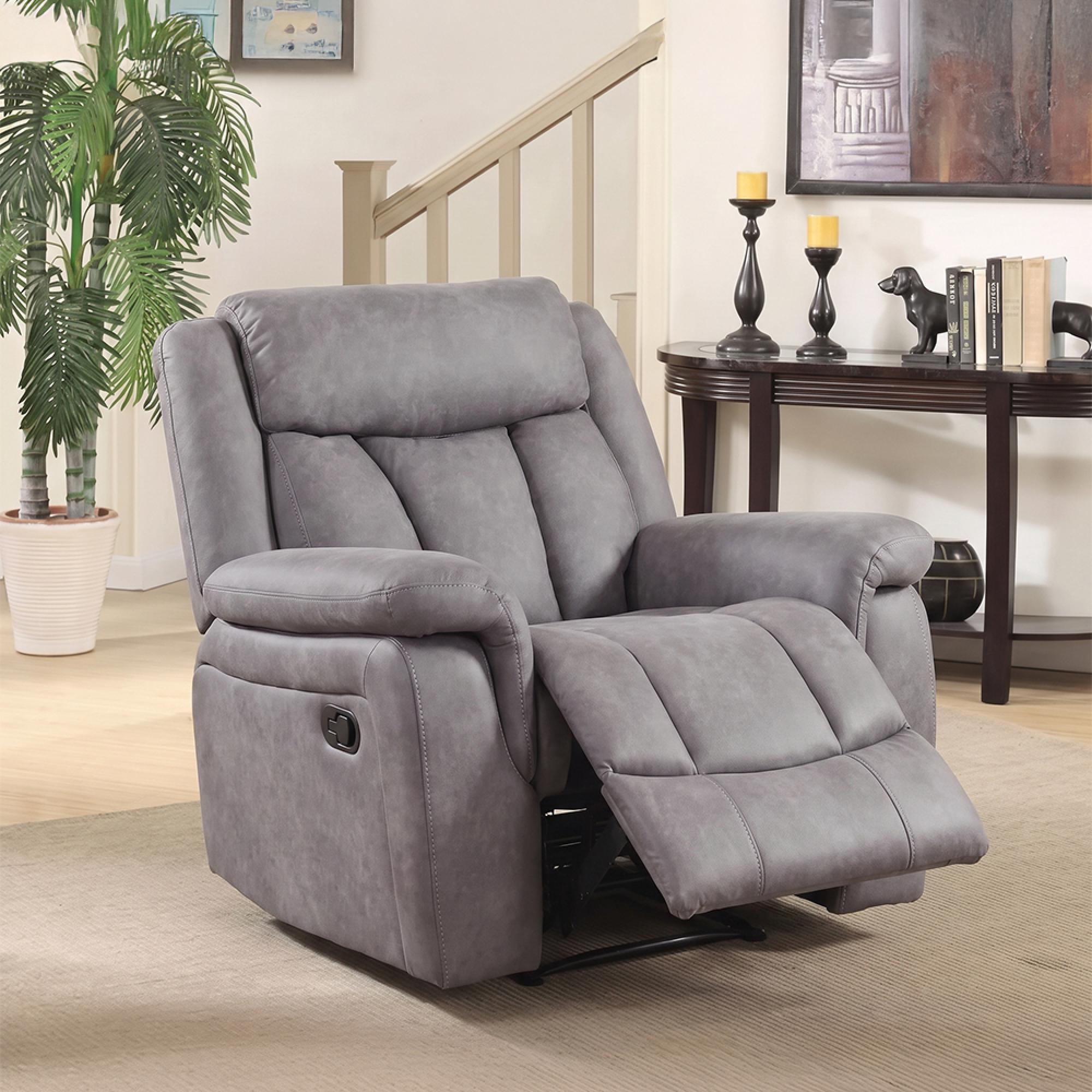
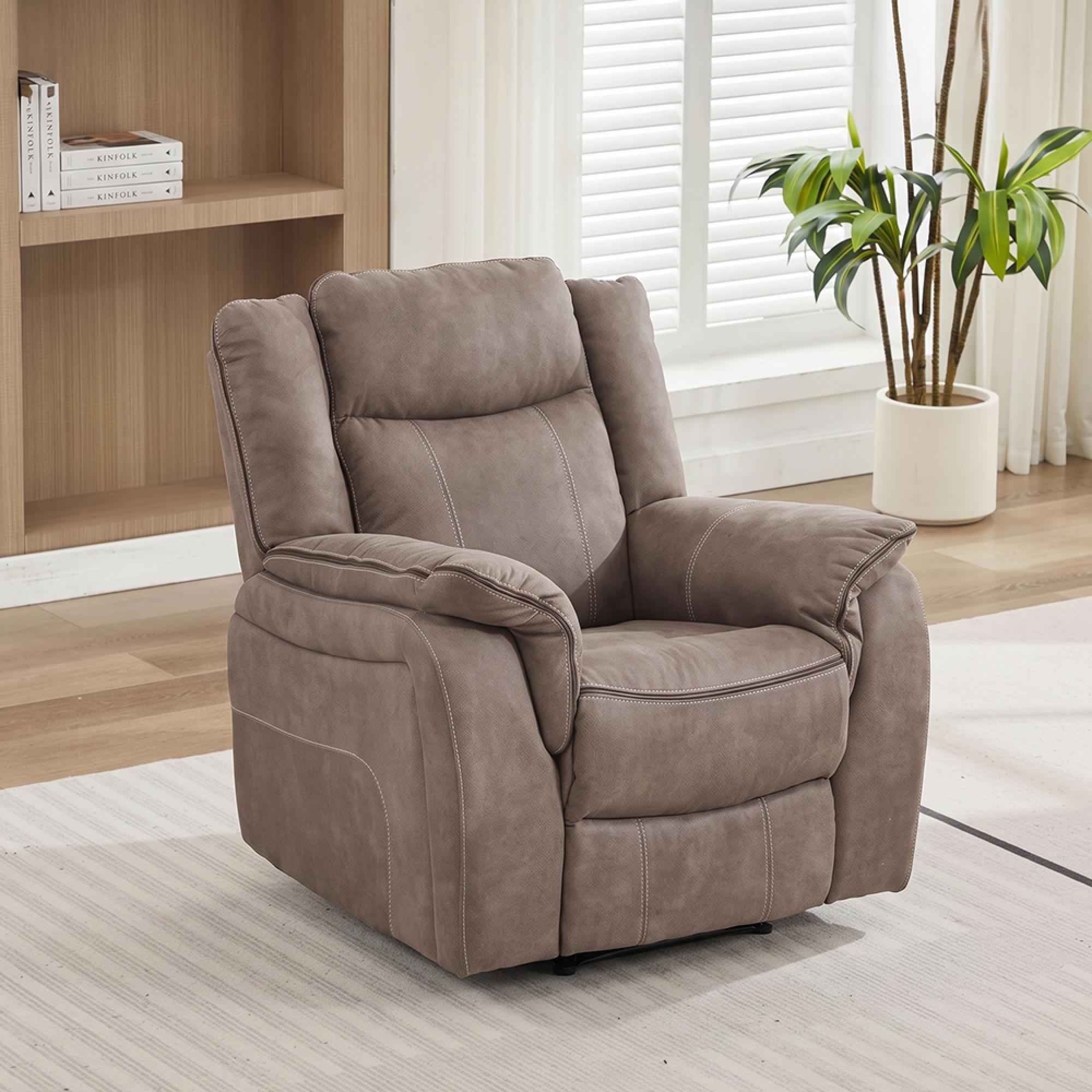
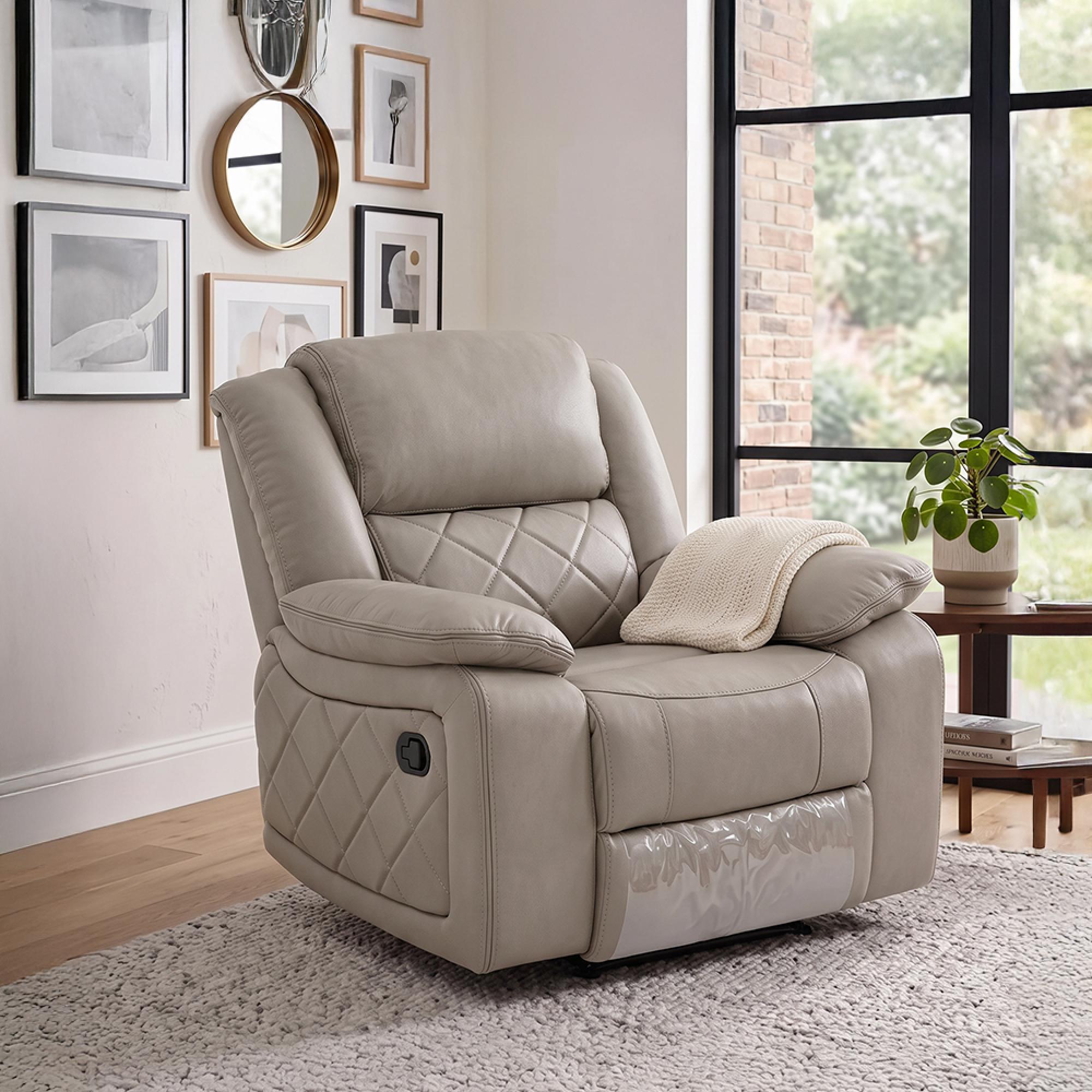
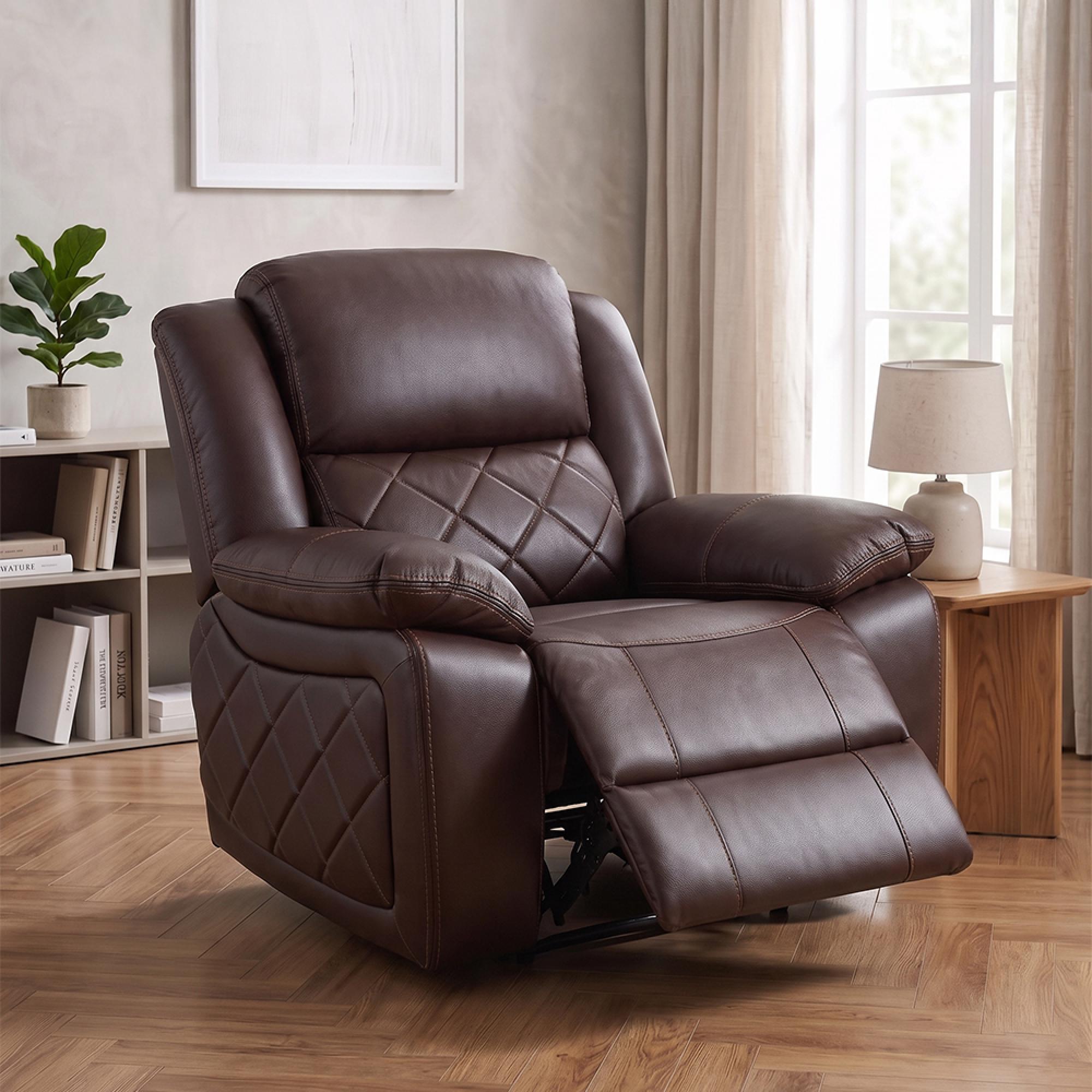
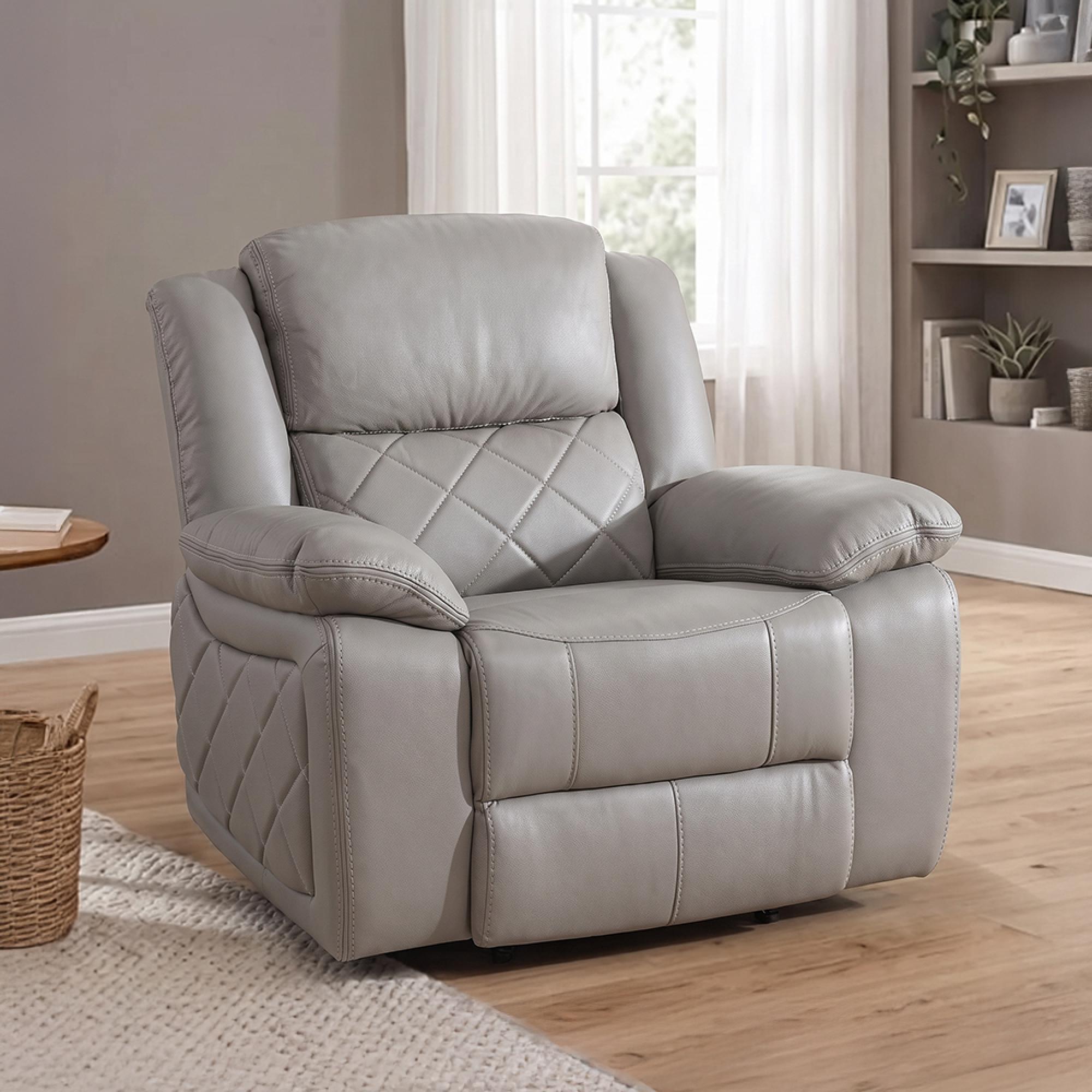
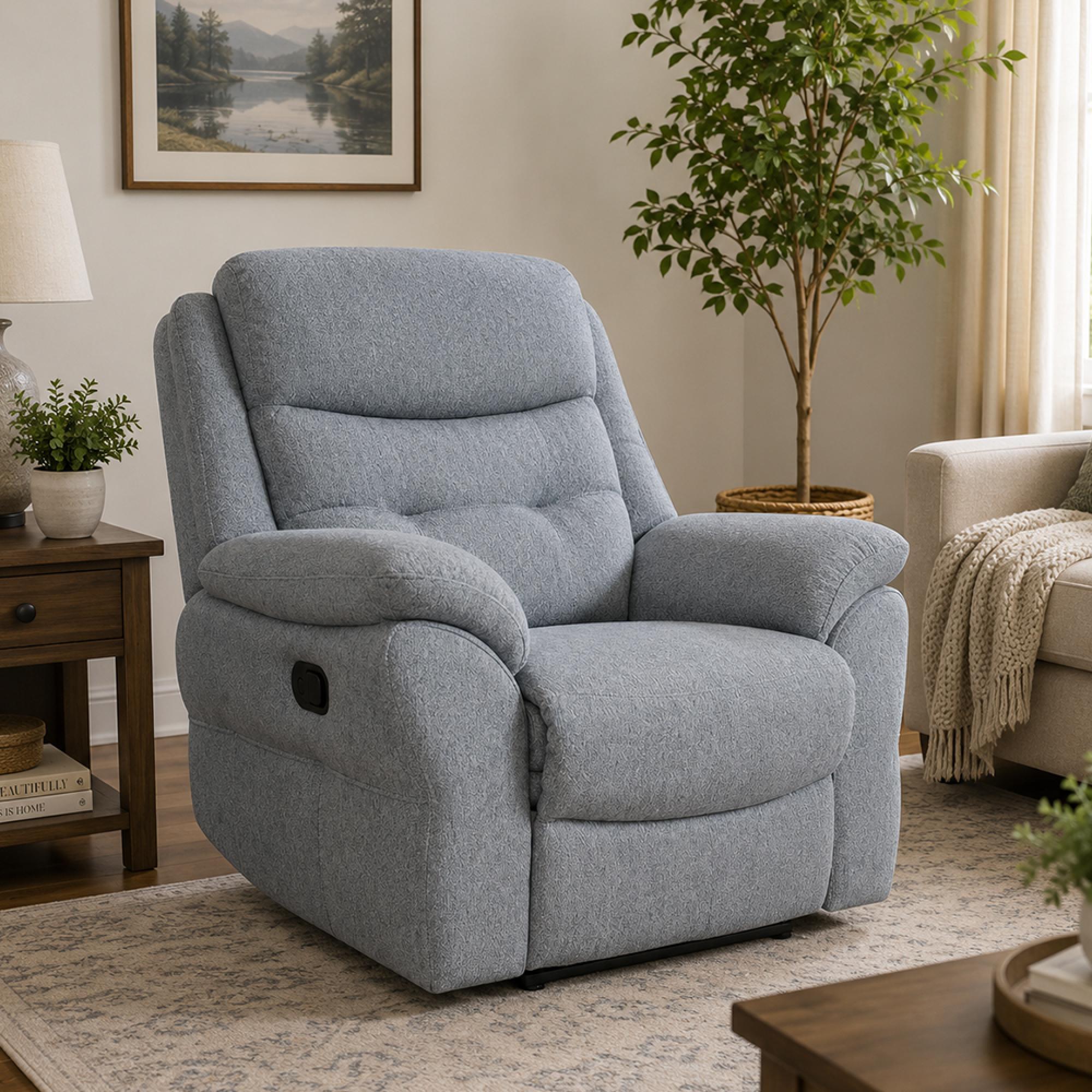
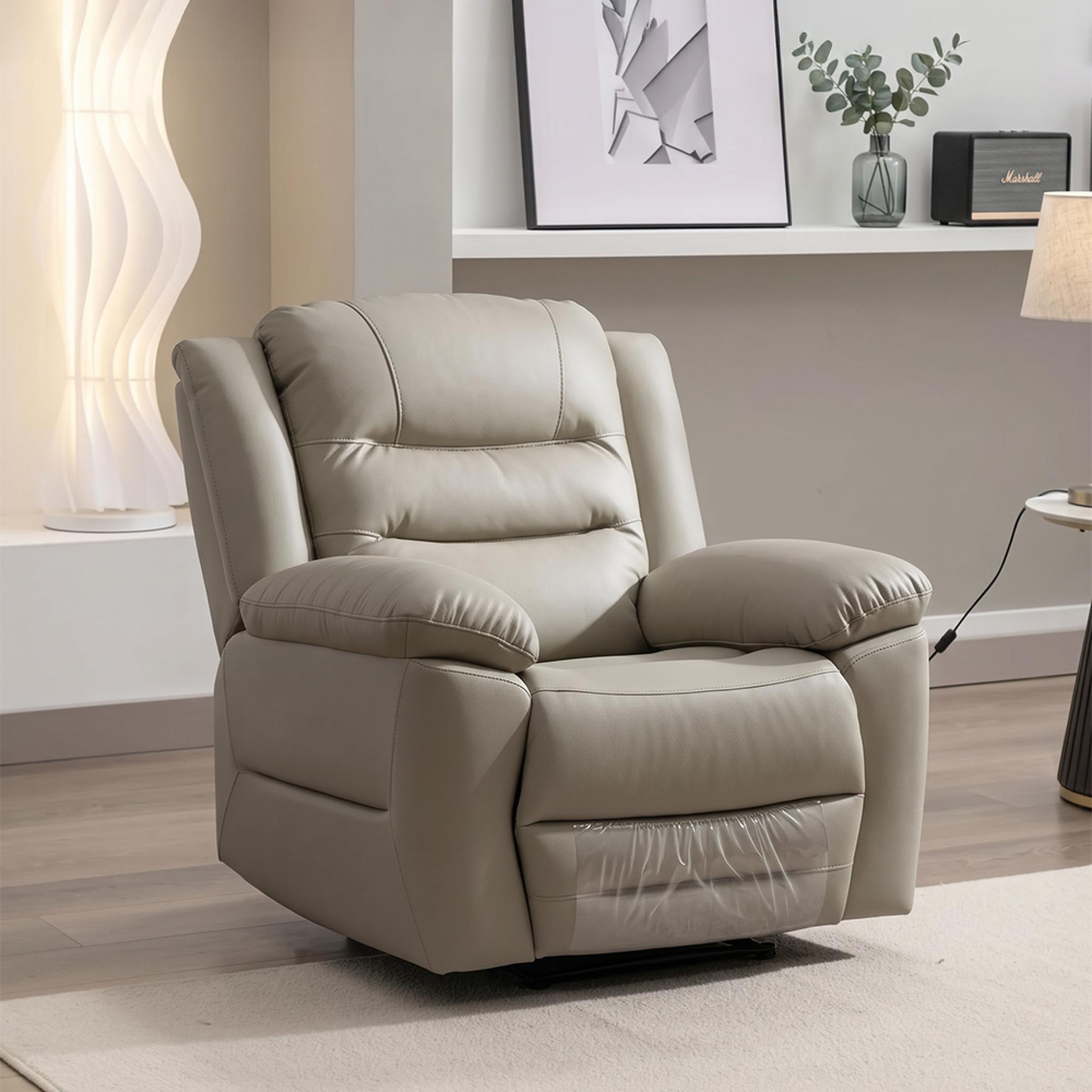
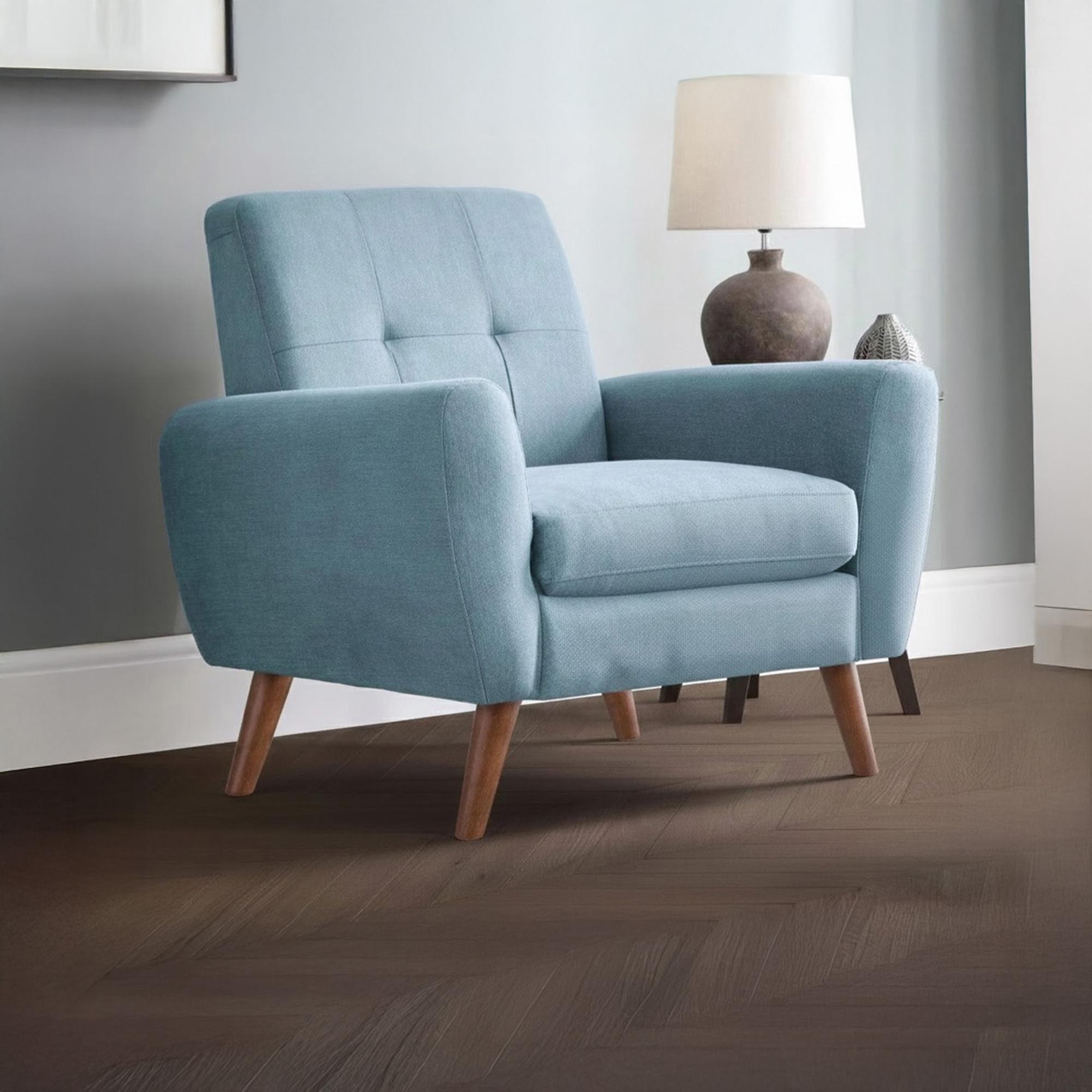
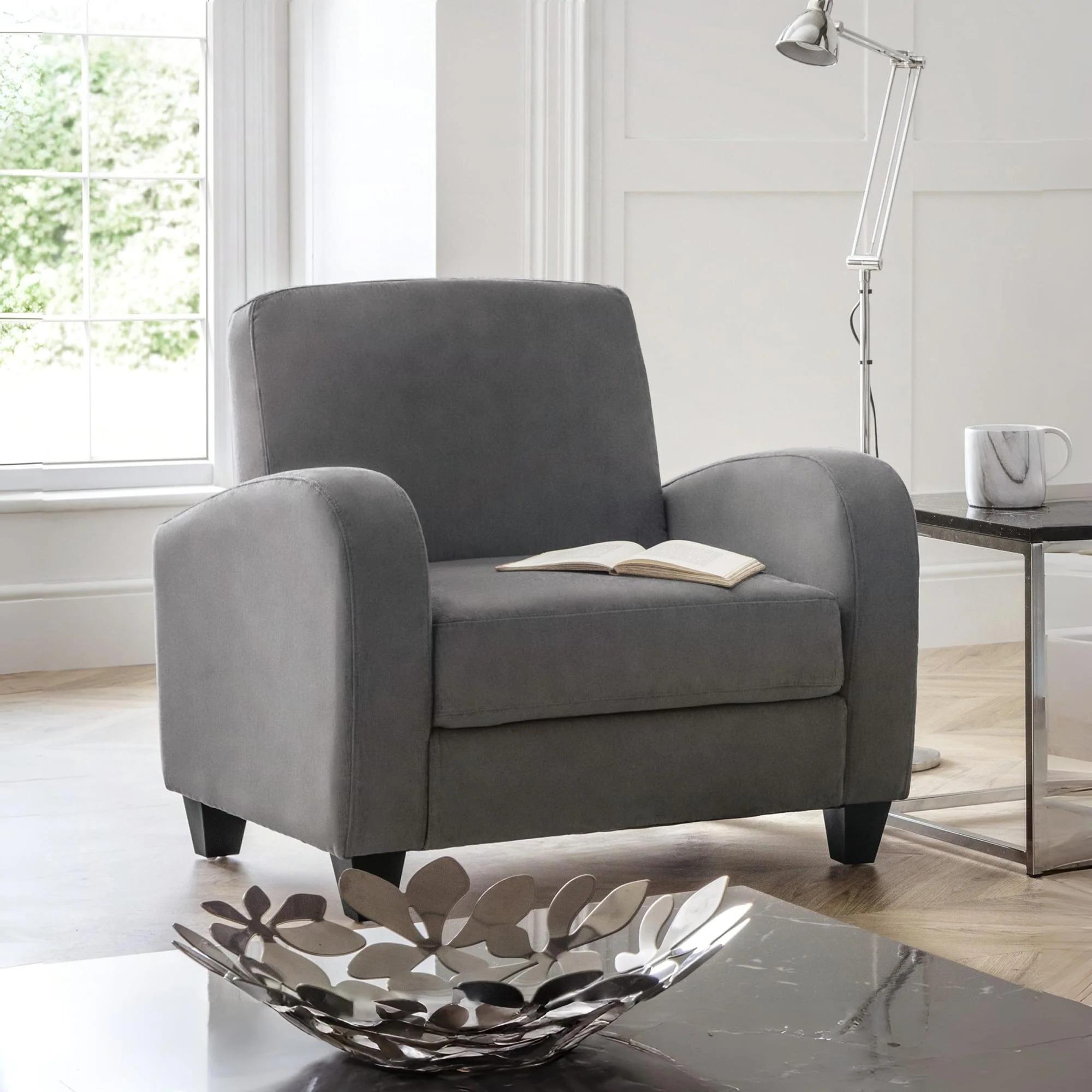
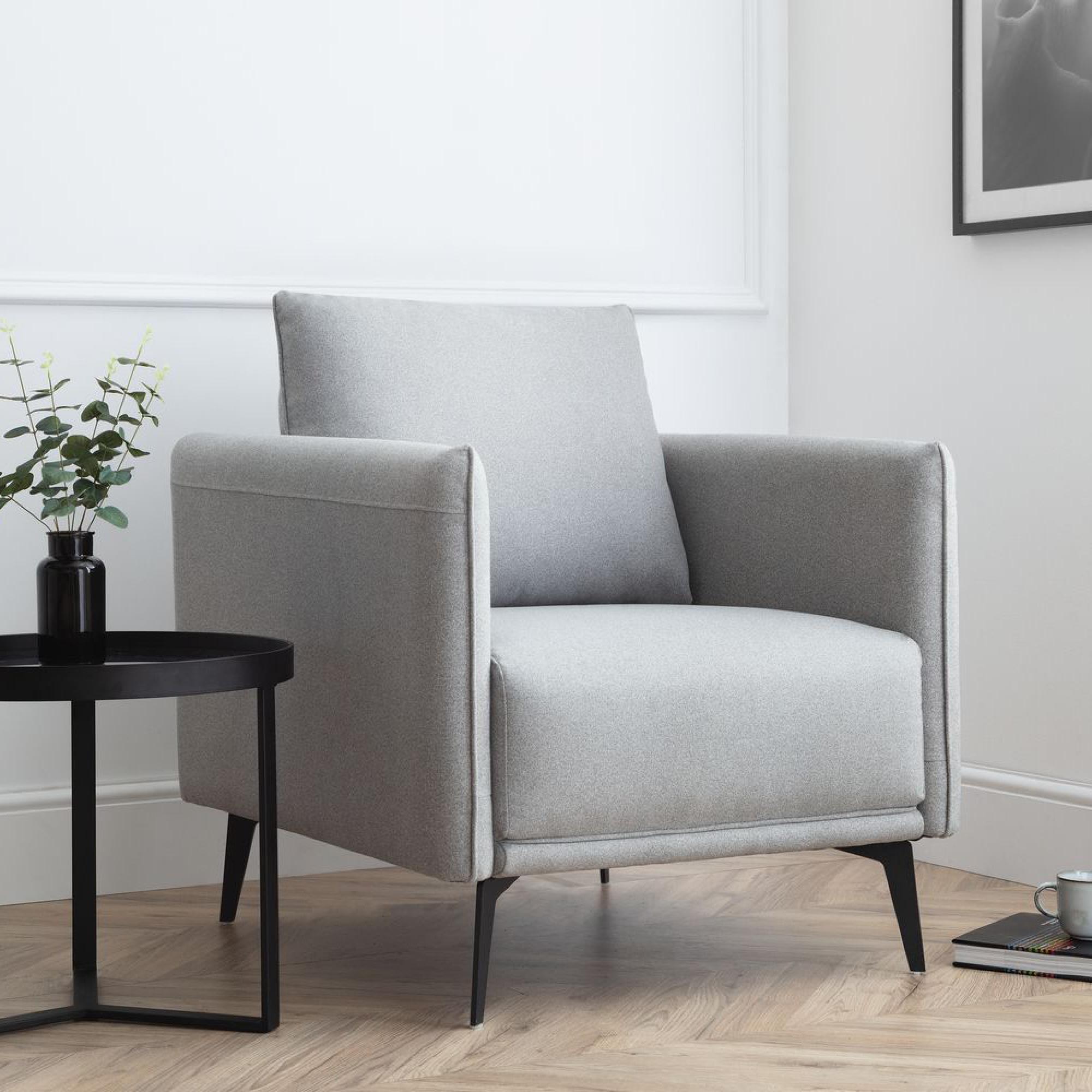
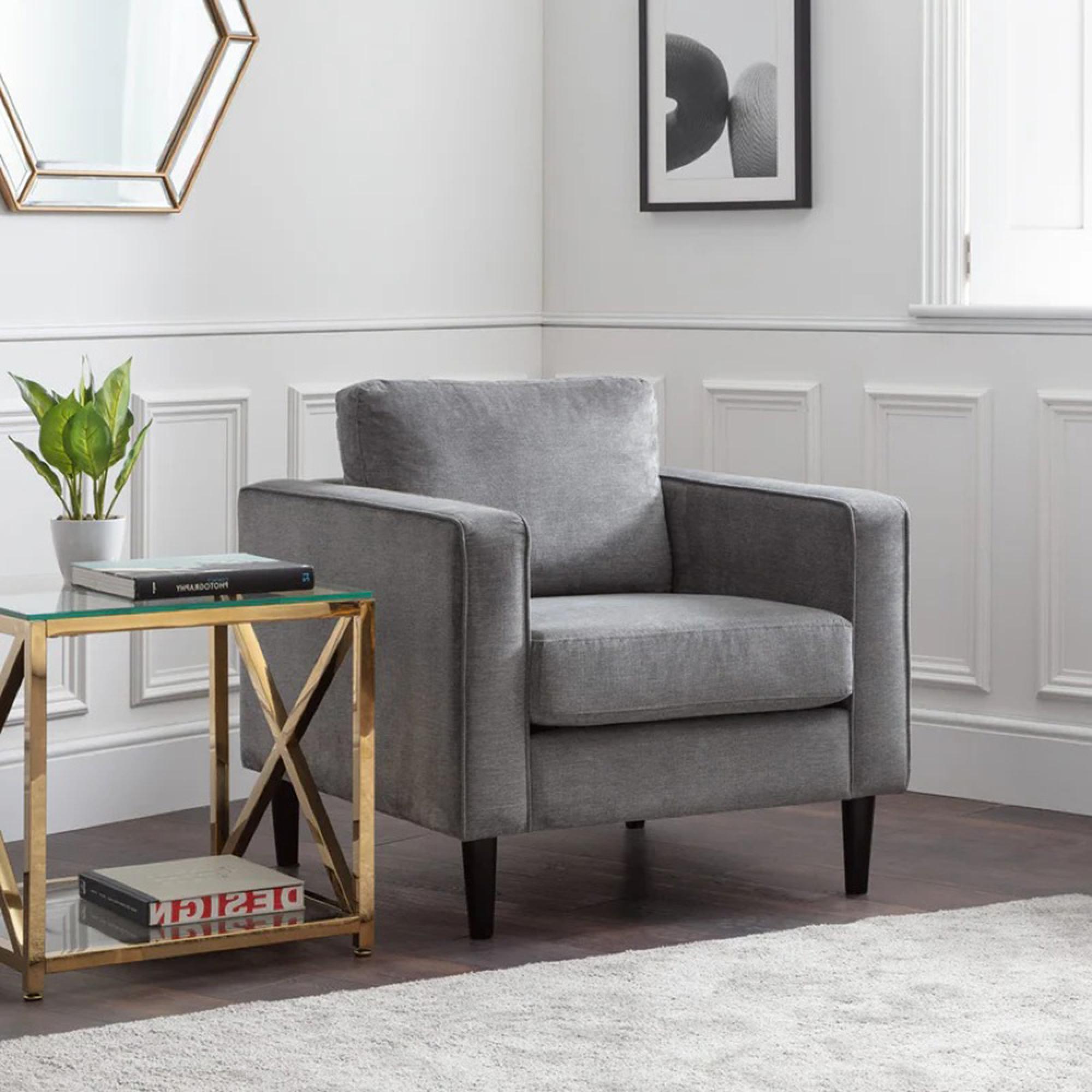
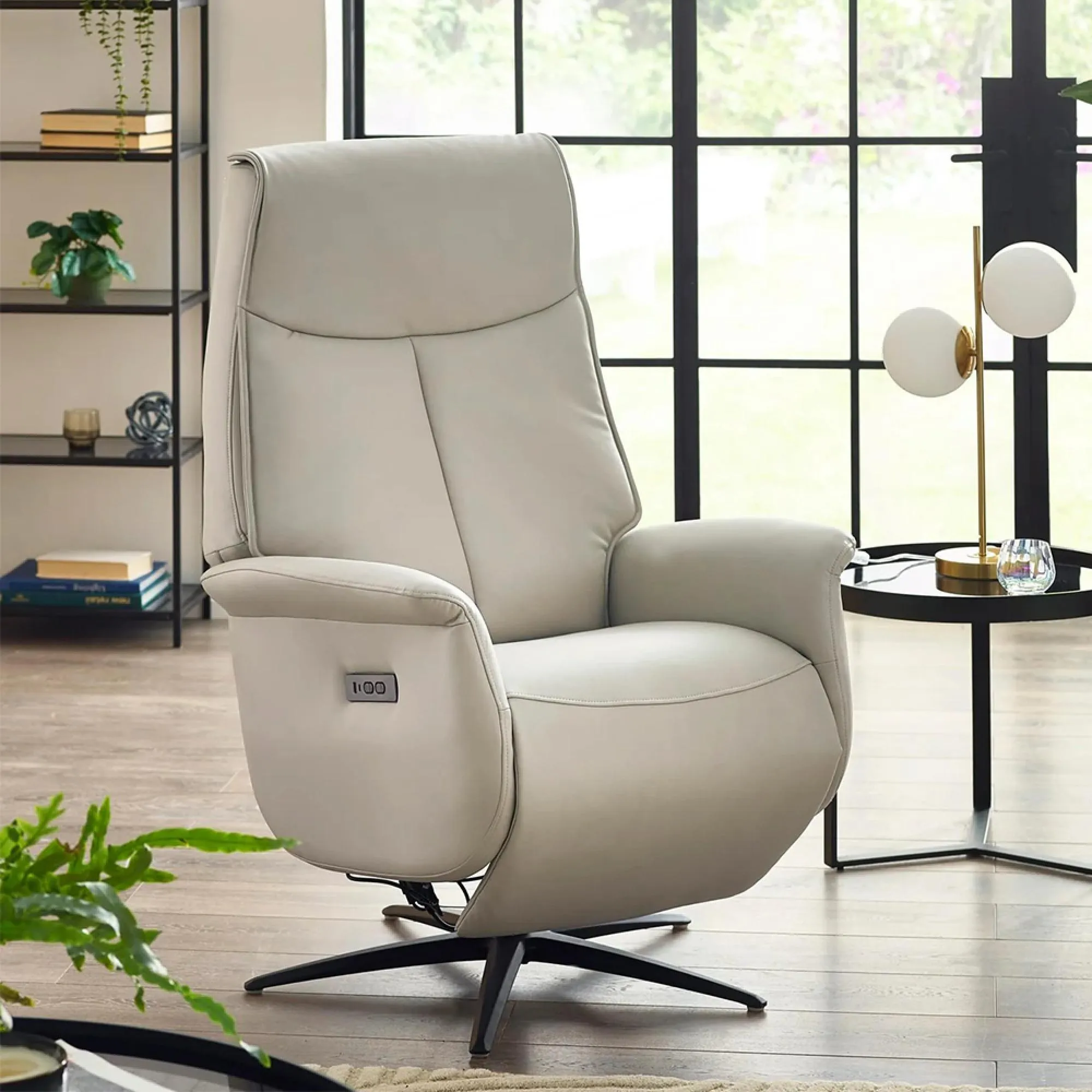
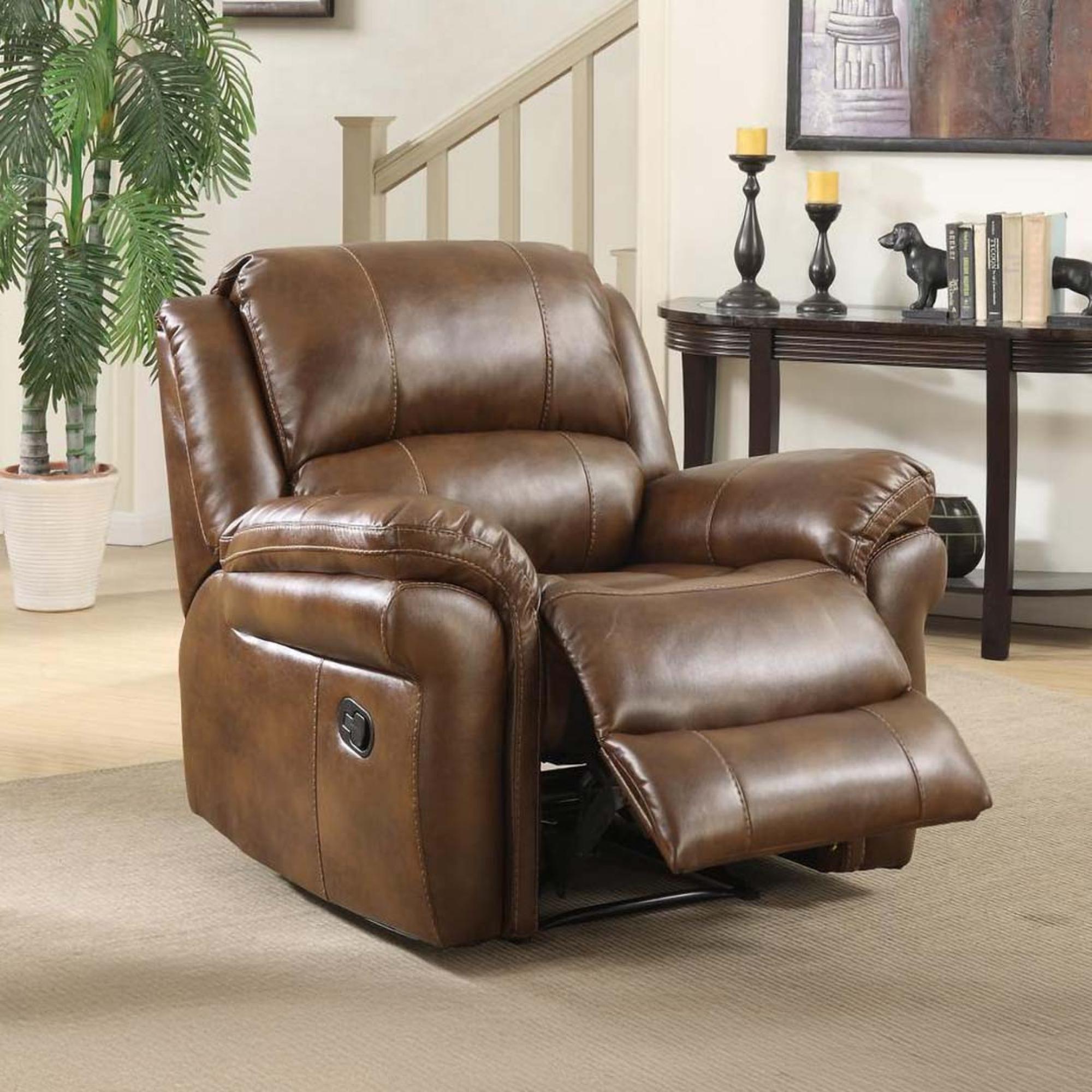
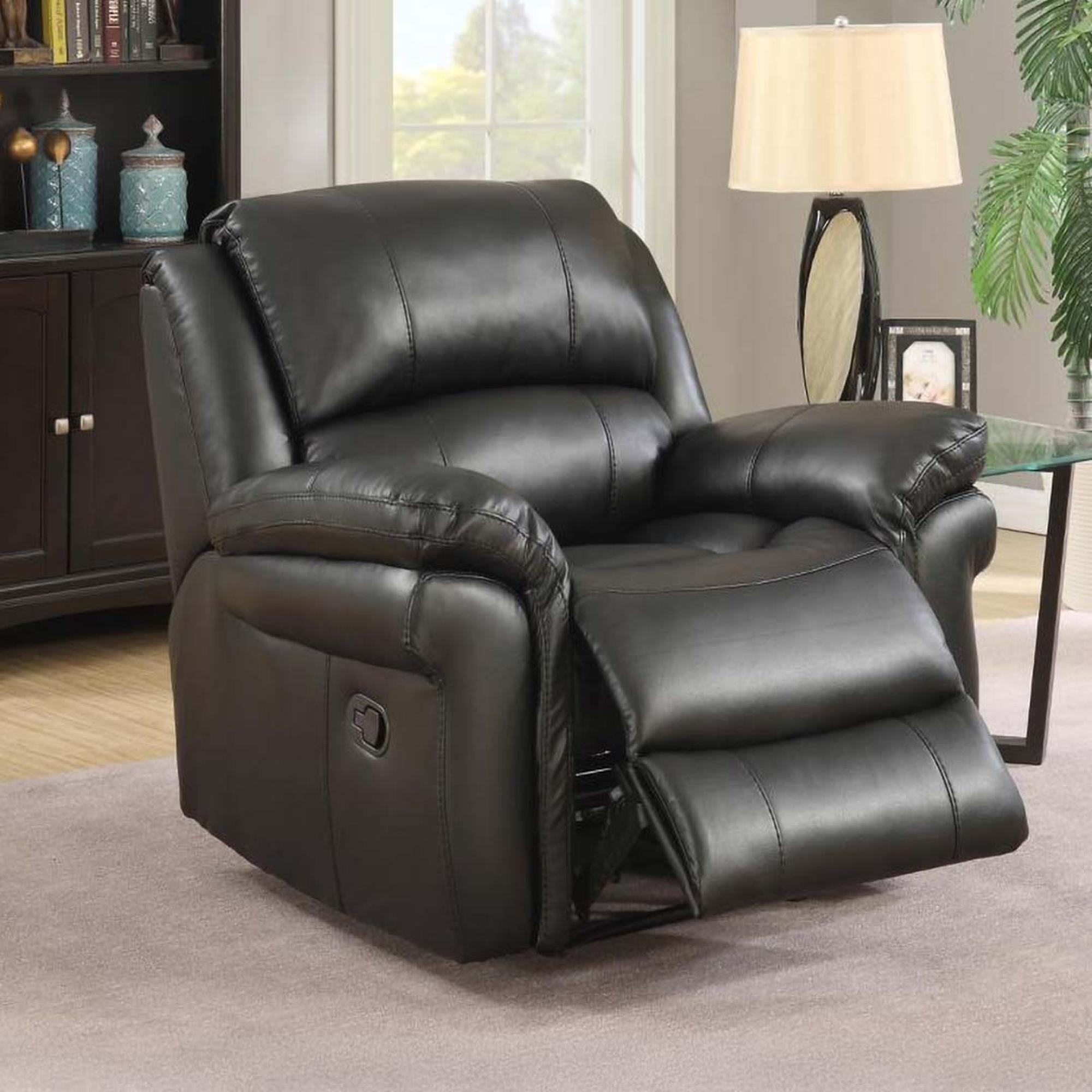
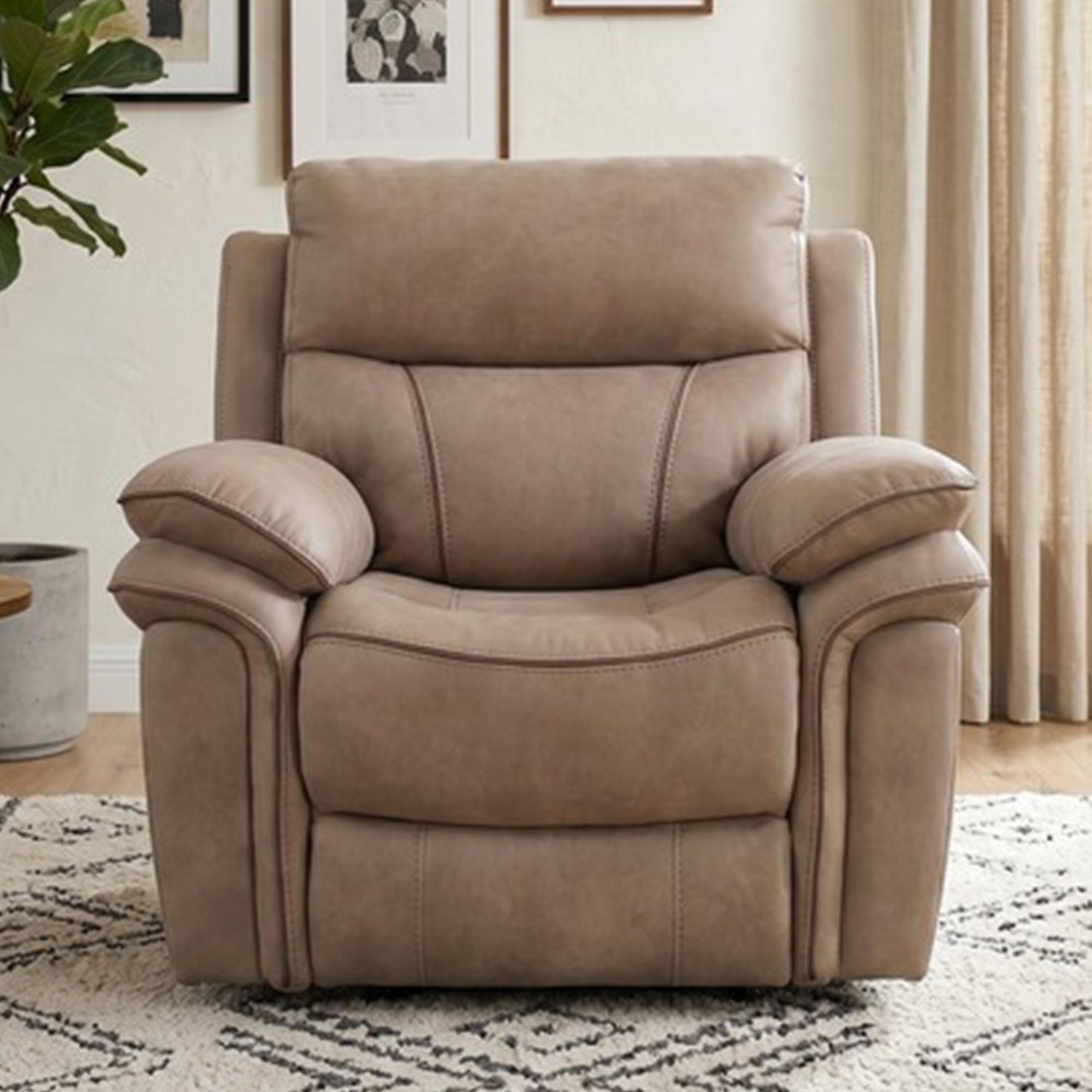
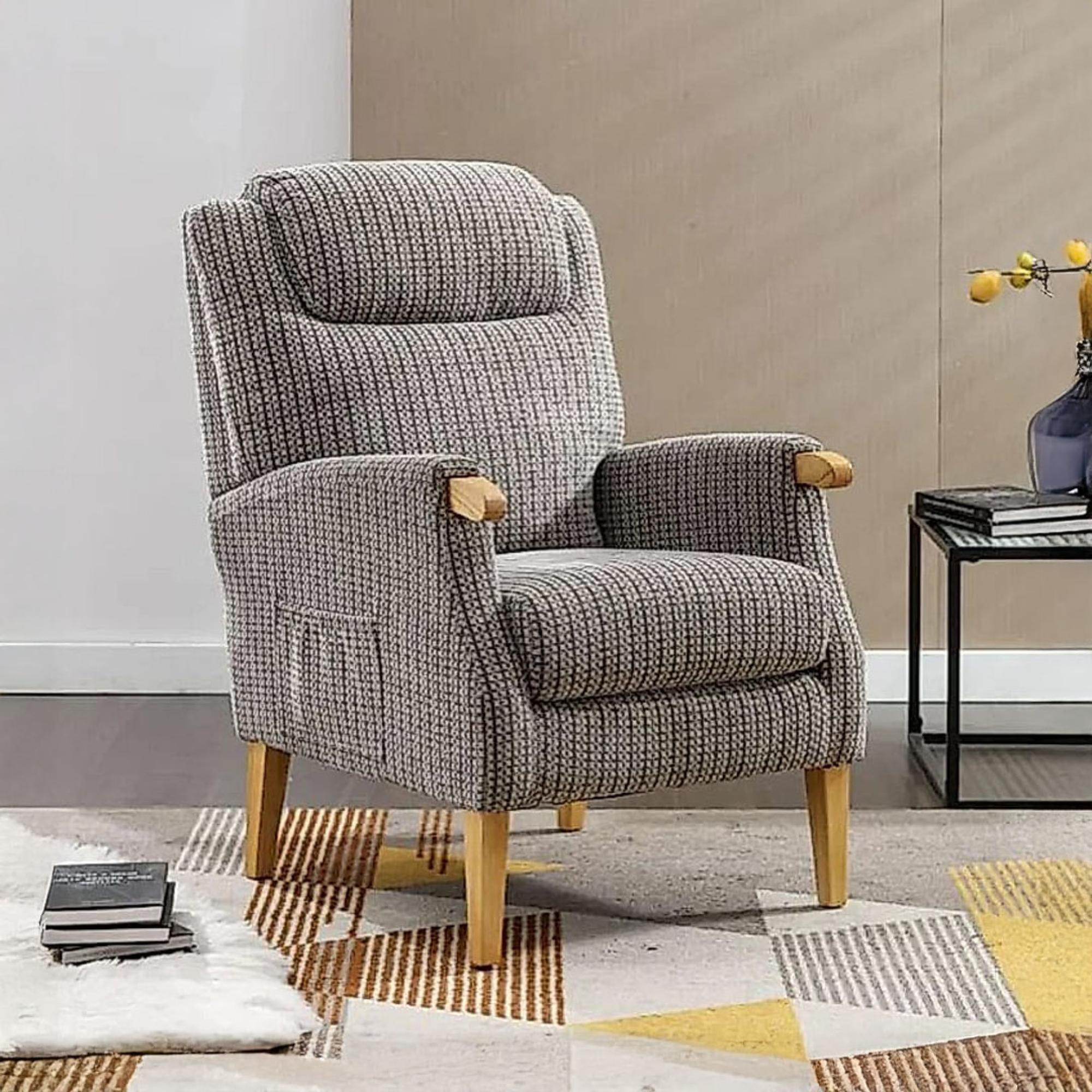
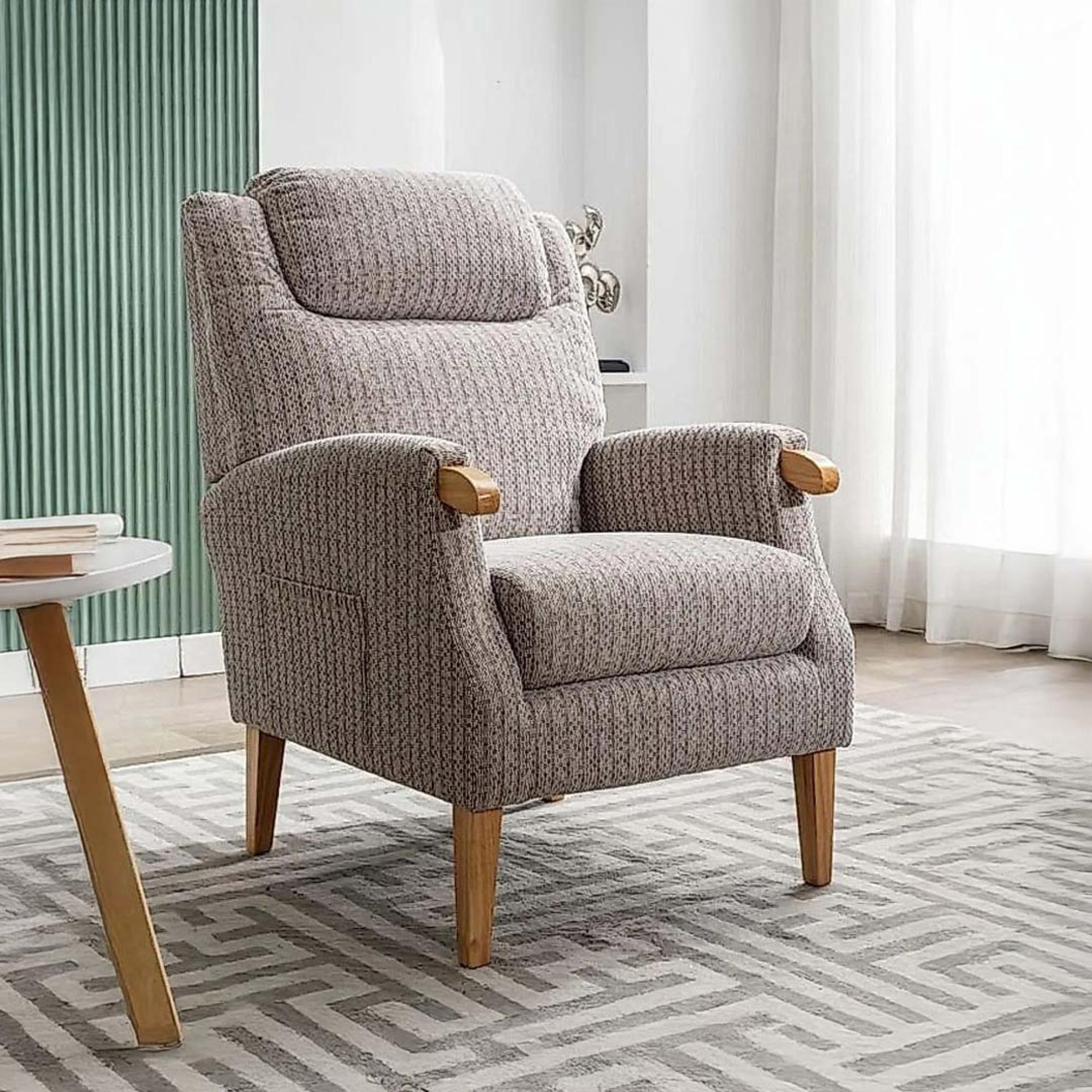
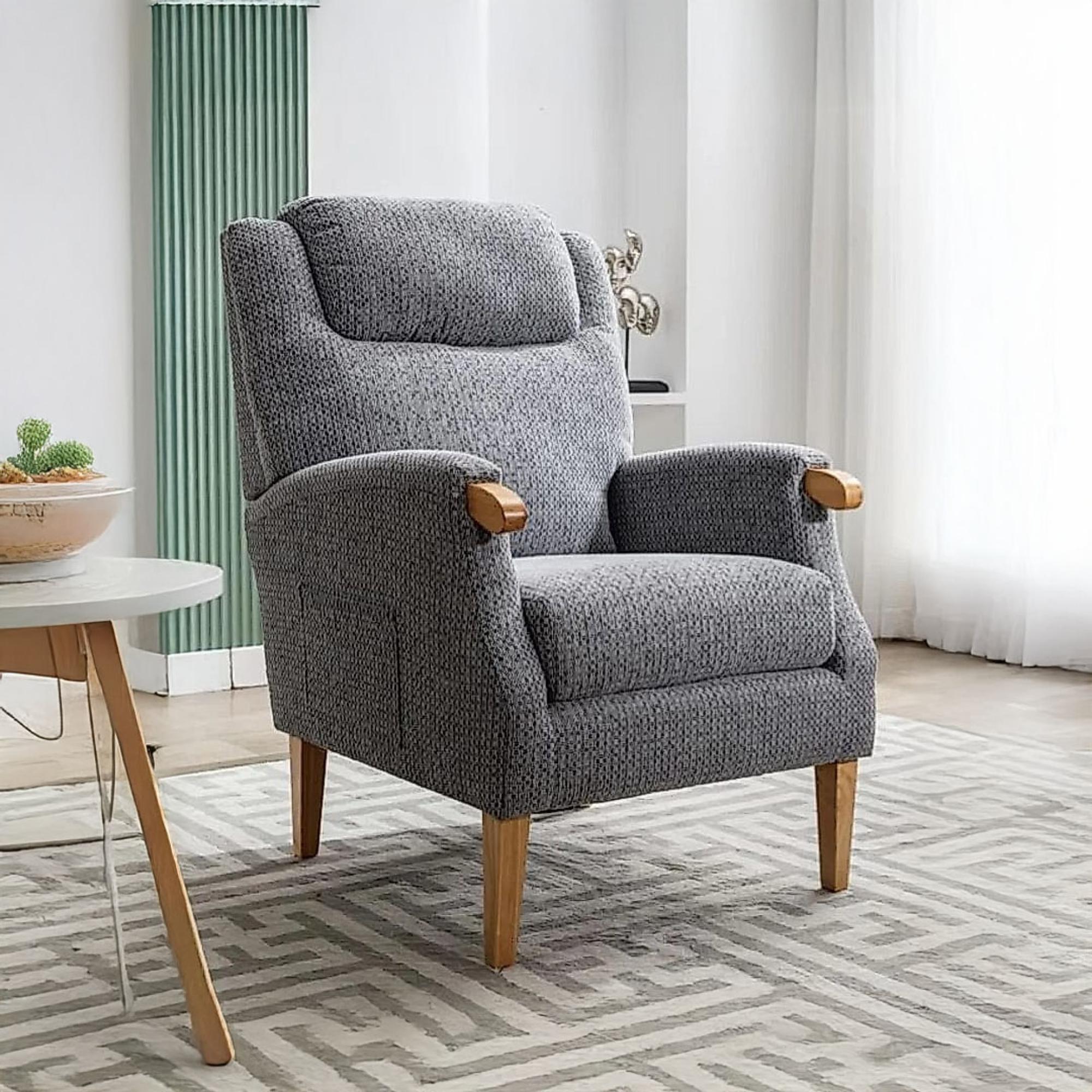
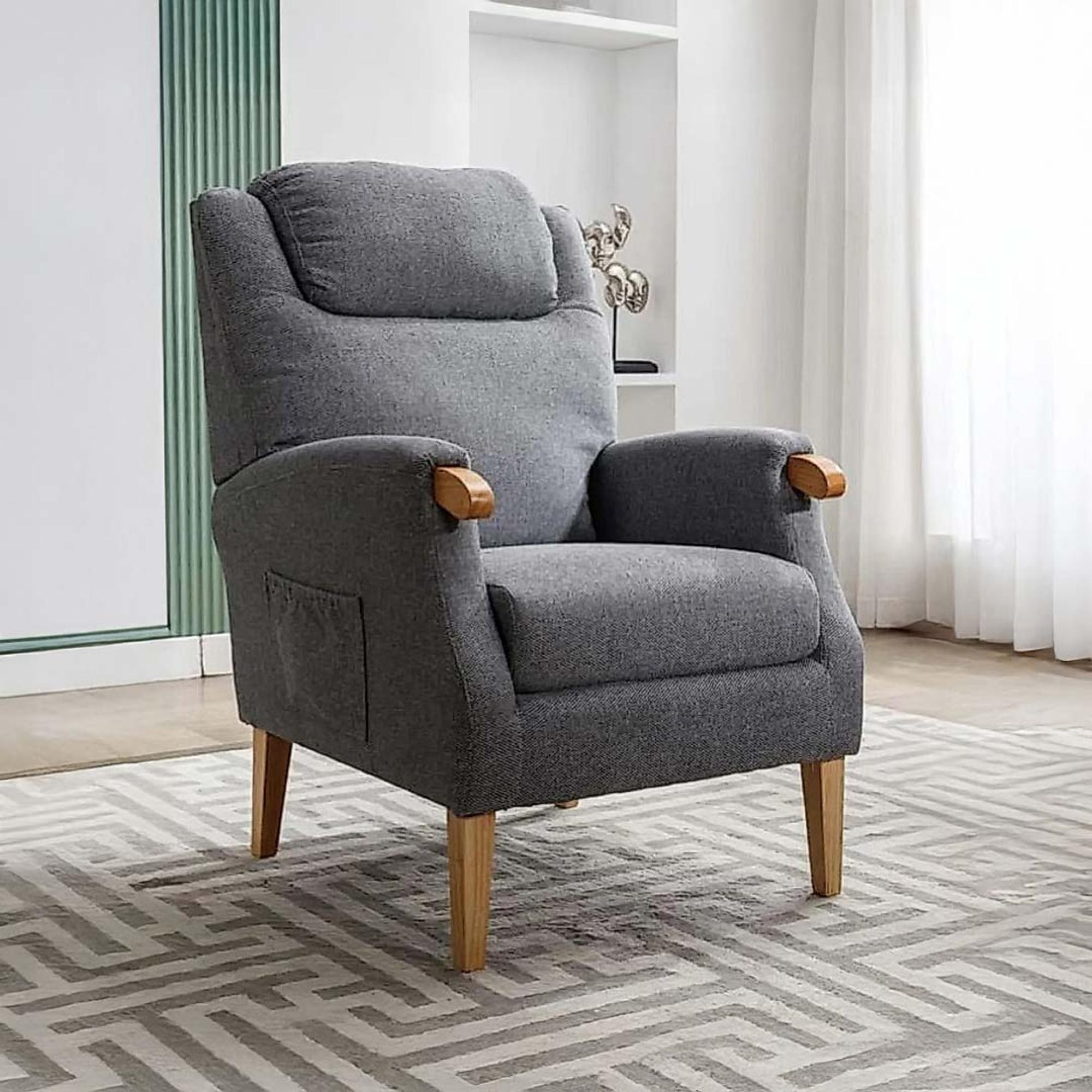
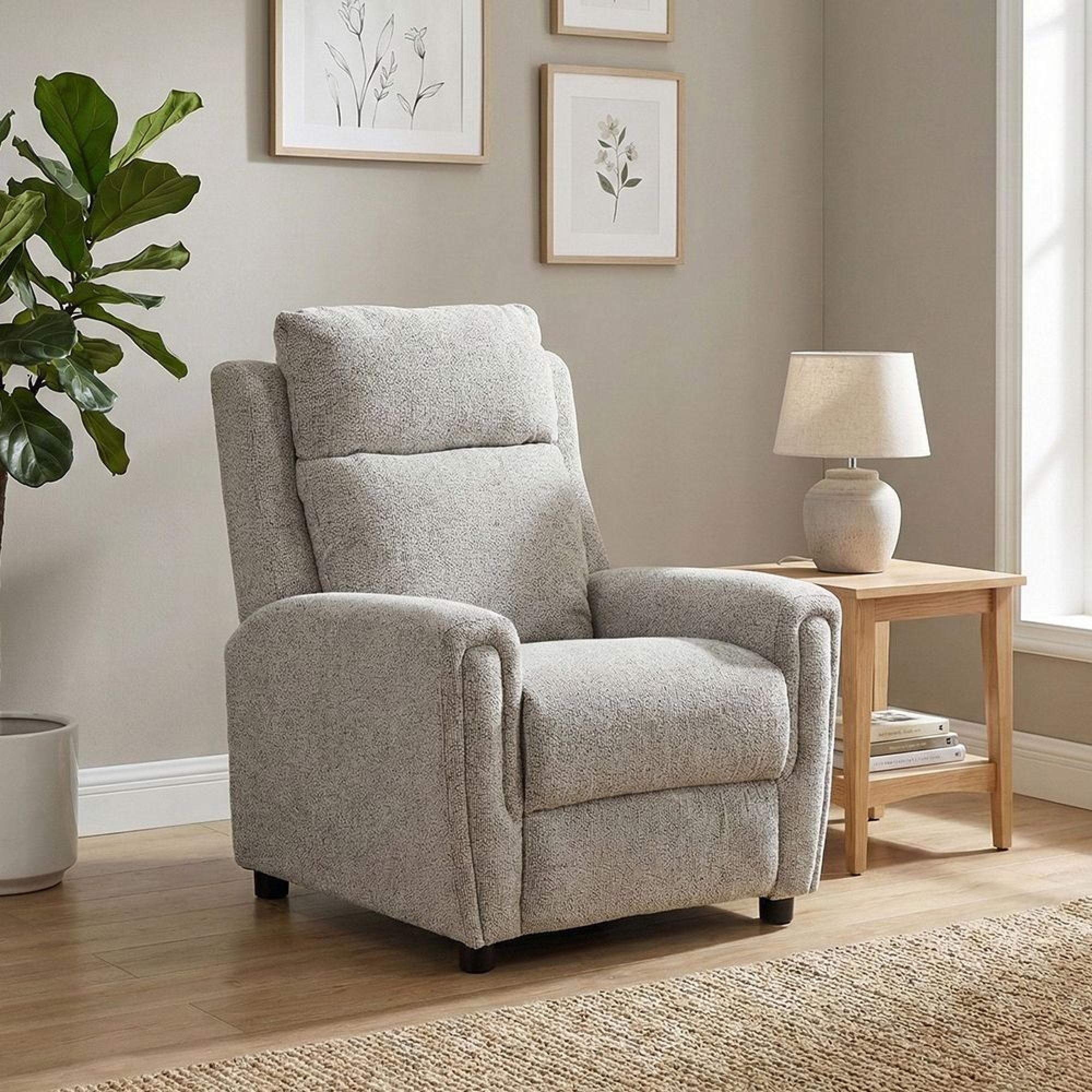
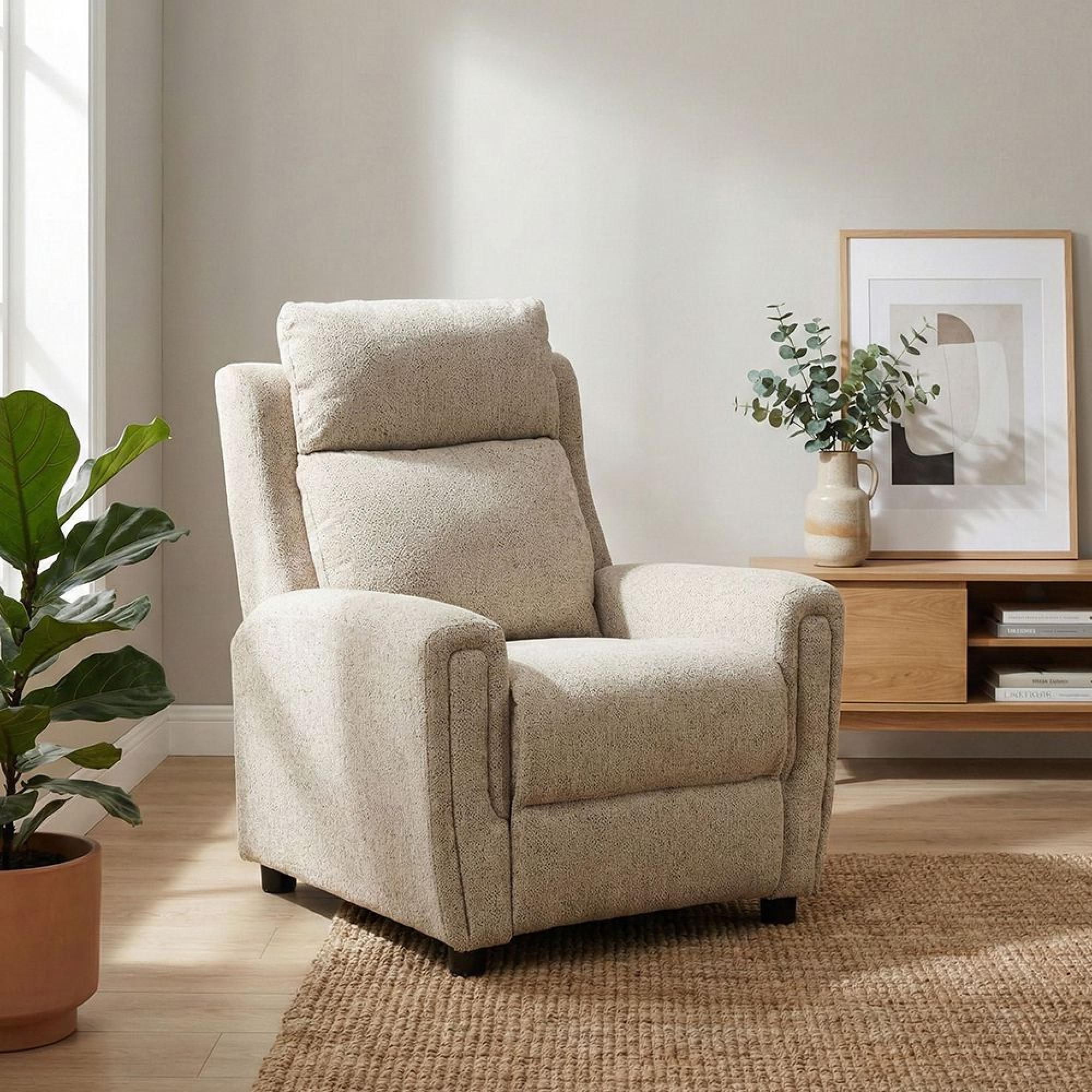
The Armchairs category brings together choices intended to add a defined seat for reading, relaxing or conversation. Compare seat width, upholstery, back support, arm shape, leg finish and room scale to identify the right balance of appearance and function. Leave comfortable circulation space around the chair and any nearby side table. Check each product page for exact dimensions, construction, finish, assembly and care information before making a final choice.
Read more X Close

Price

Features

Material

Colour

  • Beige
  • Black
  • Blue
  • Brown
  • Cream
  • Green
  • Grey
  • Orange
  • Purple
  • Red
  • Taupe
  • White

39 Products of 314

Load More..

Choosing Armchairs

This category focuses on Armchairs that can add a defined seat for reading, relaxing or conversation. Start with the room layout and daily use, then compare seat width, upholstery, back support, arm shape, leg finish and room scale. Function and visual balance both matter, so compare the complete specification rather than choosing on appearance alone. This keeps the decision focused on practical suitability as well as style.

Plan the space before choosing

Leave comfortable circulation space around the chair and any nearby side table. Record the available width, depth and height, including clearance for doors, drawers, reclining parts or extensions where relevant. Account for skirting boards, radiators, sockets and walking routes, then check the access route through doors, halls and stairs.

For adjacent choices, explore Sofas, Fabric Armchairs and Leather Armchairs. Use these comparisons alongside the specifications on each product page.

Armchairs for considered interiors

The Armchairs category focuses on choices intended to add a defined seat for reading, relaxing or conversation. A suitable option should respond to the room's proportions, surrounding furniture and practical demands of everyday use. Use the category wording as a starting point, then verify the exact material, finish and features shown on each product page.

Material, finish and construction

When comparing armchairs, look closely at seat width, upholstery, back support, arm shape, leg finish and room scale. Materials influence appearance, weight and maintenance, while finish affects colour coordination and day-to-day care. Use the written specification to confirm construction and care requirements.

Function and room planning

Leave comfortable circulation space around the chair and any nearby side table. Mark out the footprint and consider how people move around it. Where a product opens, extends, swivels or reclines, include that working clearance. For storage, seating or sleeping products, match the layout, support and capacity to the needs of regular users.

Creating a coordinated result

Build the room around a clear relationship between scale, colour and material. Matching every finish is not essential, but repeating one or two elements can connect separate pieces. You can also compare Sofas, Fabric Armchairs and Leather Armchairs for closely related room and product choices. Use the individual listing to confirm dimensions, included components, assembly and suitability.
Read more X Close

FAQs on Armchairs

Are recliners good for older people?

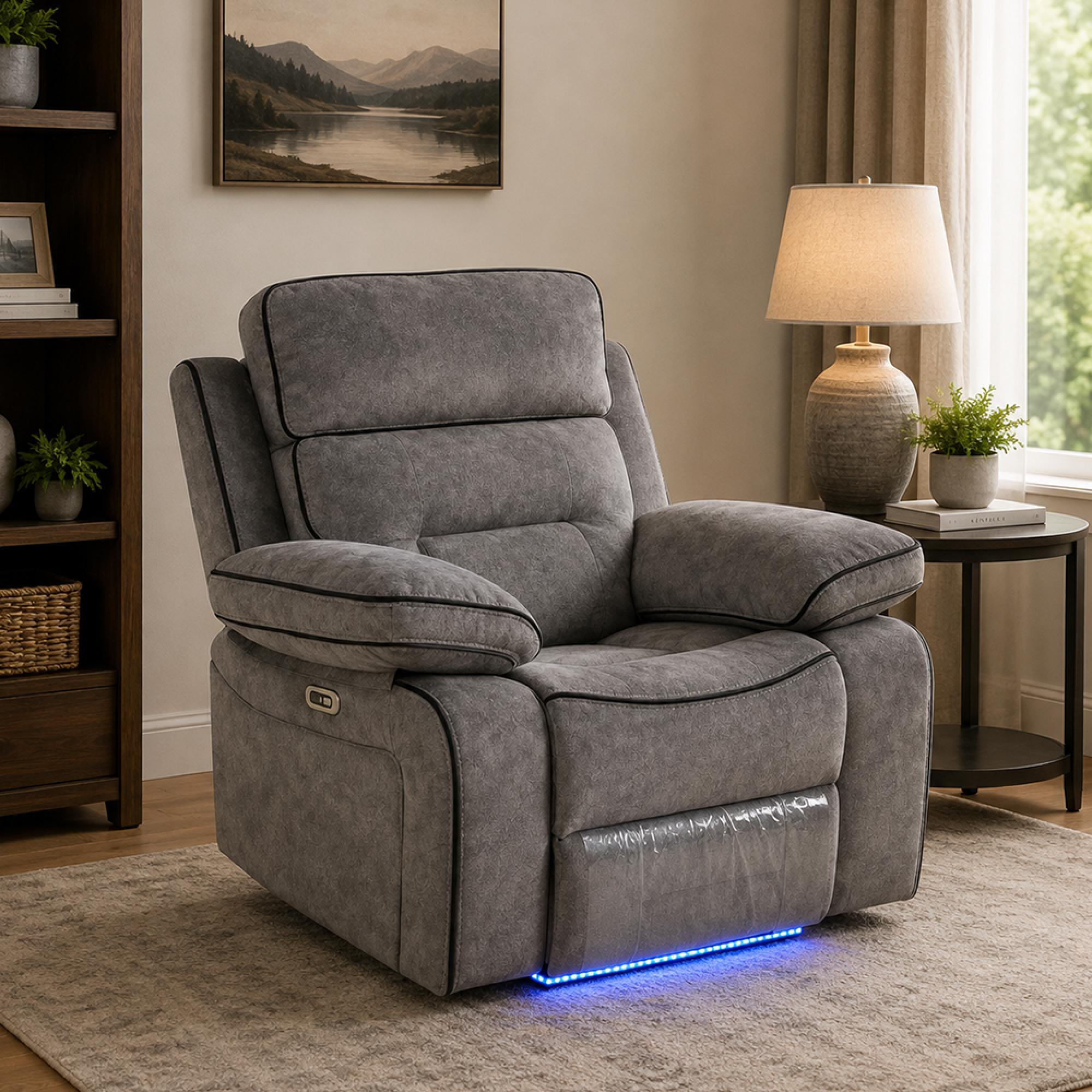
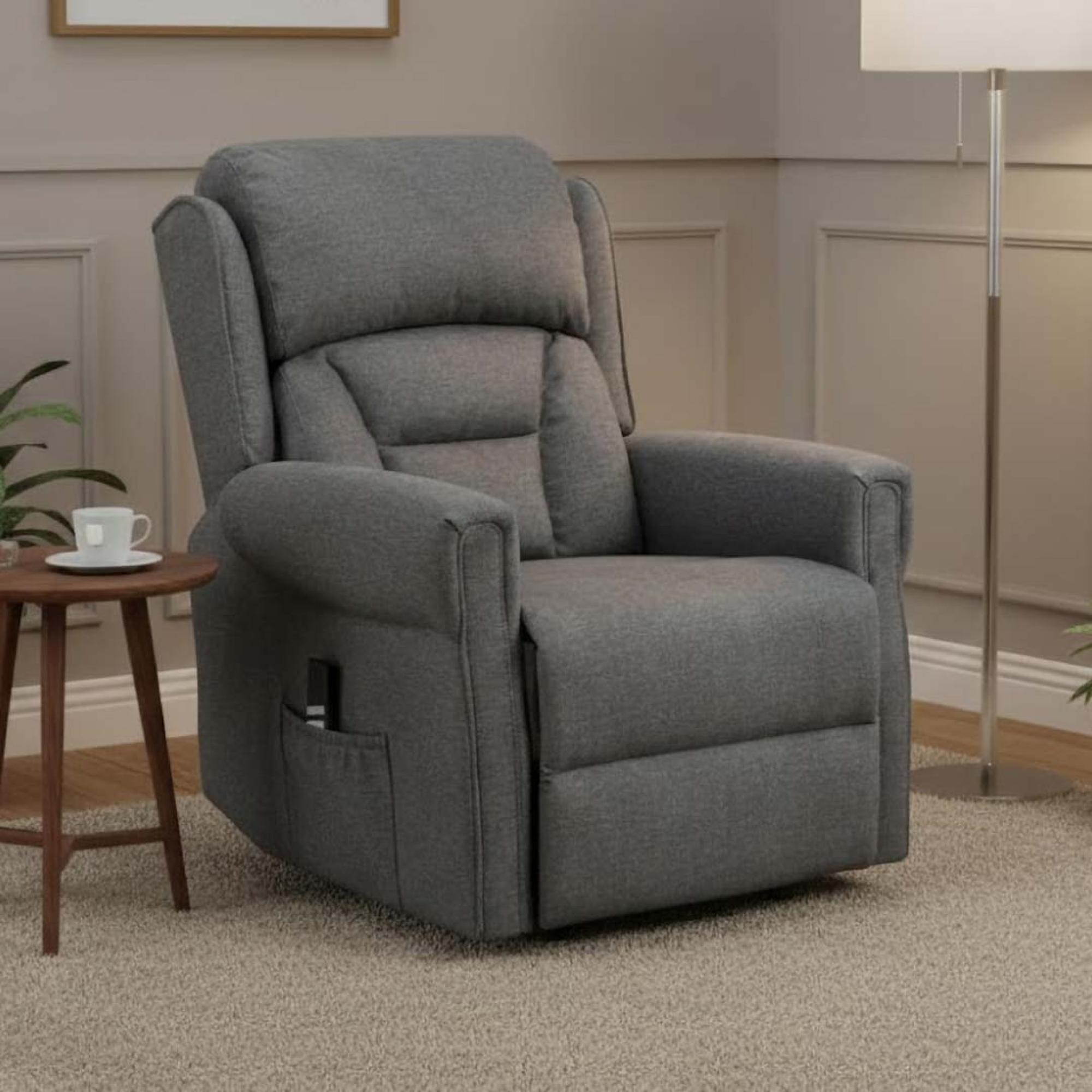
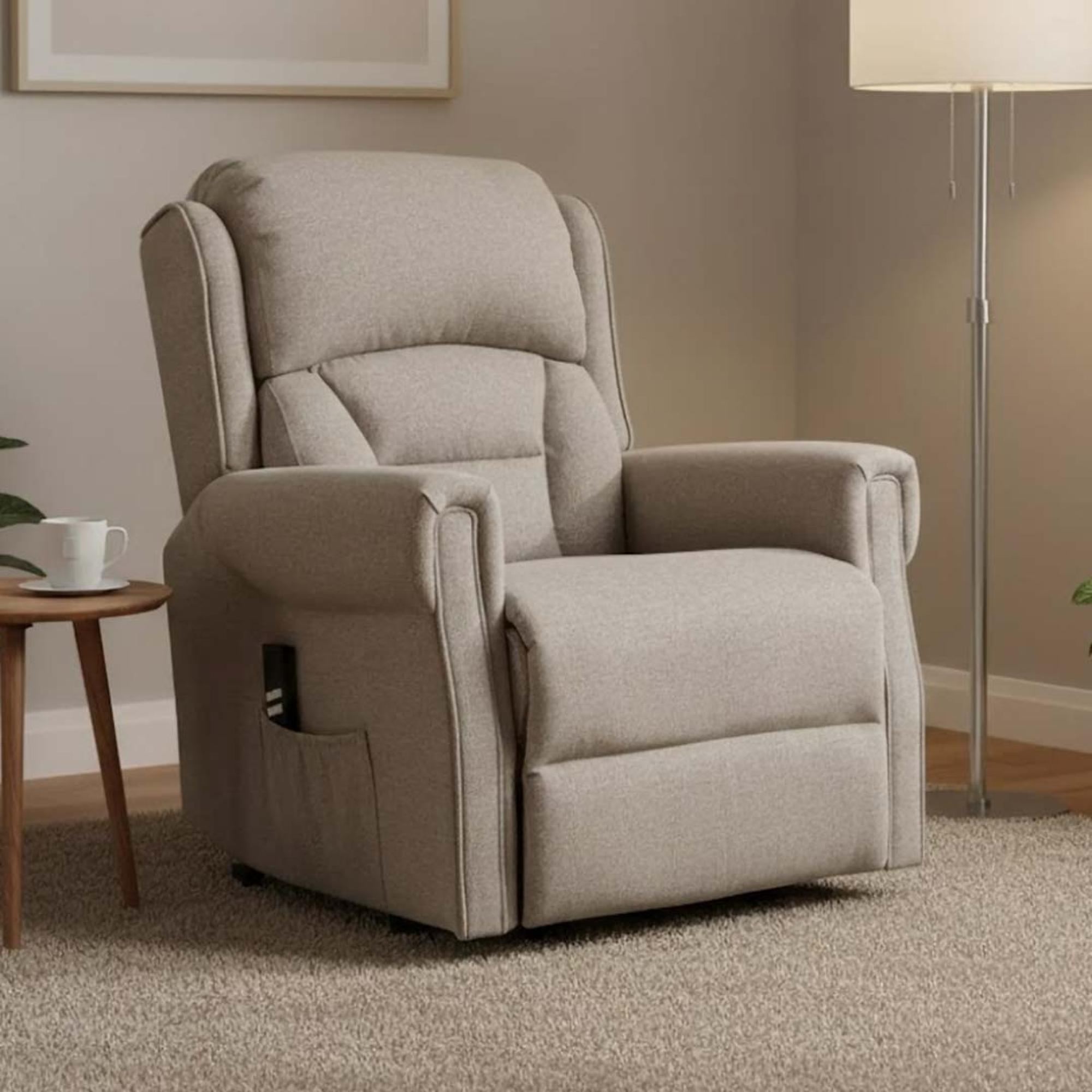
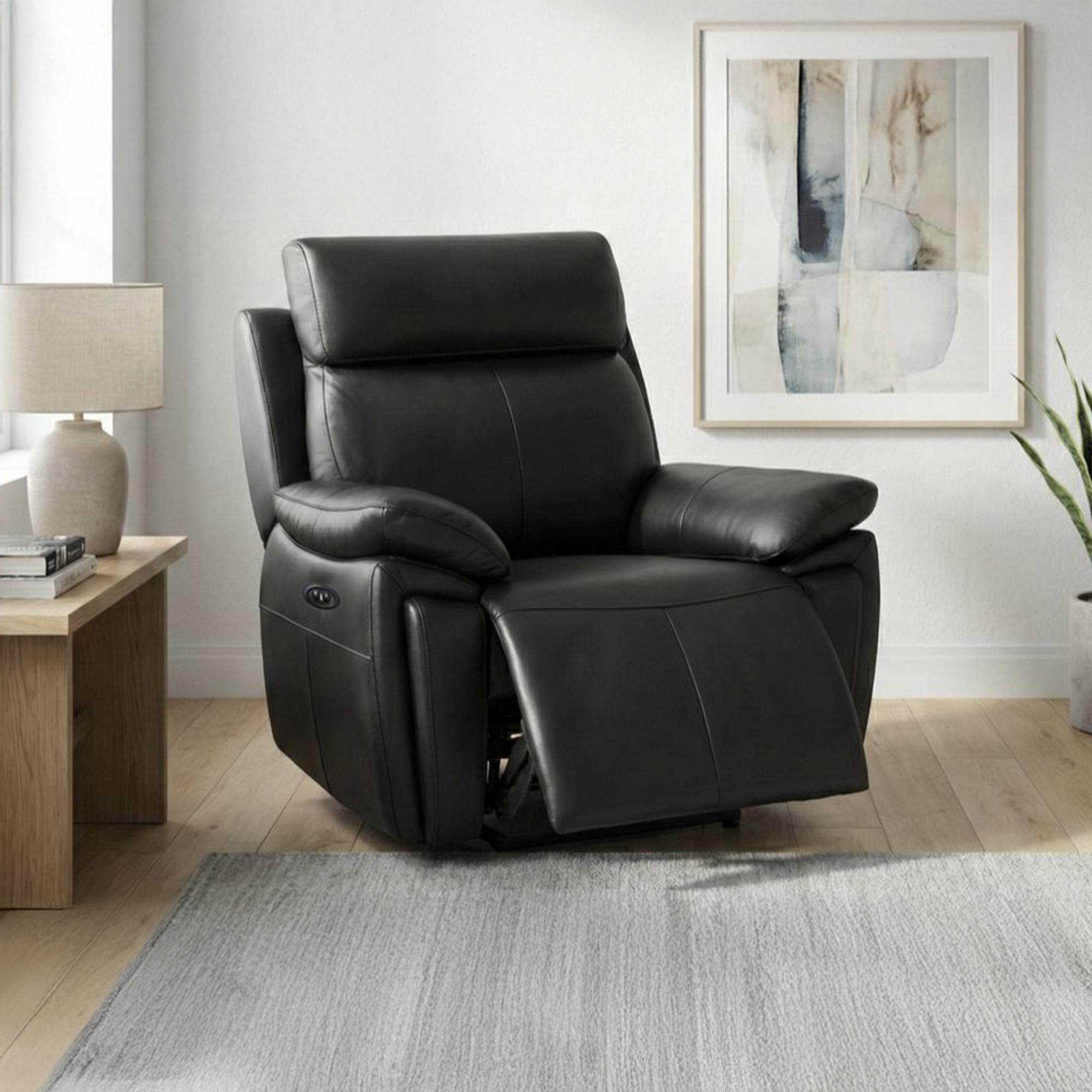
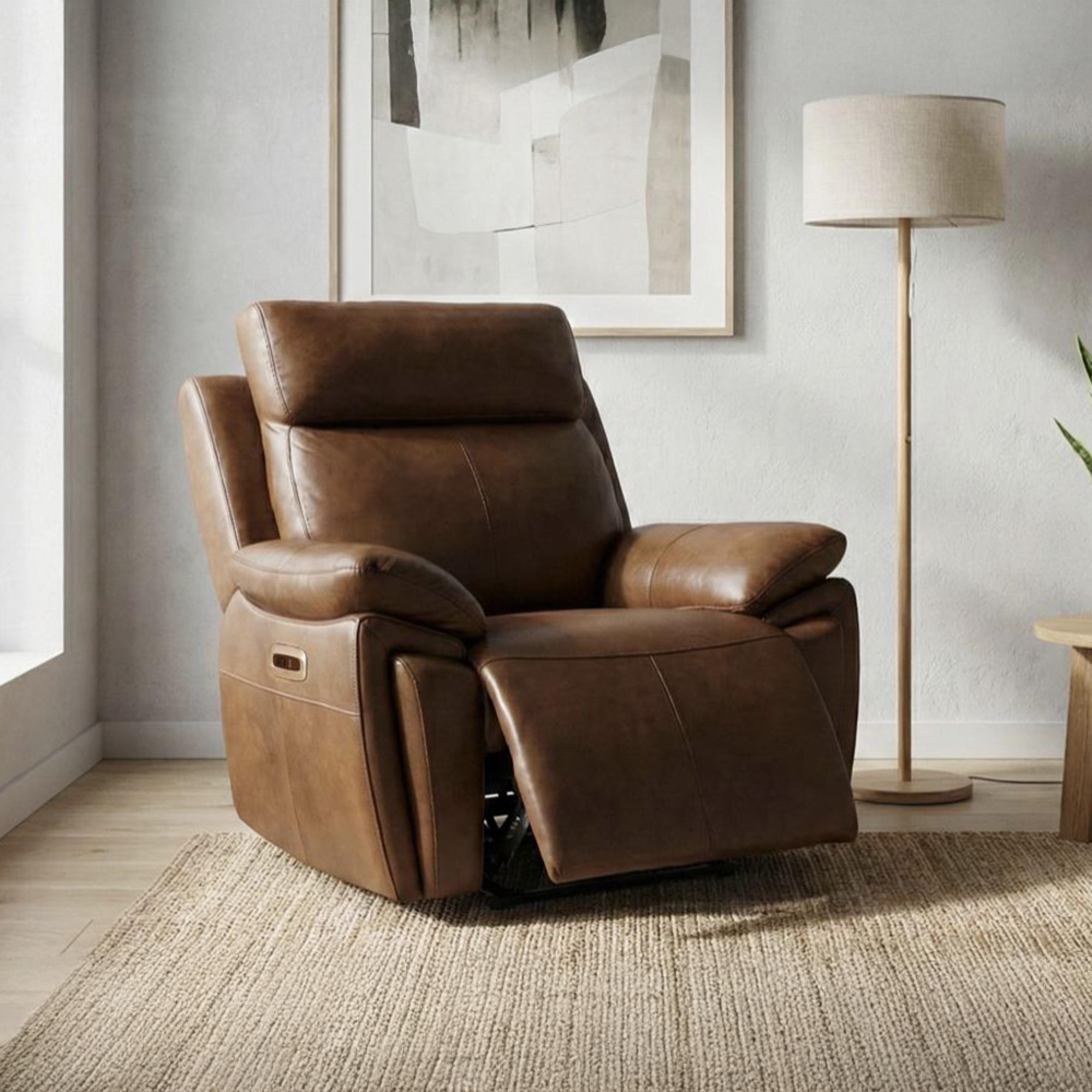
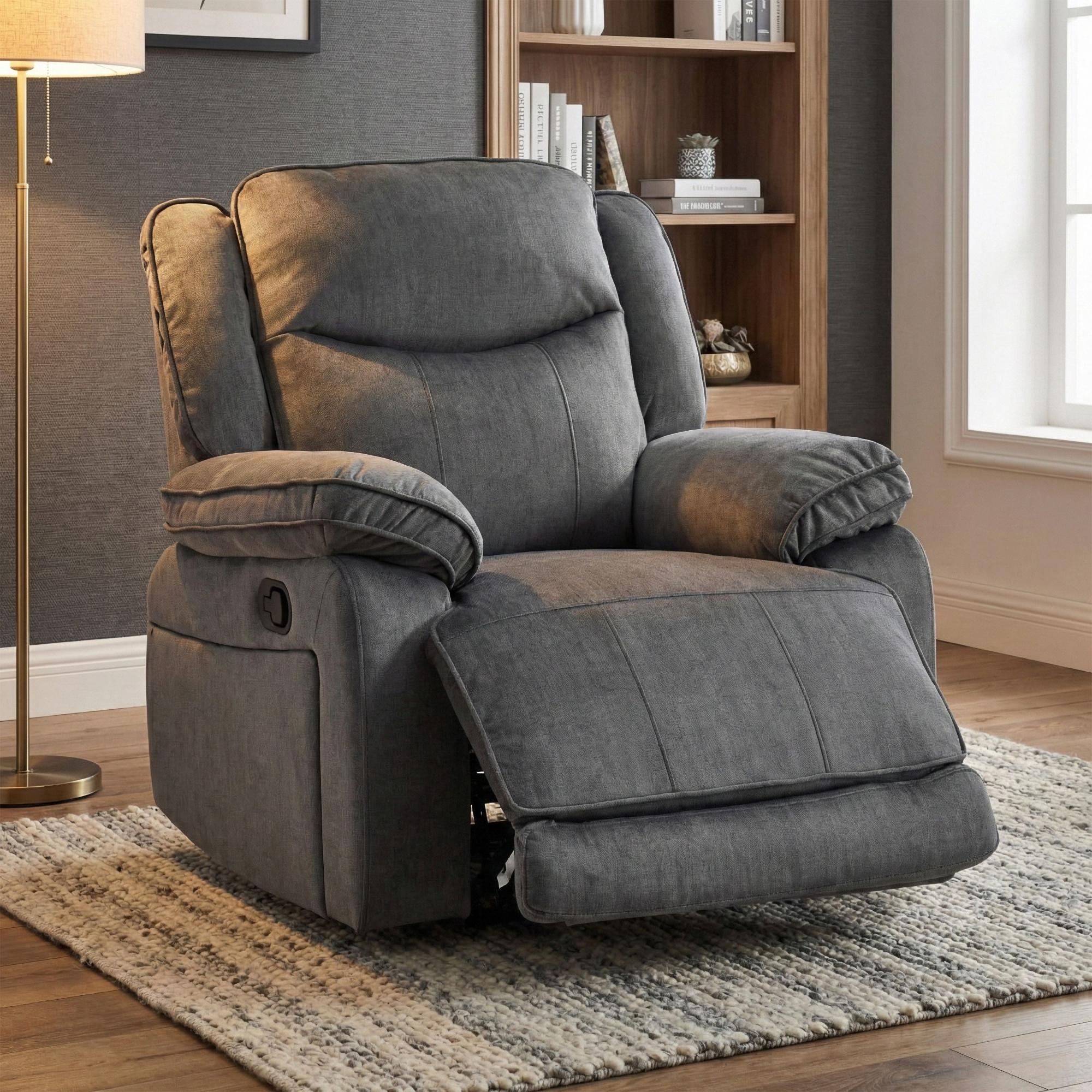
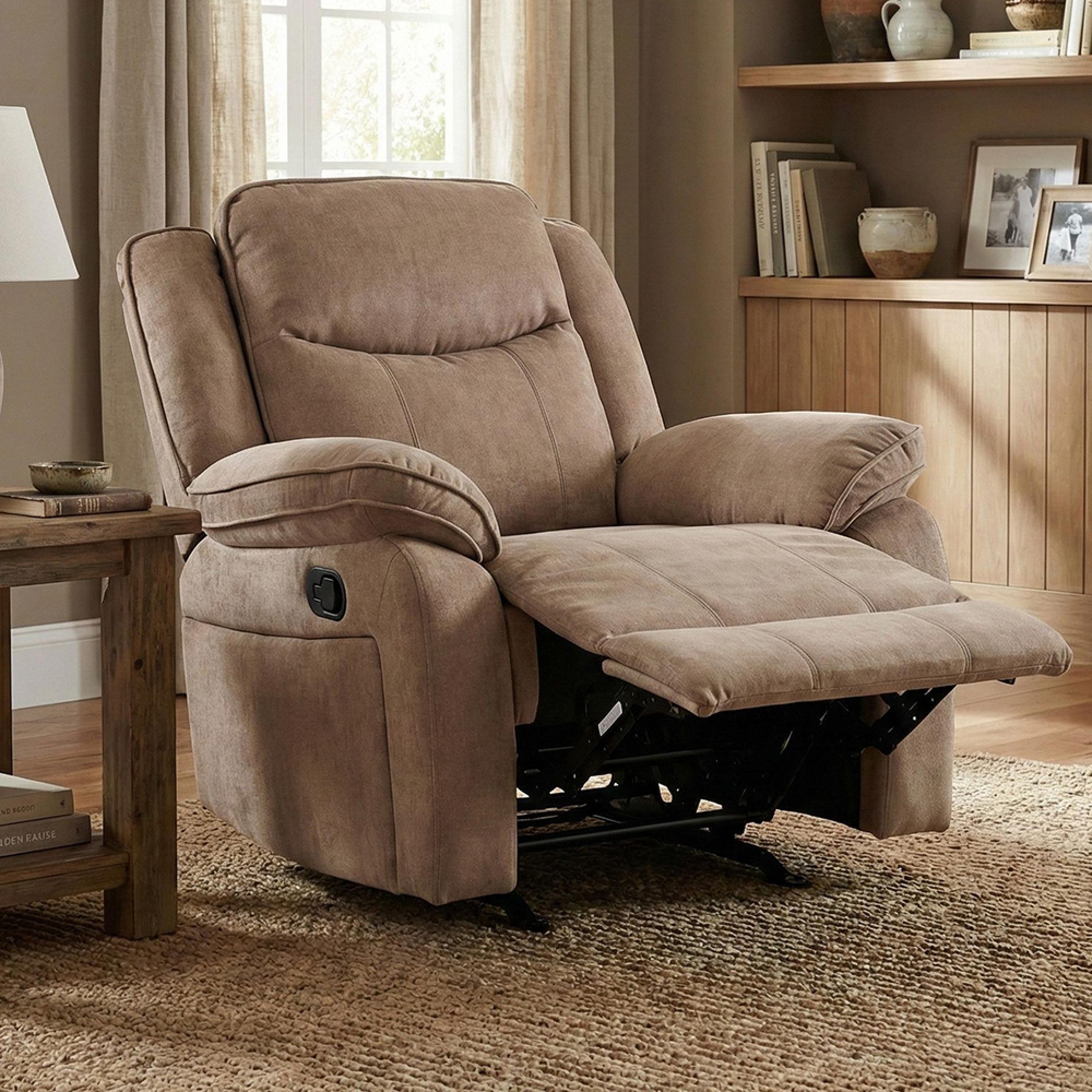
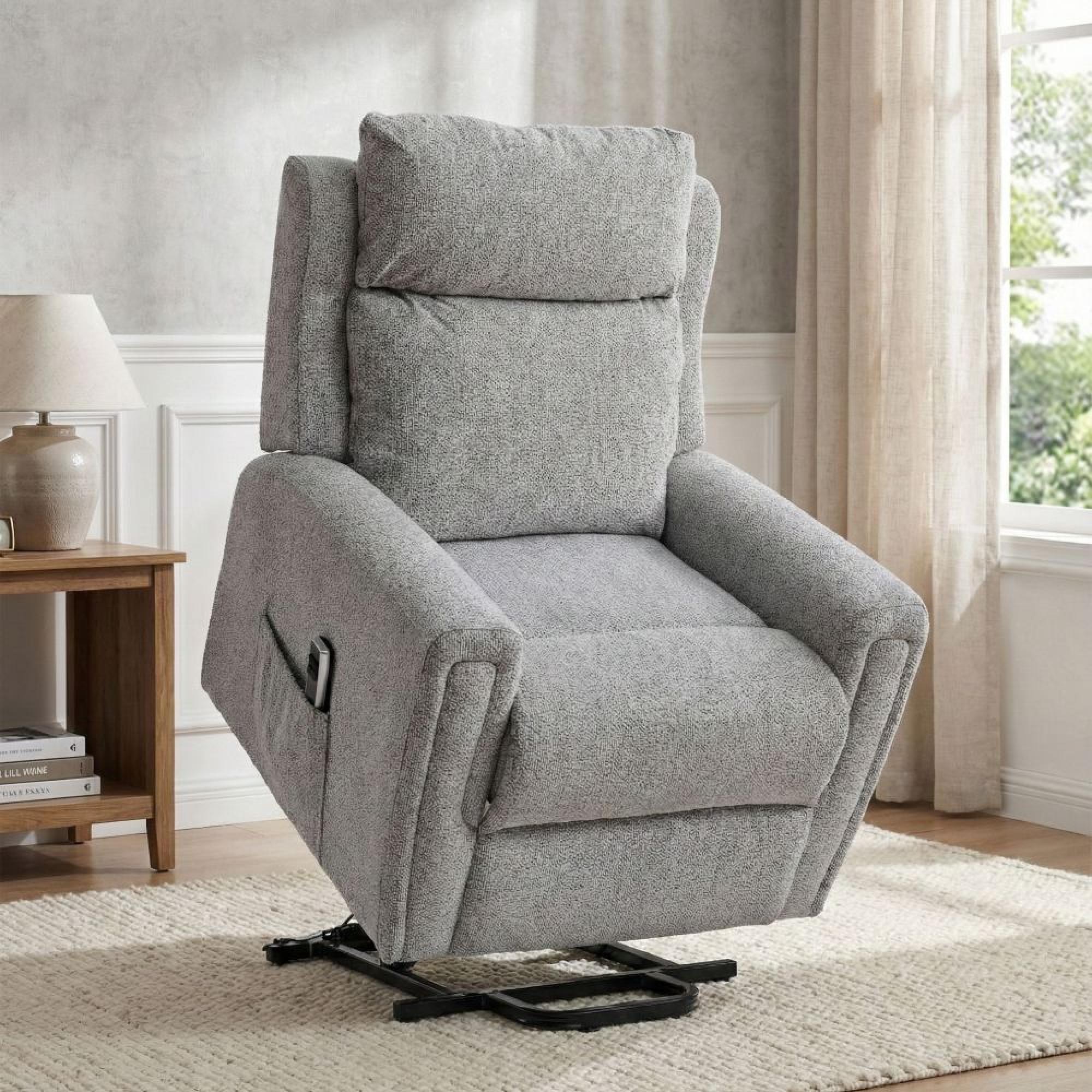
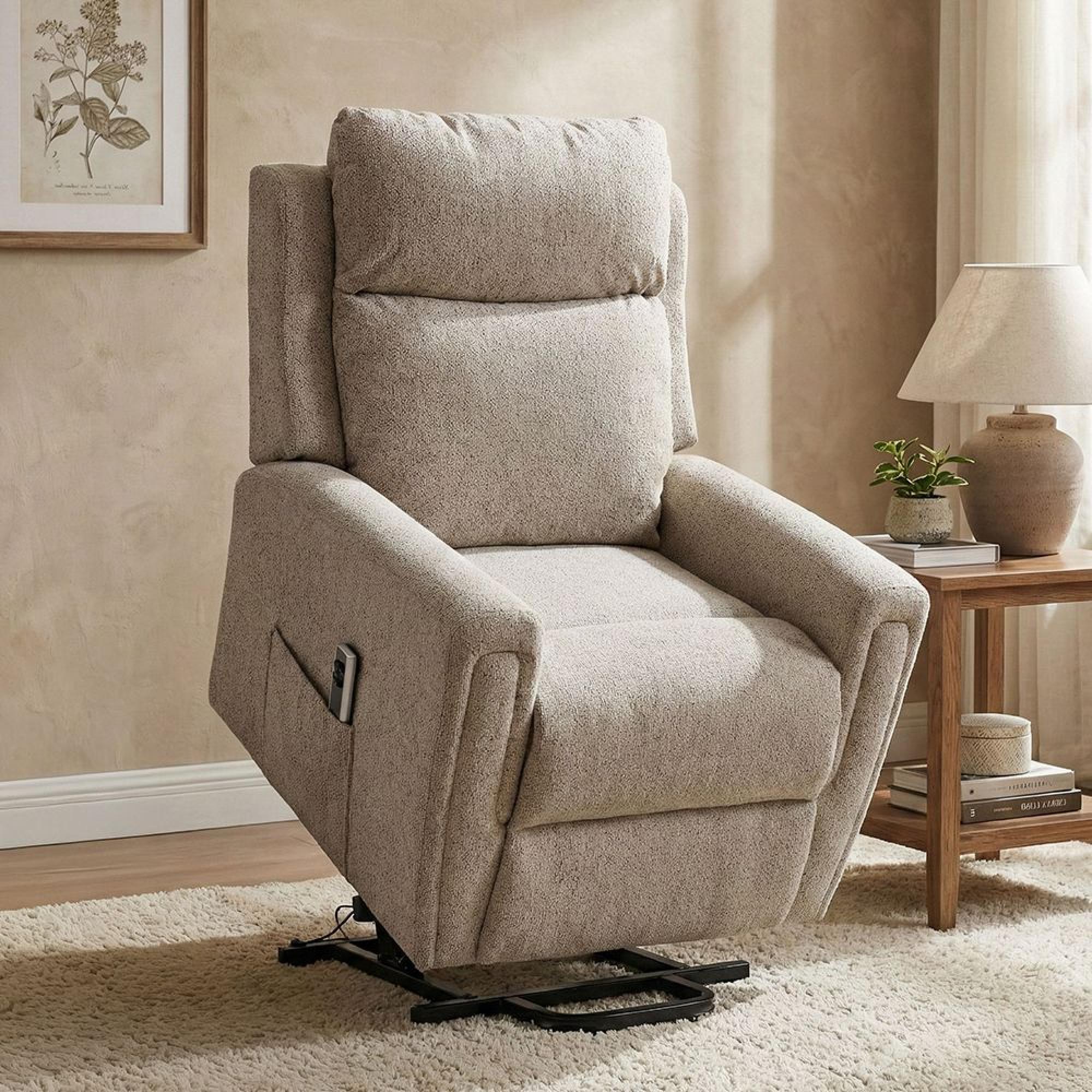
Recliners benefit older adults by offering adjustable positions that reduce pressure on joints and the lower back. Leg elevation and recline functions help ease pain and improve circulation, making them particularly valuable for those with mobility limitations or arthritis.

Power recliners justify their cost if you have mobility challenges or want effortless position adjustment. They offer more flexibility than manual recliners, reduce strain on shoulders and arms, and provide consistent support—ideal for daily use over many years.

Armchairs feature padded armrests for arm support, thicker cushioning, and deeper seats for extended lounging. Regular chairs typically lack armrests and offer minimal cushioning. Many armchairs include reclining features, whereas standard chairs remain stationary for upright sitting.

Comfort depends on seat height matching your leg length, armrest height supporting your arms at 90 degrees, and firm lumbar support. Choose cushioning that doesnt sag after extended use, ensure the seat depth lets feet touch the floor, and select breathable, durable fabric like linen or performance upholstery.

Prioritise ergonomic lumbar support, seat height between 41-48cm, and armrest height of 23-25cm. Select hard-wearing fabric suited to your lifestyle, check weight capacity, and verify the style complements existing furniture. Measure doorways and hallways before purchasing to ensure delivery fits.

Create cohesion by selecting armchairs in complementary colours or the same fabric as your sofa. Alternatively, choose contrasting tones—pair a light sofa with a darker chair in navy, charcoal, or burgundy for visual interest. Mixing patterns works if they share a common colour palette.

Balance your space by choosing an accent chair in a contrasting tone to your sofa. If your sofa is light, select a deeper shade like navy or forest green. Conversely, a dark sofa pairs well with a lighter chair in cream or soft grey, creating visual depth.

Choose armchairs no wider than 80cm and no deeper than 85cm for compact spaces. Look for high-backed designs that create vertical visual interest without consuming floor space. Swivel or gliding armchairs maximise functionality, and light-coloured upholstery makes rooms feel larger.

Vacuum weekly using an upholstery brush to remove dust and crumbs. Treat spills immediately by blotting with a damp cloth—avoid rubbing. For stains, use a mild soap solution or upholstery cleaner appropriate to your fabric type. Rotate cushions monthly and air the chair in sunlight seasonally.

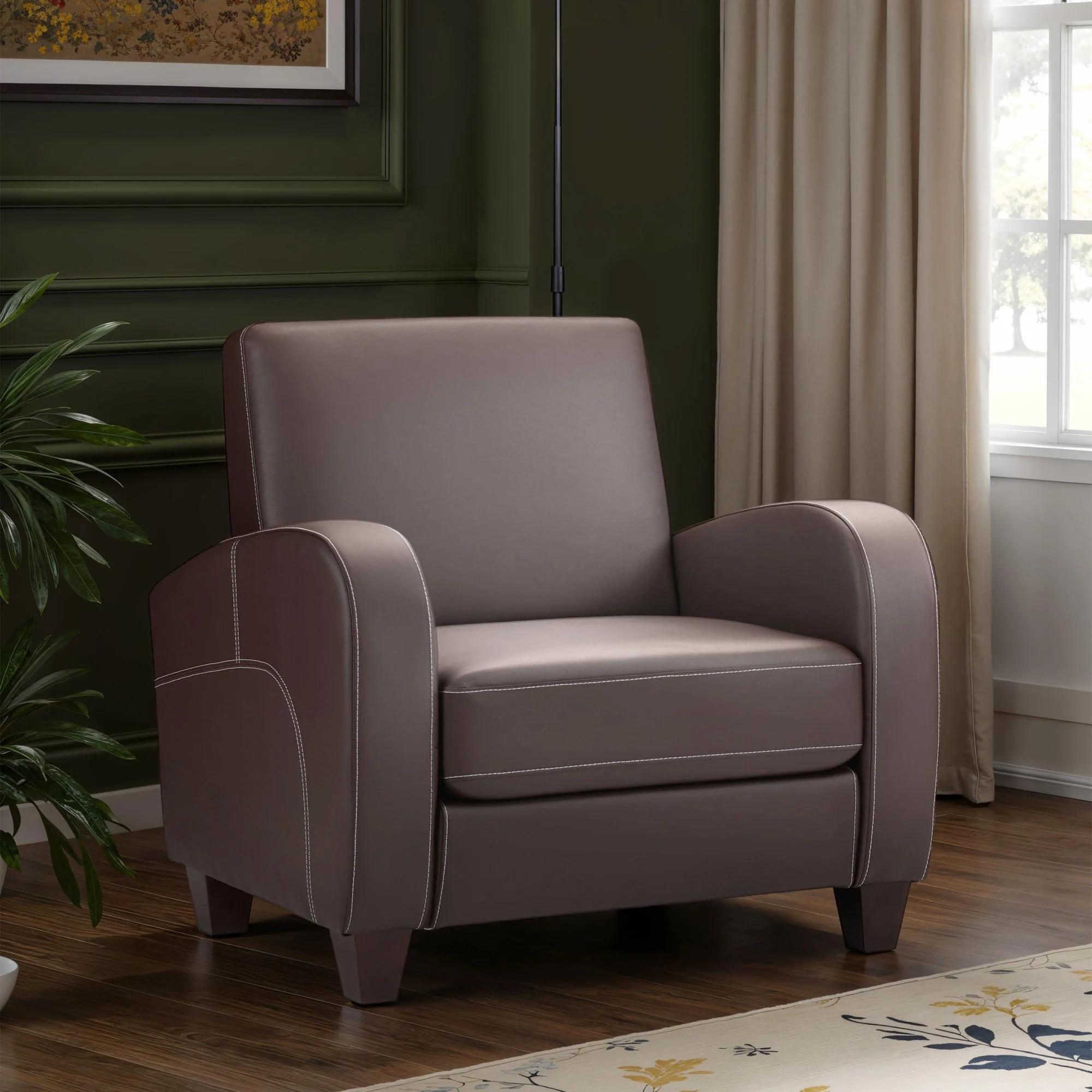
Leather armchairs are more durable, water-resistant, and easier to clean, but costlier and less breathable in warm weather. Fabric armchairs offer better comfort, breathability, and affordability, though they require more frequent vacuuming and are prone to staining. Choose based on lifestyle and climate needs.

Footstools enhance comfort by supporting your legs and improving circulation during extended sitting. Theyre ideal if you suffer from lower back pain or poor circulation. Separate footstools offer flexibility—you can position them independently or move them elsewhere, making them more practical than fixed Ottoman designs.
Top