Free Delivery All Over UK*
close
Top products
SHOW ALL PRODUCTS

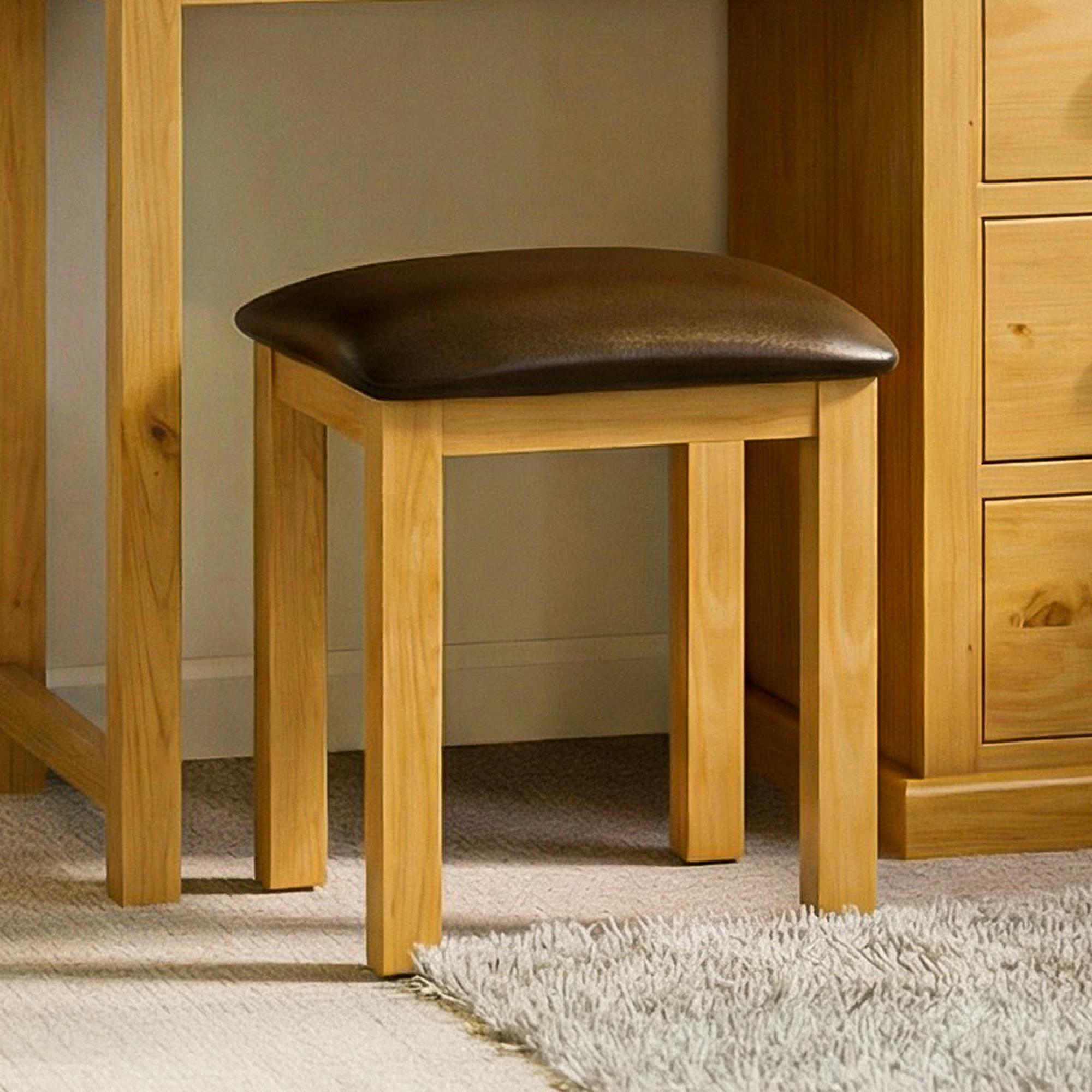
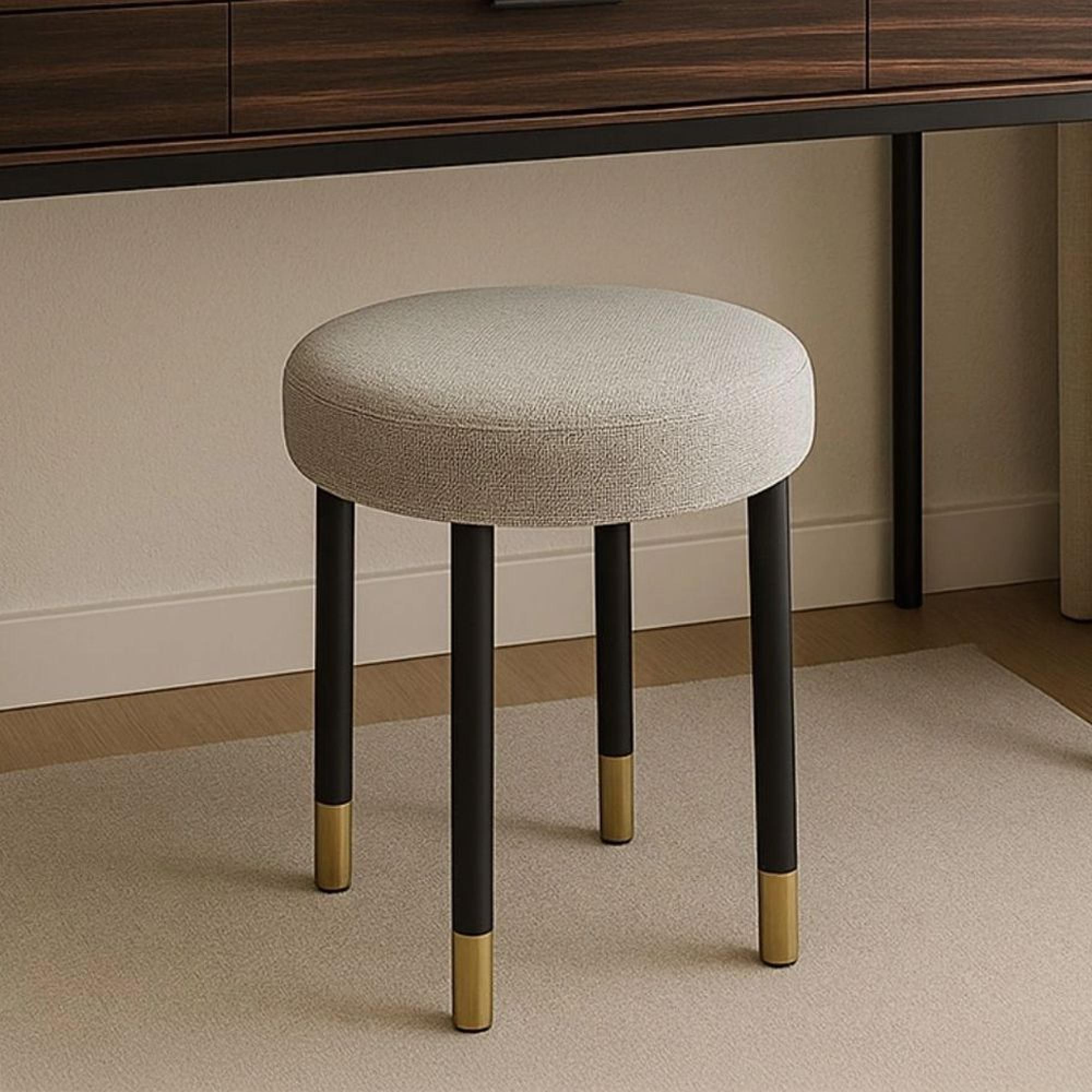
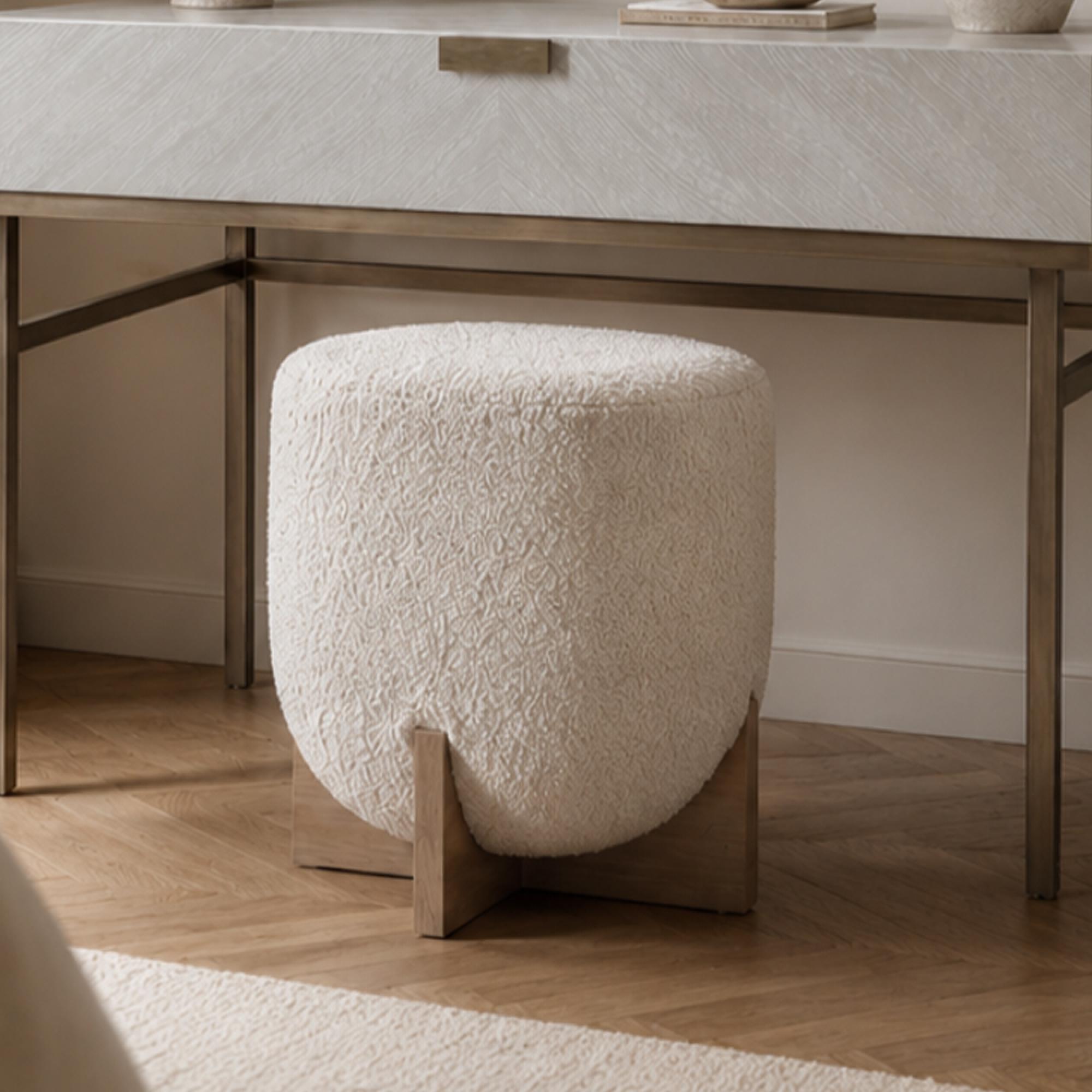
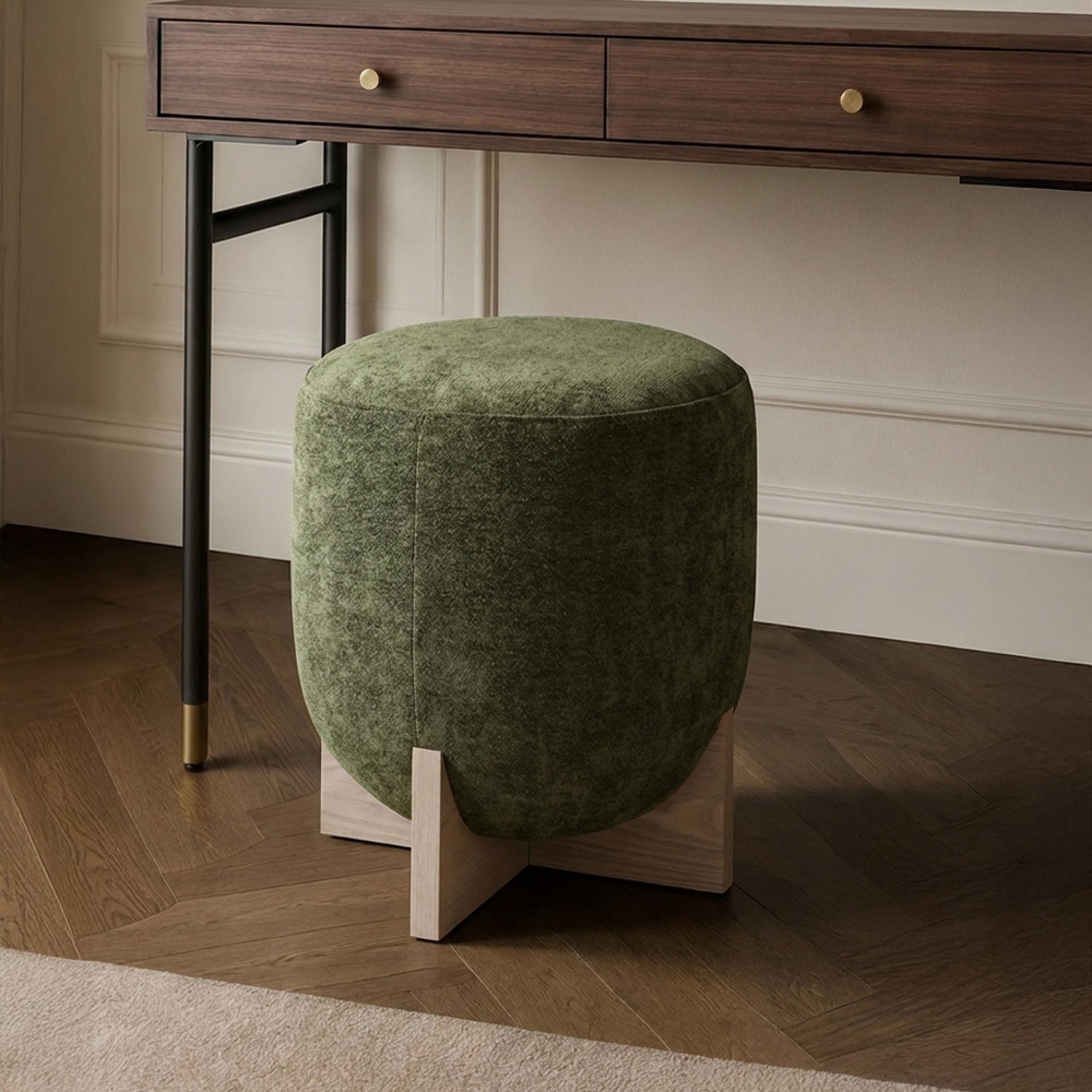
Bedroom Stools

Found 174 Items

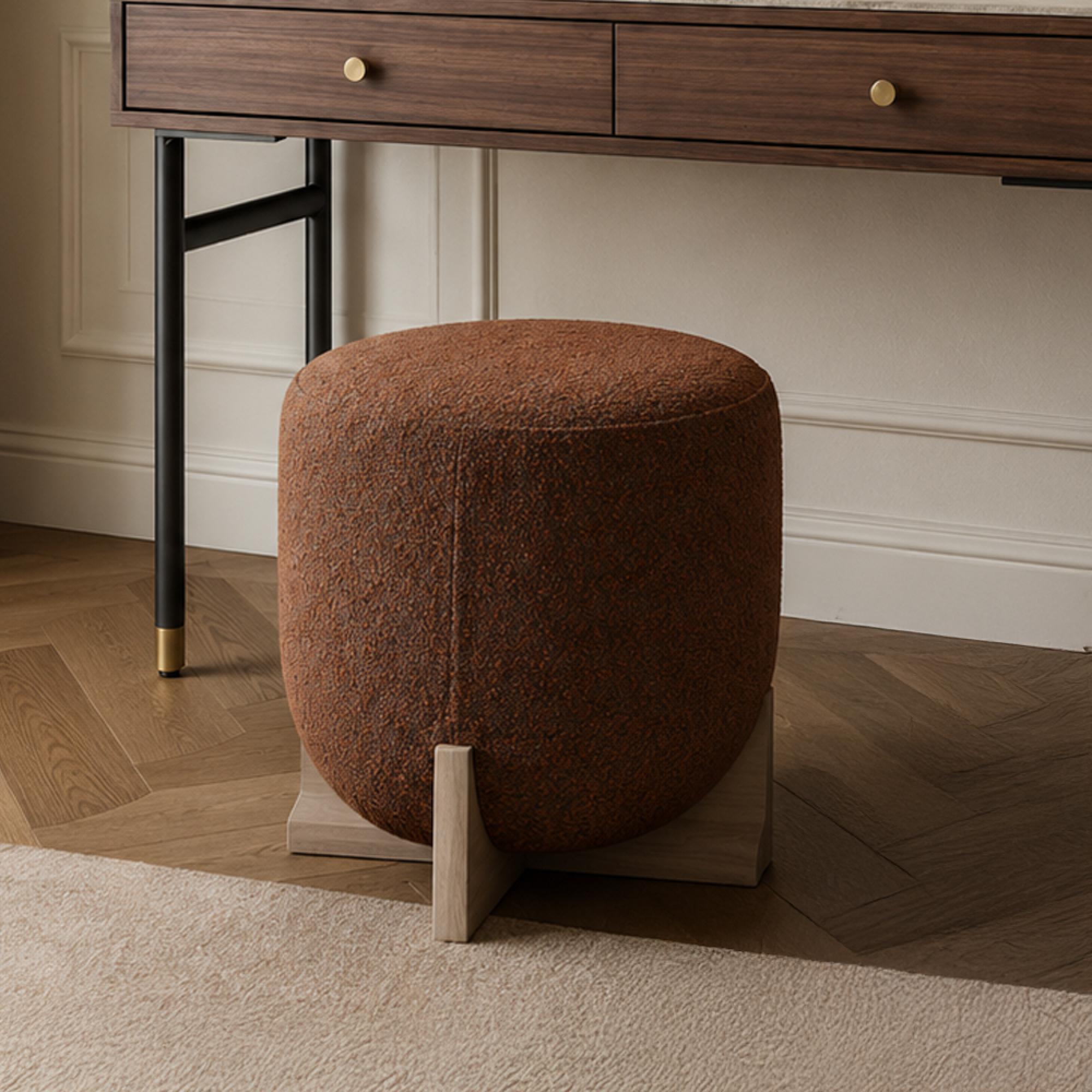
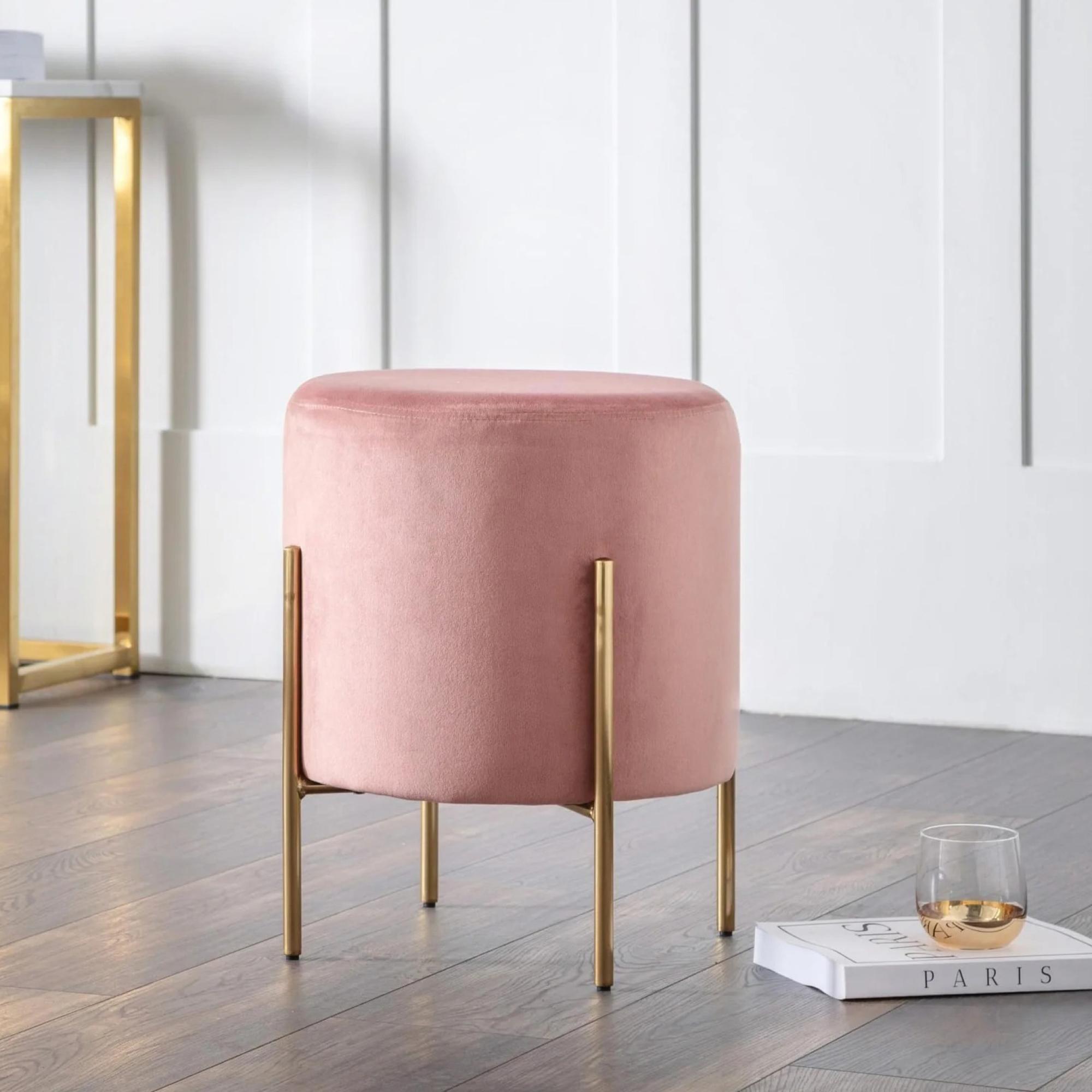
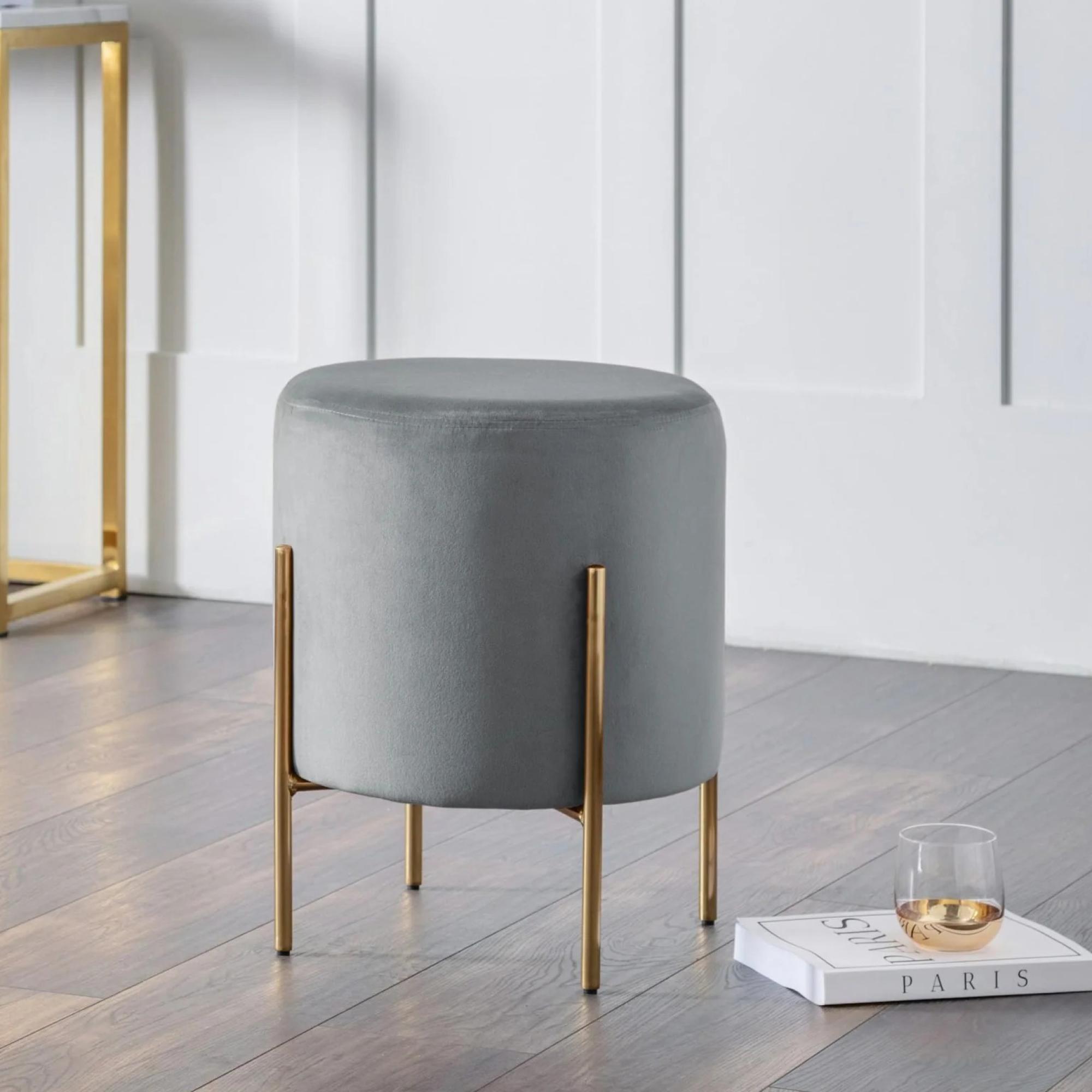
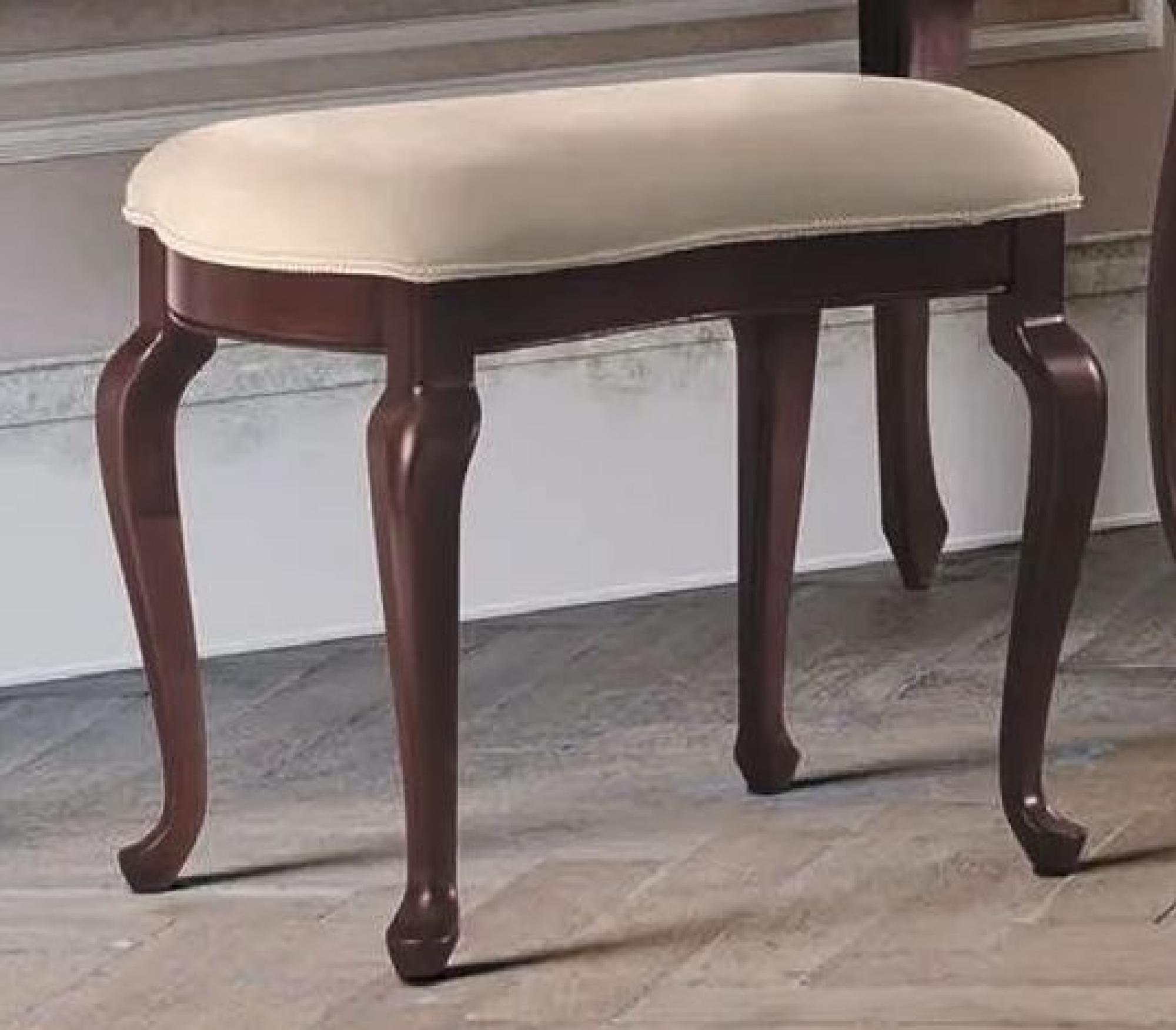
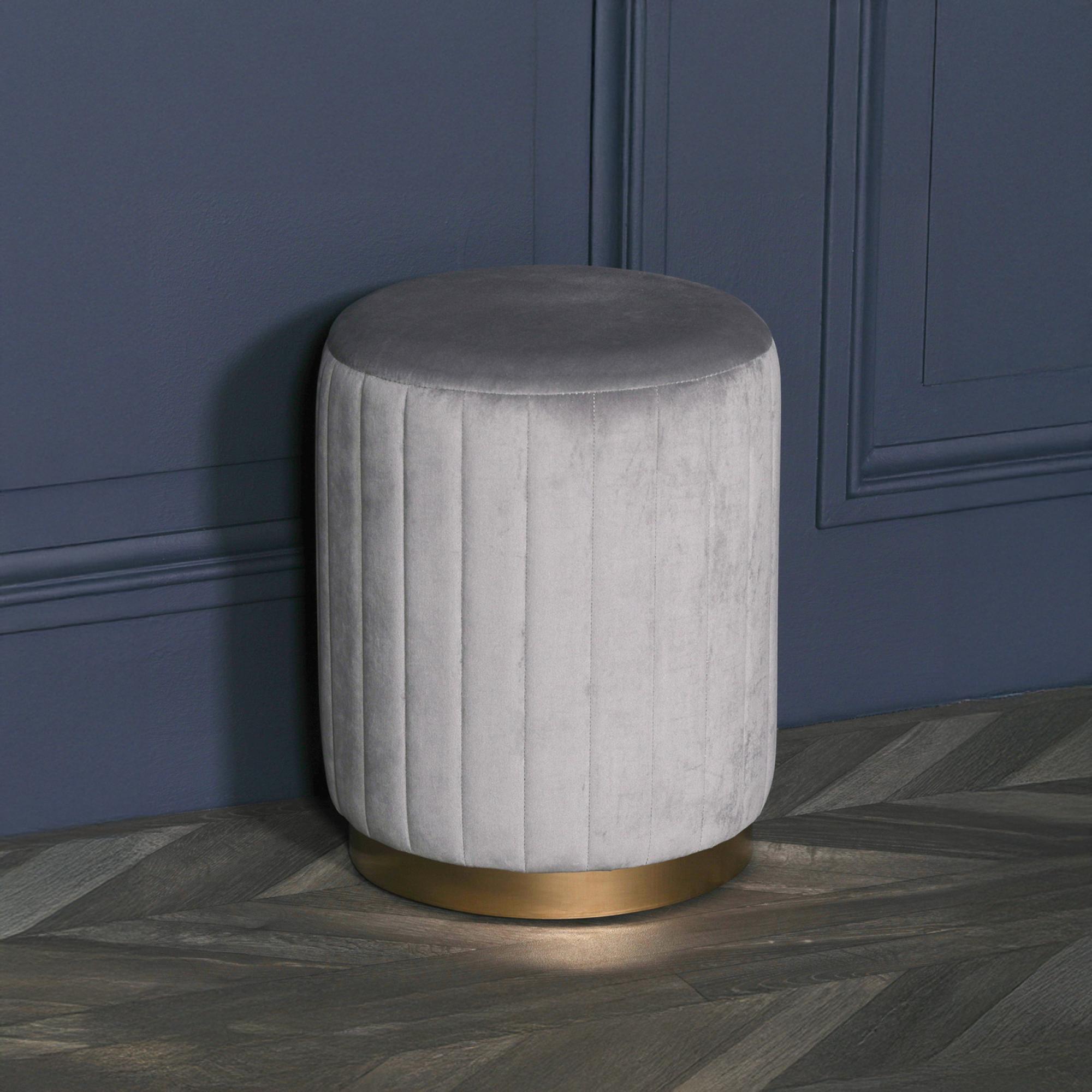
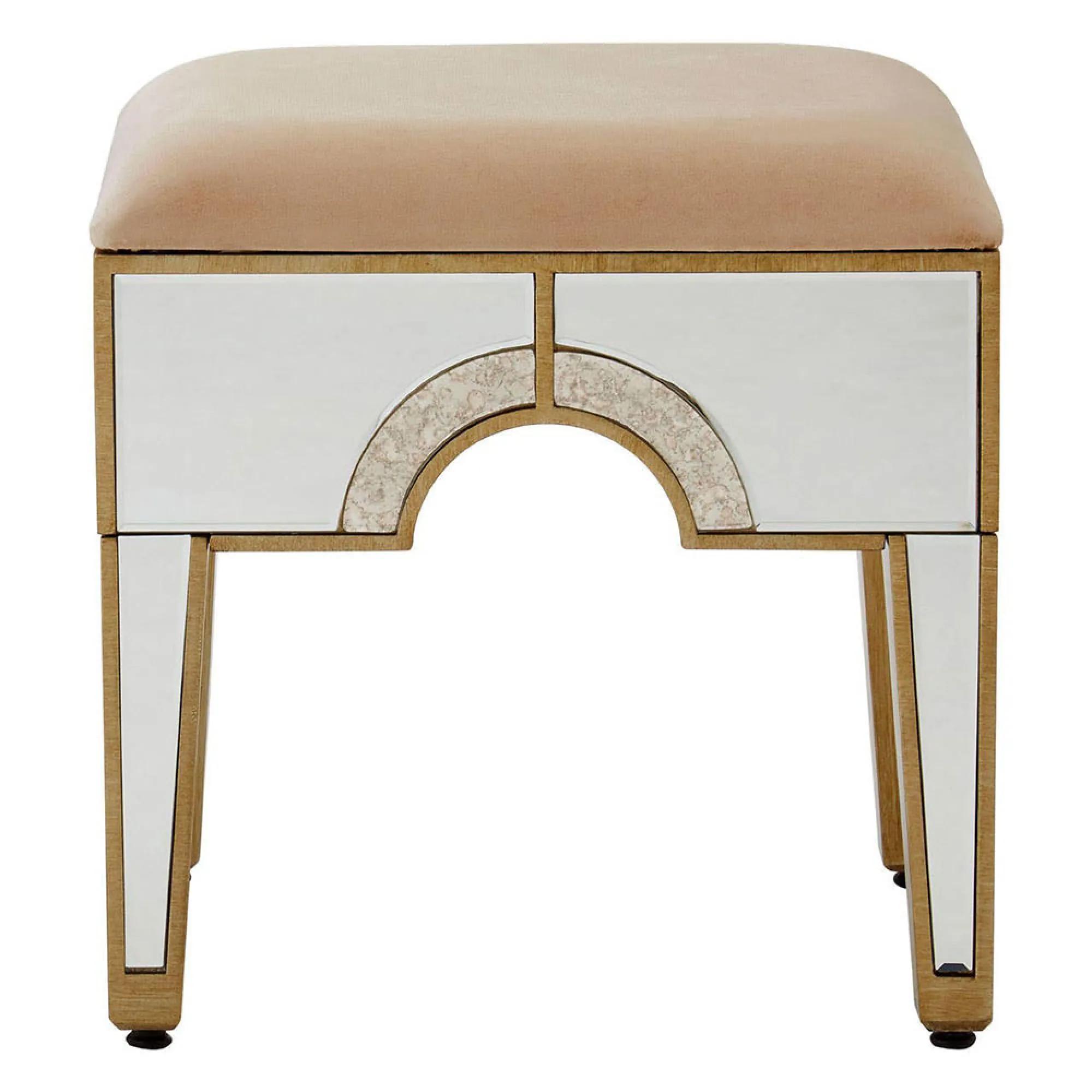
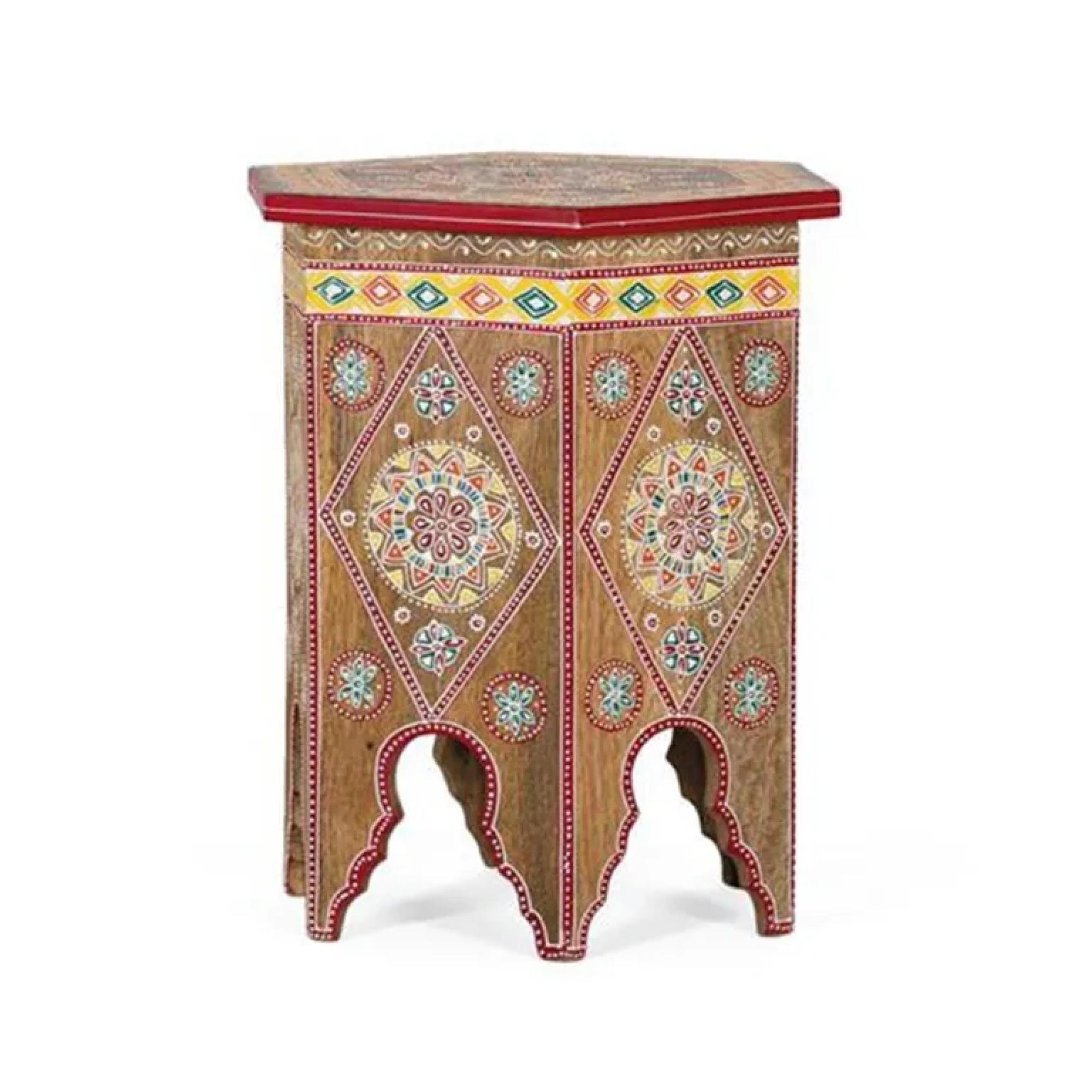
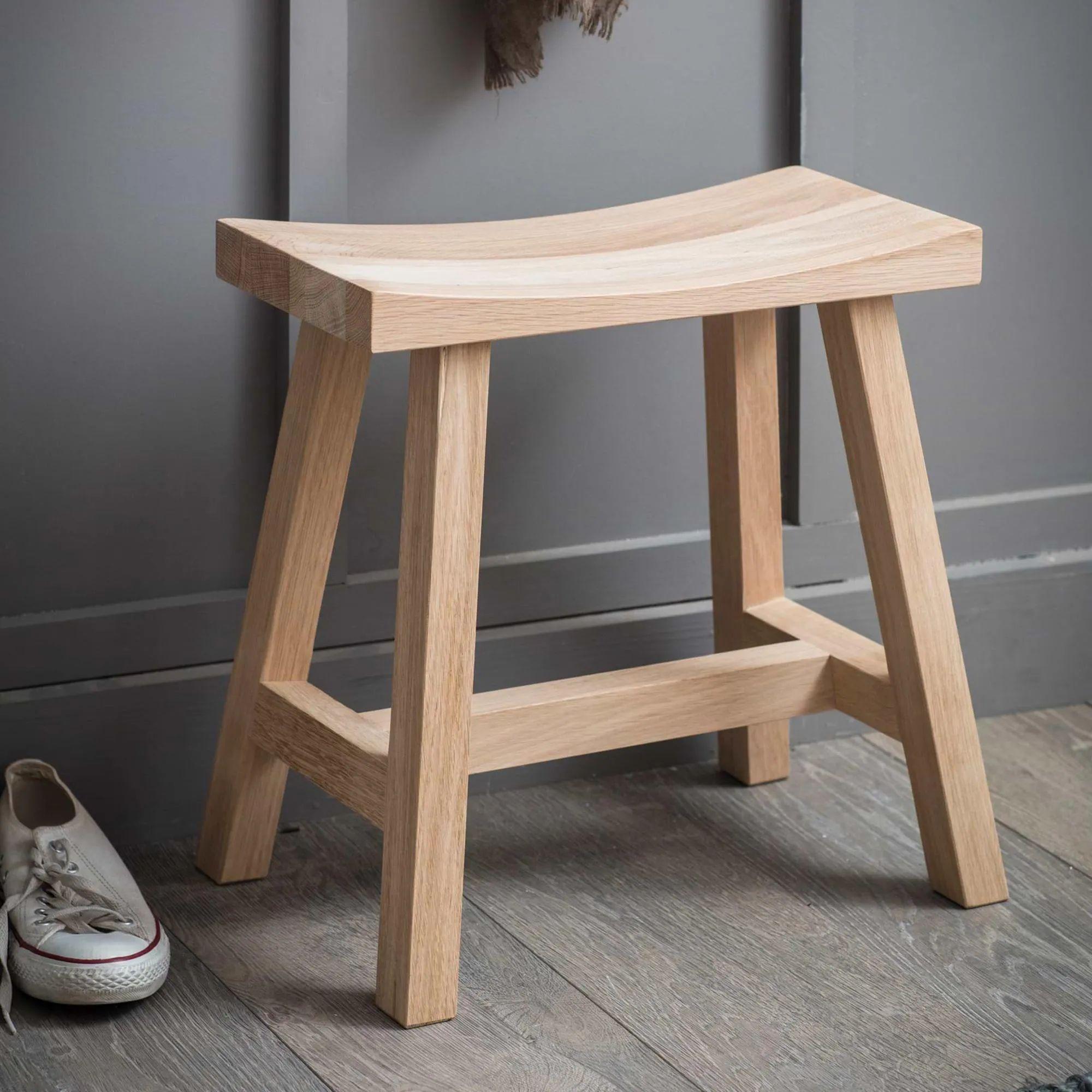
Use the Bedroom Stools category to compare choices that create a calmer, better-organised setting for rest and daily routines. Compare room size, storage needs, bed position, finish, access and coordinated pieces to identify the right balance of appearance and function. Plan the bed first, then use the remaining wall and floor space for storage. Check each product page for exact dimensions, construction, finish, assembly and care information before making a final choice.
Read more X Close

Price

Shape

Material

Finish

Colour

  • Beige
  • Black
  • Blue
  • Brown
  • Cream
  • Green
  • Grey
  • Orange
  • Pink
  • Taupe
  • White
  • Yellow

39 Products of 174

Load More..

Choosing Bedroom Stools

This category focuses on Bedroom Stools that can create a calmer, better-organised setting for rest and daily routines. Start with the room layout and daily use, then compare room size, storage needs, bed position, finish, access and coordinated pieces. Function and visual balance both matter, so compare the complete specification rather than choosing on appearance alone. This keeps the decision focused on practical suitability as well as style.

Plan the space before choosing

Plan the bed first, then use the remaining wall and floor space for storage. Record the available width, depth and height, including clearance for doors, drawers, reclining parts or extensions where relevant. Account for skirting boards, radiators, sockets and walking routes, then check the access route through doors, halls and stairs.

For adjacent choices, explore Bedroom Furniture, Black Bedroom Stools and Oak Bedroom Stools. Use these comparisons alongside the specifications on each product page.

Bedroom Stools for considered interiors

The Bedroom Stools category focuses on choices intended to create a calmer, better-organised setting for rest and daily routines. A suitable option should respond to the room's proportions, surrounding furniture and practical demands of everyday use. Use the category wording as a starting point, then verify the exact material, finish and features shown on each product page.

Material, finish and construction

When comparing bedroom furniture, look closely at room size, storage needs, bed position, finish, access and coordinated pieces. Materials influence appearance, weight and maintenance, while finish affects colour coordination and day-to-day care. Use the written specification to confirm construction and care requirements.

Function and room planning

Plan the bed first, then use the remaining wall and floor space for storage. Mark out the footprint and consider how people move around it. Where a product opens, extends, swivels or reclines, include that working clearance. For storage, seating or sleeping products, match the layout, support and capacity to the needs of regular users.

Creating a coordinated result

Build the room around a clear relationship between scale, colour and material. Matching every finish is not essential, but repeating one or two elements can connect separate pieces. You can also compare Bedroom Furniture, Black Bedroom Stools and Oak Bedroom Stools for closely related room and product choices. Use the individual listing to confirm dimensions, included components, assembly and suitability.
Read more X Close

FAQs on Bedroom Stools

What should I look for when buying a bedroom stool?

Choose a stool that fits your space and intended use. Consider weight capacity (typically 100-150kg), seat height relative to your bed or dressing table, and whether you need storage. Check material durability and colour coordination with existing bedroom furniture.

Bedroom stools seat one person and work well at vanities or bedside. Benches are longer, accommodate multiple people, and typically suit the foot of a bed. Benches often provide more storage options than compact stools.

Measure the height from floor to your dressing table or bed edge—stools should be 30-50cm tall. Check available floor space (most stools need 45-60cm width). Ensure at least 15cm clearance around it for comfortable movement and aesthetic balance.

Upholstered stools offer comfort and style; leather or fabric resists stains. Solid wood provides durability and timeless appeal. Metal frames suit modern schemes. Choose based on your décor, cleaning tolerance, and how often youll use it for sitting versus decoration.

Storage stools maximise functionality in smaller bedrooms, holding blankets, linens, or seasonal items. They cost slightly more than standard stools but eliminate the need for separate storage furniture. Choose one if your bedroom lacks built-in storage or extra cupboard space.

Yes, compact stools (under 50cm wide) work well in small bedrooms when placed at the foot of the bed or beside a dressing table. Choose slim designs without bulky frames. Upholstered or storage stools double function, maximising limited space efficiently.

Neutral shades—cream, grey, or soft beige—complement any bedroom style. Alternatively, choose a stool matching your bed frame or accent wall. Deep charcoal or navy suits contemporary schemes, whilst natural wood tones work with traditional or Scandinavian designs.

Dust regularly with a soft cloth. For upholstered stools, vacuum gently and spot-clean with mild soap solution. Leather requires conditioning cream every 6-12 months. Wooden stools need occasional polish. Check manufacturer guidance for specific material care instructions.

Bedroom stools work in bathrooms as towel holders, entryways for shoe changes, dressing rooms, or home offices. Consider style compatibility—modern upholstered stools suit living areas, whilst wooden designs fit hallways or studies. Verify weight capacity for intended use.

Most bedroom stools safely support 100-150kg. Check the manufacturers specifications before purchase, particularly if its for everyday sitting. Storage stools sometimes have lower capacities (80-120kg) due to internal compartments, so verify before ordering.

Matching isnt essential but creates visual cohesion. Coordinate materials (wood stool with wooden bed) or colours (grey stool with grey headboard) for a unified look. Alternatively, use contrast deliberately—a patterned stool against a plain bed adds personality.

Stools should be 30-50cm tall, typically 5-10cm lower than your dressing table or bed height. This allows comfortable sitting and easy access. Measure your furniture before ordering. Adjustable-height stools suit varied uses but cost more than fixed designs.
Top