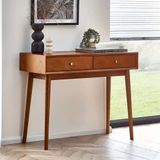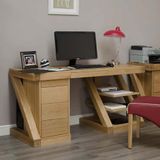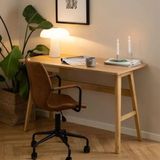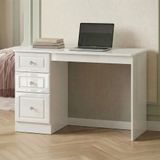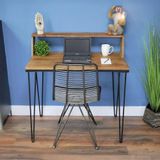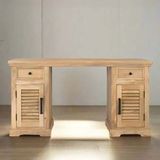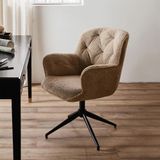


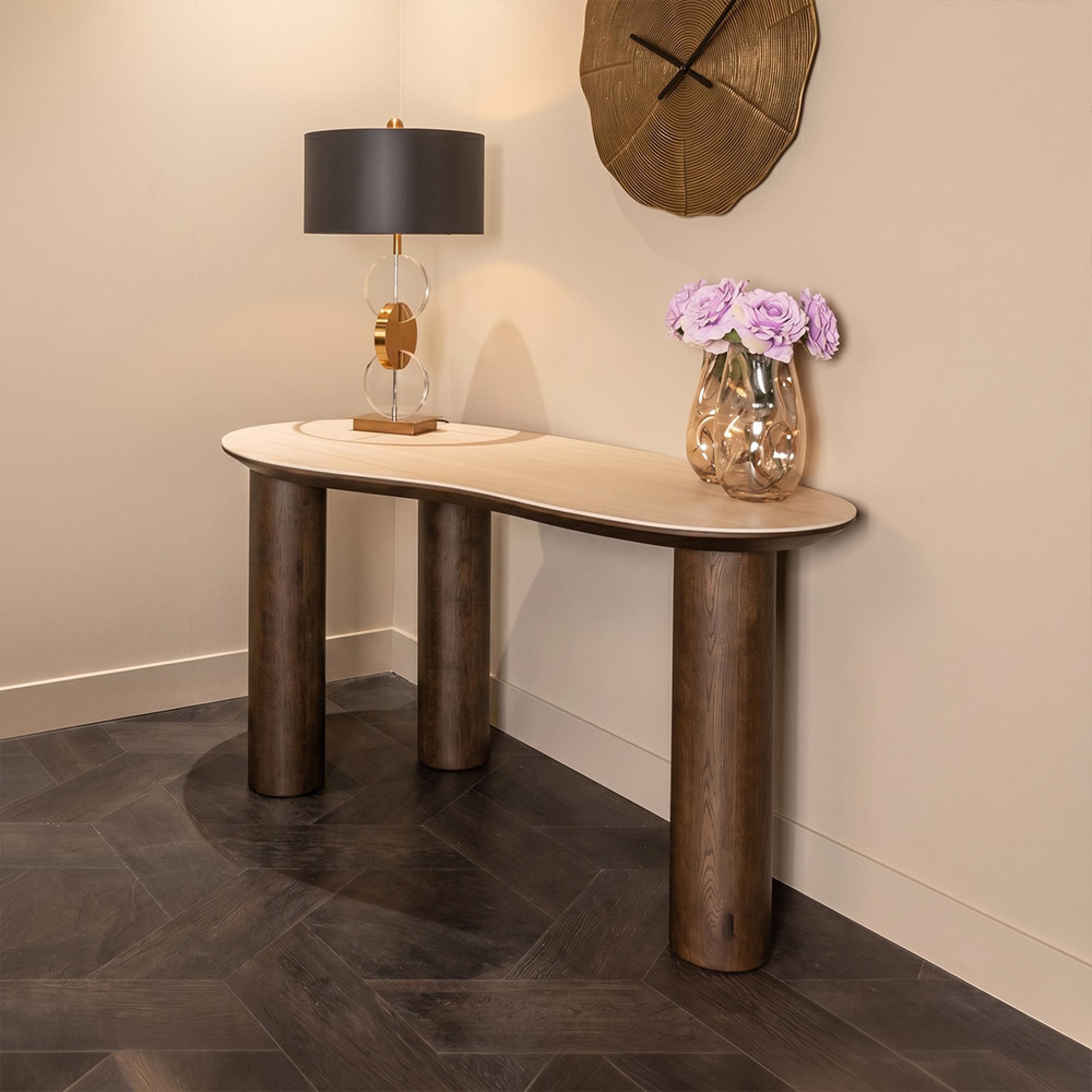
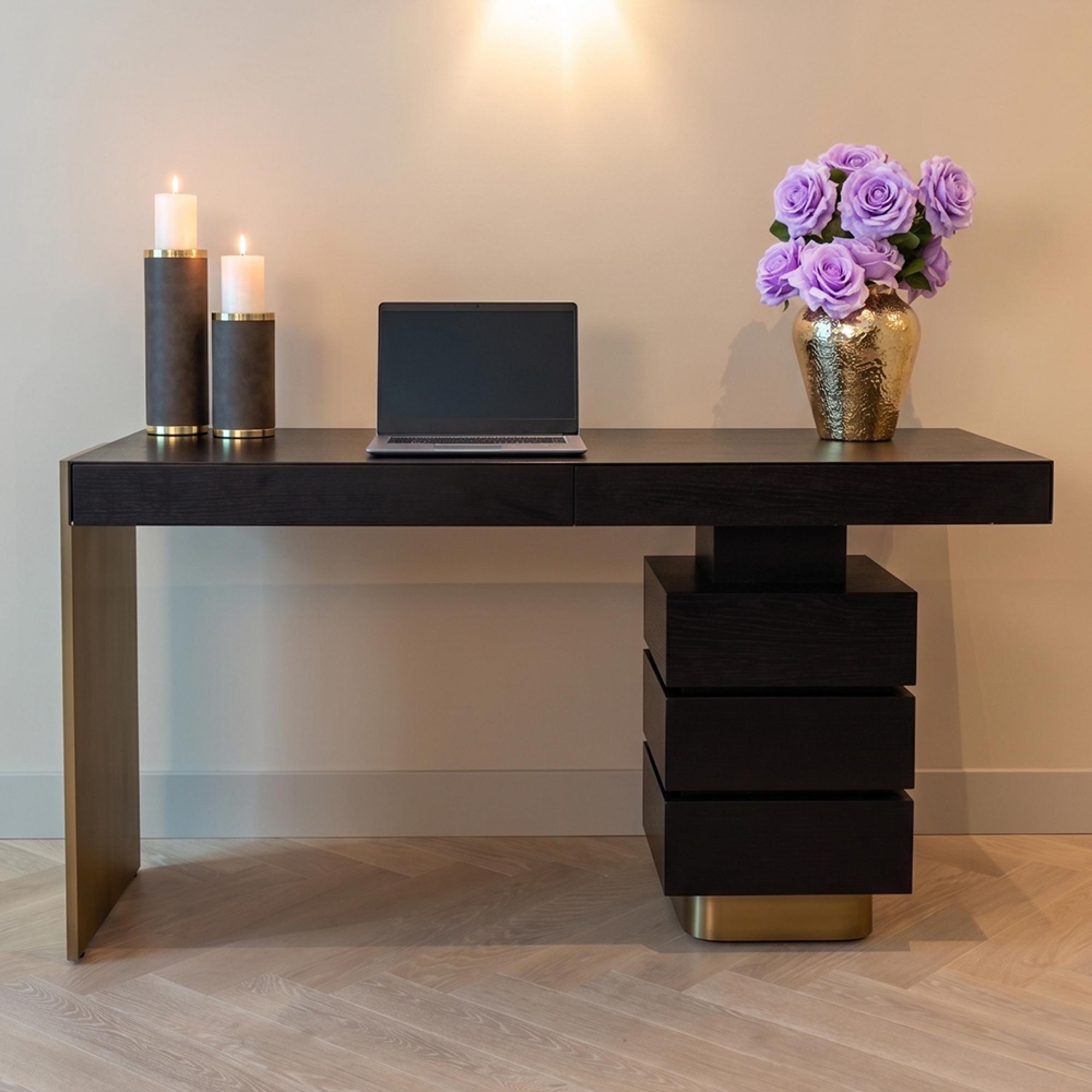
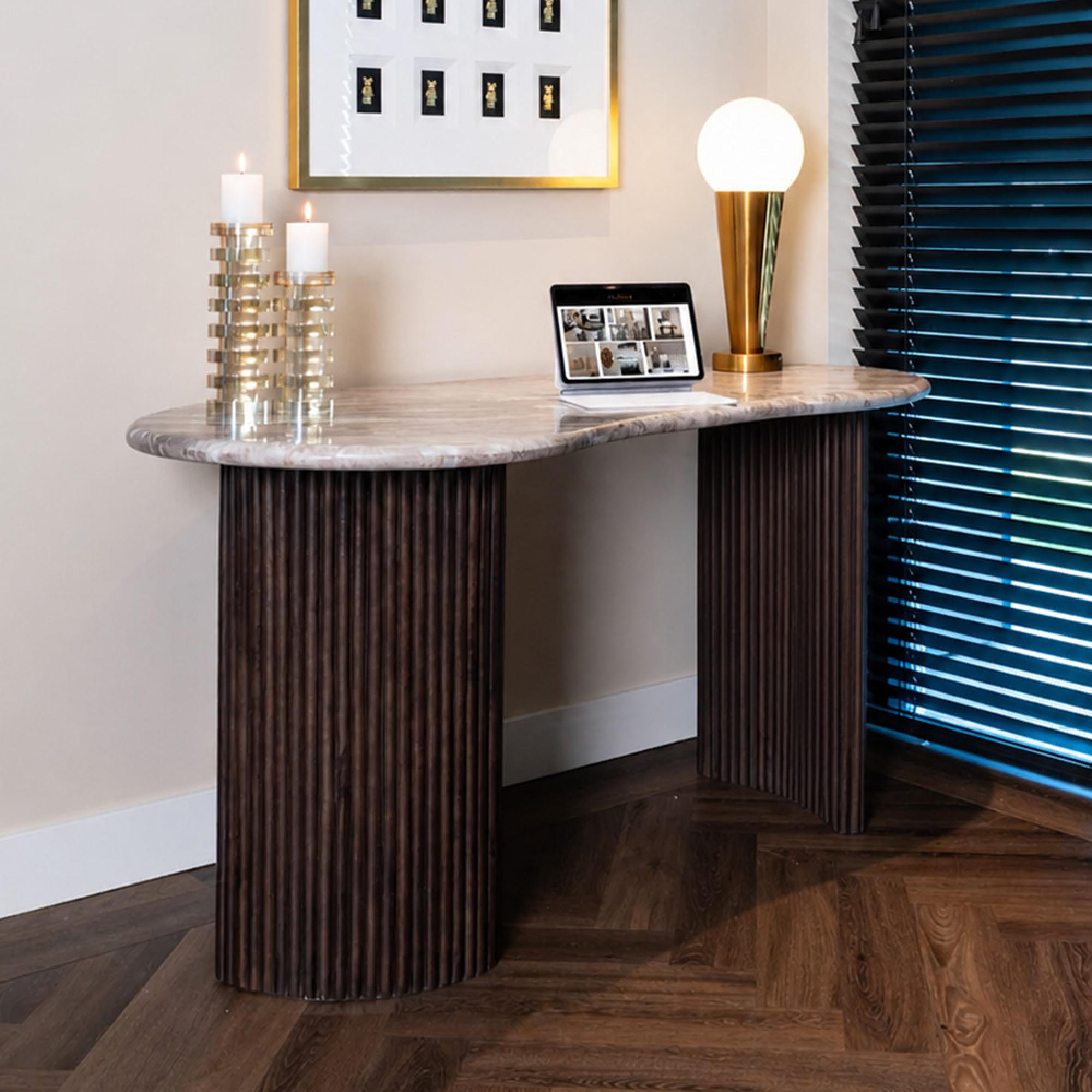
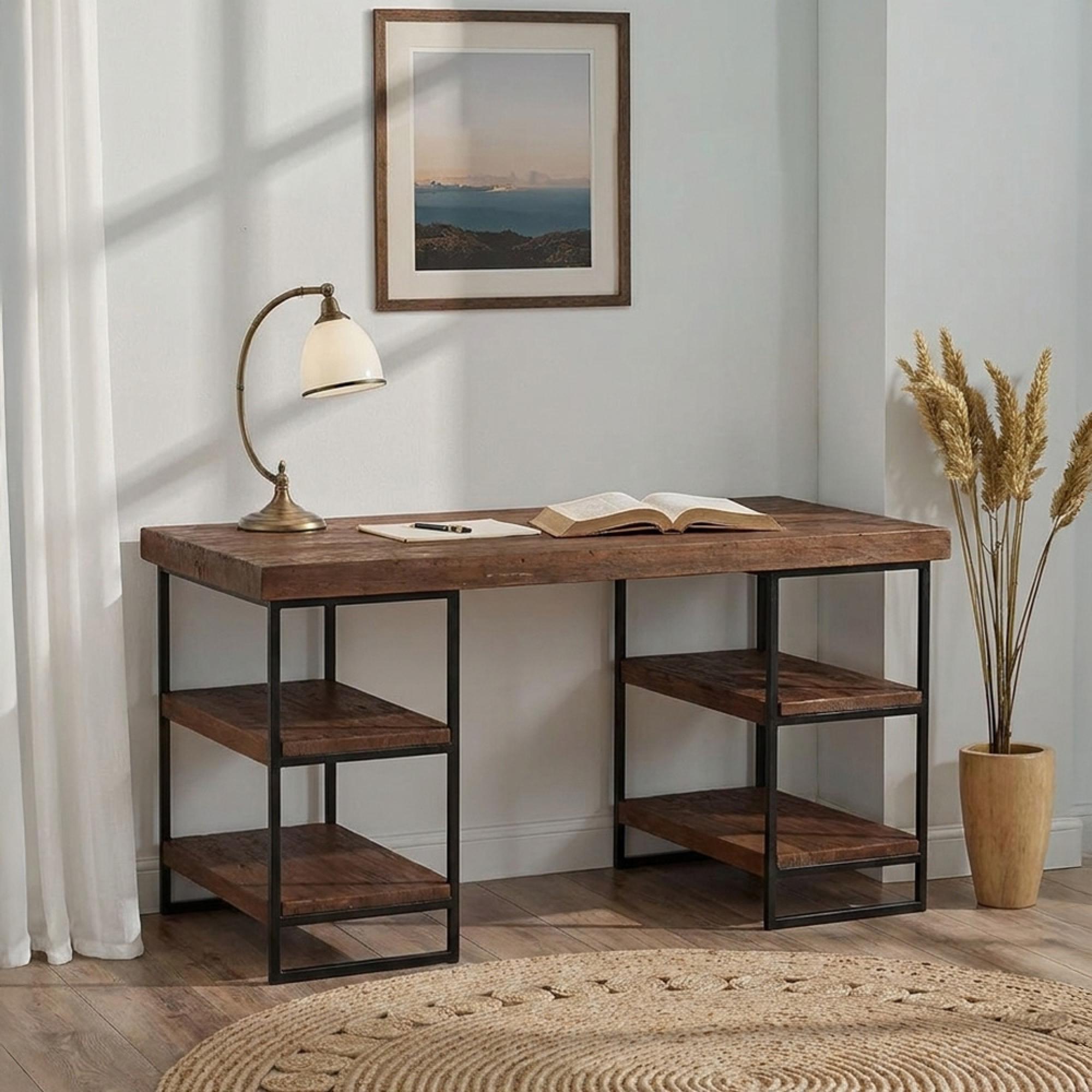
Choose a desk with enough working surface without restricting movement around the room. The collection includes writing, office, computer, gaming, corner and reception desks in wood, metal, glass and mixed-material designs. Measure the available width and depth, then allow space for an office chair to move and for drawers or cupboard doors to open. Check the desktop dimensions against your monitor, laptop and other equipment rather than relying only on the overall size. Desks with drawers keep smaller supplies out of sight, while desks with shelves provide open storage for frequently used items. Confirm the legroom, cable access, permitted load and socket position, especially when using multiple screens or a desktop computer. A bookcase can hold files that would otherwise reduce the working area, while a table lamp can provide lighting. Use our small home office desk guide for measuring advice, and review assembly and care details before buying.
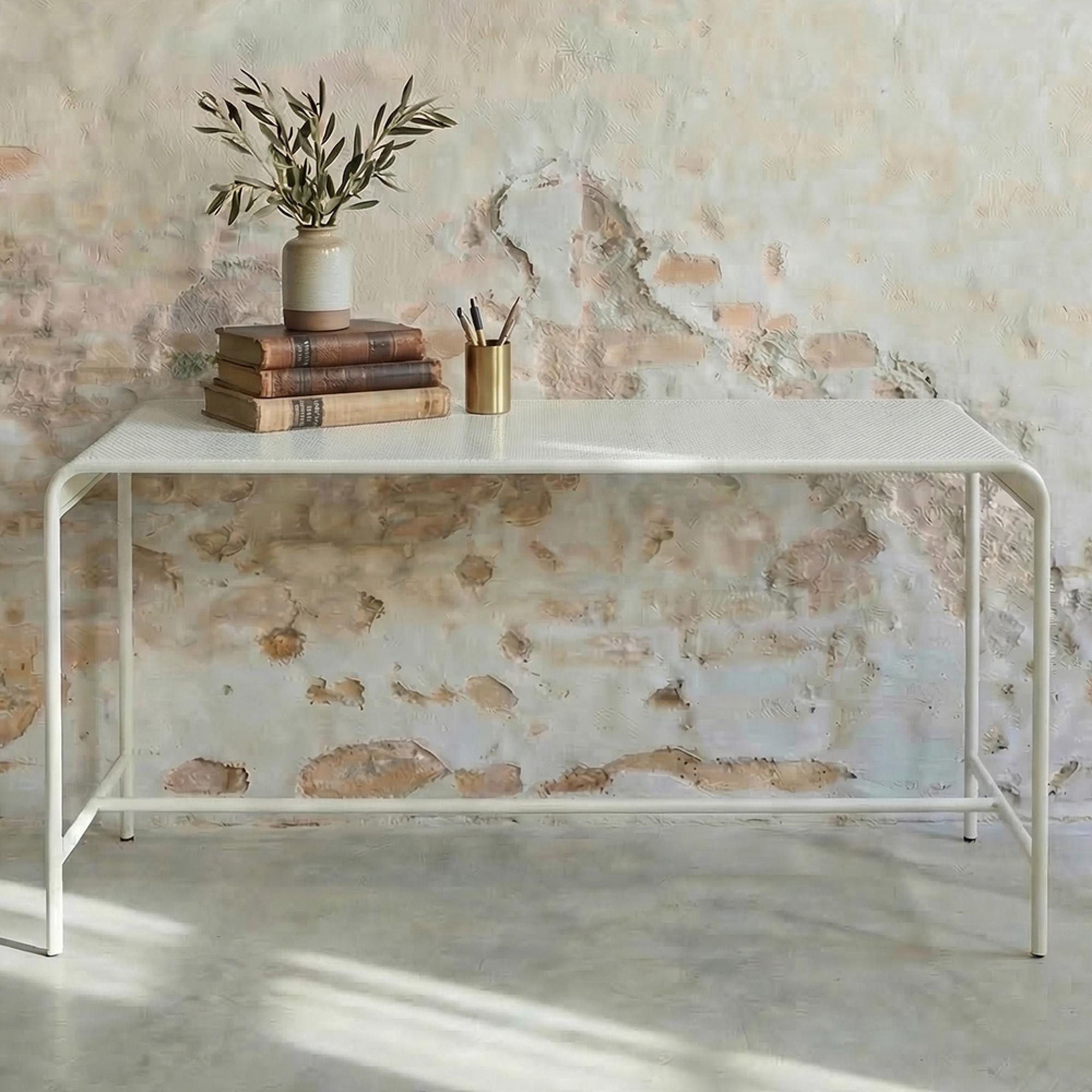
£323.39 £419.99 Save: 23%
£331 £429.99 Save: 23%
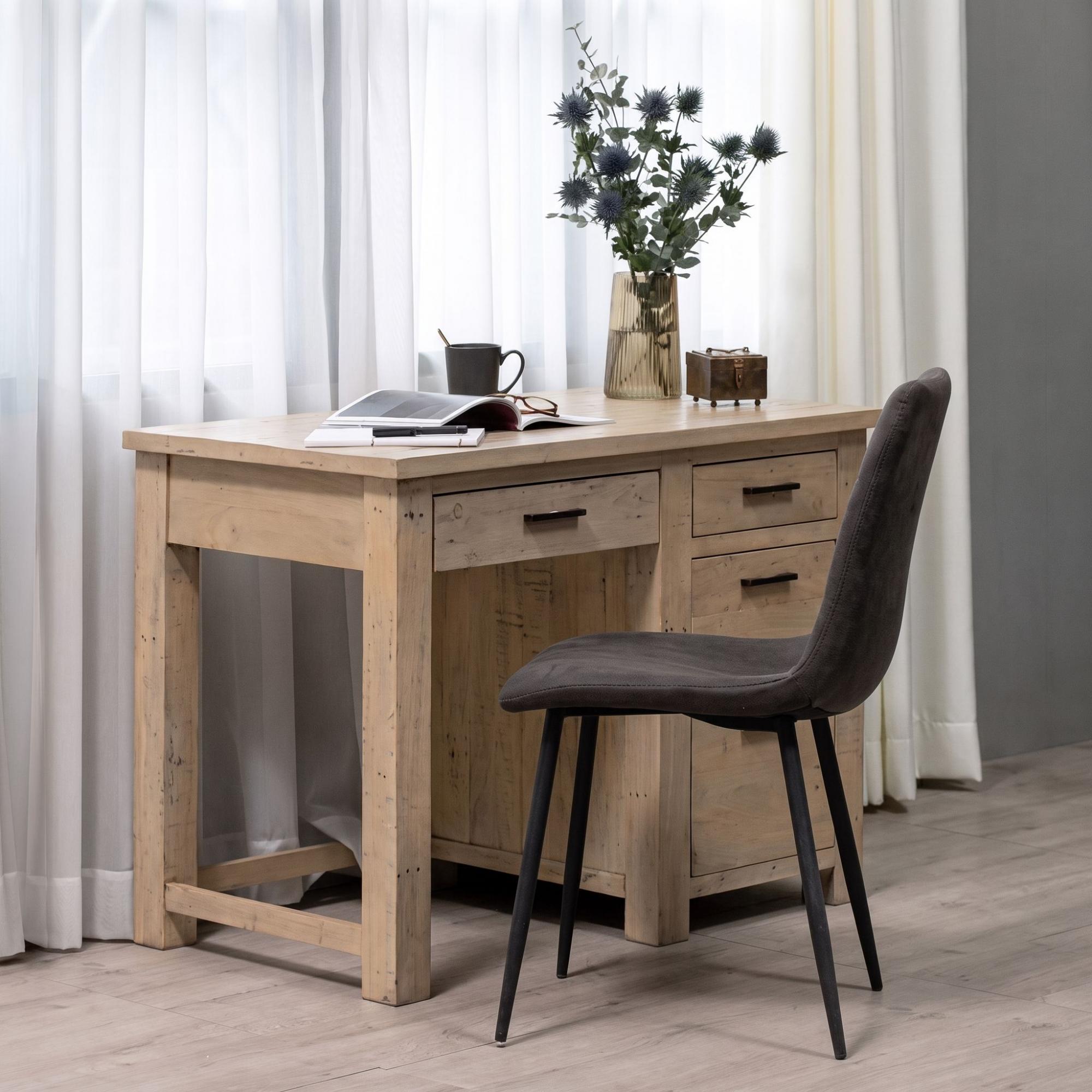
£584.79 £679.99 Save: 14%
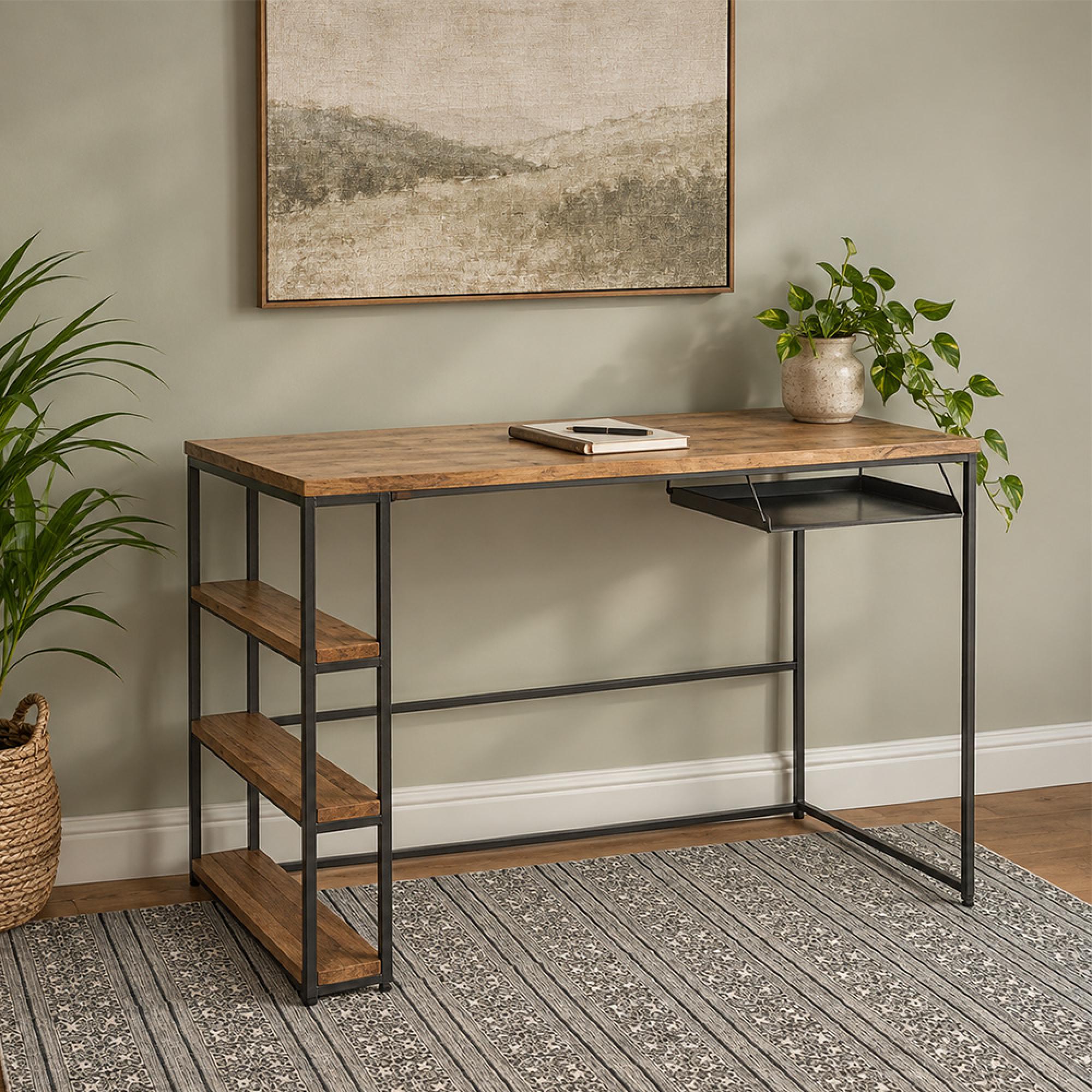
£343.99 £399.99 Save: 14%

£464.99 £619.99 Save: 25%


£592.49 £789.99 Save: 25%


£464.99 £619.99 Save: 25%
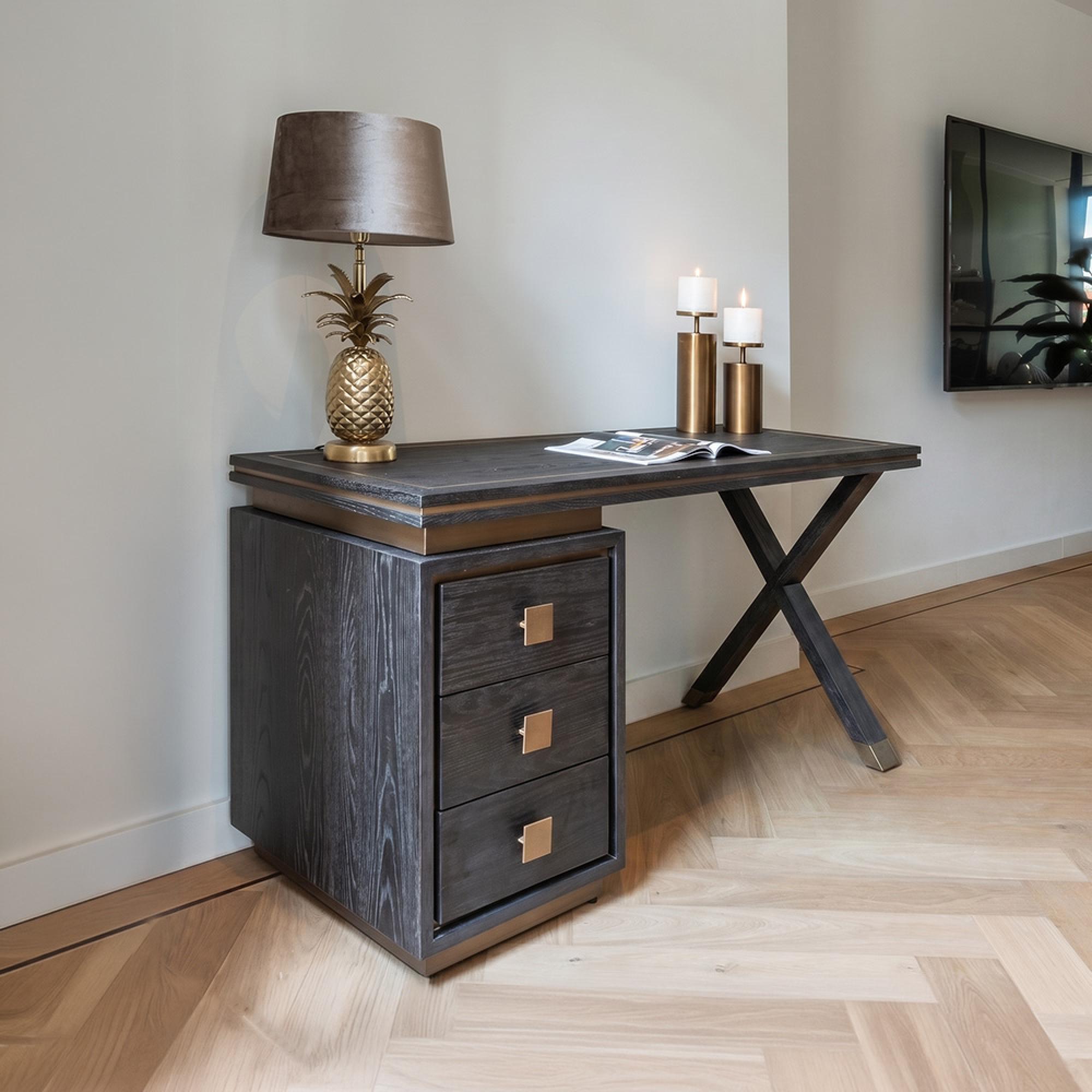
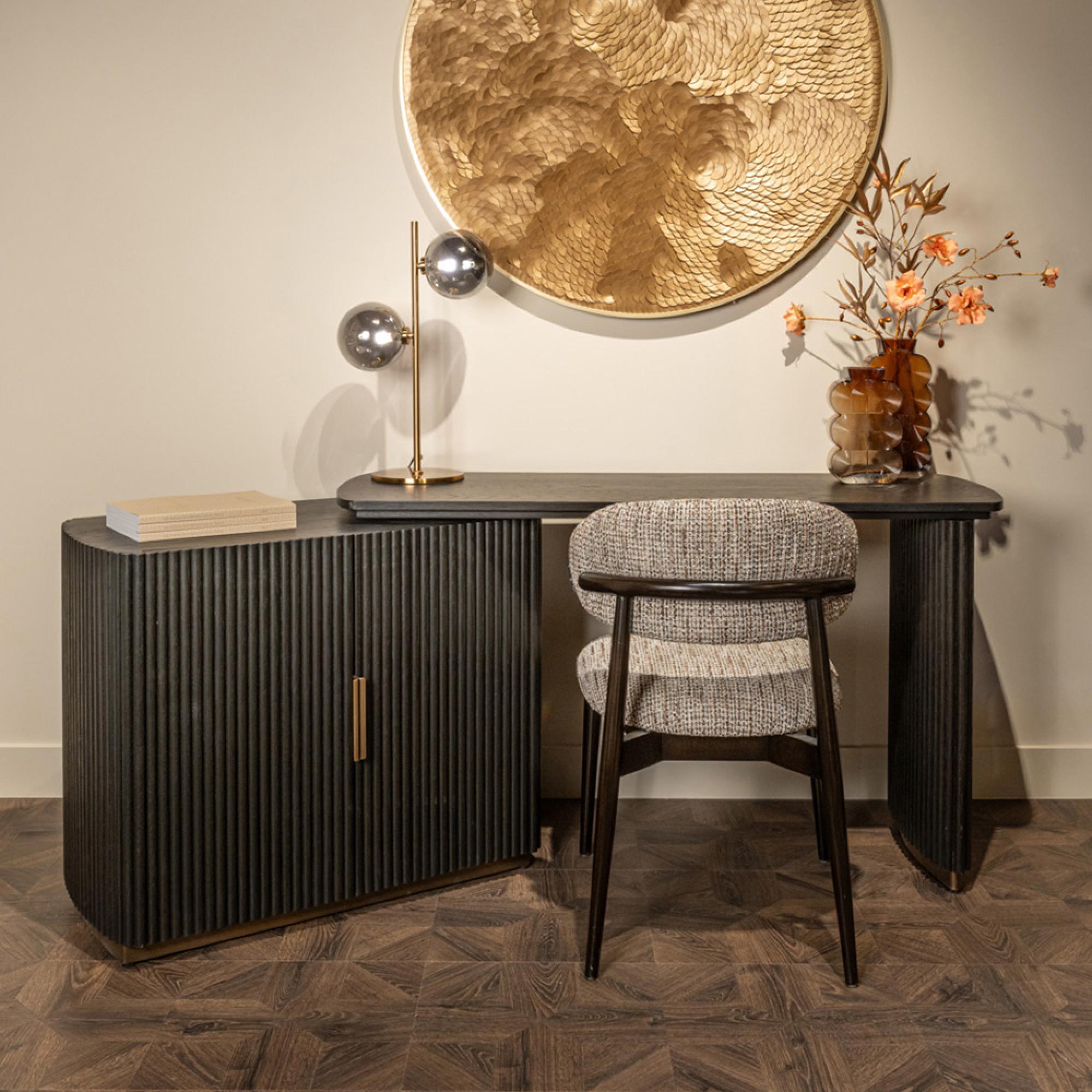
£559.99 £699.99 Save: 20%
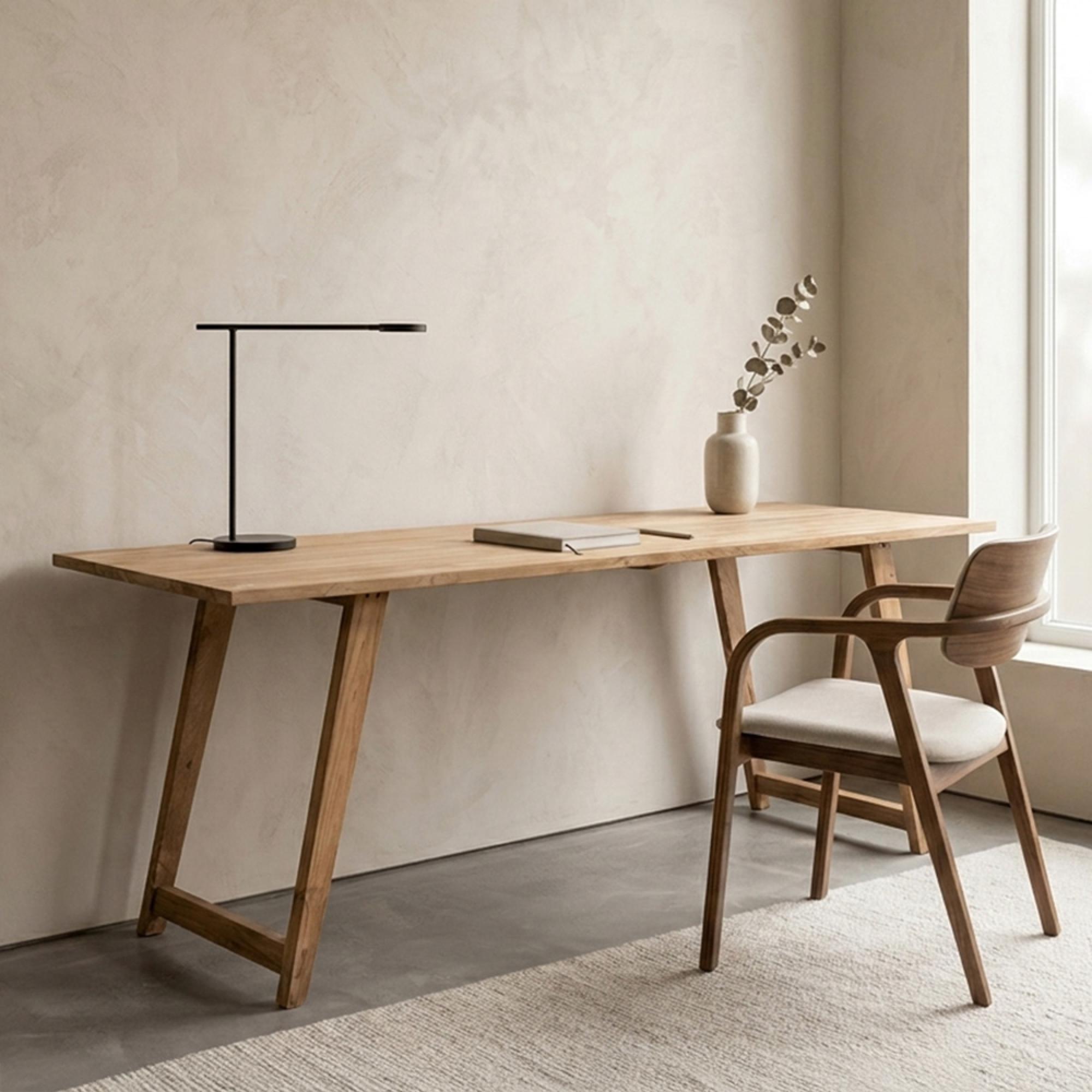
£599.99 £749.99 Save: 20%
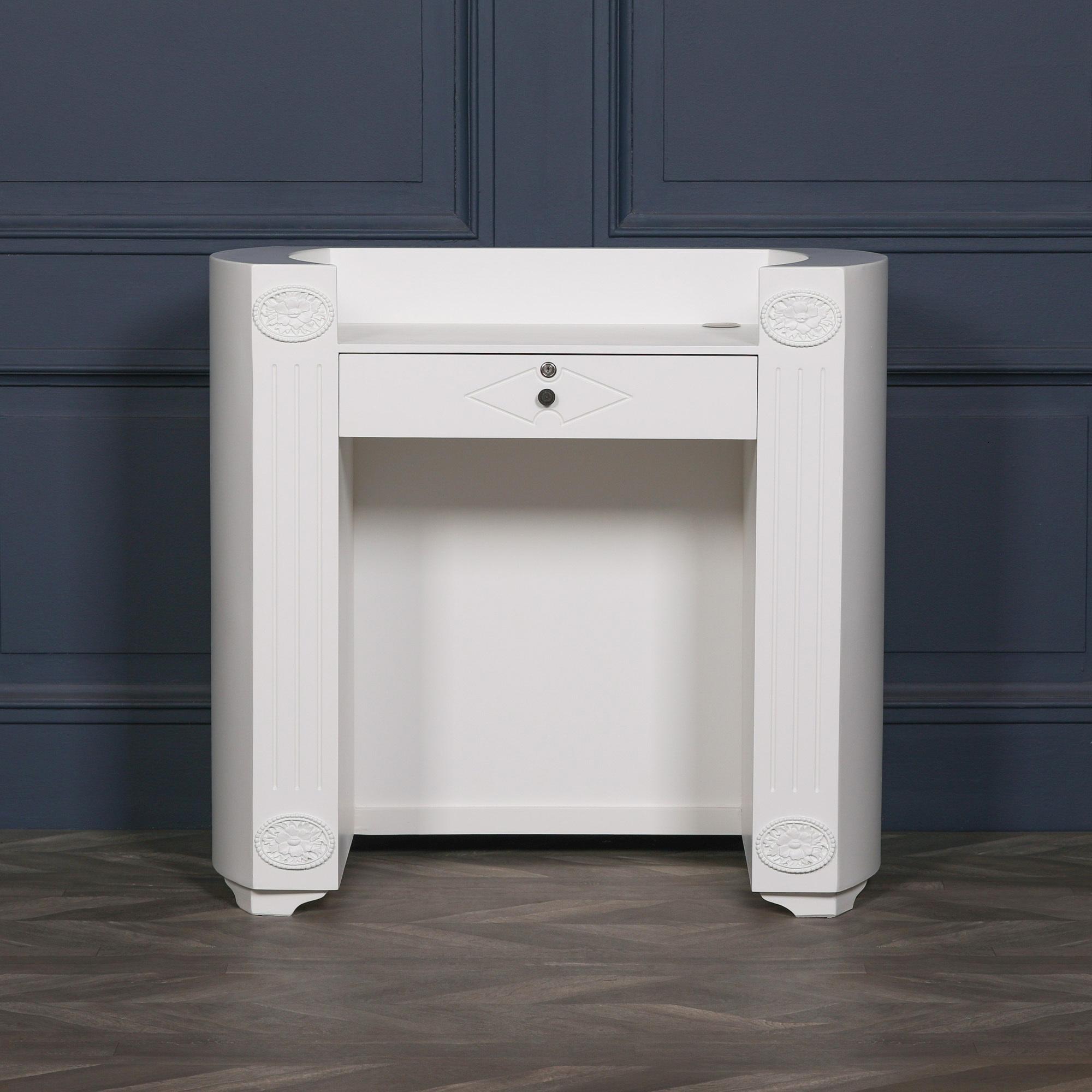
£481.89 £609.99 Save: 21%
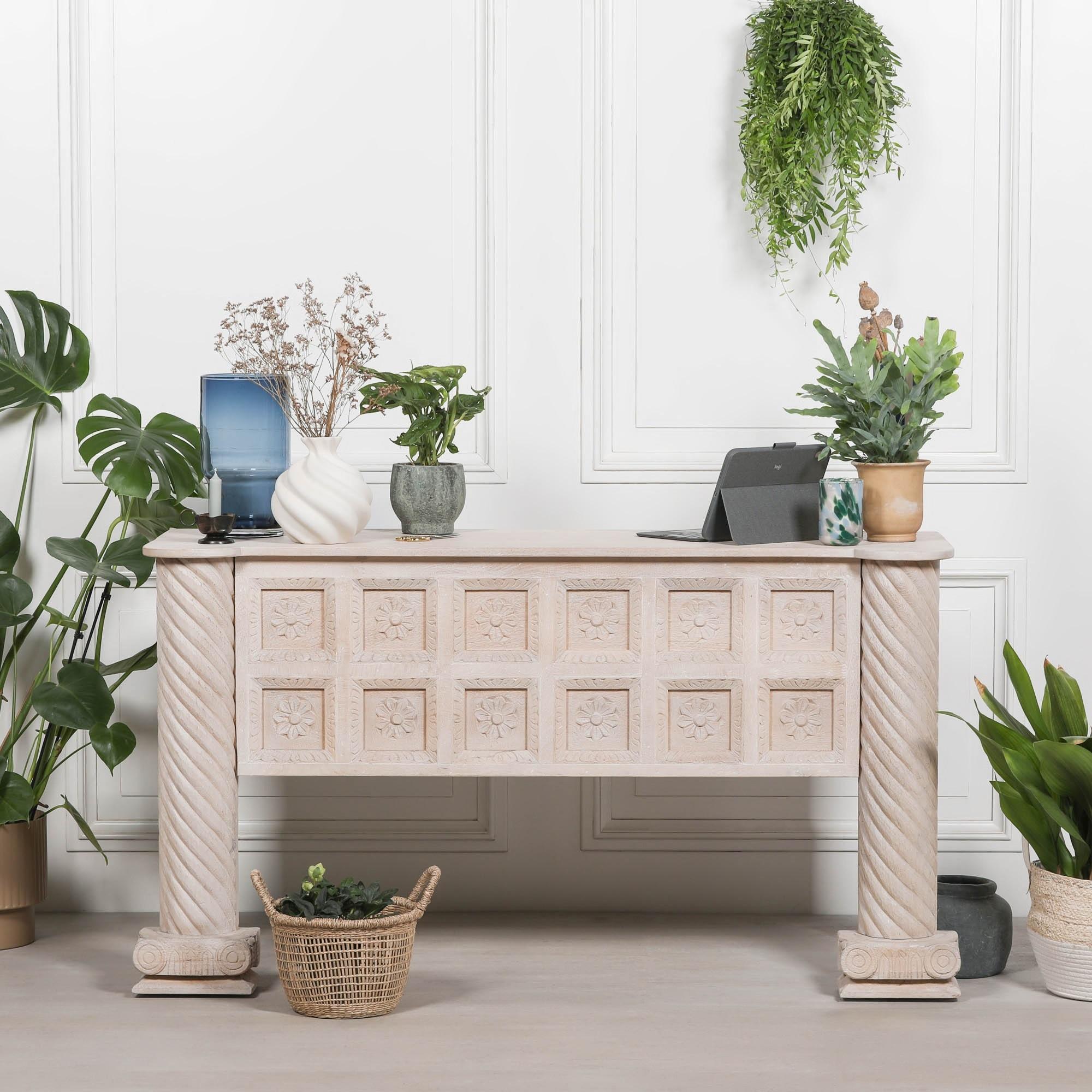
£1090.19 £1379.99 Save: 21%
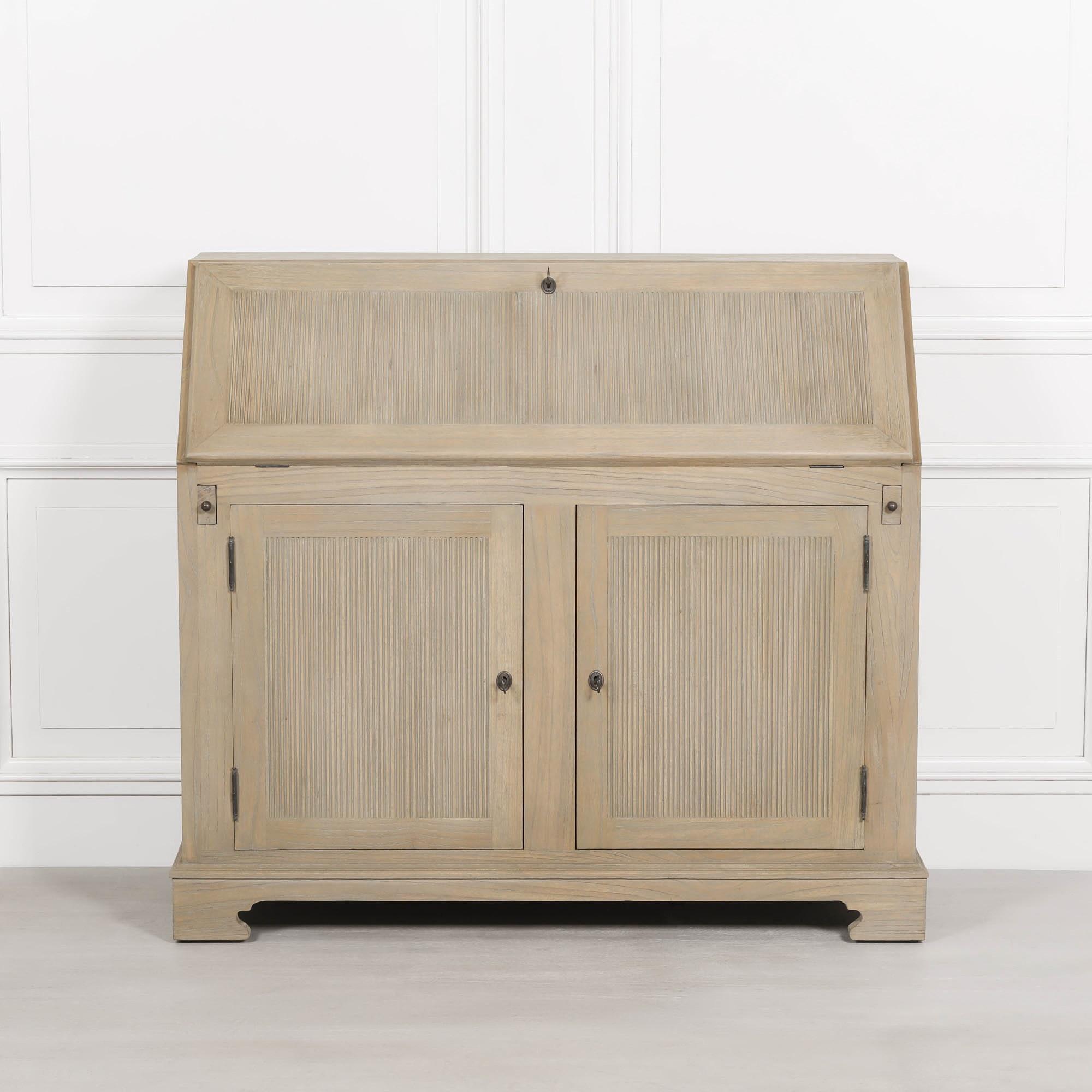
£940 £1189.99 Save: 21%

£446.59 £579.99 Save: 23%

£377.29 £489.99 Save: 23%
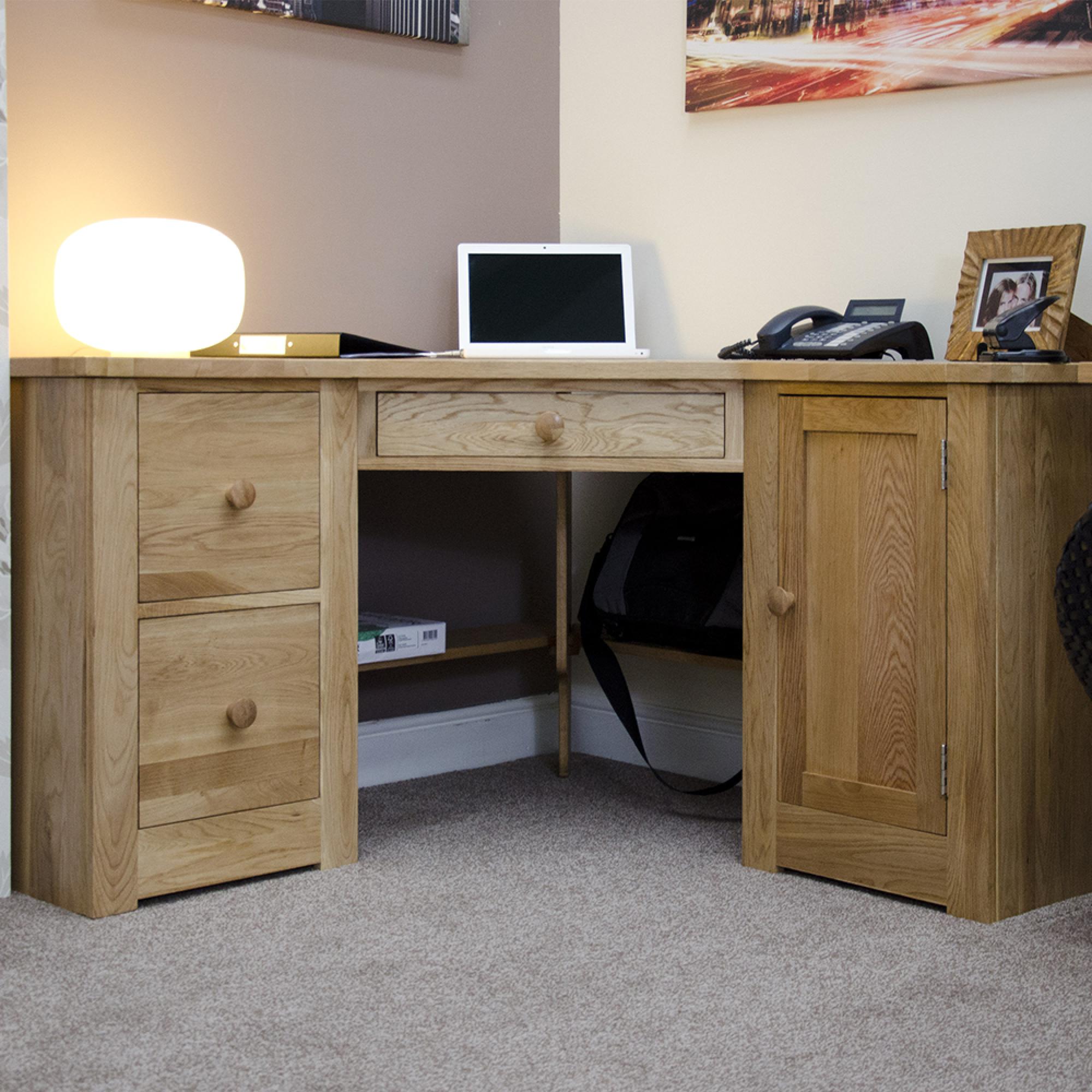
£1021.99 £1399.99 Save: 27%
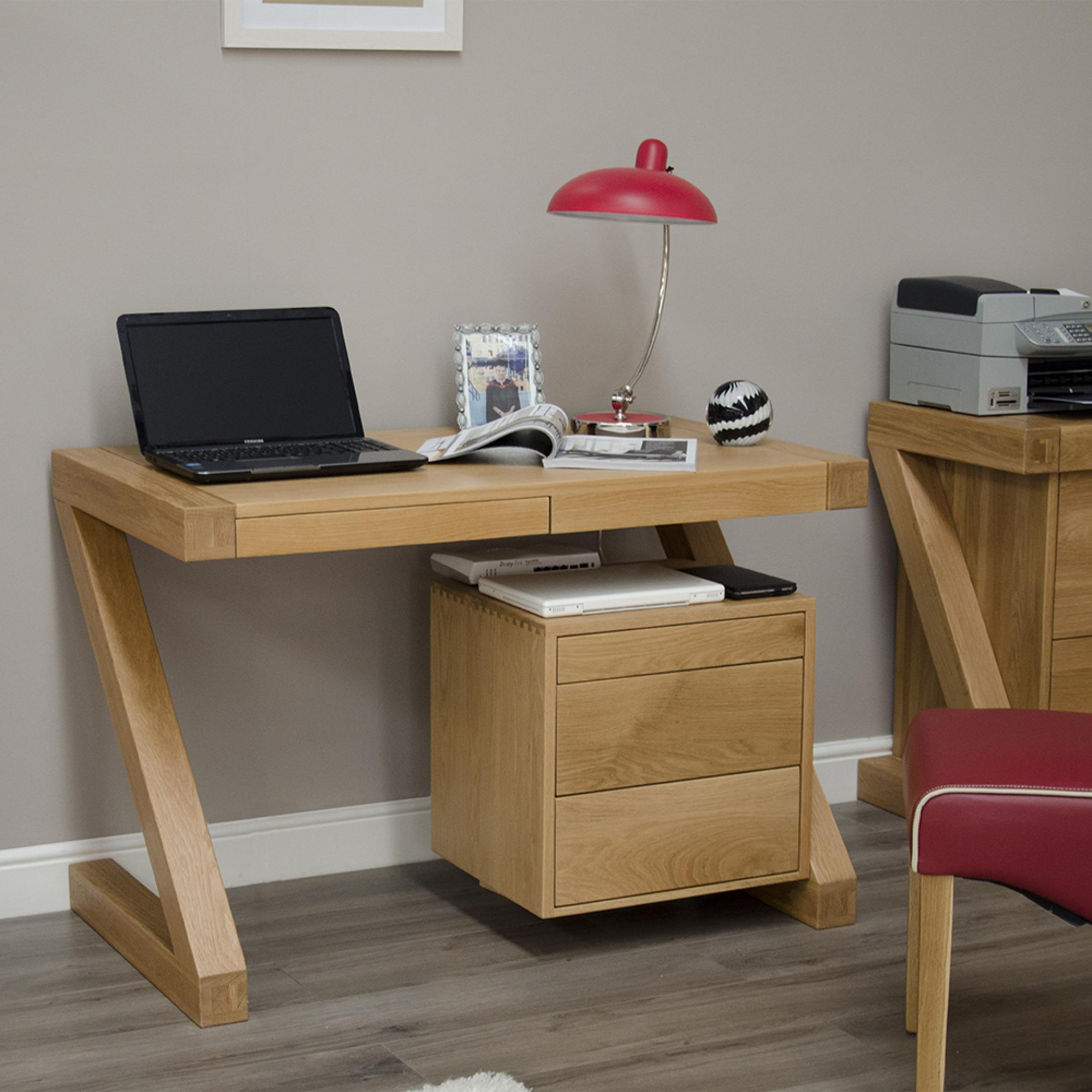
£839.49 £1149.99 Save: 27%
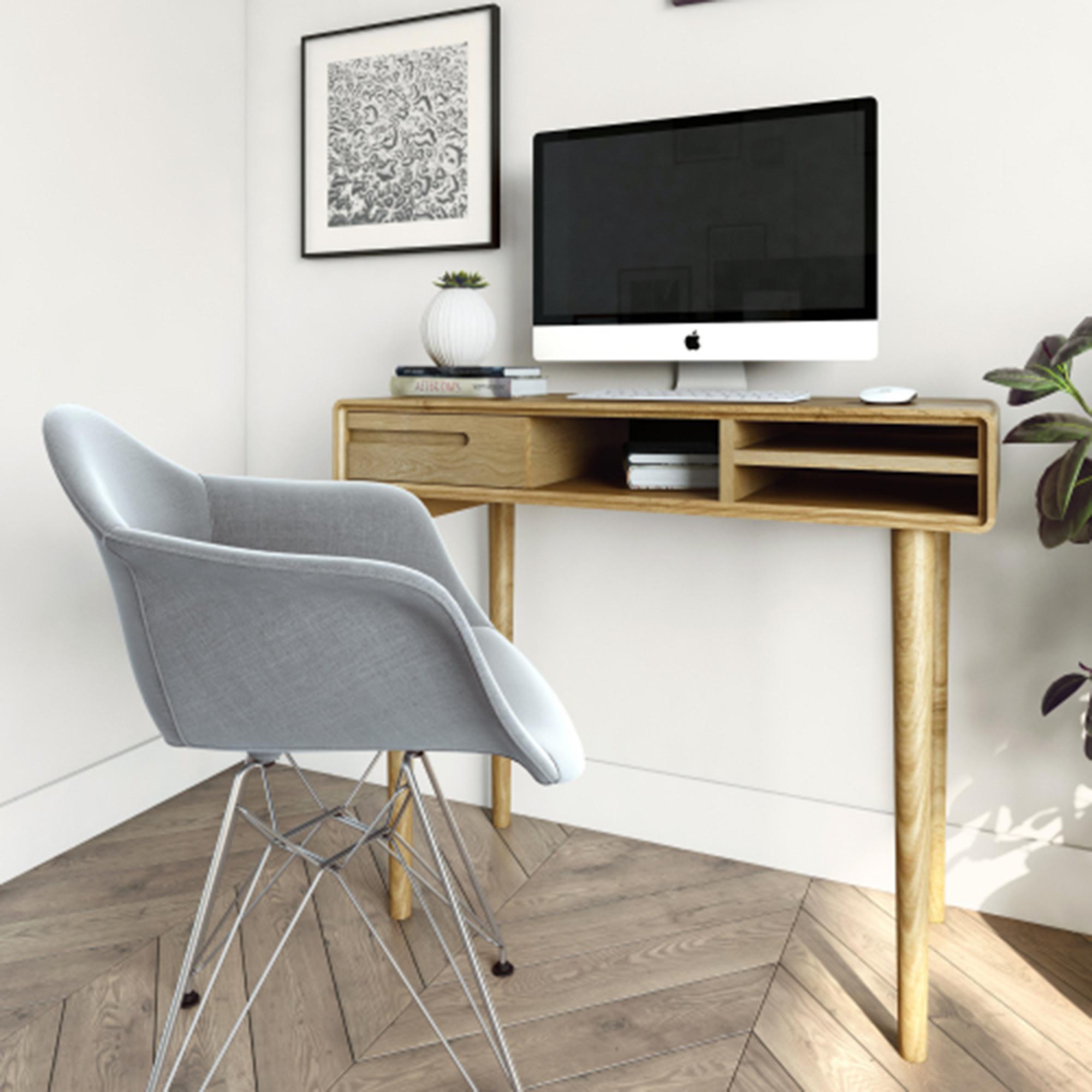
£350.39 £479.99 Save: 27%
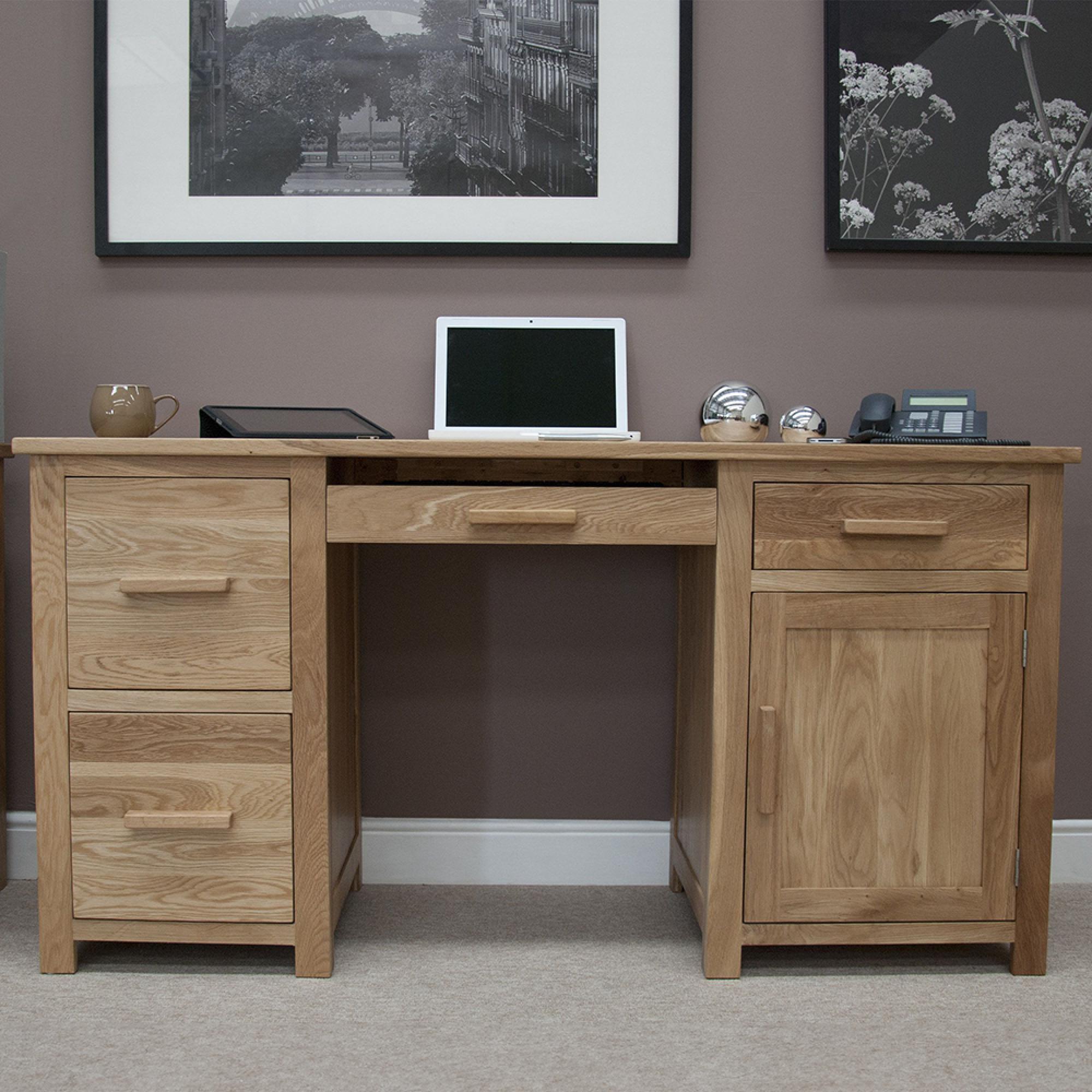
£678.89 £929.99 Save: 27%
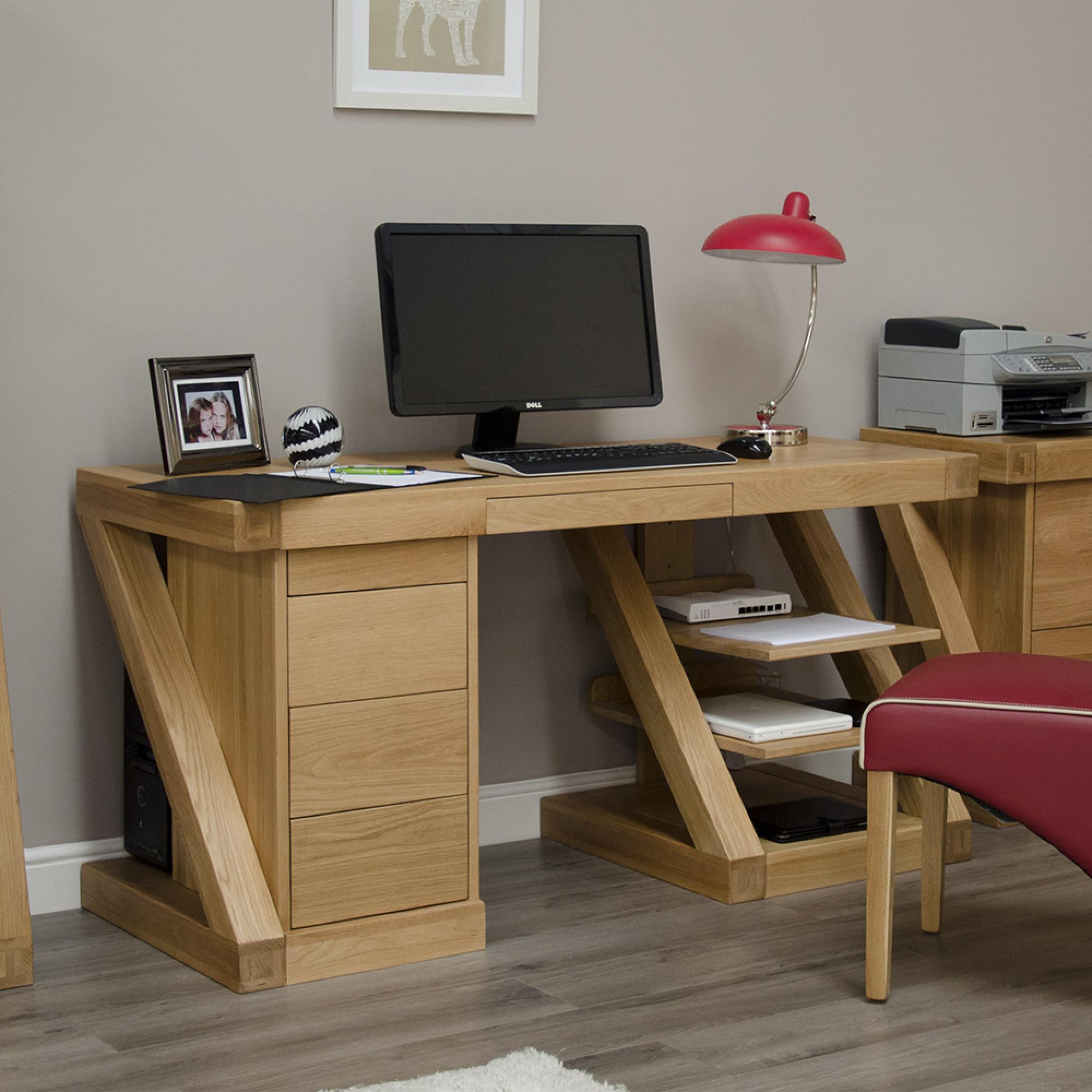
£1197.19 £1639.99 Save: 27%
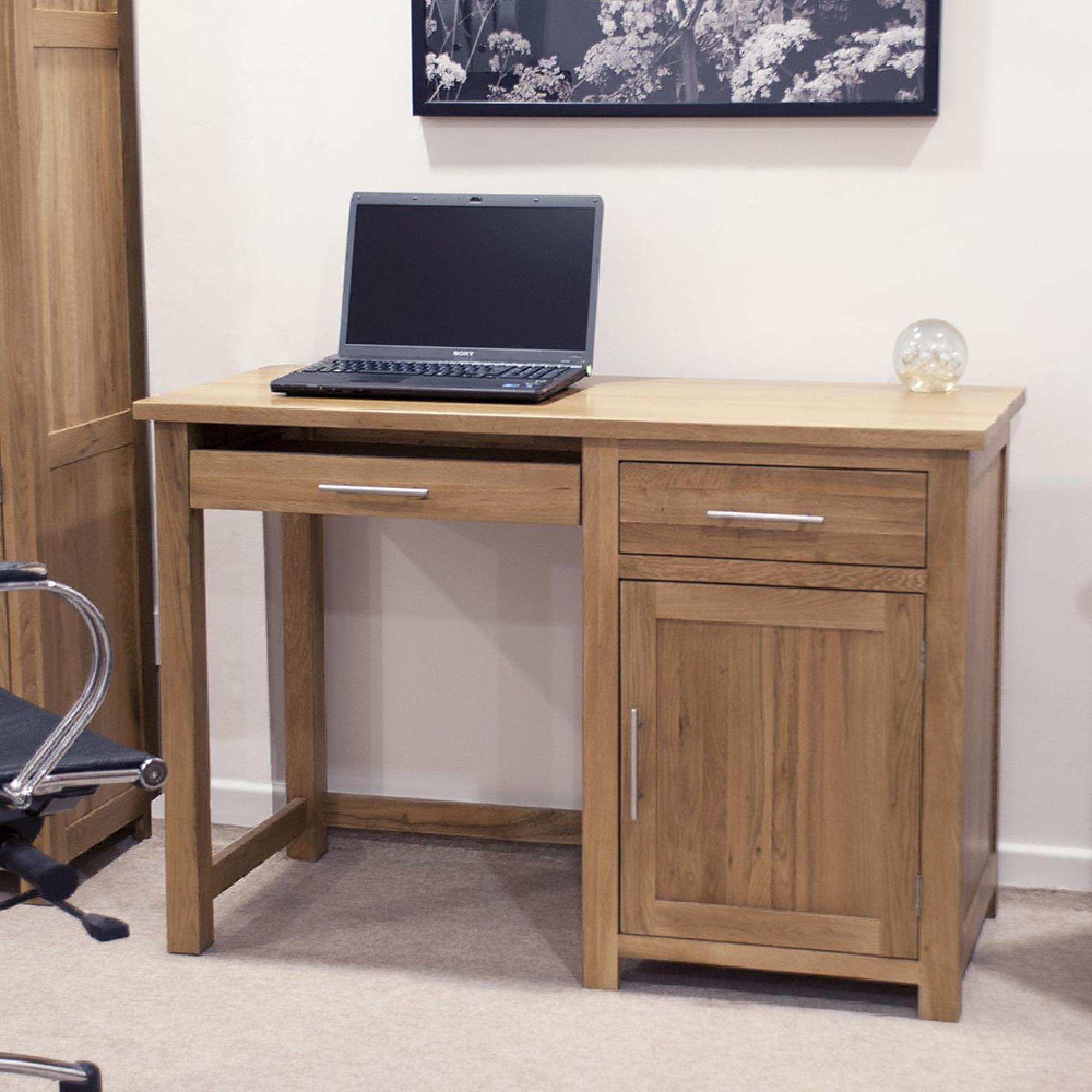
£489 £669.99 Save: 27%
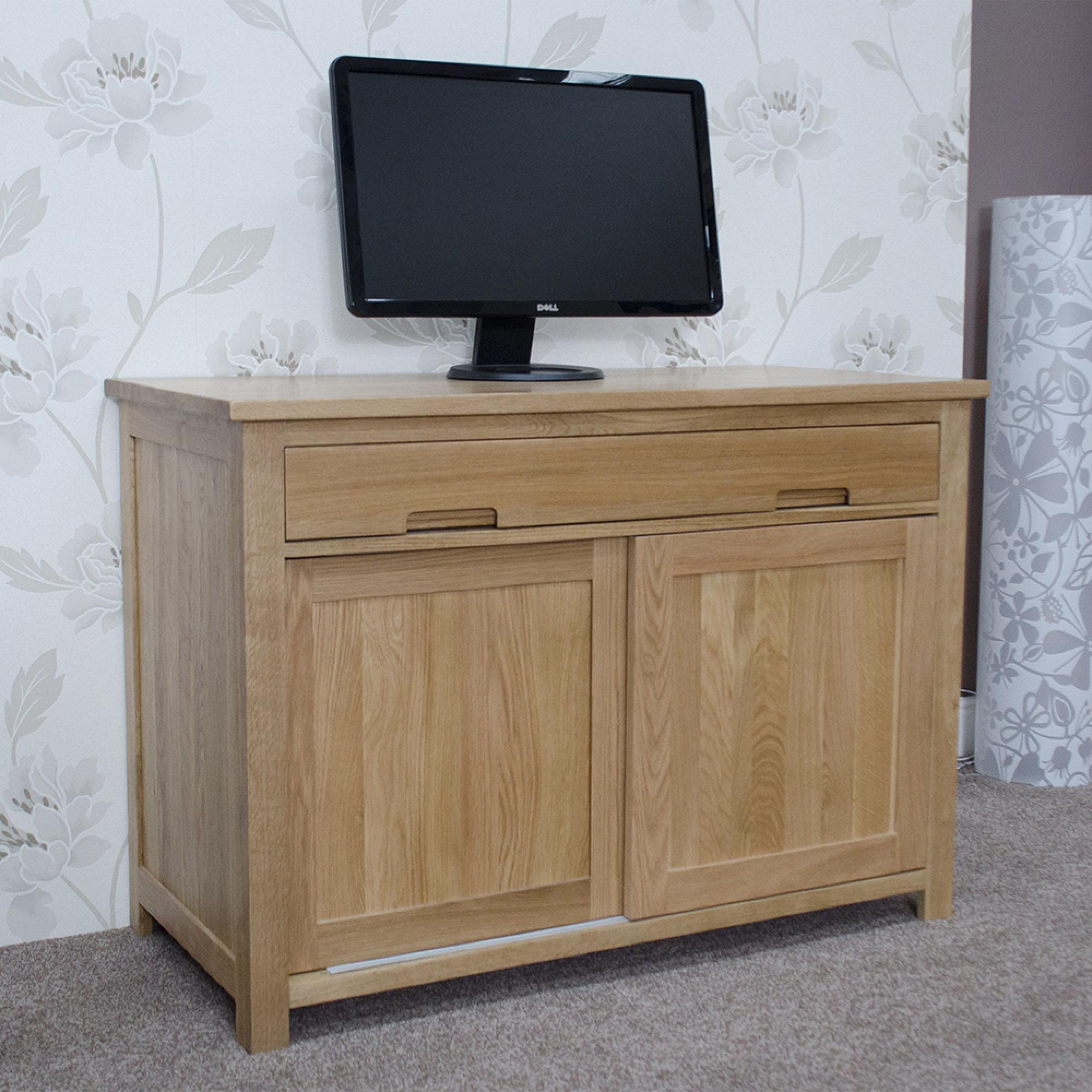
£671.59 £919.99 Save: 27%
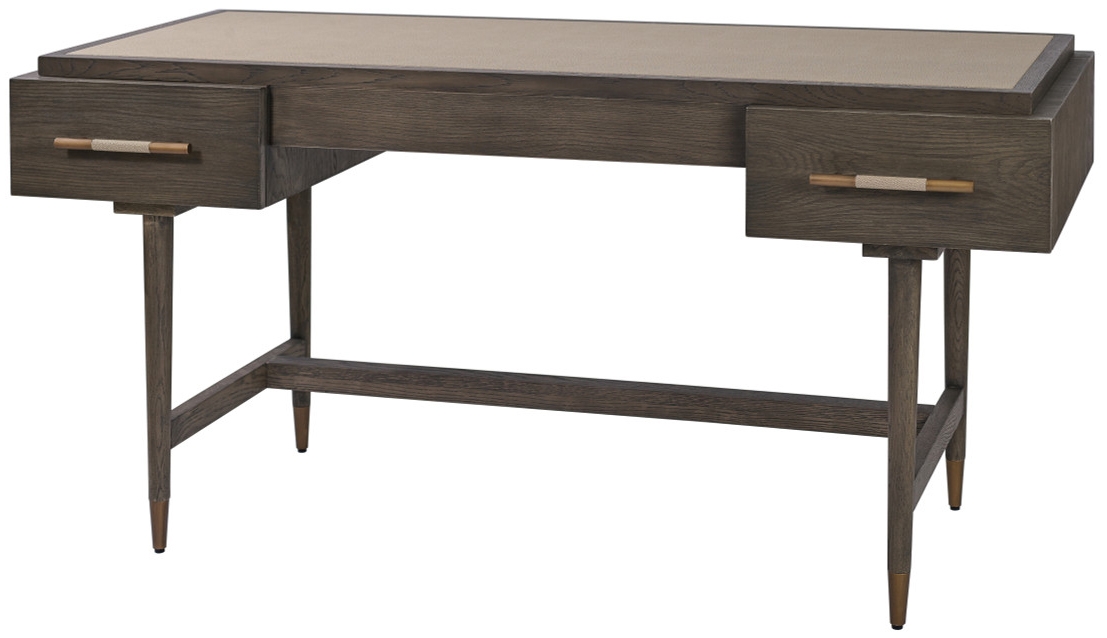
£1393.99 £1639.99 Save: 15%
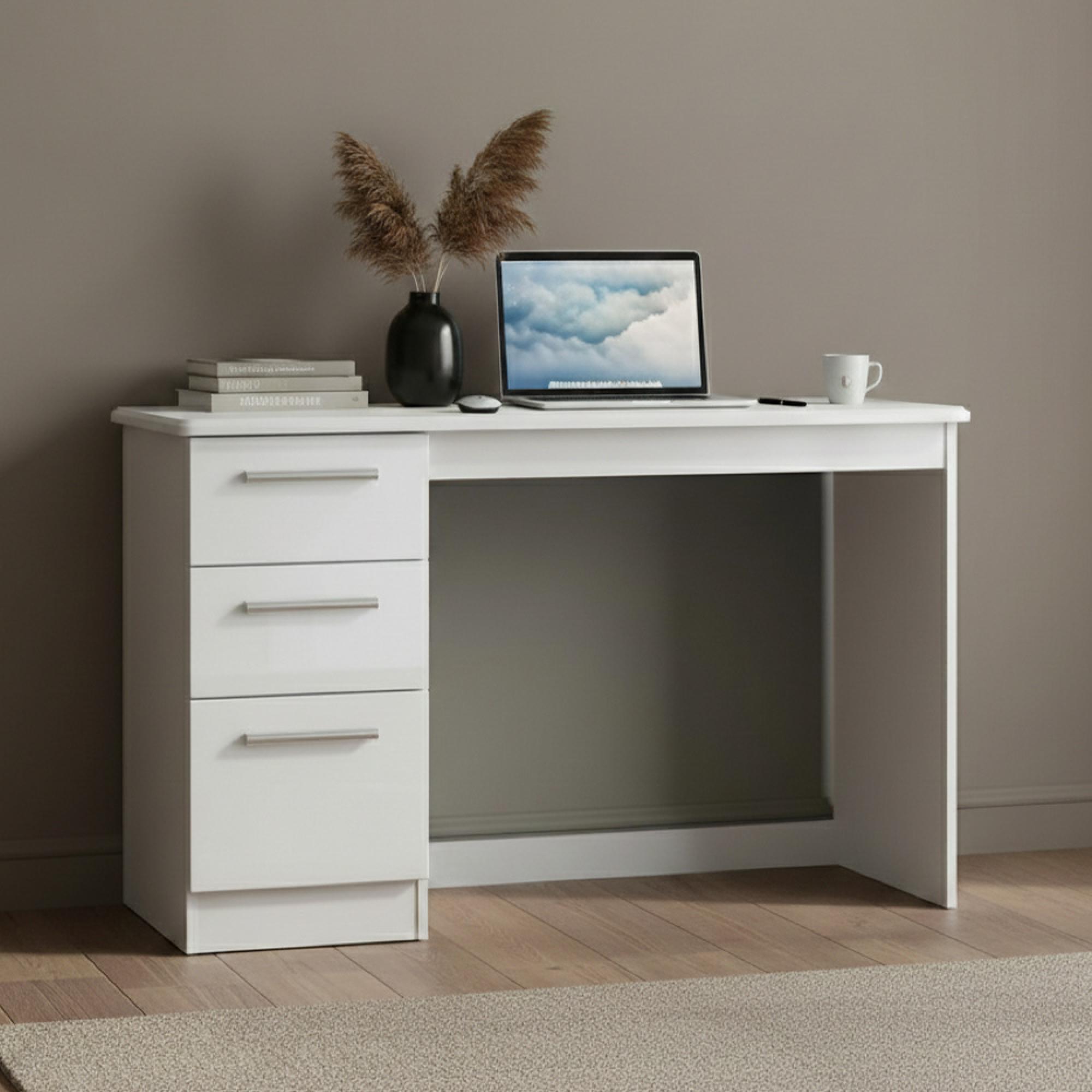
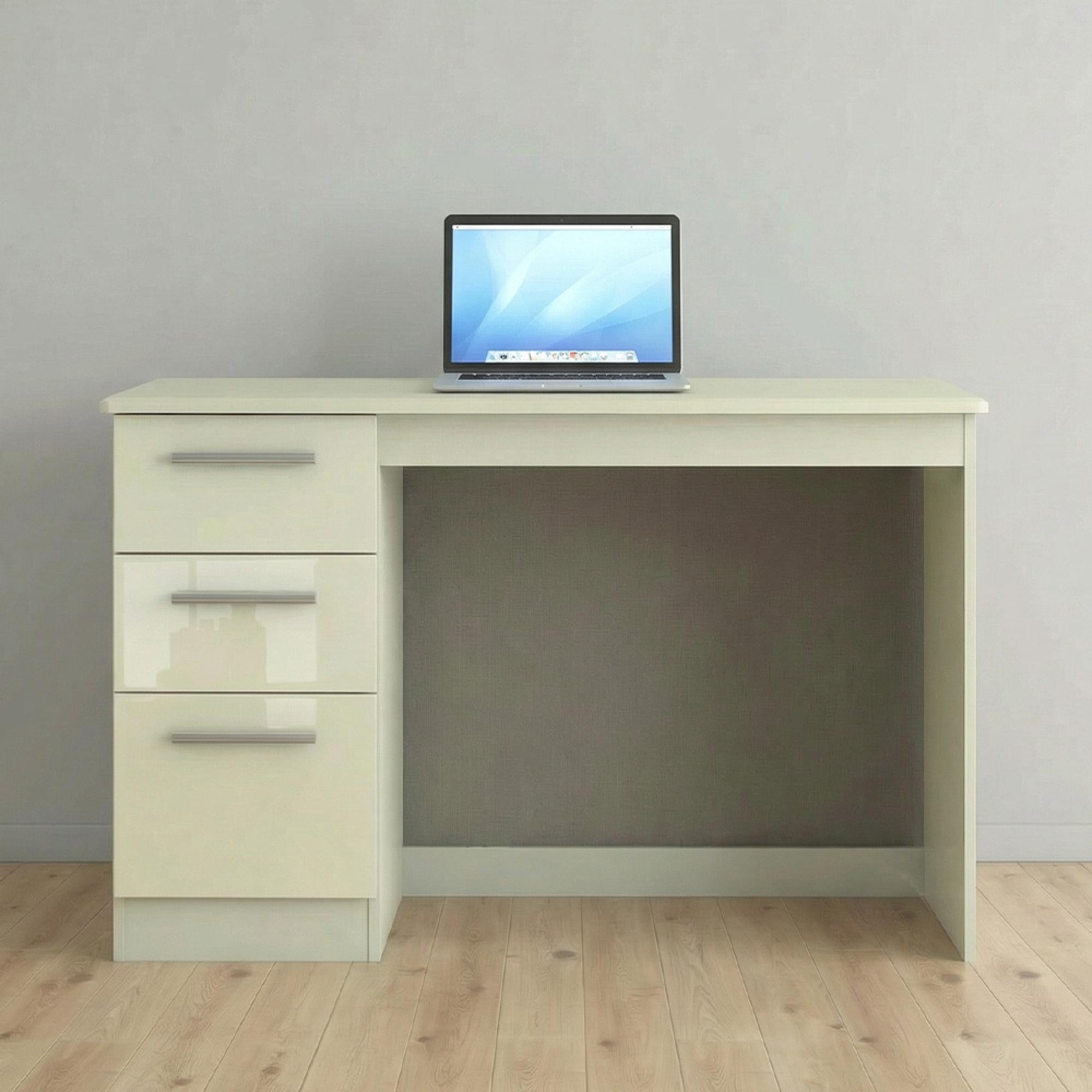
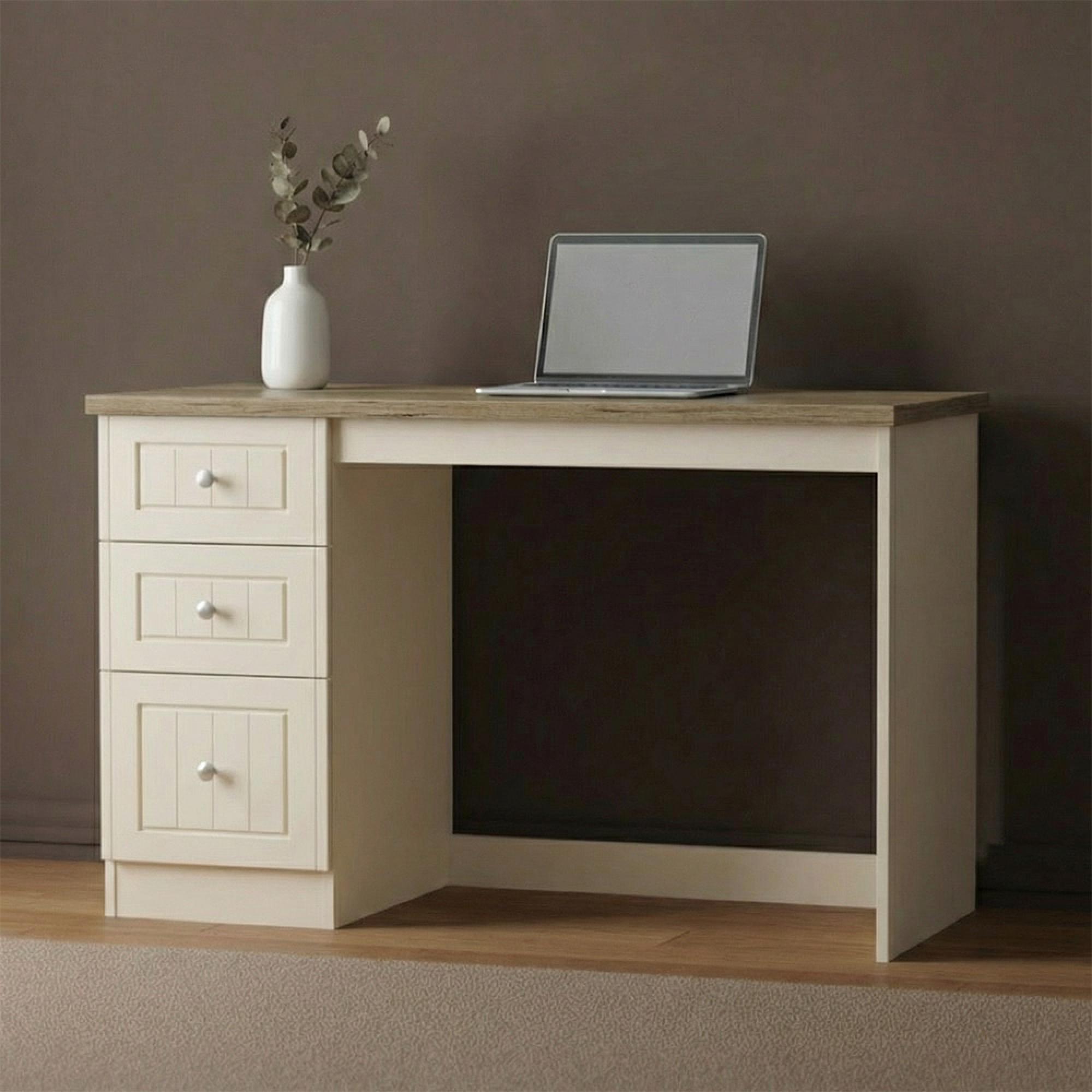
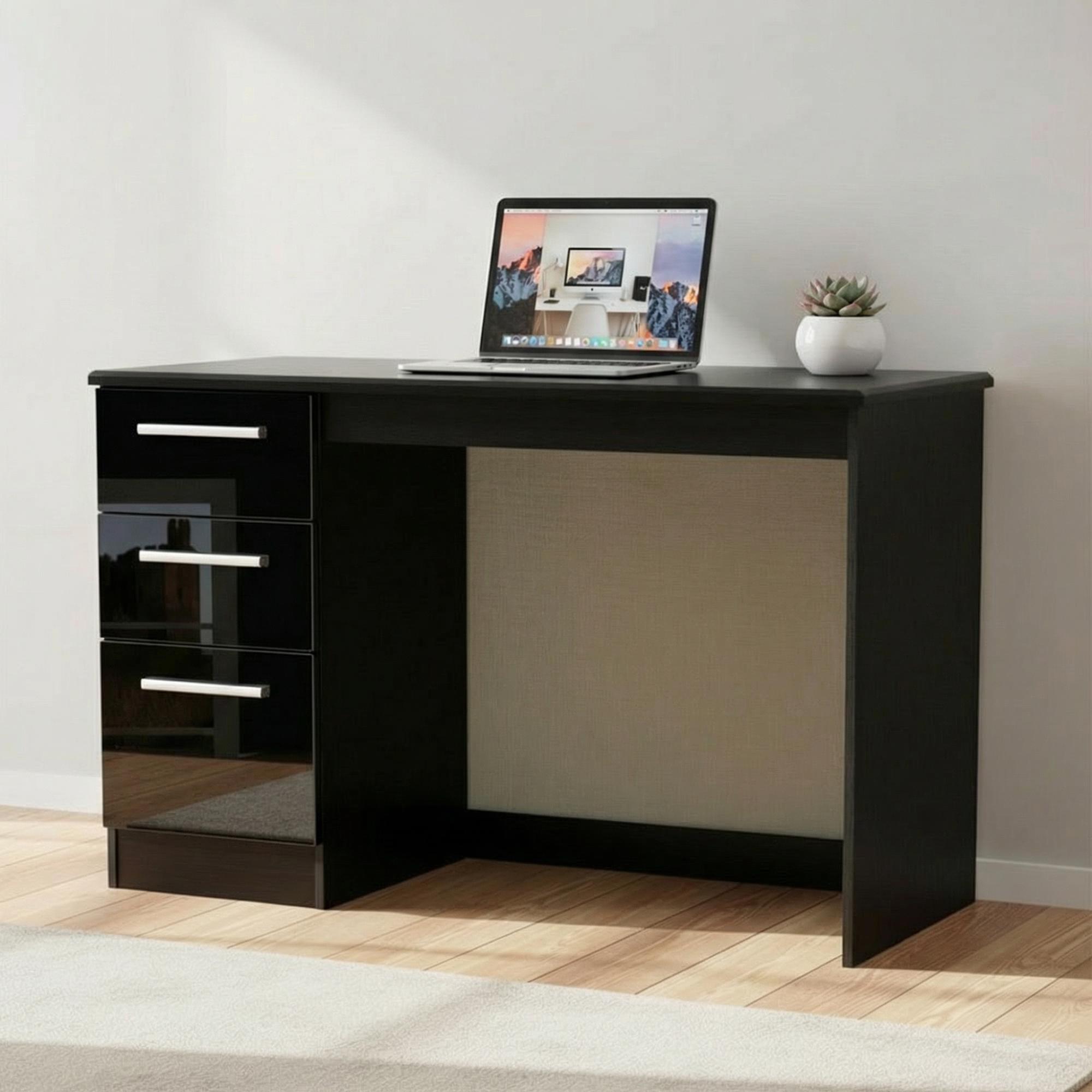
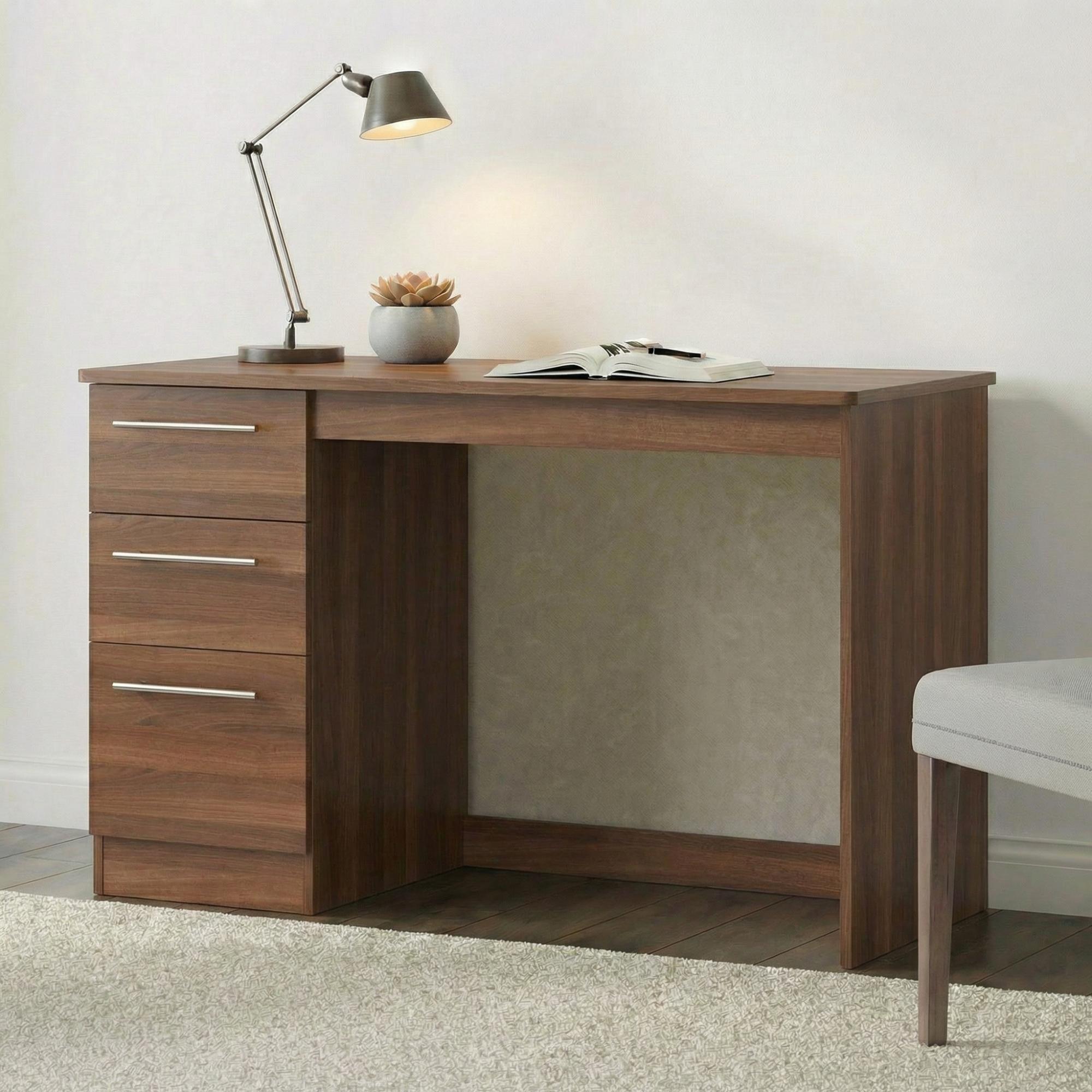
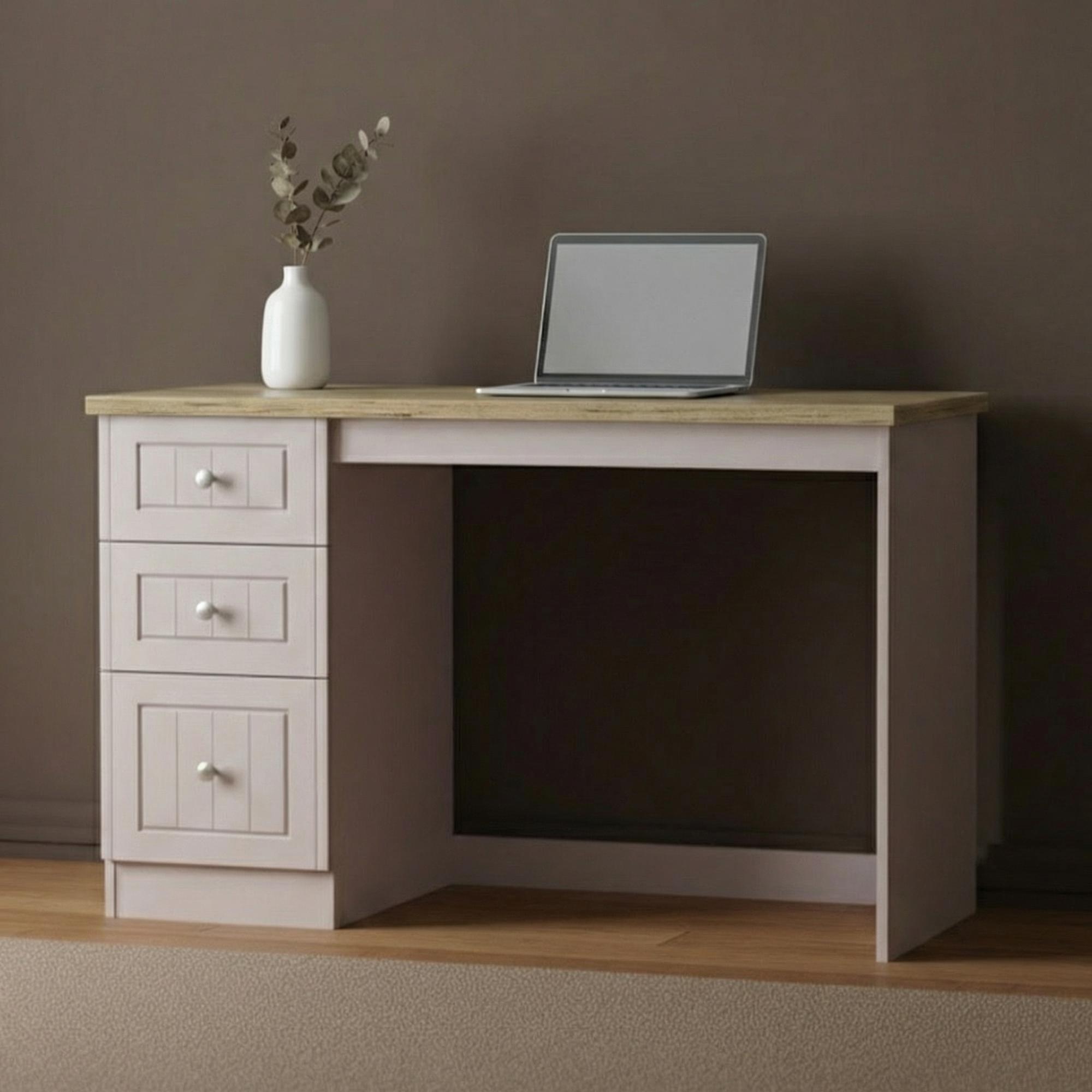
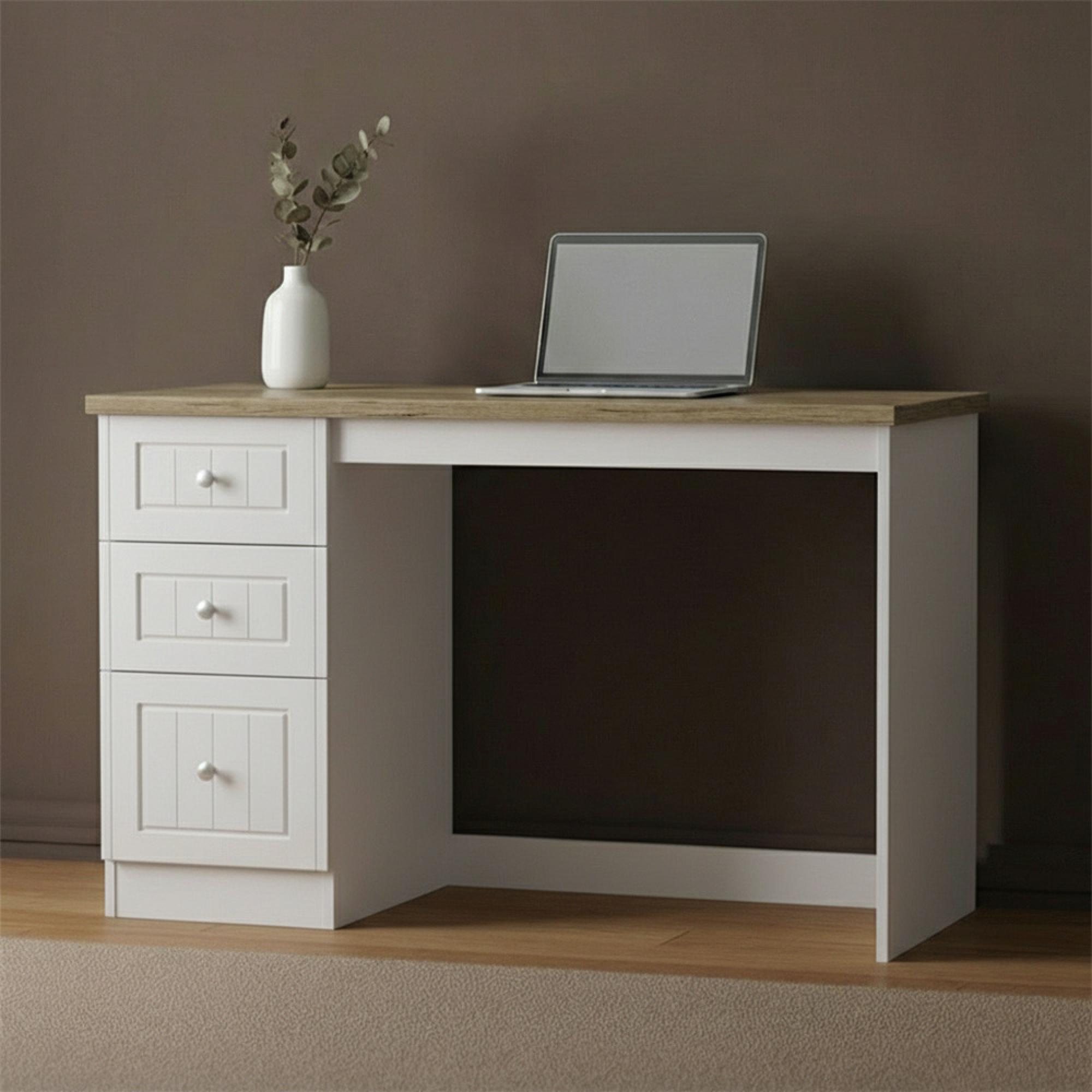
Desks in this collection cover compact workstations, larger writing surfaces and storage-led designs for everyday home working, study and admin. The mix suits anything from a spare corner to a dedicated office, with options that prioritise open legroom, built-in drawers or a more furniture-like look that blends into the rest of the home.
Size is one of the quickest ways to narrow the choice. Across the category, widths start at 65cm and extend up to 291cm, but the typical span sits around 97cm to 150cm, with a 120cm median. That makes a mid-sized desk a practical fit for many home offices, while larger pieces need more wall space and better clearance around doorways and walkways during delivery. Depths are commonly around 40cm to 75cm, so shallower designs can help in narrower rooms, and heights are usually around 75cm to 82cm, which aligns with standard desk-chair proportions. If you already know the footprint you need, browse Desks 100cm to 120cm Wide, Desks 120cm to 160cm Wide or Desks 40cm to 60cm Depth.
A compact option is usually enough when you mainly need space for a laptop, paperwork or occasional study use rather than multiple screens or spreading out files. Shallower and shorter formats can work well in bedrooms, landings and alcoves, and Small Desks are worth a look if saving floor space matters as much as storage.
A larger surface is more useful when your desk doubles as a full-time workstation or shared household admin area. Wider pieces can give you room for monitors, printers or side-by-side working zones, but it is sensible to measure not just the wall space, but also the route into the room if you are choosing one of the biggest designs in the category.
Desk layout varies most noticeably in how much storage is built in. Storage designs are more common than non-storage models here, and pedestal bases appear frequently, so many pieces combine a main worktop with integrated drawer support at one side.
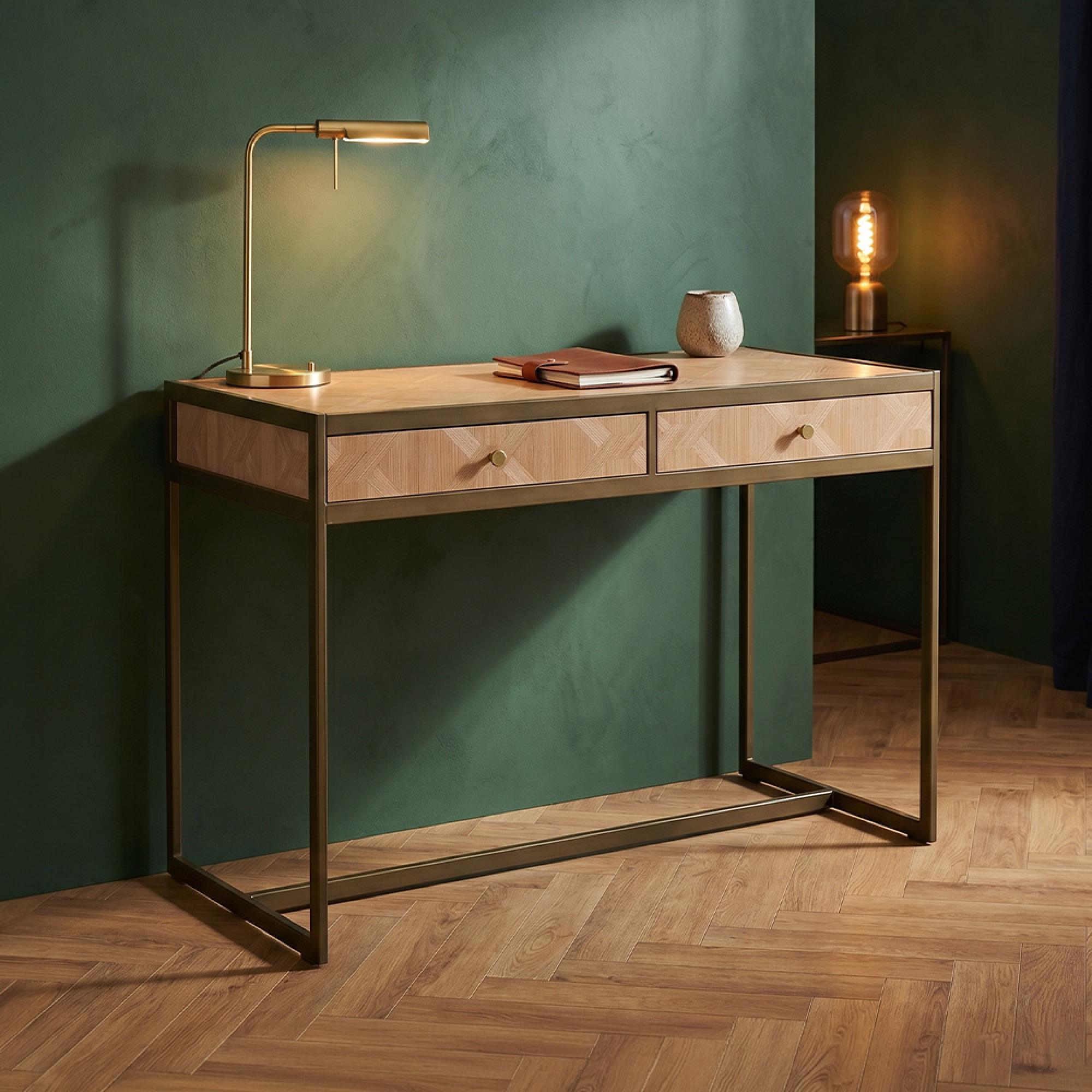
Three-drawer designs are the most common supplied configuration, followed by one-drawer, four-drawer and two-drawer options. In practical terms, one or two drawers can keep stationery and chargers close at hand without making the piece feel bulky, while three or four drawers suit people who want their desk to take on some filing and general room storage too. If that is your priority, start with Desks with Drawers.
Shelving and door storage also appear on selected models, including designs with one shelf or two shelves, and some with a single cupboard door. That can be useful if you prefer to keep baskets, books or equipment tucked below the top rather than using separate office storage.
Materials in this category are led by MDF and particle wood, with further options in laminated board, wood, metal and veneers including oak veneer and wood veneer. For everyday use, laminated and matt surfaces can be straightforward to wipe down, while natural wood and veneer finishes tend to show more grain and warmth, which can make the piece feel closer to traditional furniture than office equipment.
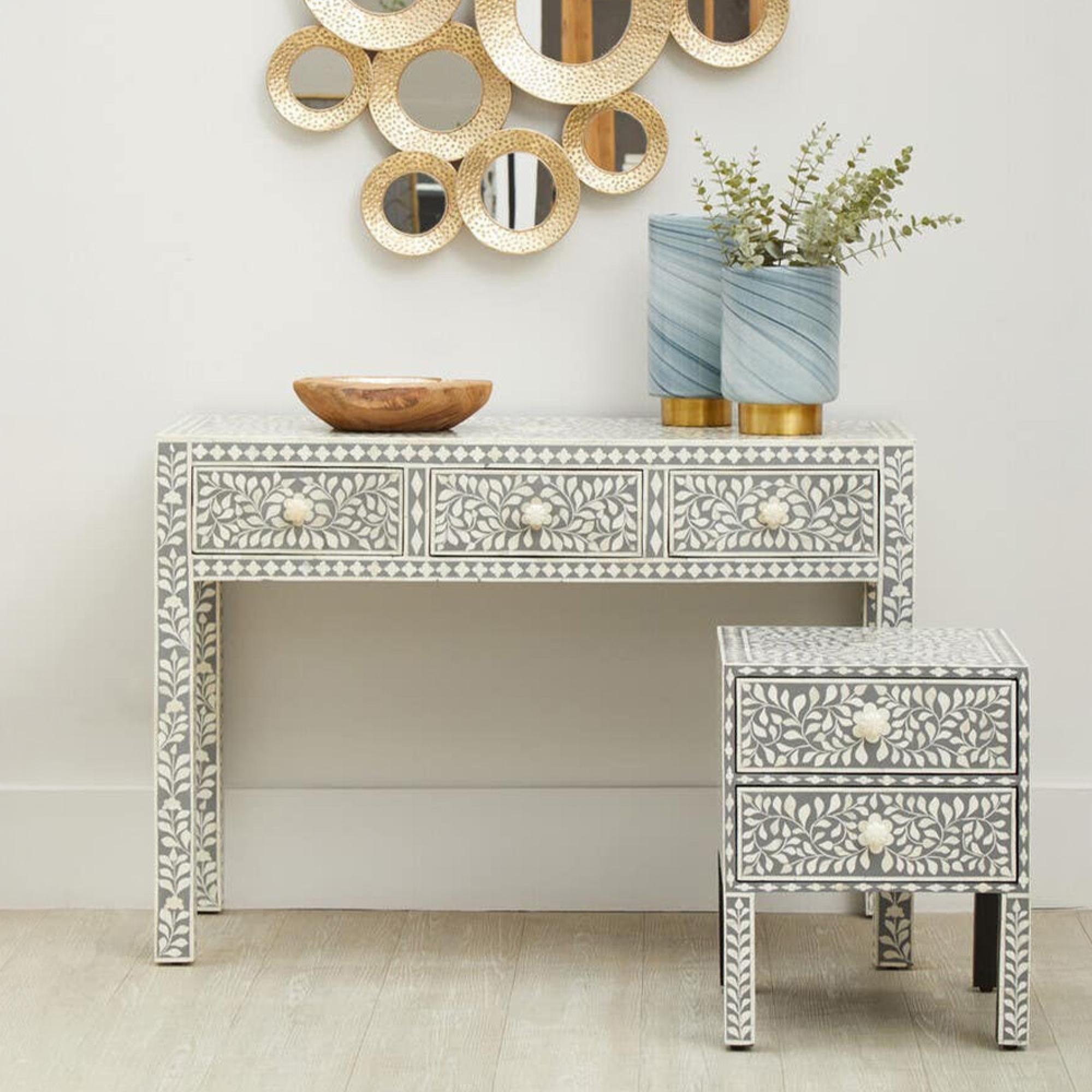
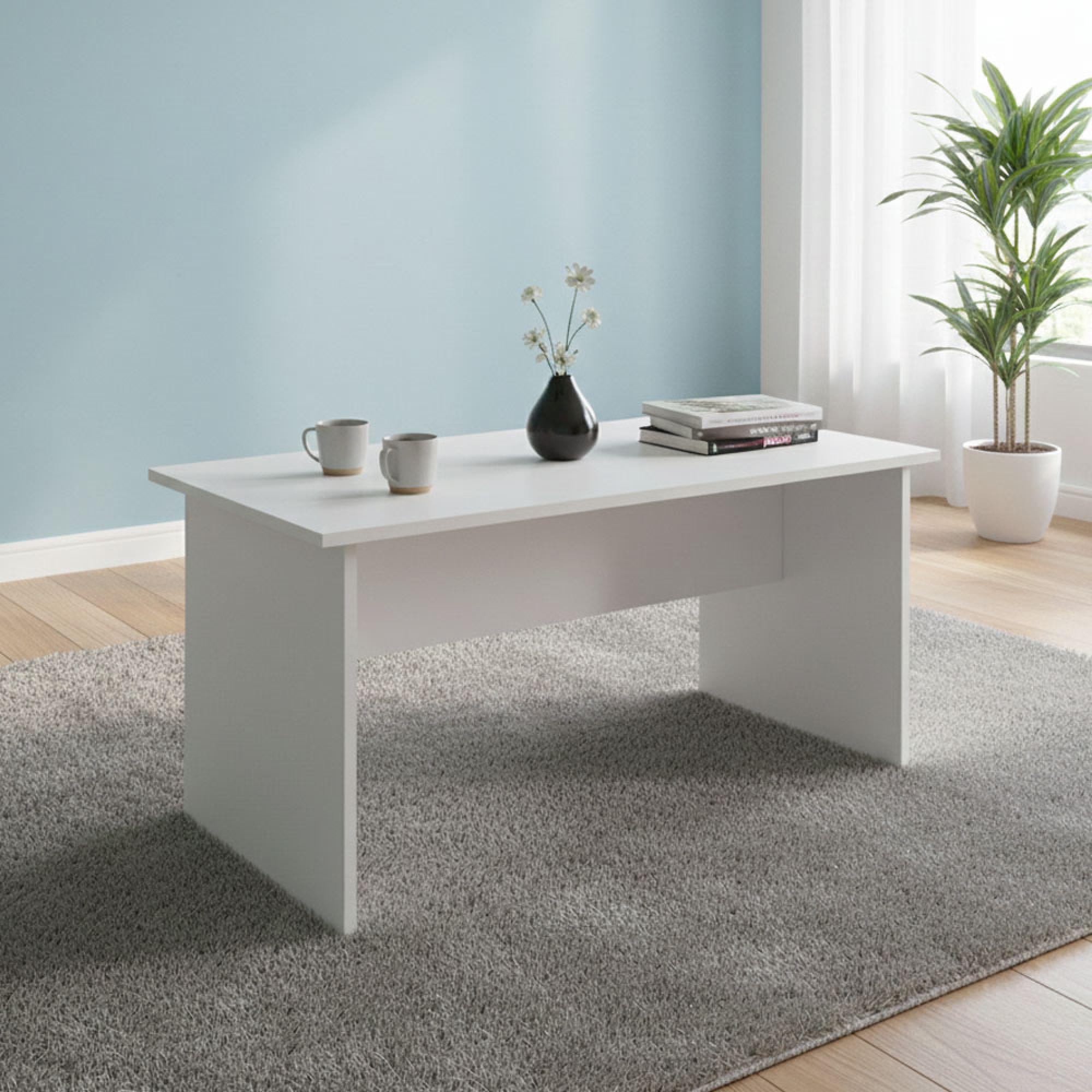
Style-wise, the collection leans modern and contemporary, with plenty of Scandinavian looks and a smaller but clear industrial presence. White, grey and black are the most common colour directions, alongside wood and oak effects, so it is easy to coordinate with existing Home Office Furniture. If you prefer a richer timber look, Dark Wood Desks offer a more classic or formal feel, while lighter oak, white matt and natural finishes keep the room brighter and visually lighter.
Desks in this category are available with free UK standard delivery. Many are supplied assembled, while others are flat packed or part assembled, so it is worth checking each product page if you have limited access, prefer minimal setup or want to know whether optional assembly is offered for that specific item. Finance options and a 50% deposit option are also available subject to CFS terms and eligibility, with item-specific availability shown on the product page and at checkout.