Free Delivery All Over UK*
close
Top products
SHOW ALL PRODUCTS

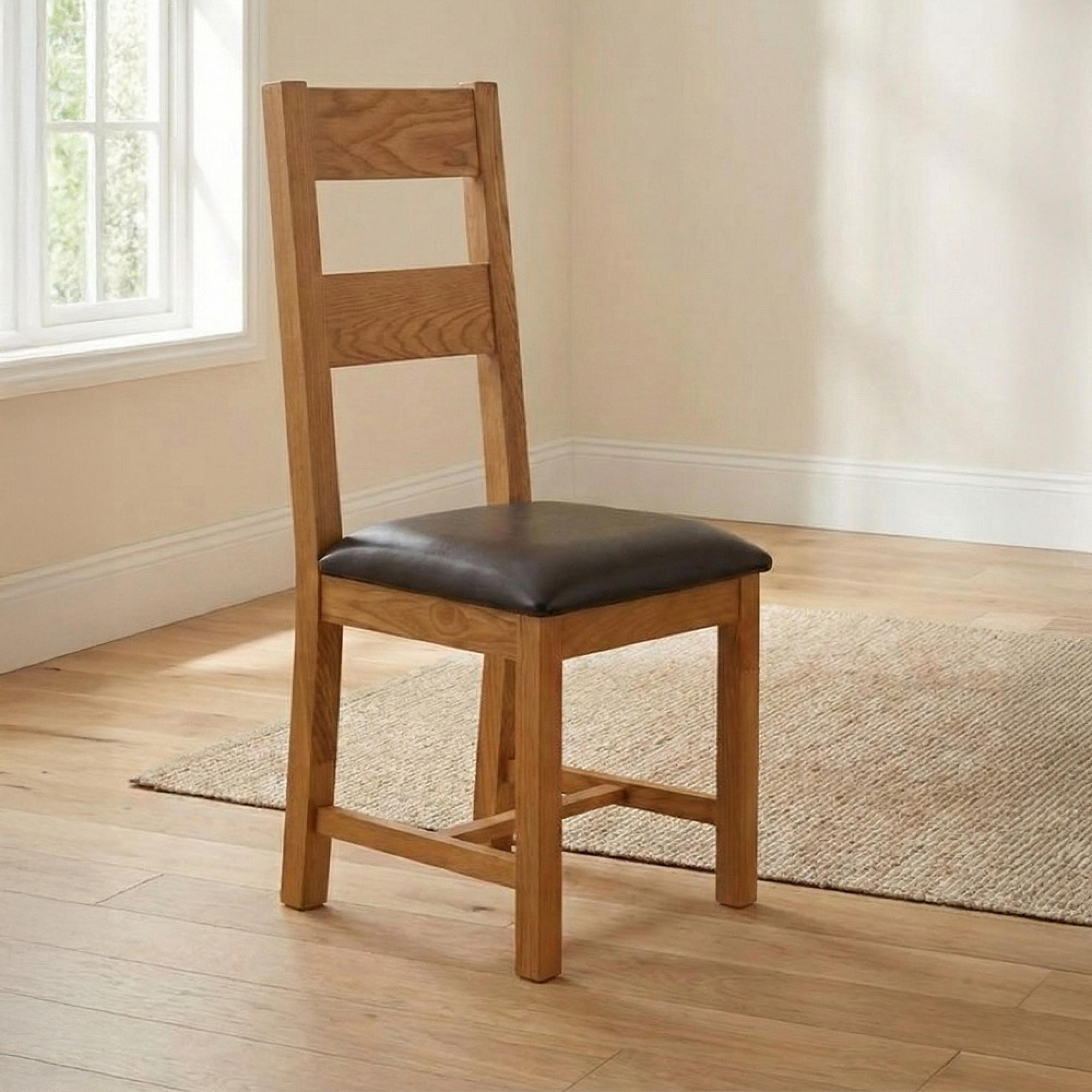
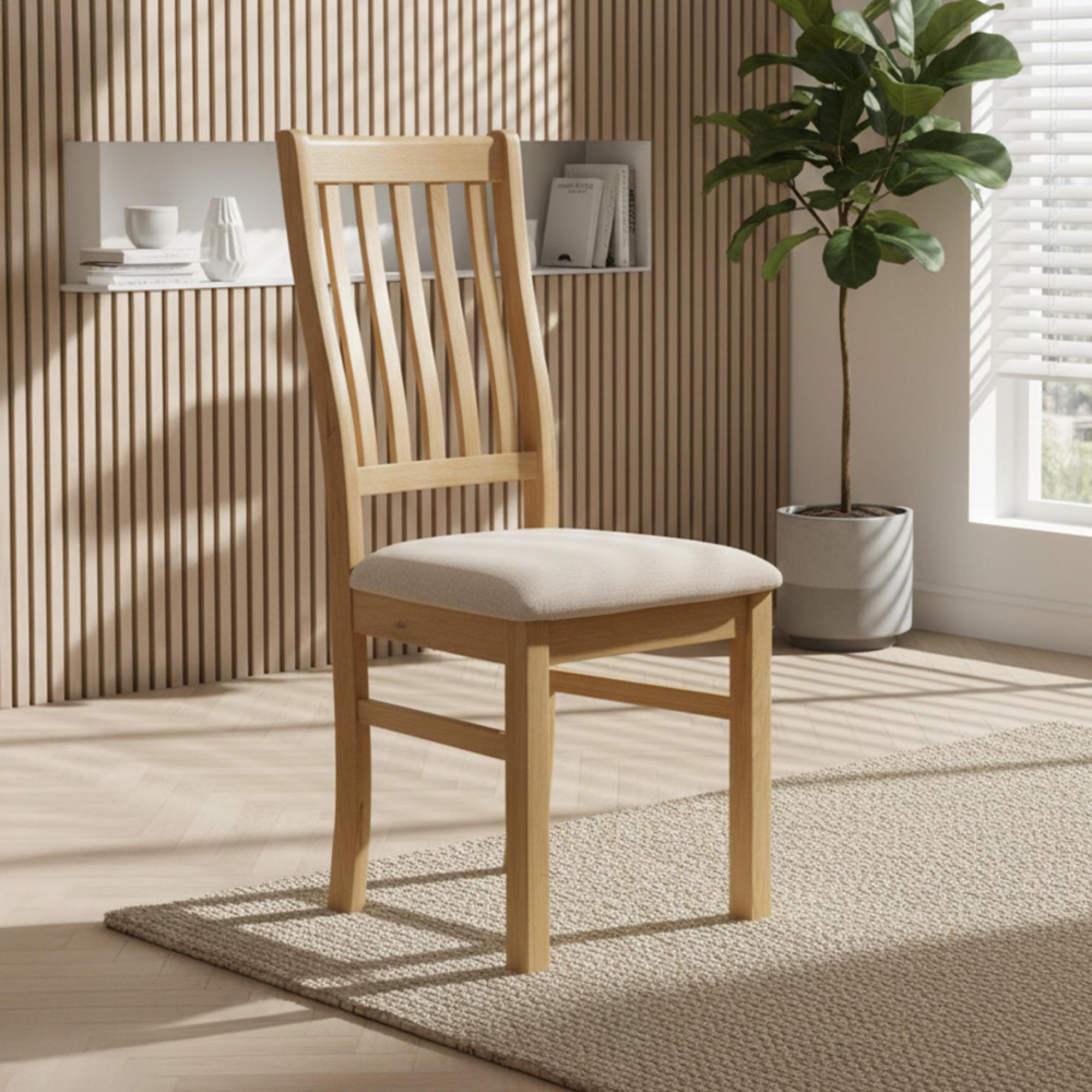
Pine Dining Chairs

Found 5 Items

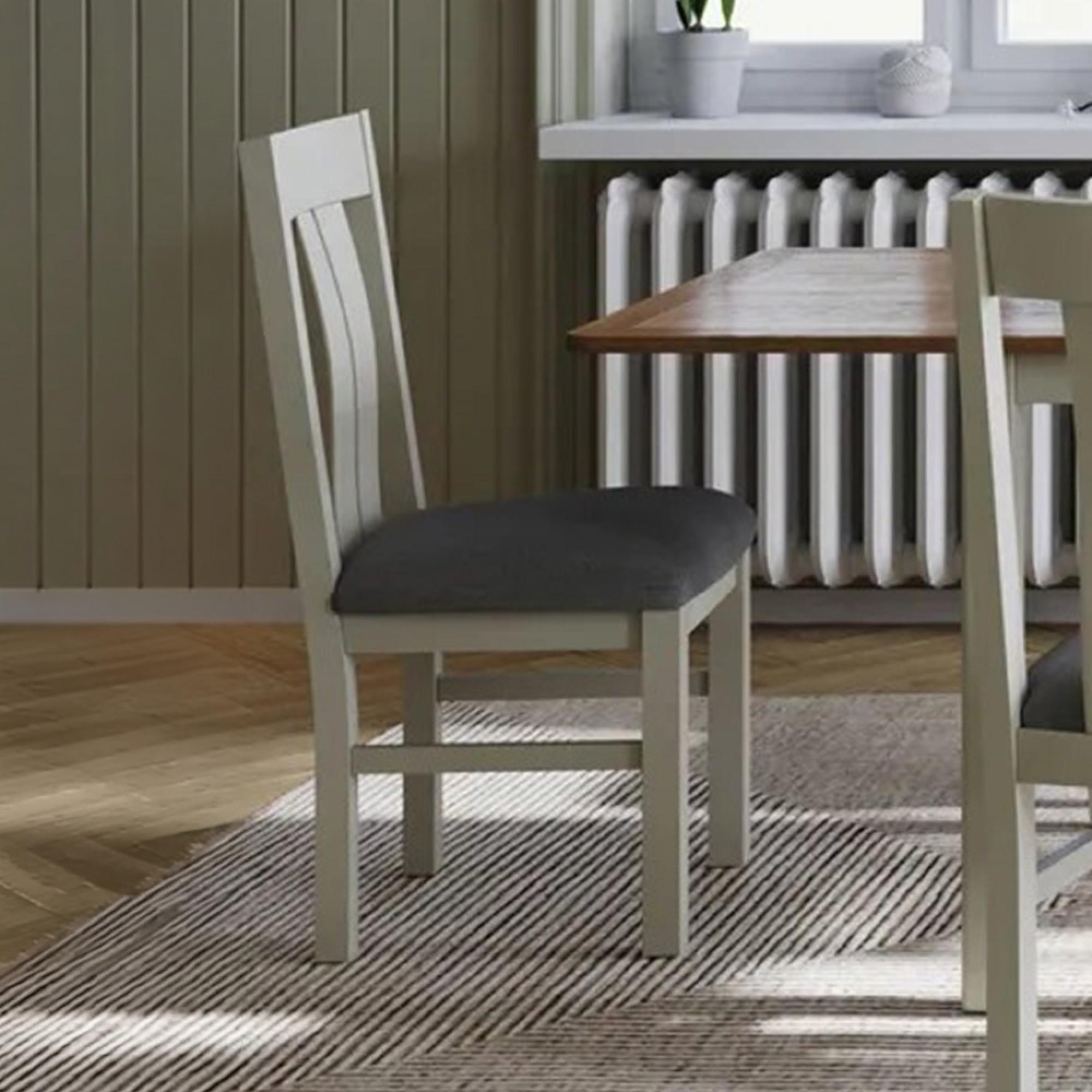
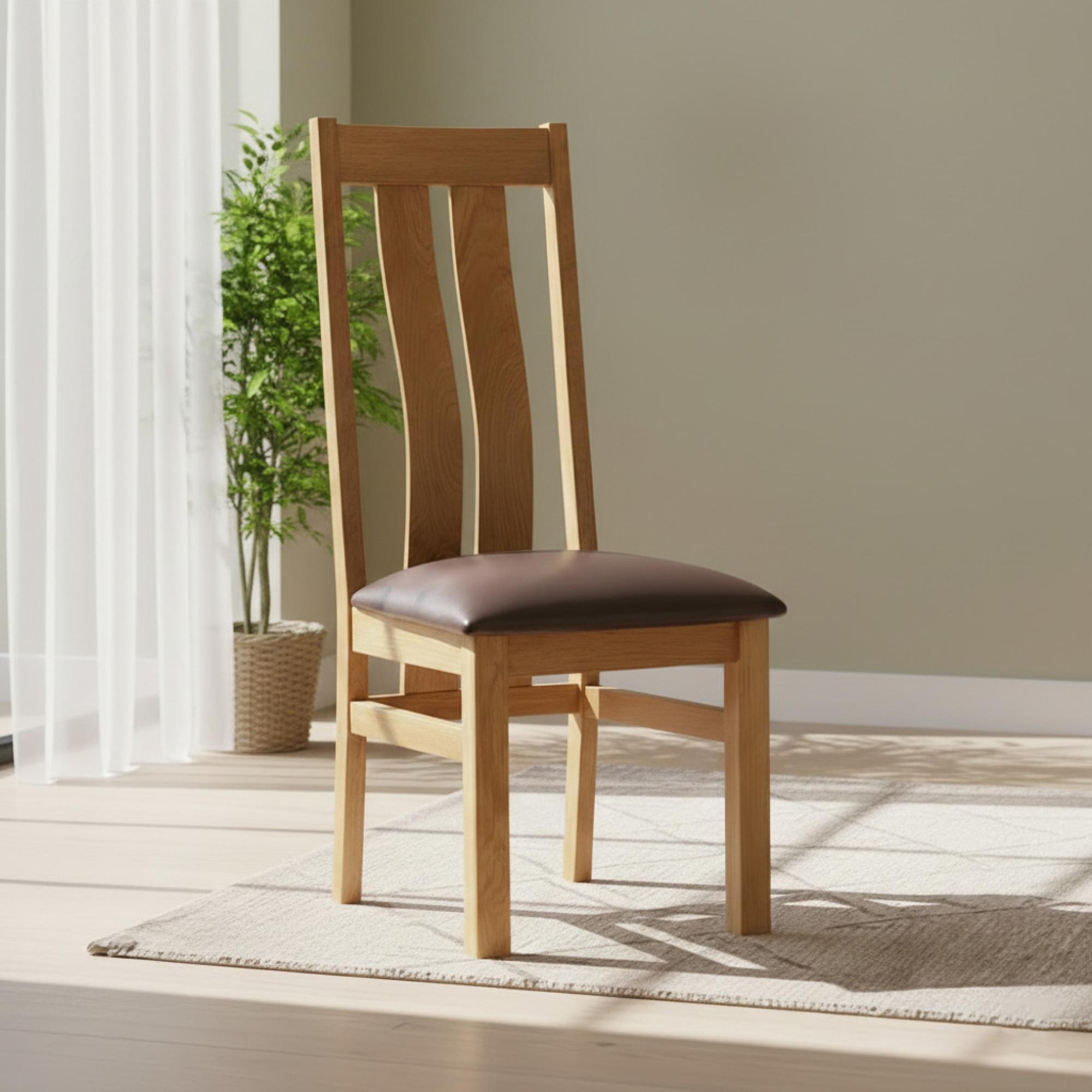
The Pine Dining Chairs category brings together choices intended to create comfortable, coordinated seating for everyday meals and longer gatherings. Compare upholstery, seat support, back shape, leg finish and whether chairs are sold individually or as a set to identify the right balance of appearance and function. The pine focus makes material, finish and care especially important when comparing products. Allow enough space to pull each chair out and move around the table comfortably.
Read more X Close

Popular Categories

Price

Material

Choosing Pine Dining Chairs

This category focuses on Pine Dining Chairs that can create comfortable, coordinated seating for everyday meals and longer gatherings. Start with the room layout and daily use, then compare upholstery, seat support, back shape, leg finish and whether chairs are sold individually or as a set. The pine focus makes material, finish and care especially important when comparing products. This keeps the decision focused on practical suitability as well as style.

Plan the space before choosing

Allow enough space to pull each chair out and move around the table comfortably. Record the available width, depth and height, including clearance for doors, drawers, reclining parts or extensions where relevant. Account for skirting boards, radiators, sockets and walking routes, then check the access route through doors, halls and stairs.

For adjacent choices, explore Dining Chairs, Indian Dining Chairs and Oak Dining Chairs. Use these comparisons alongside the specifications on each product page.

Pine Dining Chairs for considered interiors

The Pine Dining Chairs category focuses on choices intended to create comfortable, coordinated seating for everyday meals and longer gatherings. A suitable option should respond to the room's proportions, surrounding furniture and practical demands of everyday use. The pine focus makes material, finish and care especially important when comparing products.

Material, finish and construction

When comparing dining chairs, look closely at upholstery, seat support, back shape, leg finish and whether chairs are sold individually or as a set. Materials influence appearance, weight and maintenance, while finish affects colour coordination and day-to-day care. Use the written specification to confirm construction and care requirements.

Function and room planning

Allow enough space to pull each chair out and move around the table comfortably. Mark out the footprint and consider how people move around it. Where a product opens, extends, swivels or reclines, include that working clearance. For storage, seating or sleeping products, match the layout, support and capacity to the needs of regular users.

Creating a coordinated result

Build the room around a clear relationship between scale, colour and material. Matching every finish is not essential, but repeating one or two elements can connect separate pieces. You can also compare Dining Chairs, Indian Dining Chairs and Oak Dining Chairs for closely related room and product choices. Use the individual listing to confirm dimensions, included components, assembly and suitability.

Read more X Close

FAQs on Pine Dining Chairs

What should I look for when buying pine dining chairs?

Check for solid wood construction with reinforced joints and stretchers. Verify weight capacity matches your needs in product specs. Consider seat height relative to your table (typically 25–30cm gap). Look for chairs with contoured seats for comfort. Examine wood finish quality and whether the style suits your décor.

Yes, solid pine dining chairs withstand everyday use well when properly constructed with reinforced joints and sturdy frames. Pine is moderately soft, so expect minor dents over years rather than structural failure. Proper maintenance—regular dusting and occasional conditioning—extends their lifespan significantly.

Pines natural warmth works well paired with contemporary tables in glass, steel, or light wood. Keep styling minimal: neutral seat pads, simple table runners, and clean lines. Paint chairs soft grey or white for a Scandinavian feel, or leave natural finishes as a feature against modern cabinetry.

Pine is softer, lighter, and more affordable than oak. Oak is denser, more durable, and resists scratches better. Pine accepts paint and stain beautifully and suits farmhouse styles. Oak maintains its grain character and costs more. Choose pine for budget-conscious buyers; oak for maximum longevity.

Measure the height from floor to tabletop. Chairs should sit 25–30cm lower than the table surface. Check seat width (typically 40–50cm) against your table width for comfortable spacing. Allow 60cm per place setting around the table. Verify chair depth doesnt obstruct movement when pushed under.

Yes, pine accepts paint, stain, and wax exceptionally well. Light sanding removes the old finish; use quality wood primer before painting. Stains enhance the natural grain beautifully. Choose outdoor-grade finishes if chairs will see heavy use. Reapply finishes every 2–3 years depending on wear.

Yes, pine chairs are ideal for compact spaces. Their lightweight construction makes them easy to move and store. Most designs have a smaller footprint than upholstered alternatives. Stack-friendly ladder-back styles save space when not in use. Their visual lightness also prevents cramped-looking rooms.

Dust regularly with a soft cloth. Wipe spills immediately with a barely damp cloth to prevent water marks. Avoid abrasive cleaners and excess moisture. Apply wood conditioner or beeswax every 6–12 months to nourish the wood and restore lustre. Use placemats and coasters for protection.

Weight capacity varies by design and construction quality. Most solid pine chairs safely support 100–150kg. Always check individual product specifications before purchase, as reinforced joints and frame thickness affect limits. Contact our team if you have specific weight or durability concerns.

Pine offers excellent value—solid timber at a lower price than hardwoods like oak or walnut. You get authentic wood character, durability for daily use, and easy customisation through paint or stain. Cost per year of use is competitive, especially when properly maintained.
Top