Free Delivery All Over UK*
close
Top products
SHOW ALL PRODUCTS

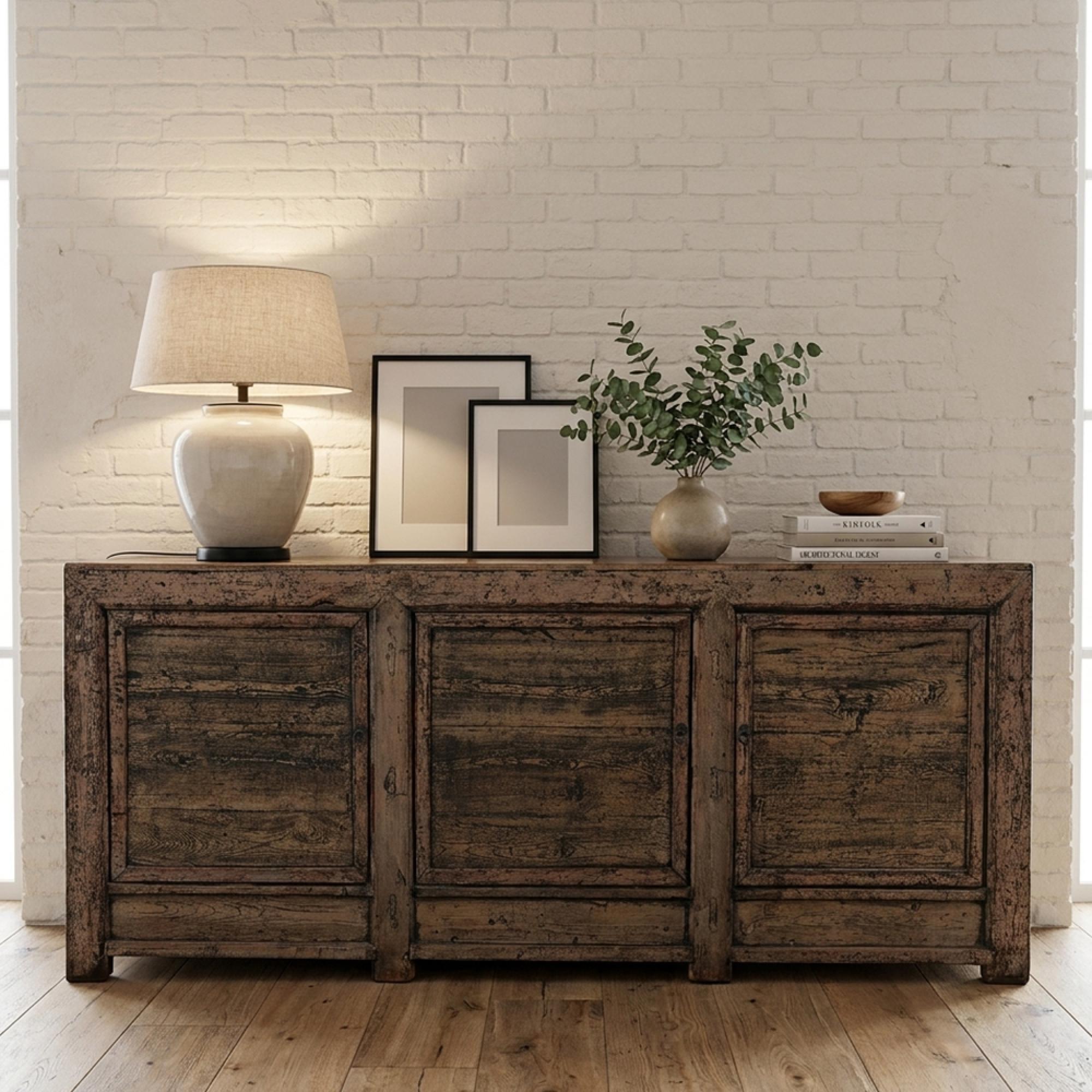
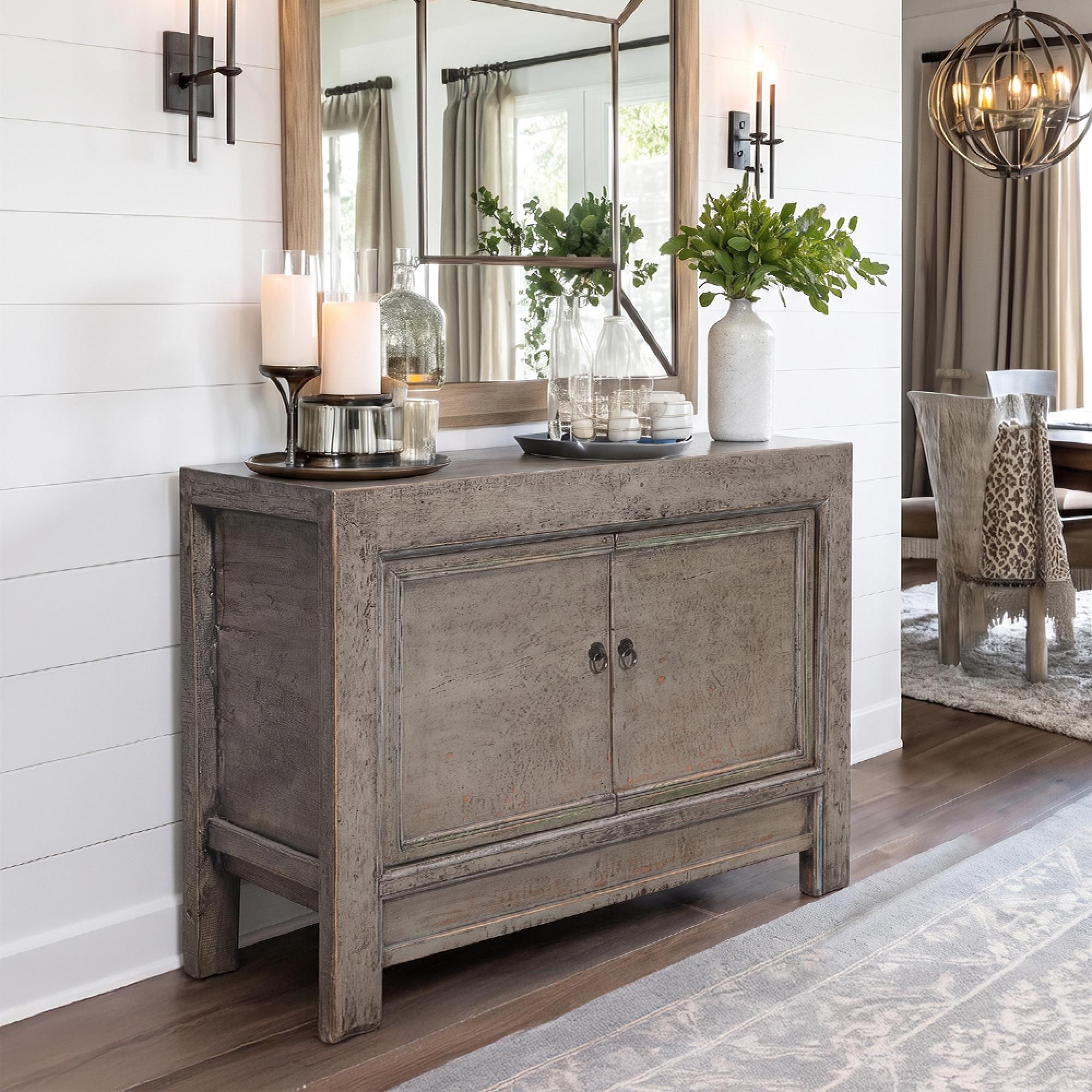
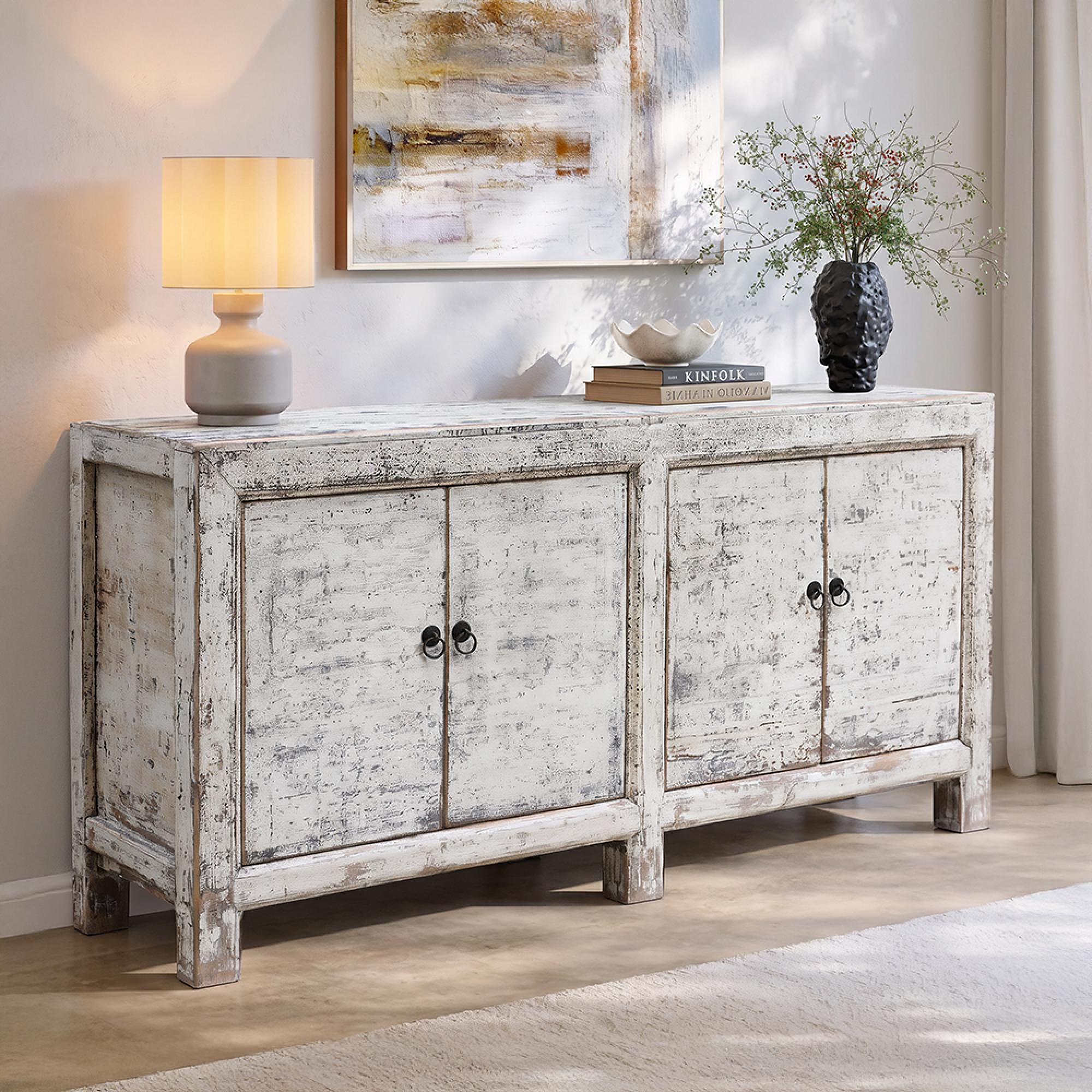
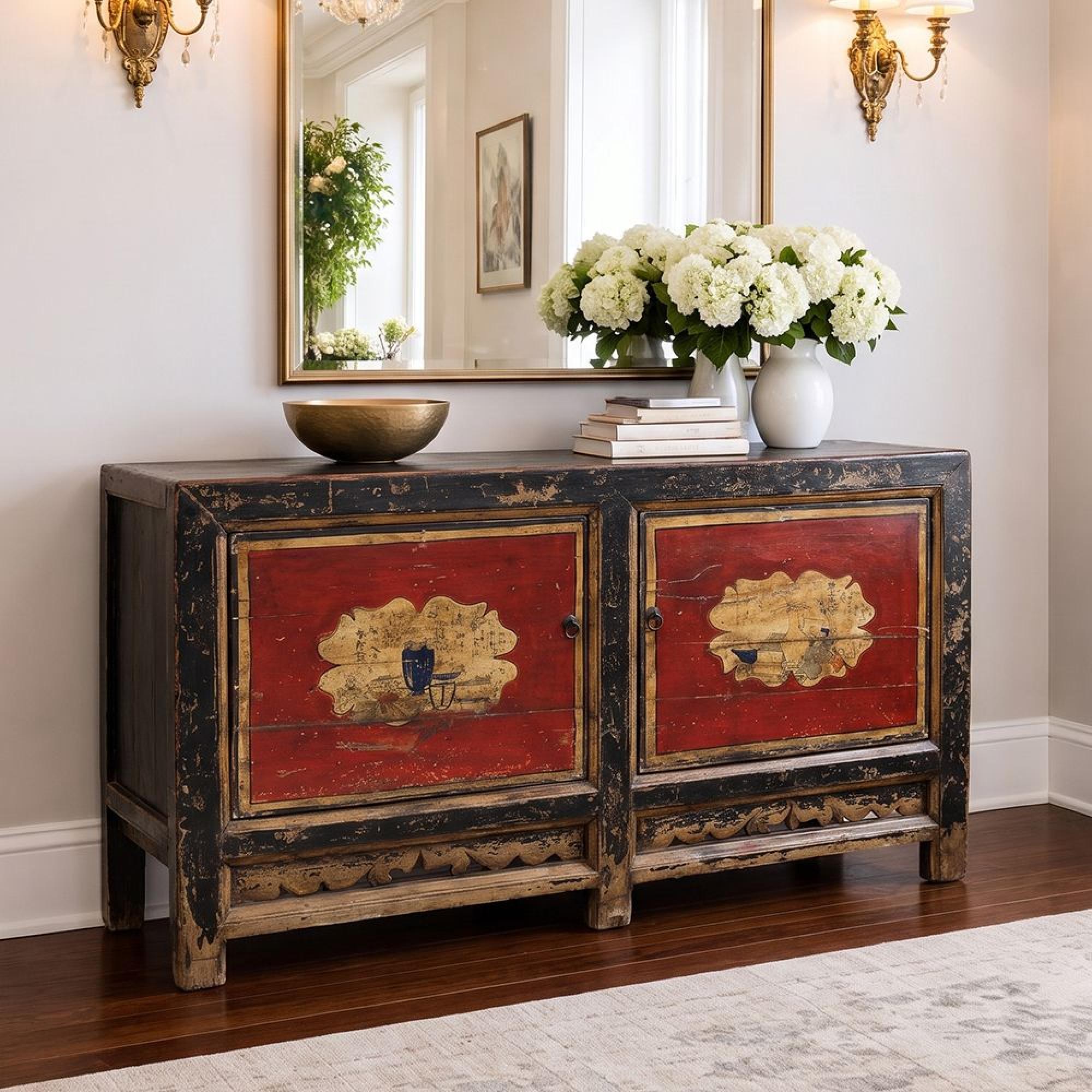
Reclaimed Wood Sideboards

Found 26 Items

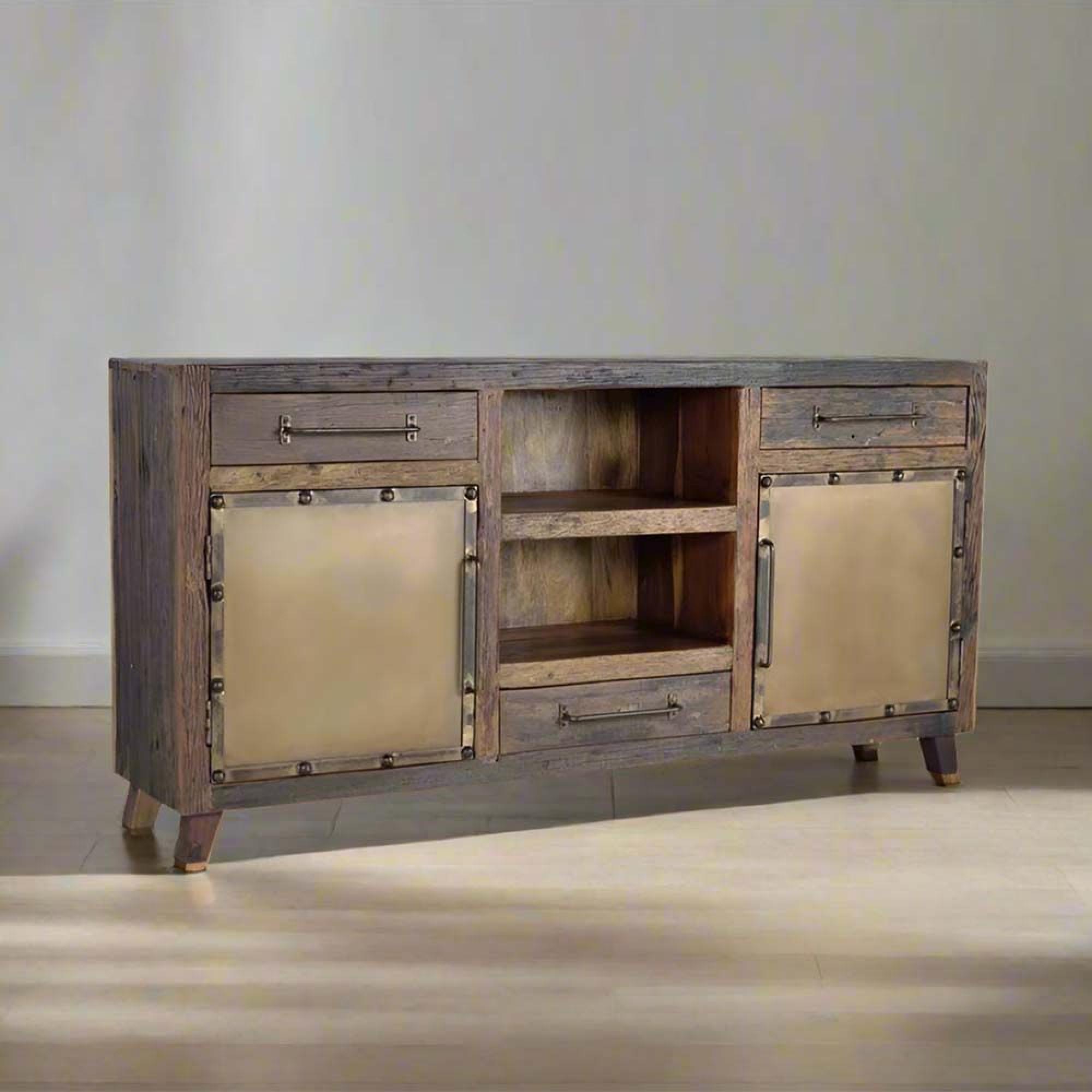
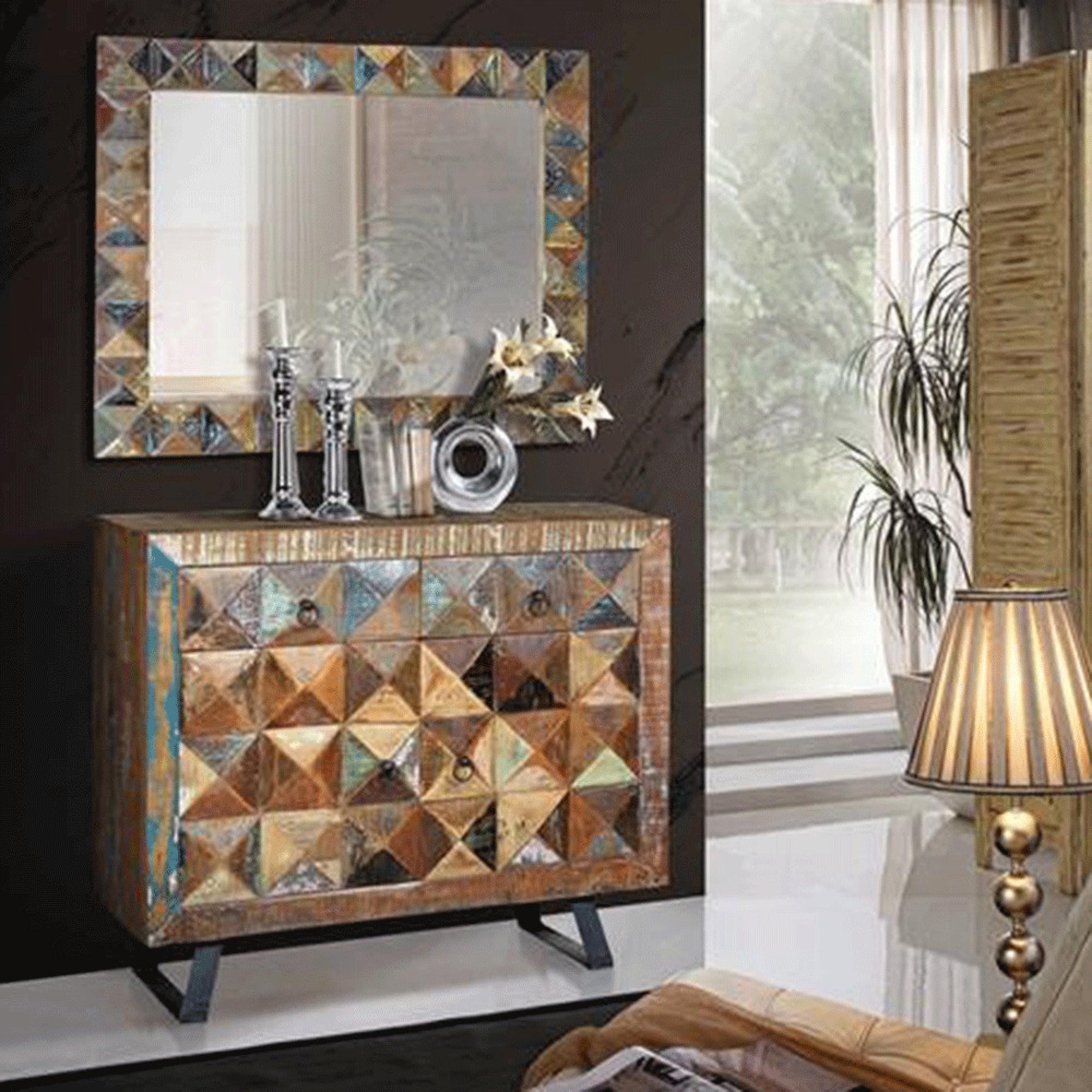
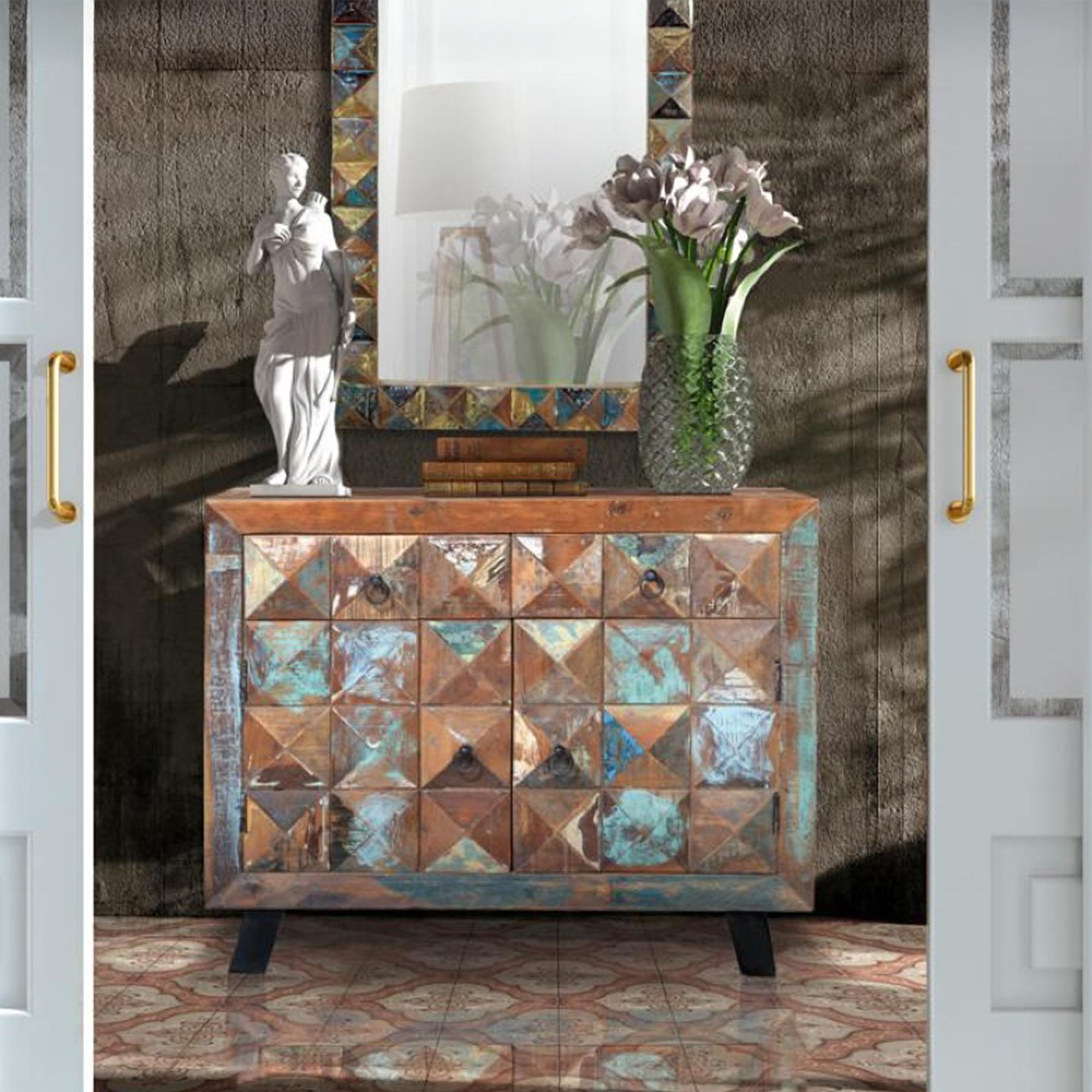
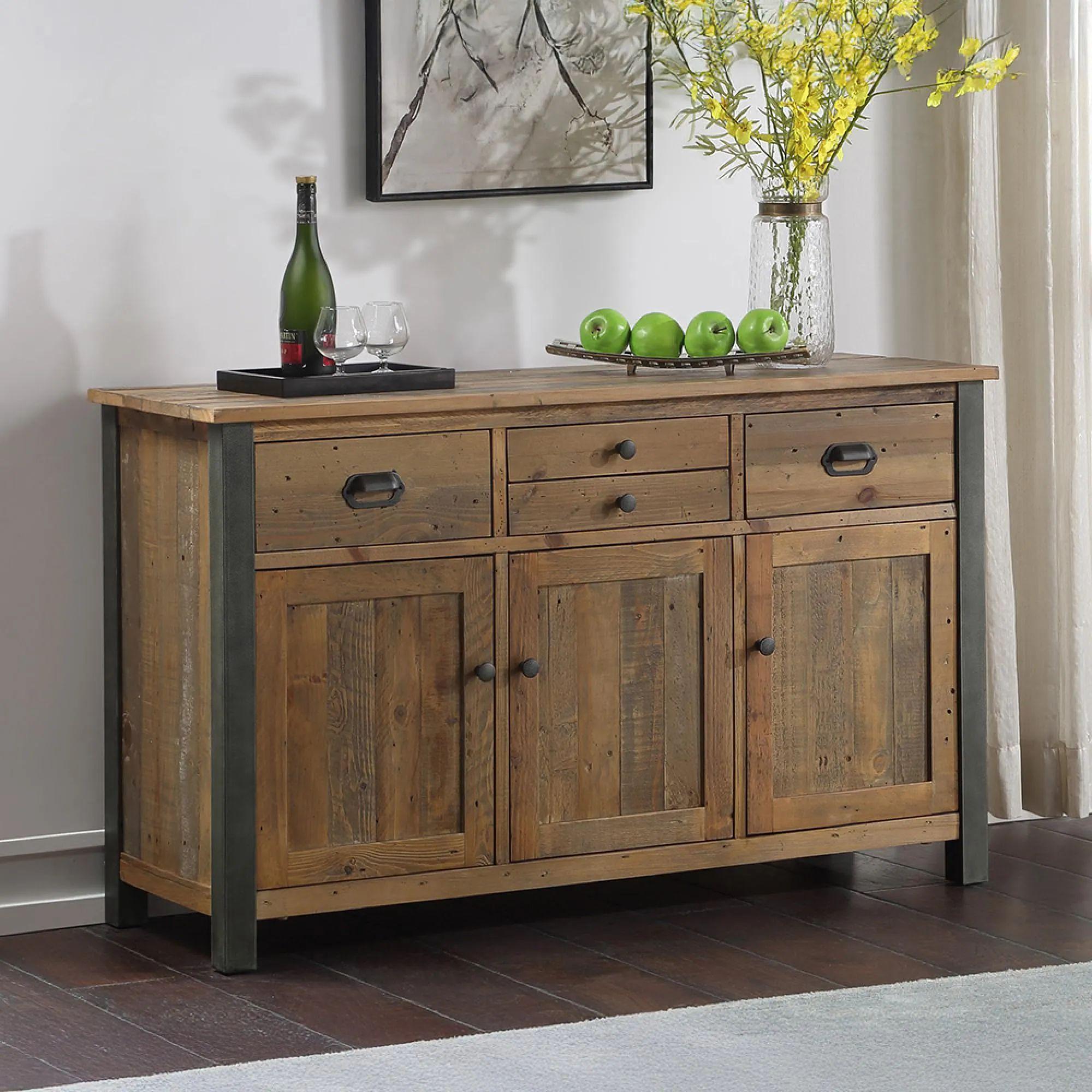
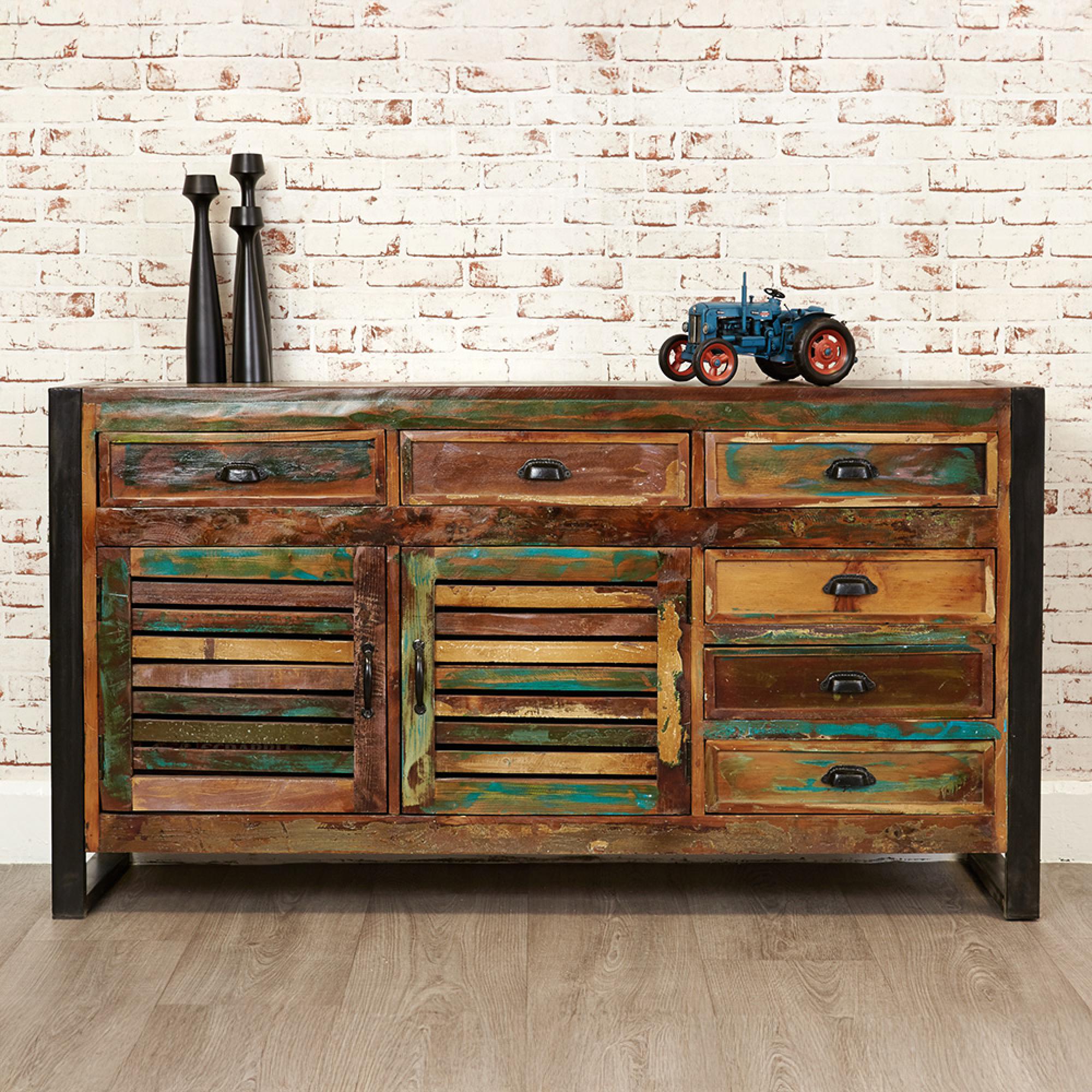
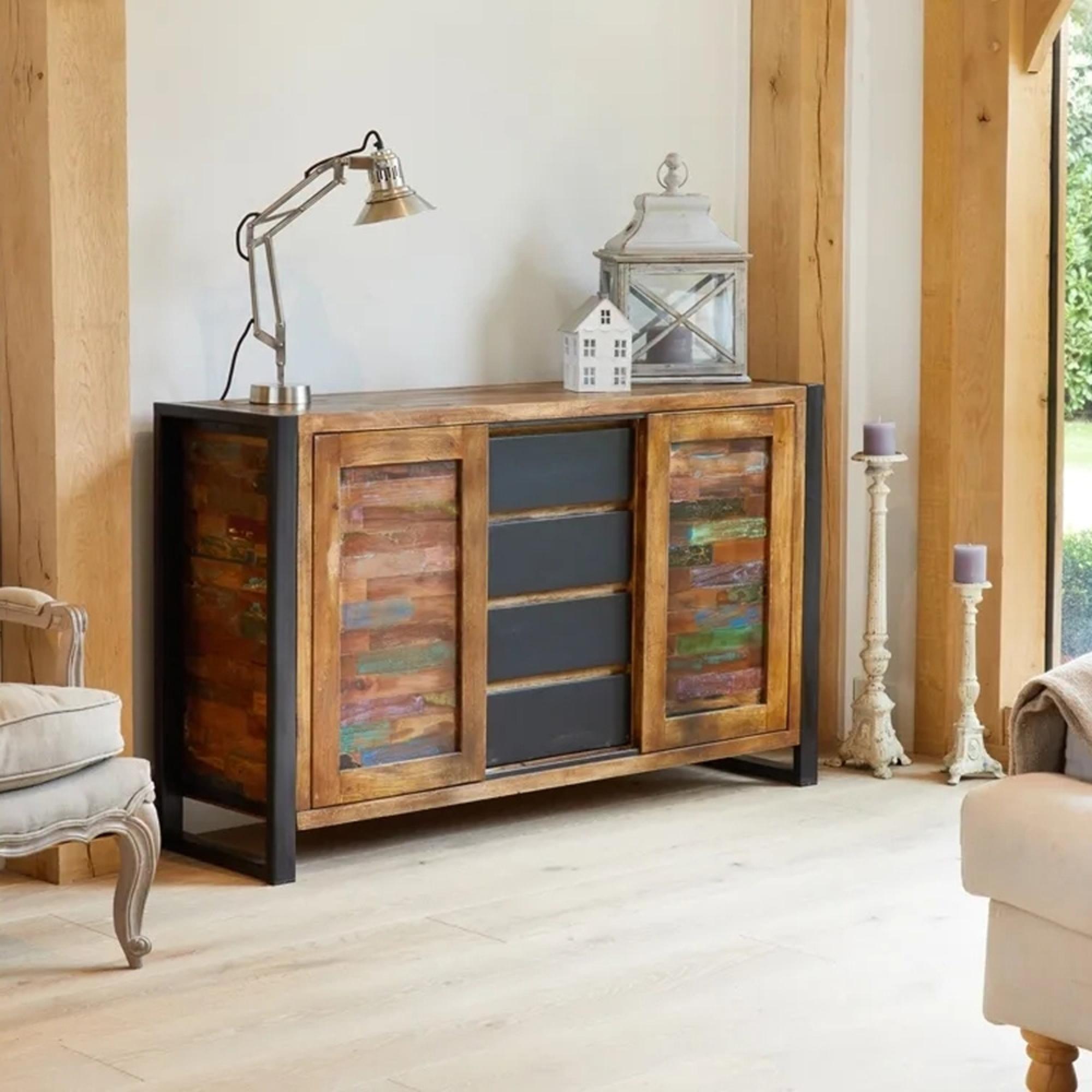
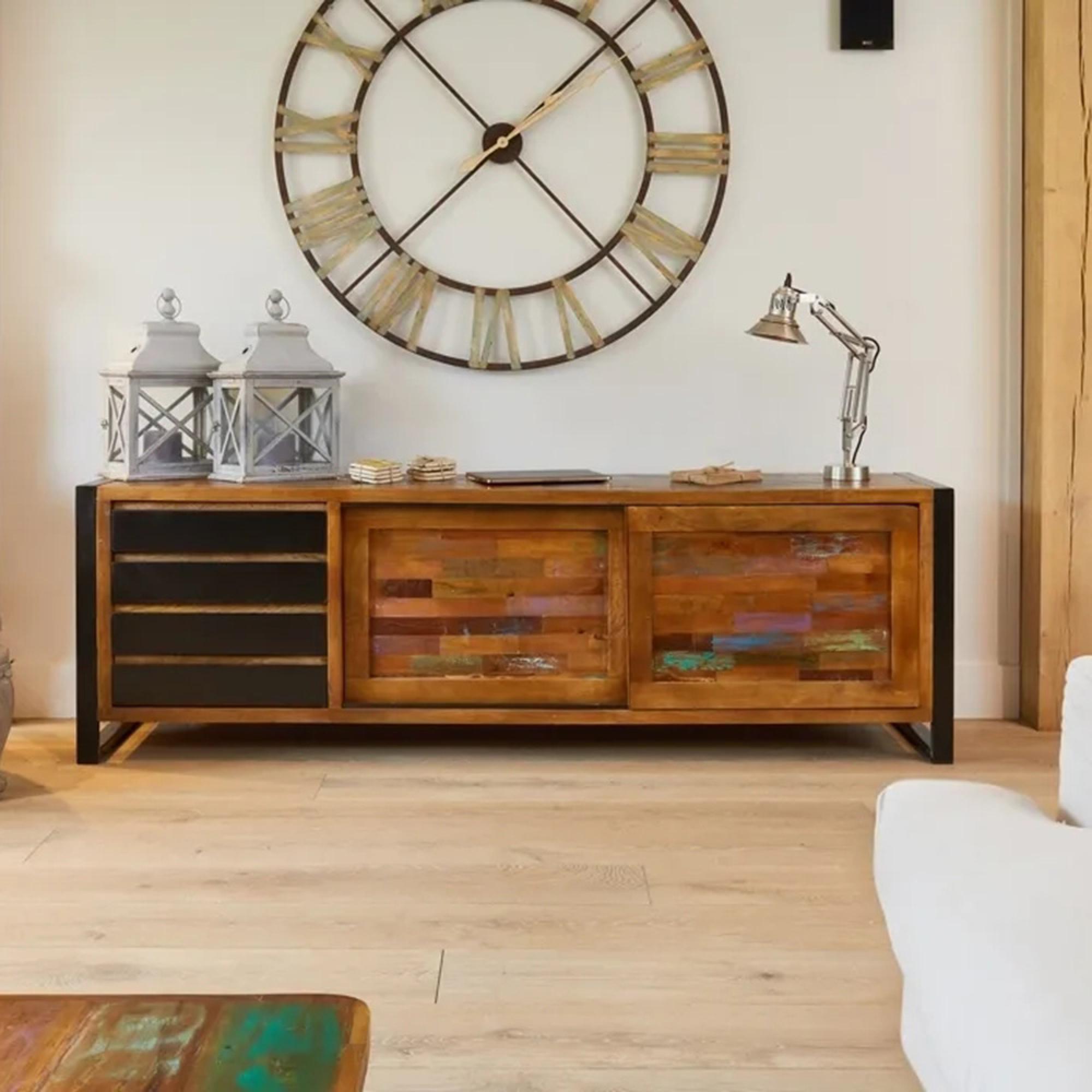
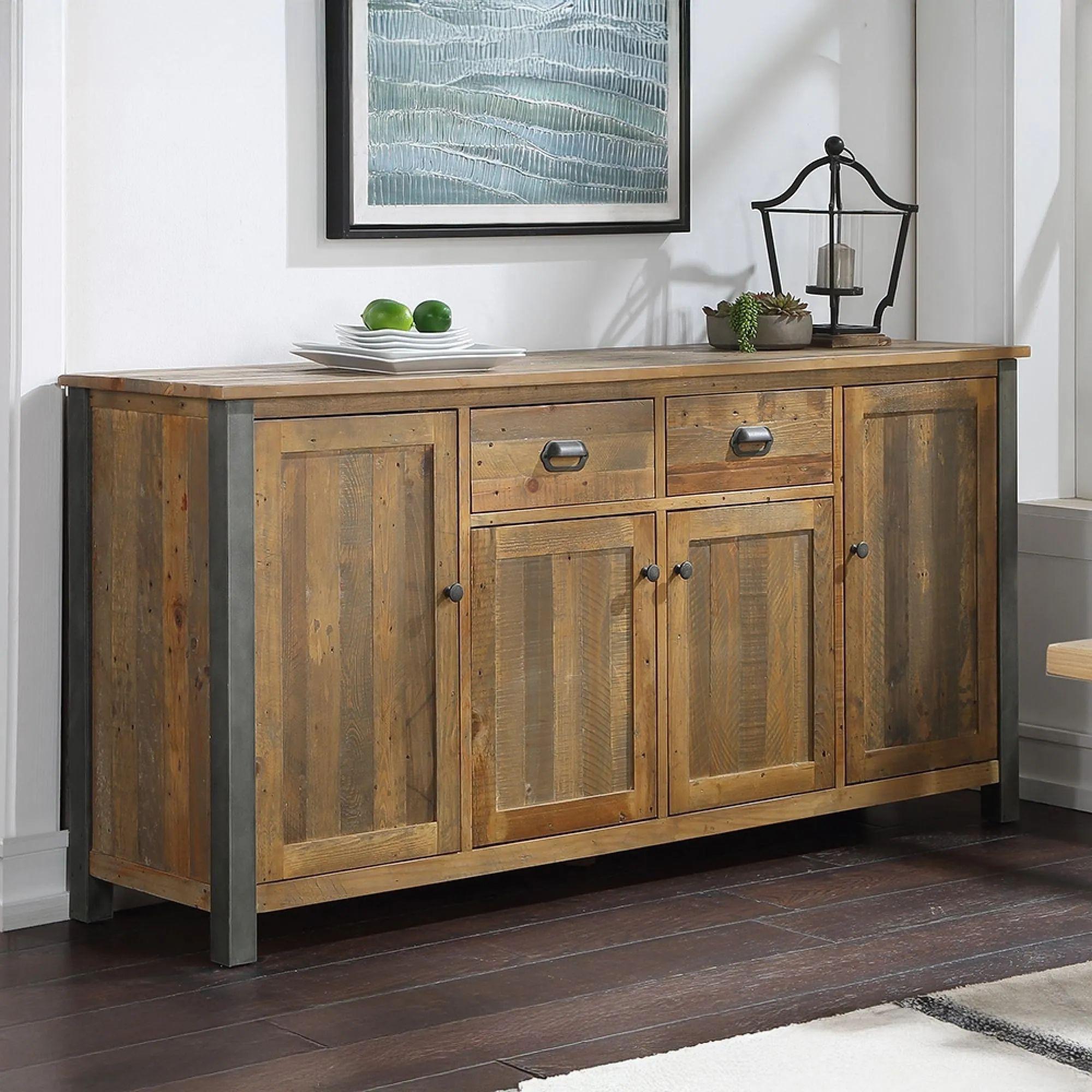
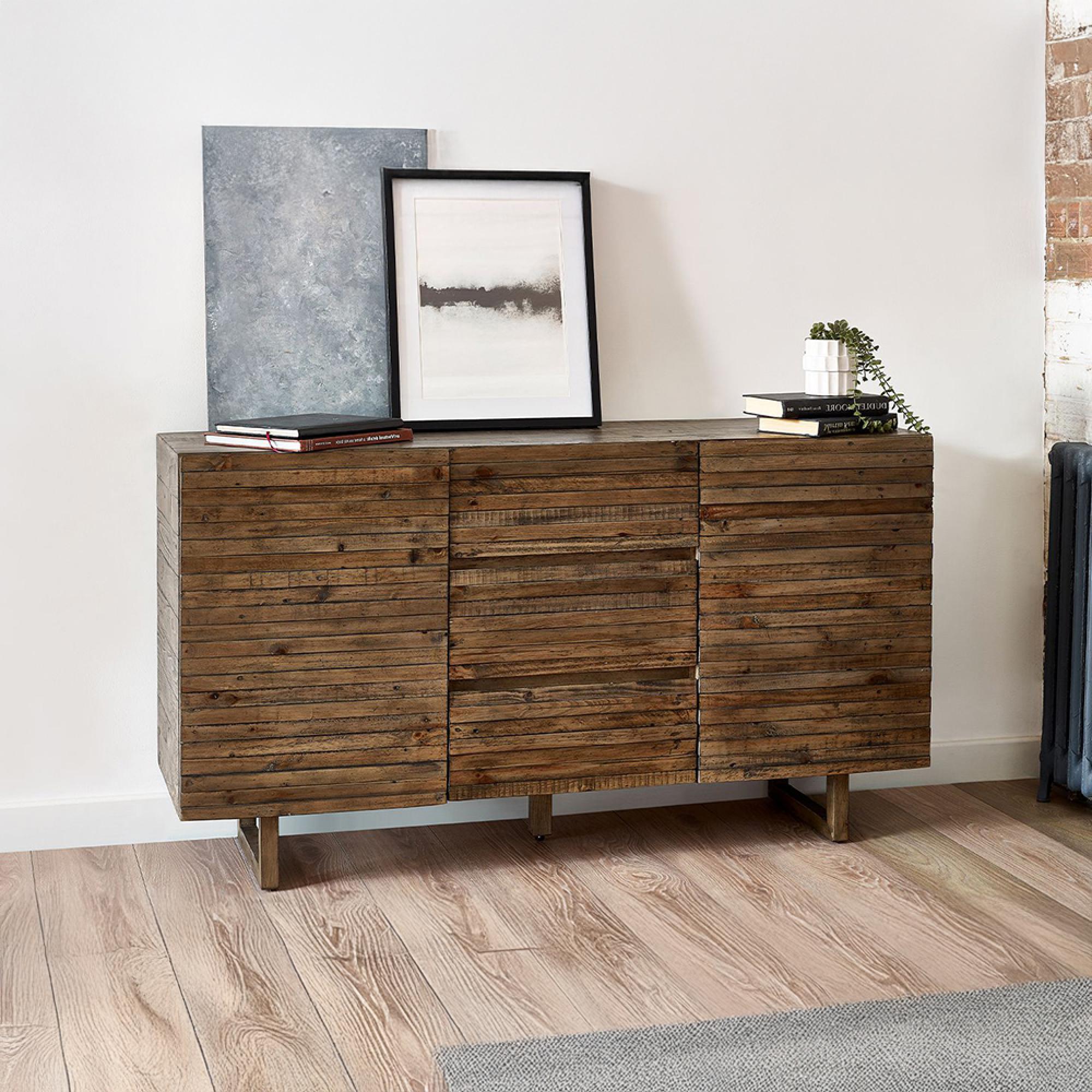
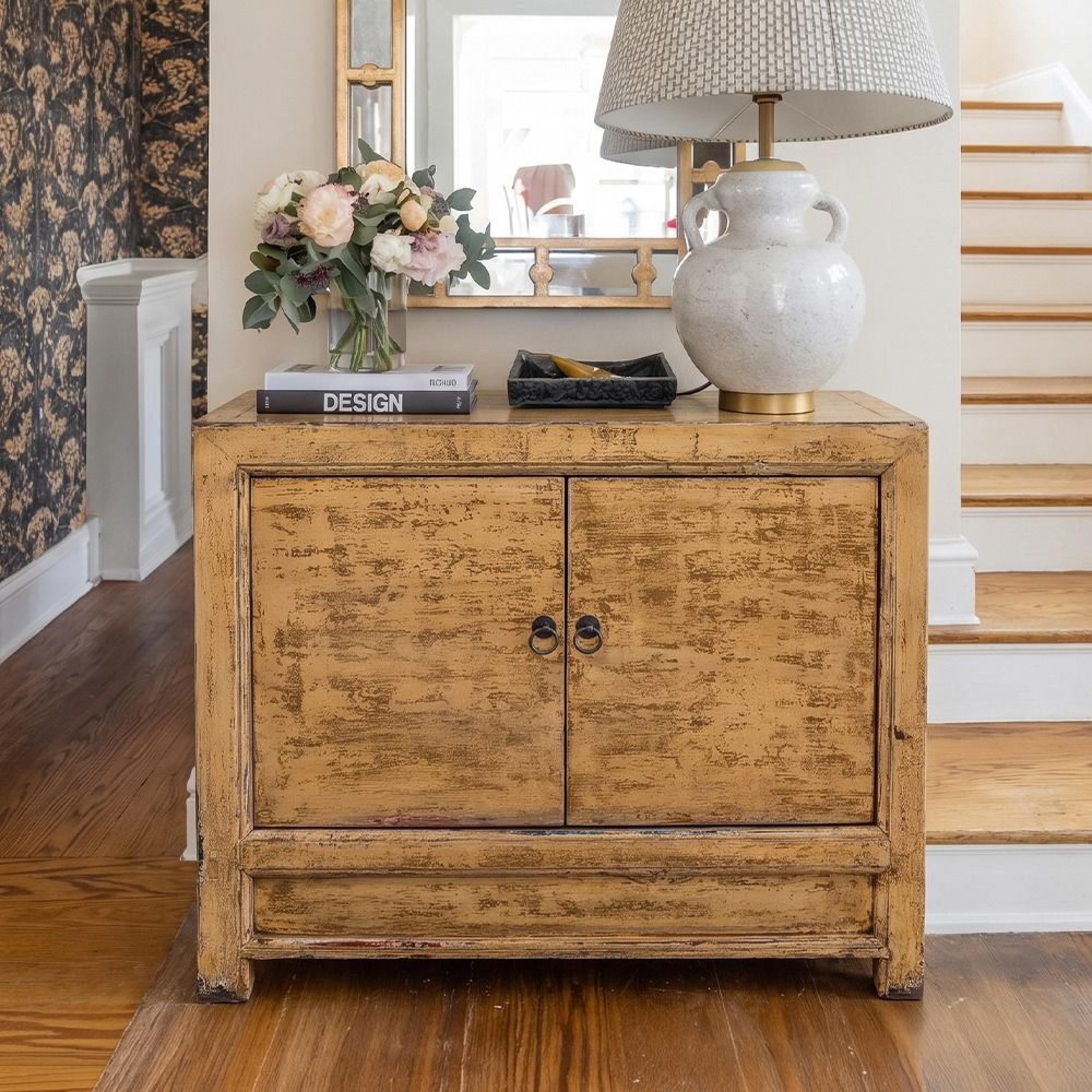
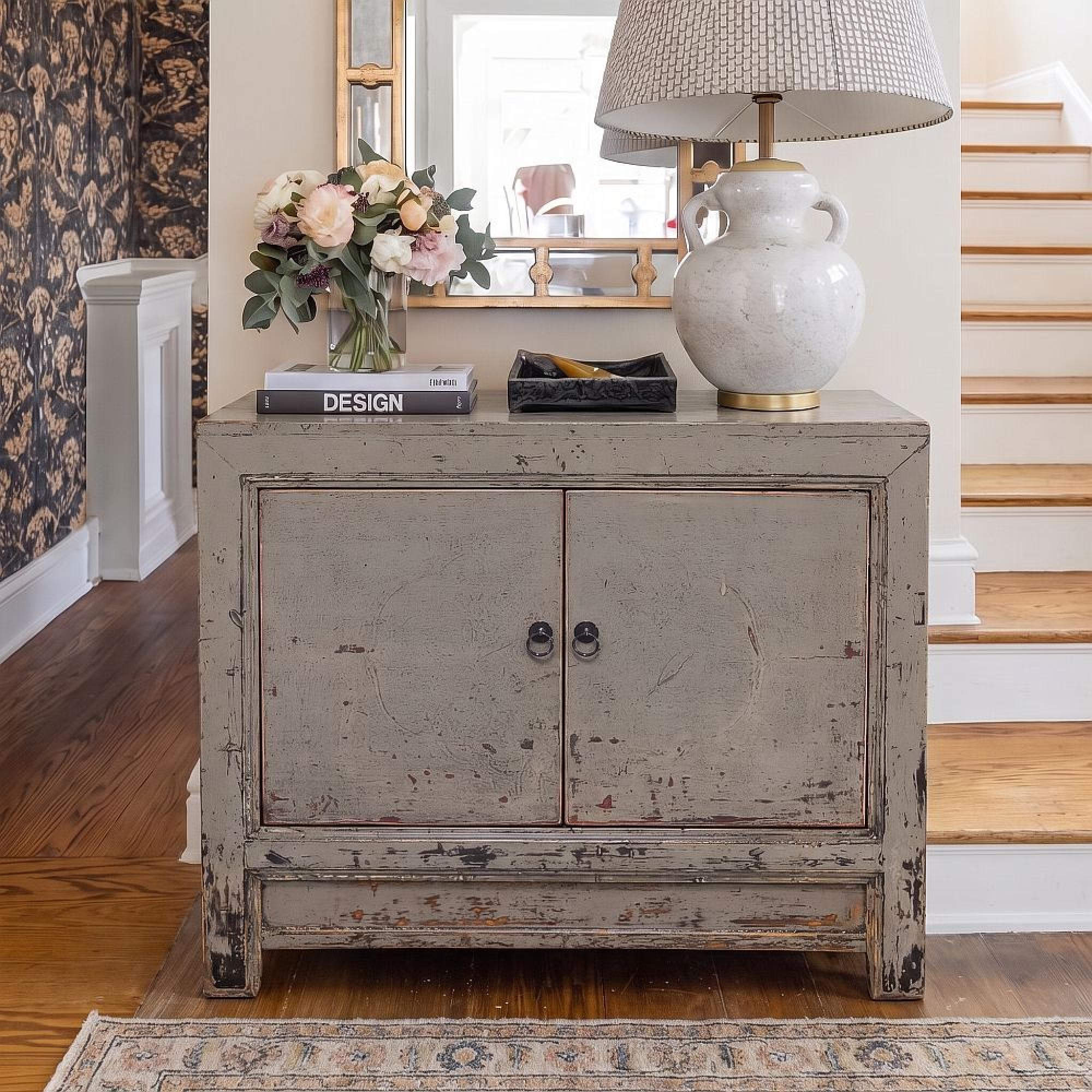
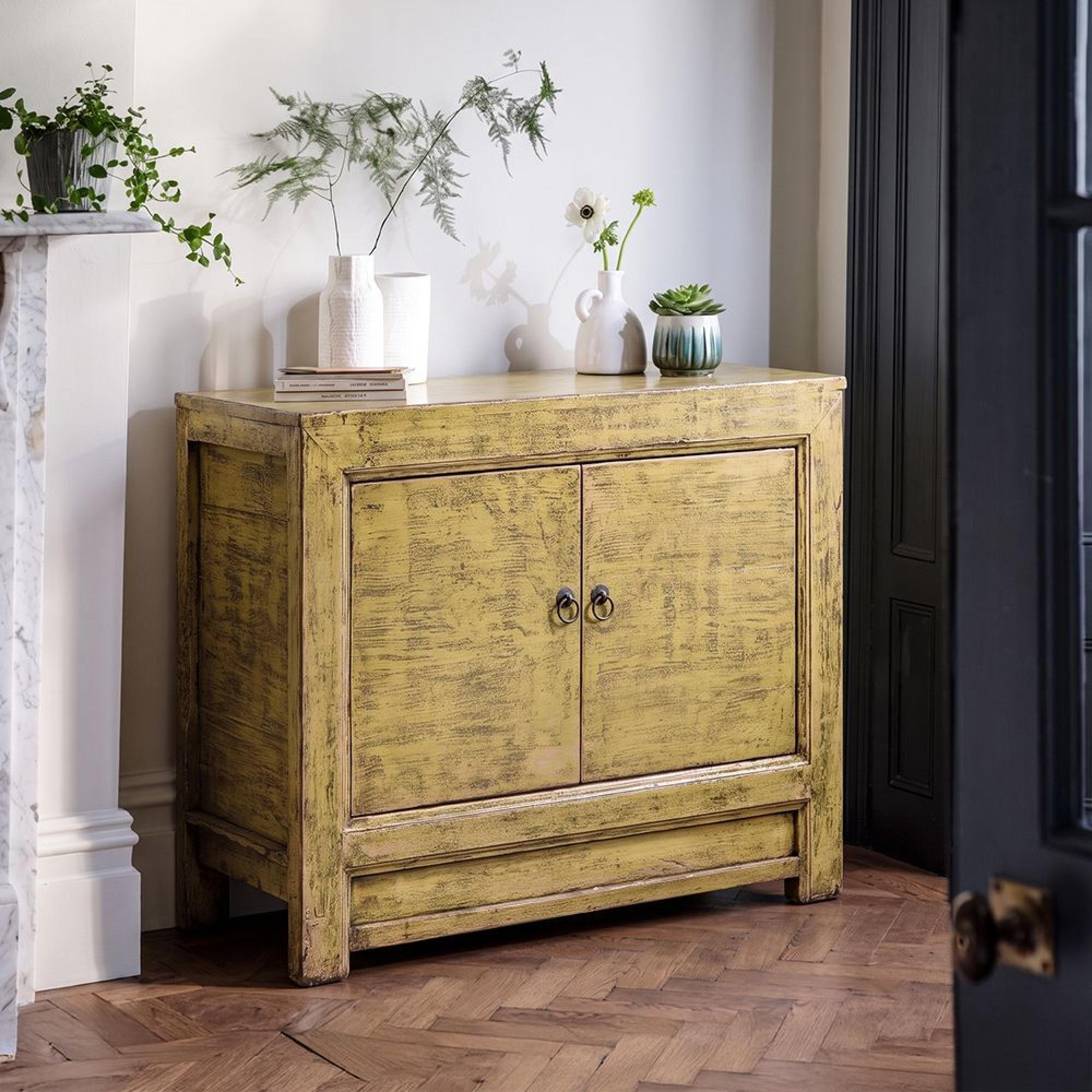
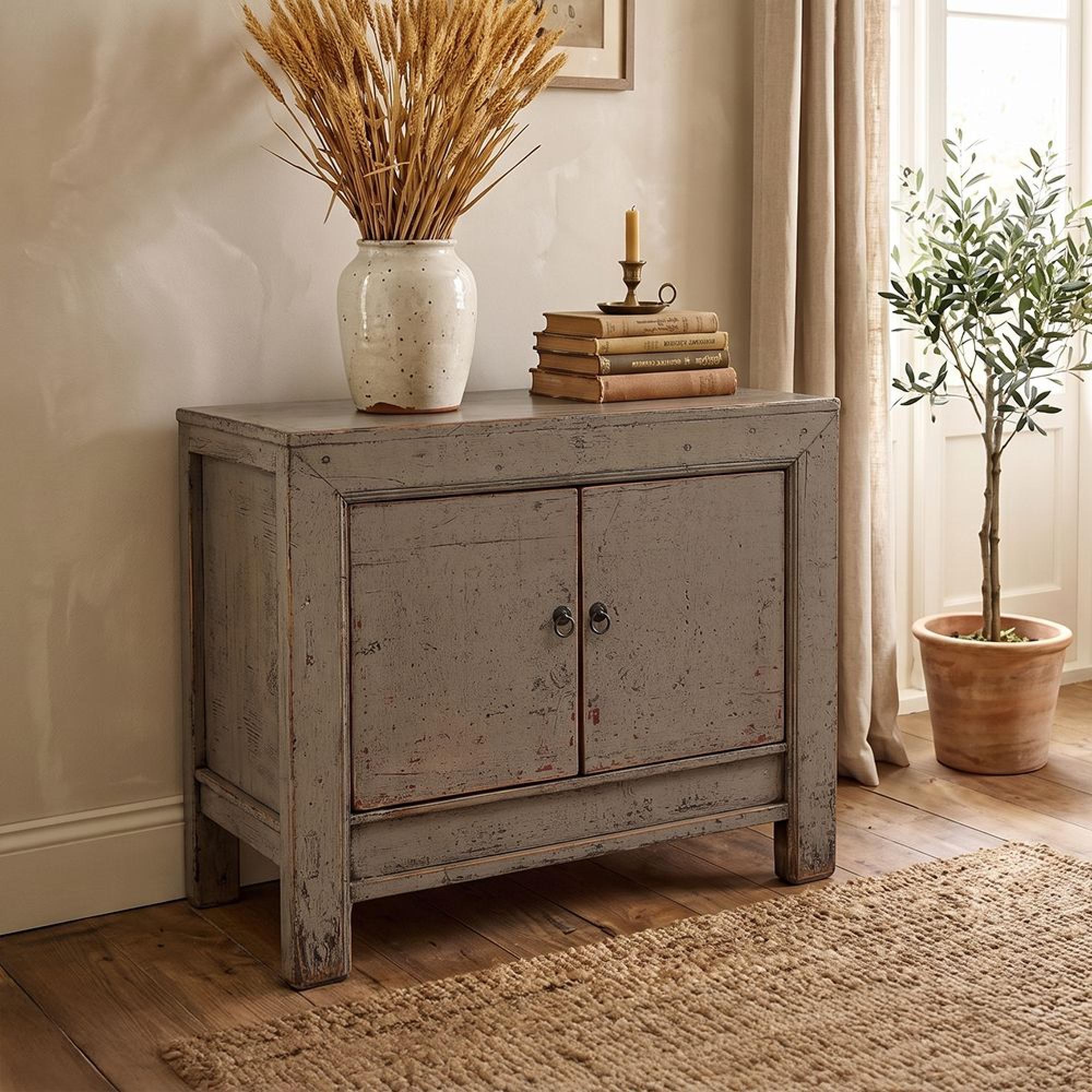
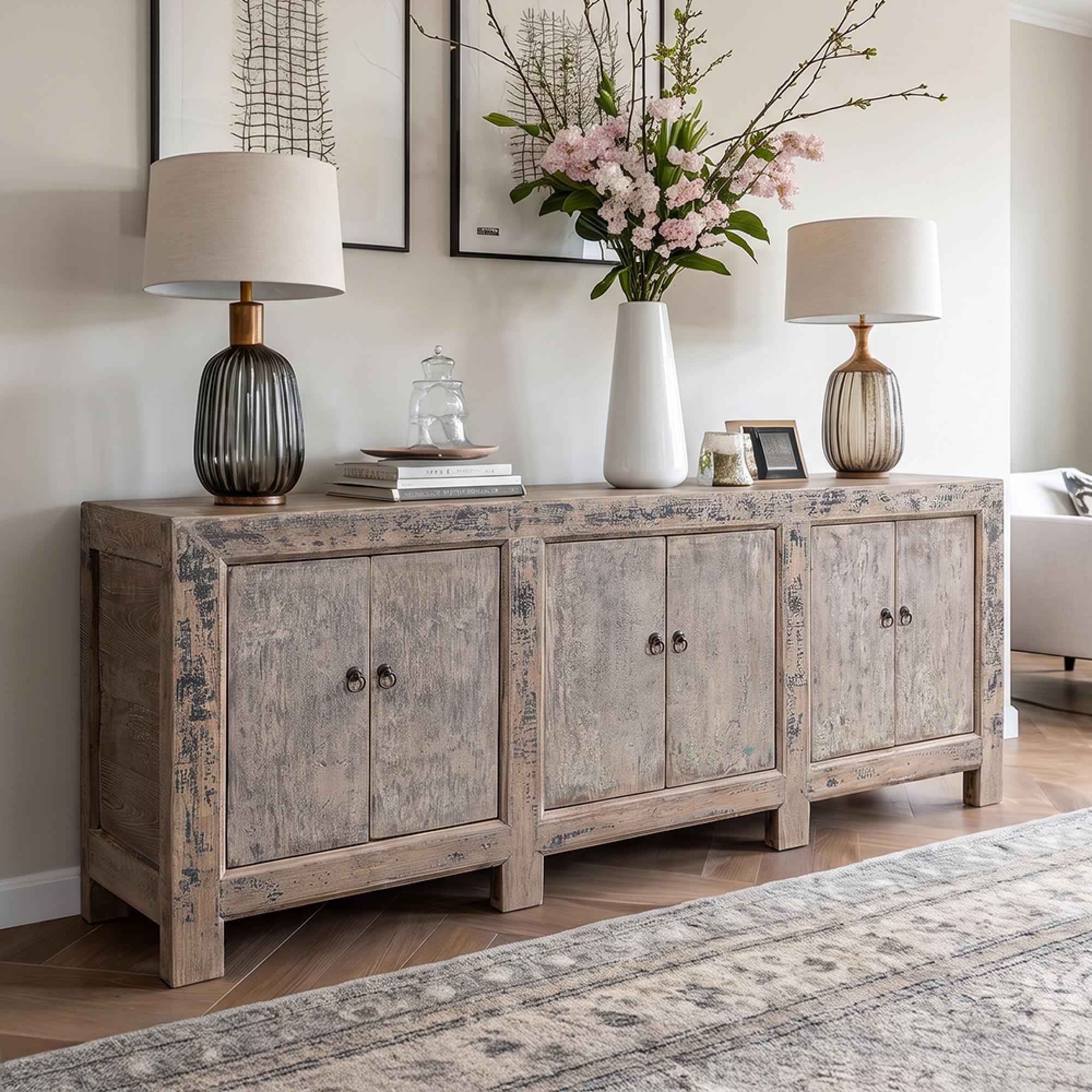
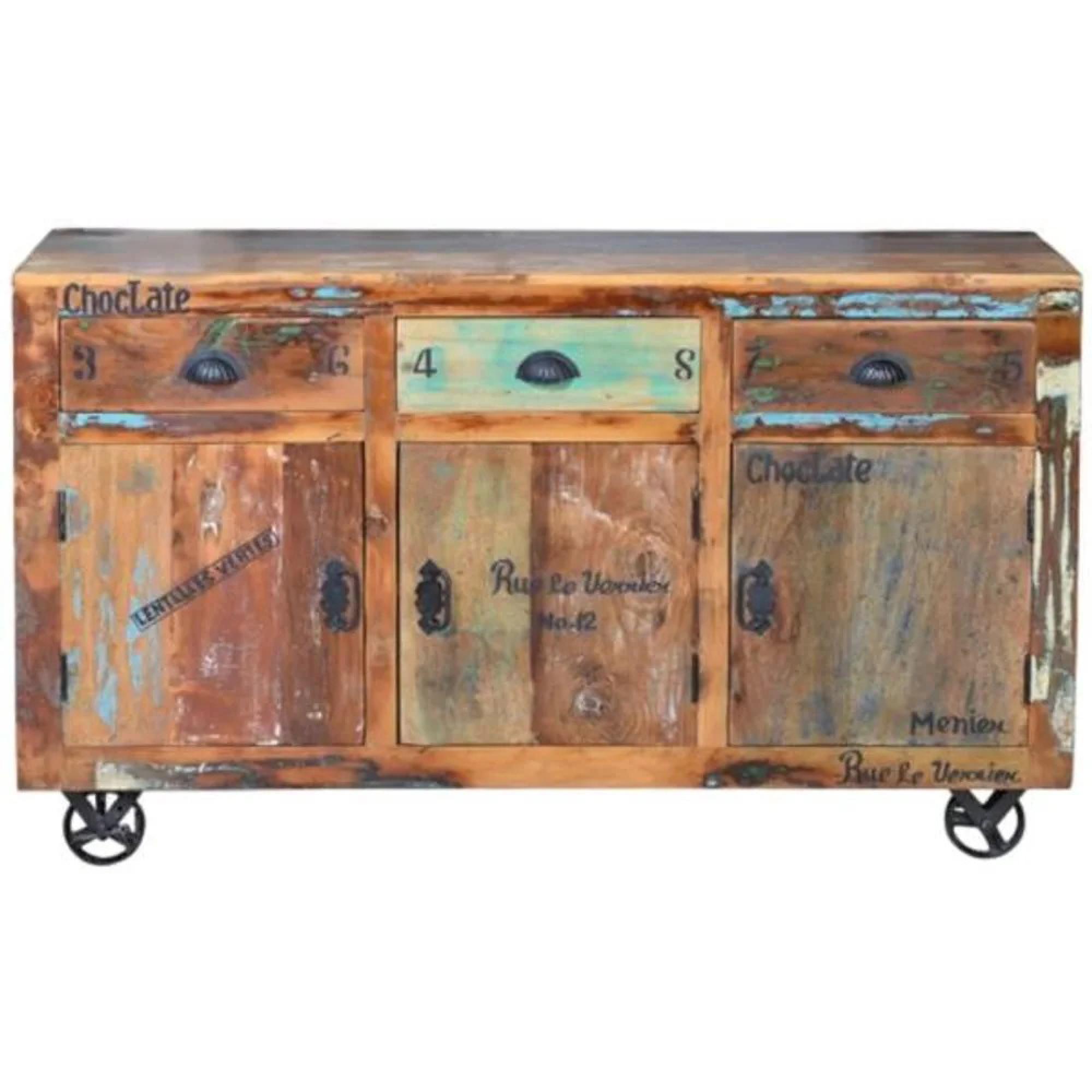
Authentic reclaimed wood sideboards that bring character and history into your home. Our collection of 29 reclaimed wood sideboards ranges from £500 to £1,430, blending rustic charm with contemporary design. Ideal for those seeking genuine craftsmanship and sustainable furniture that tells a story.

  • Urban Chic Design – Baumhaus Furniture Urban Chic range combines reclaimed wood with sleek, modern lines. Baumhaus Furniture Urban Chic
  • Indian Hub Heritage – Indian Hub Diu Reclaimed Wood collection features authentic vintage wood sideboards. Indian Hub Diu Reclaimed Wood
  • Colour & Material – Choose from brown and grey finishes in pine, reclaimed wood, and natural wood.
  • Top Brands – Trusted by UK customers: Humz, Baumhaus Furniture, and Indian Hub.

Tip: Reclaimed wood develops a beautiful patina over time—consider placement away from direct sunlight to preserve its distinctive character and colour depth.

Browse our full Sideboards collection or explore Urban Elegance for contemporary alternatives.

Read more X Close

Popular Categories

Price

Type

No. of Doors

No. of Drawers

Material

Finish

Browse Reclaimed Wood Sideboards by Size

Our Reclaimed Wood Sideboards are available in widths from 80cm compact designs to large 200cm+ statement pieces. Use the size filter to find the right fit for your dining room or living room wall.

Reclaimed Wood Sideboards by Material

Choose from Reclaimed Wood Sideboards with a variety of door and drawer configurations — from simple 2-door cupboards to combination designs featuring drawers, open shelving and cupboard storage.

Reclaimed Wood Sideboards with Doors & Drawers

Our Reclaimed Wood Sideboards are available in oak, walnut, rattan, painted and high gloss finishes. Our range spans both contemporary and traditional styles, offering something for every interior.

Reclaimed wood sideboards bring authentic character and timeless elegance to any dining room or lounge. With their rich patina and unique grain patterns, reclaimed sideboards offer a sustainable alternative to new furniture whilst delivering genuine vintage charm. Whether you're drawn to rustic farmhouse aesthetics or contemporary minimalist spaces, these pieces blend beautifully into diverse interior styles.

  • Authentic Character – Each reclaimed sideboard tells a story through its weathered finish and natural imperfections. These pieces add genuine heritage and warmth that new furniture simply cannot replicate.
  • Versatile Sizing – Our collection includes options to suit any space, from compact sideboards 90cm to 120cm wide through to generous sideboards 180cm to 220cm wide. Whatever your room dimensions, you'll find the perfect fit in our range.
  • Quality Materials – Many of our reclaimed sideboards feature hardwoods such as oak, which stands the test of time. Explore our dedicated oak sideboards collection for premium options.
  • Delivery – We provide free UK delivery on all orders, making it easy to bring your chosen sideboard home.

Tip: Measure your space carefully and consider the depth of your sideboard—reclaimed pieces often feature thicker frames than modern furniture, so ensure it fits comfortably without overwhelming your room.

Browse our full sideboards collection to discover more styles and sizes, or refine by width to find your ideal piece.

Read more X Close

FAQs on Reclaimed Wood Sideboards

What should I look for when buying a reclaimed wood sideboard?

Check the wood quality, construction method, and joinery. Verify stability and that drawers open smoothly. Inspect for woodworm or damage. Consider dimensions against your space, and ensure the finish suits your décor. Research the manufacturers reputation and read customer reviews.

Place it against a feature wall or behind your sofa for impact. Style the top with table lamps, artwork, and decorative objects in odd numbers. Keep it balanced but uncluttered. Pair with neutral wall colours to let the woods character stand out.

Measure your wall space and allow at least 15cm clearance on each side. Standard widths range from 120cm to 180cm. Depth is typically 40–50cm. Allow 30cm clearance above if hanging shelves. Proportion it to your room—sideboards should fill one-third to one-half of wall length.

Reclaimed wood is salvaged from old buildings and has visible age marks, grain variation, and character. Solid wood is new timber. Reclaimed pieces are more sustainable, unique, and typically cost more. They offer authentic patina that new wood cannot replicate without artificial finishing.

Yes, if chosen carefully. Select narrower models (120–140cm) with open legs to maintain sightlines. Lighter wood tones (ash, pine) feel less heavy than dark oak. Avoid chunky metal frames. Position against a wall to maximise floor space and create a focal point without overwhelming the room.

Dust weekly with a soft cloth. Clean spills immediately with a damp, wrung-out cloth. Avoid excess water. Apply furniture wax or oil every six months to nourish the wood and maintain its finish. Test any product on an inconspicuous area first.

Industrial sideboards feature metal frames, exposed bolts, and minimalist lines—suits modern spaces. Farmhouse sideboards have softer proportions, panelled details, and rustic finishes—pairs with cosy, traditional décor. Both use reclaimed wood, but styling and metal accents differ significantly.

Yes, they offer longevity, uniqueness, and sustainability. Quality pieces last decades with proper care. Theyre conversation starters and improve in character over time. Unlike mass-produced alternatives, each has distinct patina and story, making them better value long-term despite higher initial cost.

Absolutely. Choose sideboards with clean lines and minimal ornamentation. Industrial styles with metal frames work particularly well. Pair with neutral walls, contemporary lighting, and minimal accessories. The contrast between rustic wood and modern elements creates visual interest and a curated aesthetic.

Common options include oak (durable, prominent grain), pine (lighter, softer), elm (weathered appearance), and teak (rich colour, oily finish). Each has different durability, grain pattern, and price point. Oak and teak are harder-wearing; pine shows character but marks more easily. Choice depends on aesthetic preference and budget.
Top