Free Delivery All Over UK*
close
Top products
SHOW ALL PRODUCTS

Bedside Cabinets

Found 1151 Items

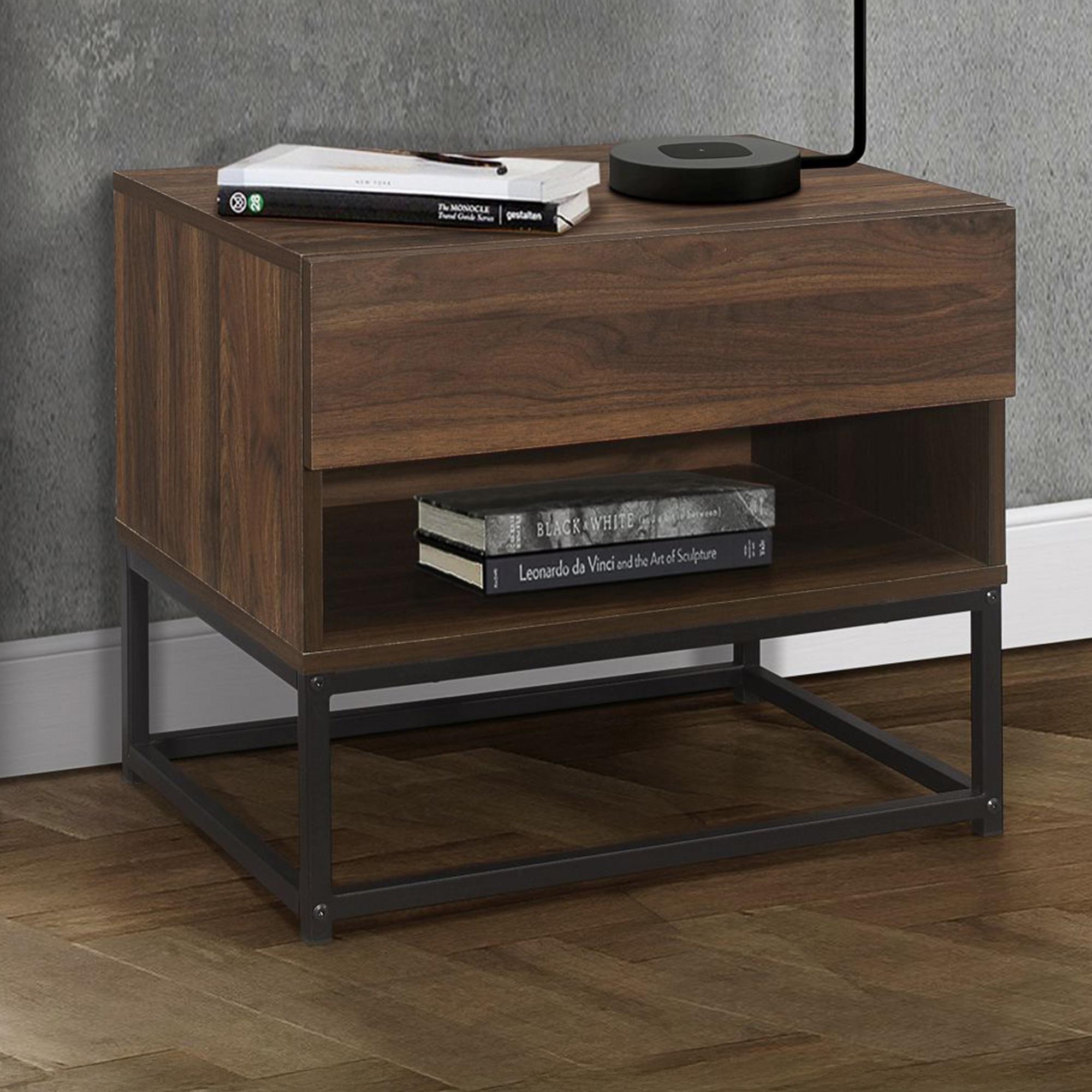
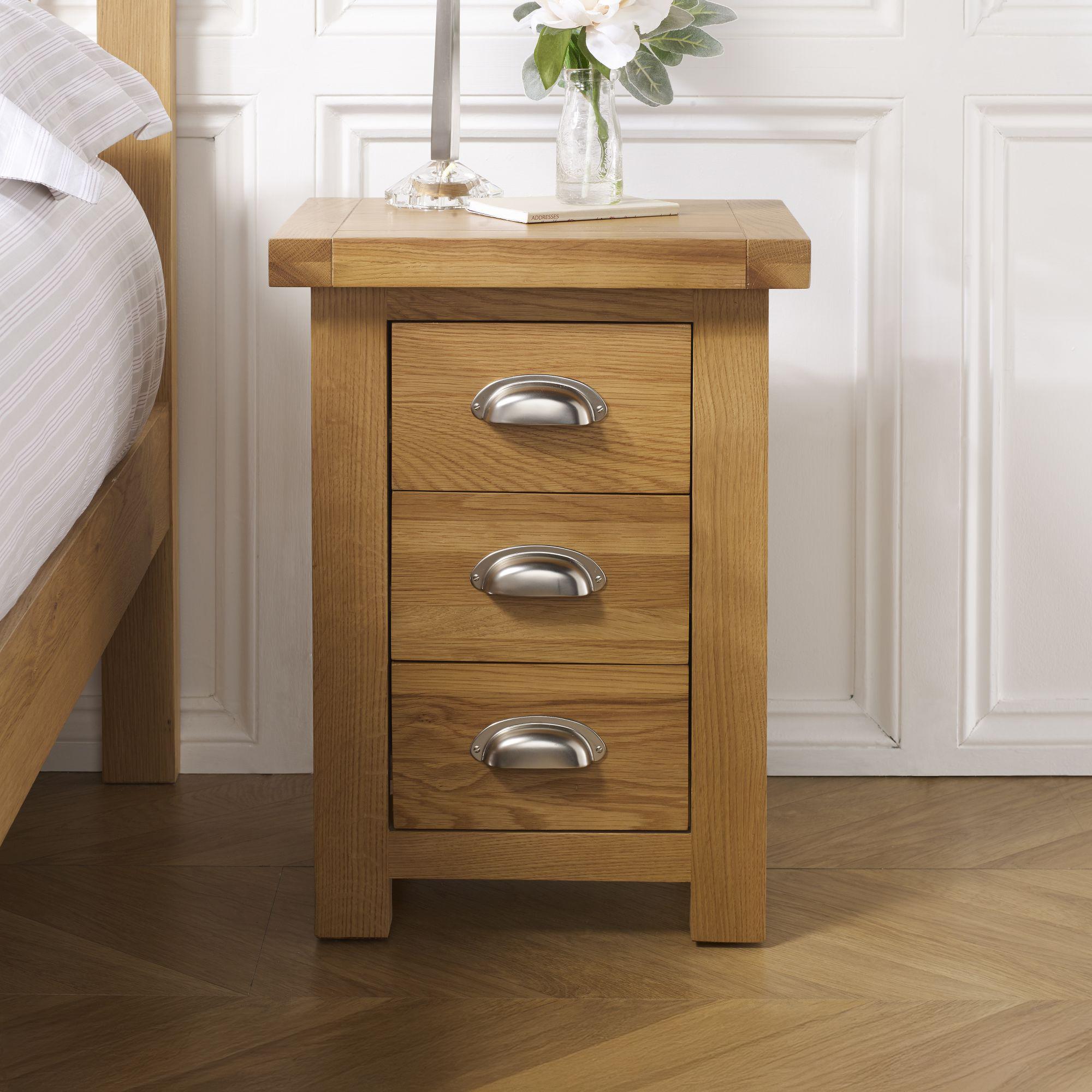
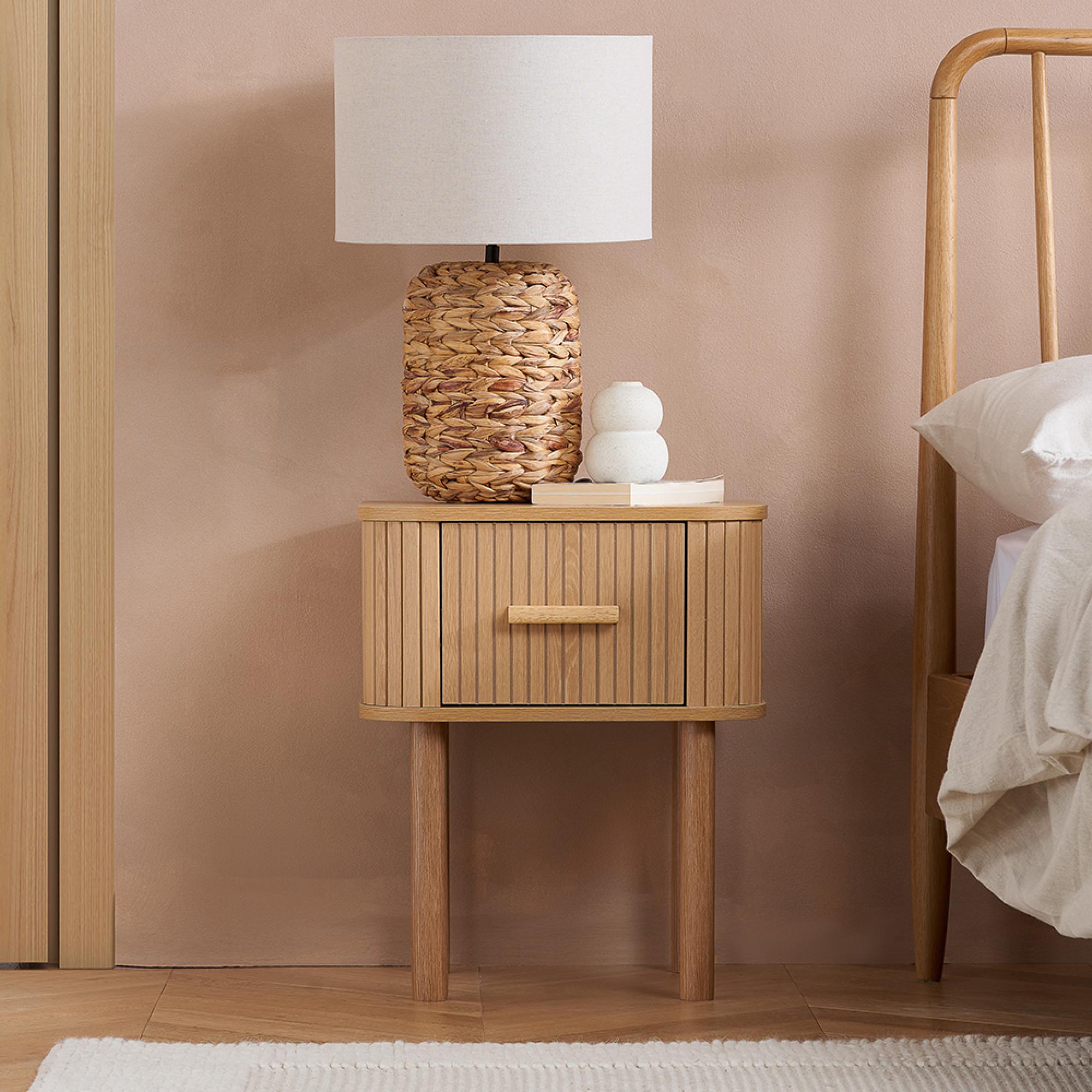
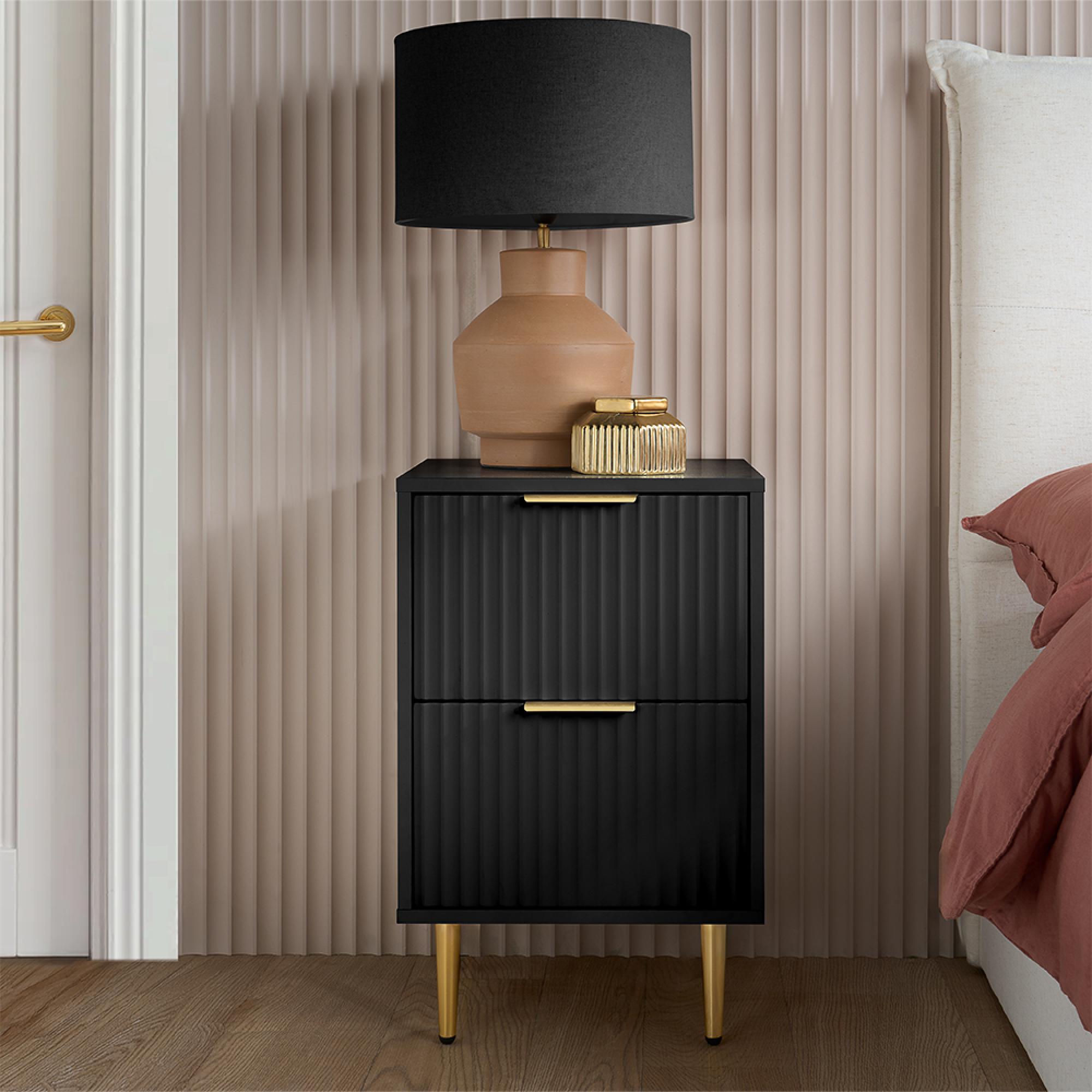
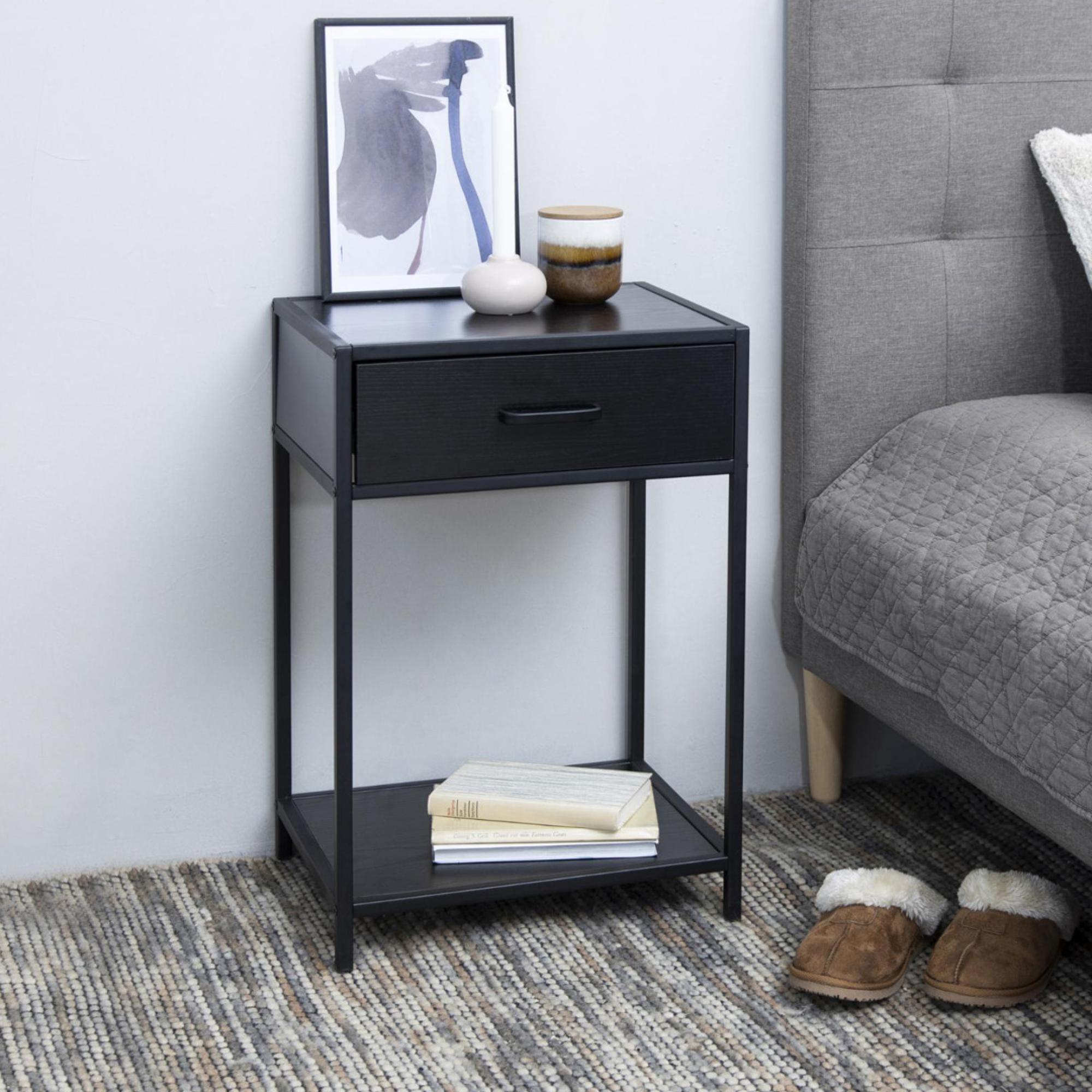
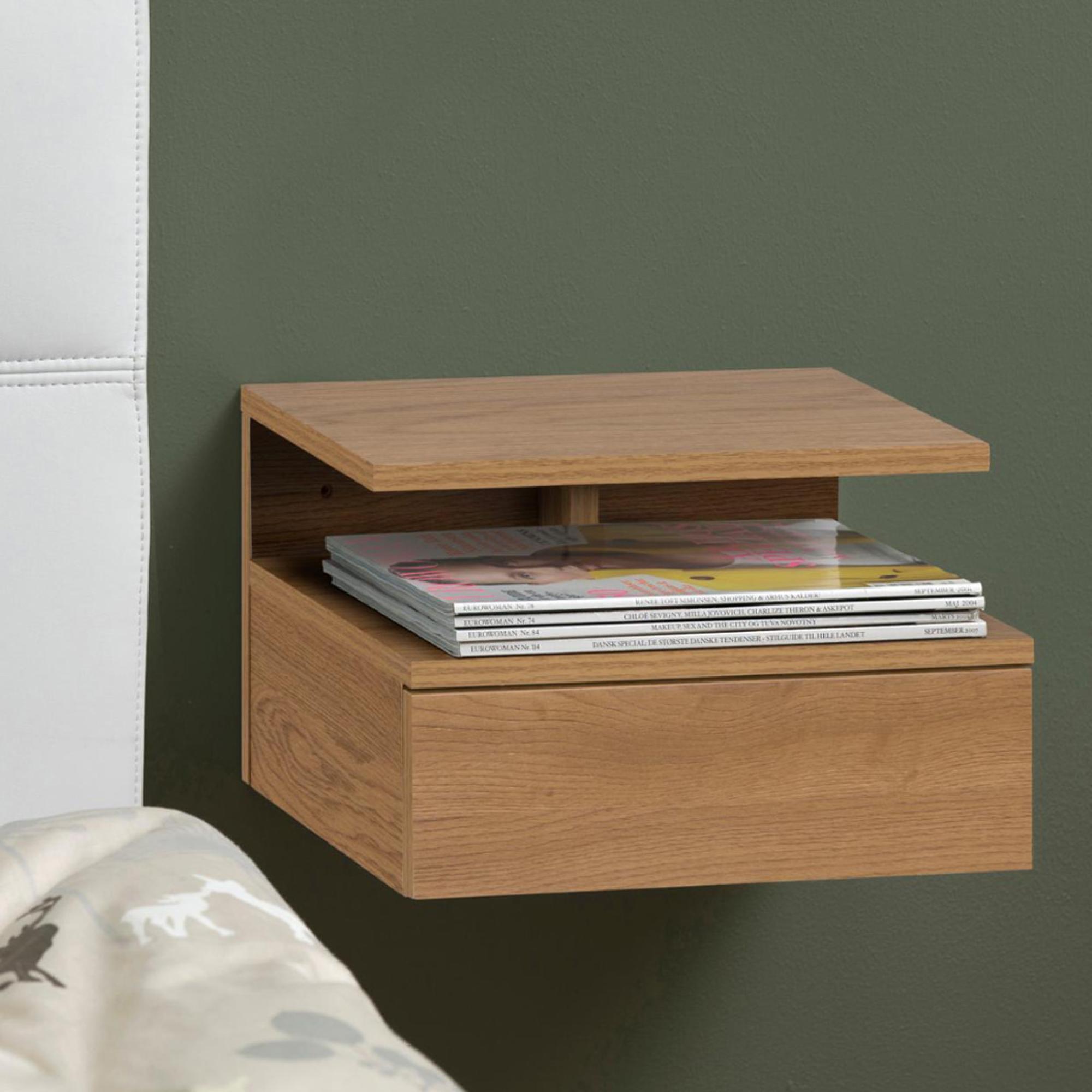
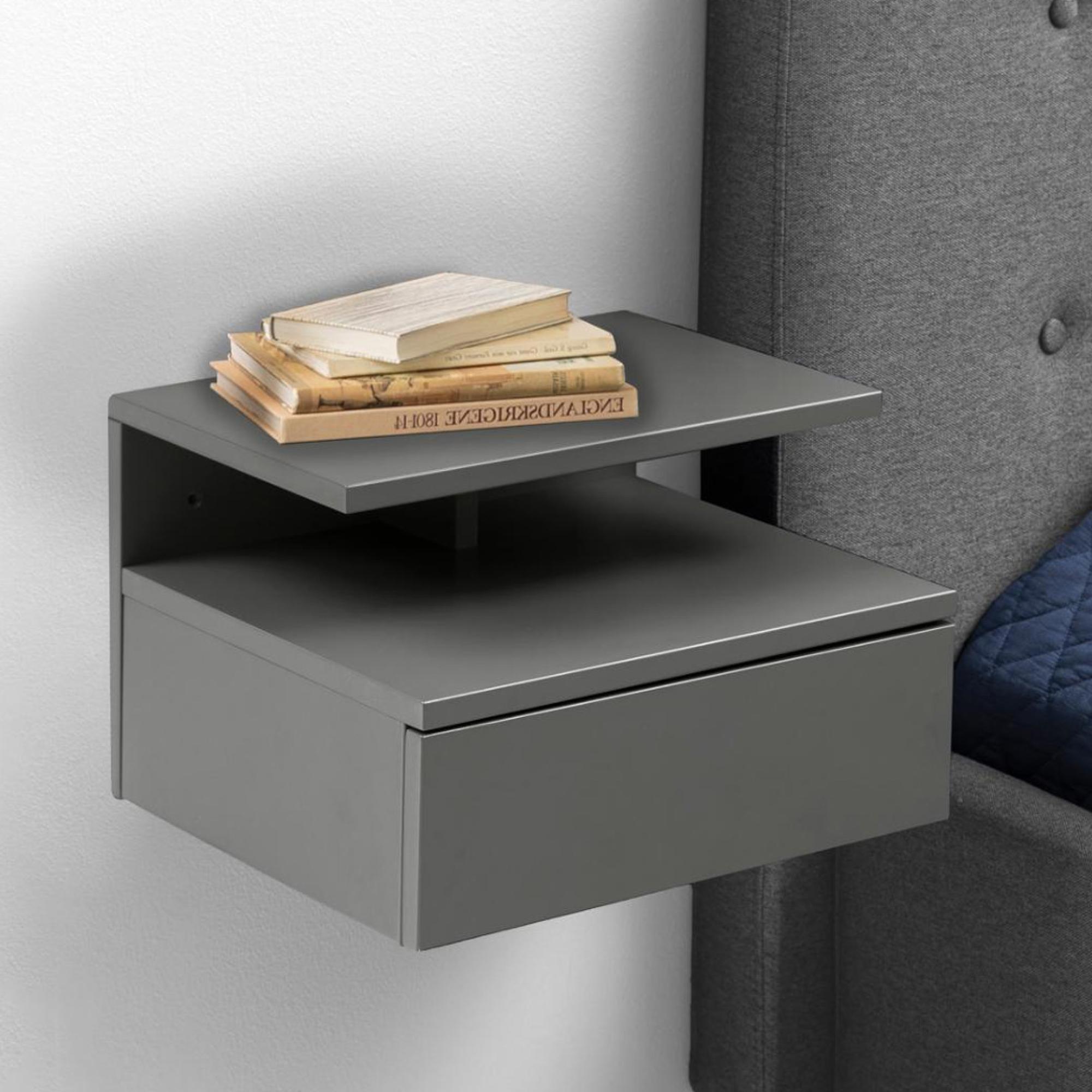
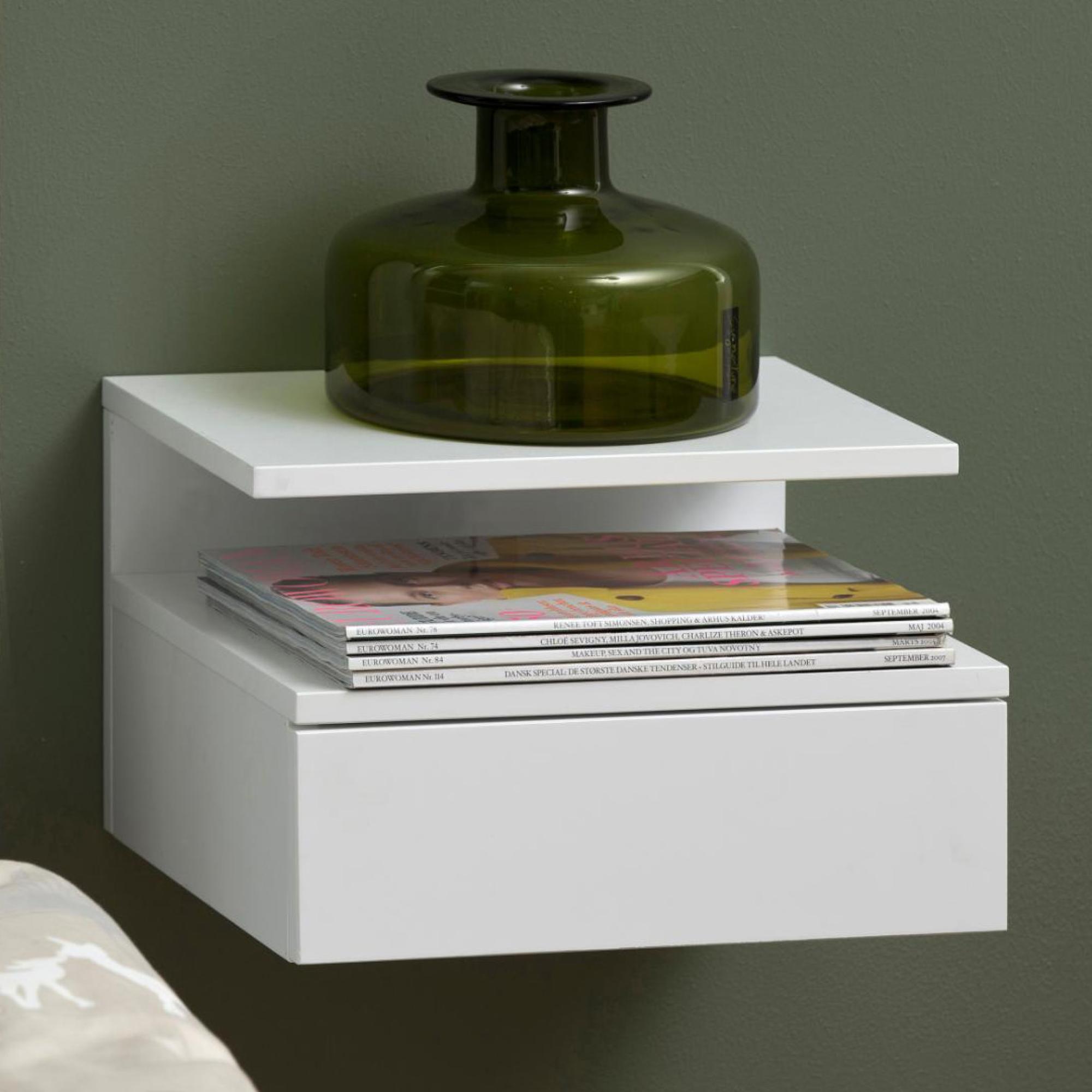
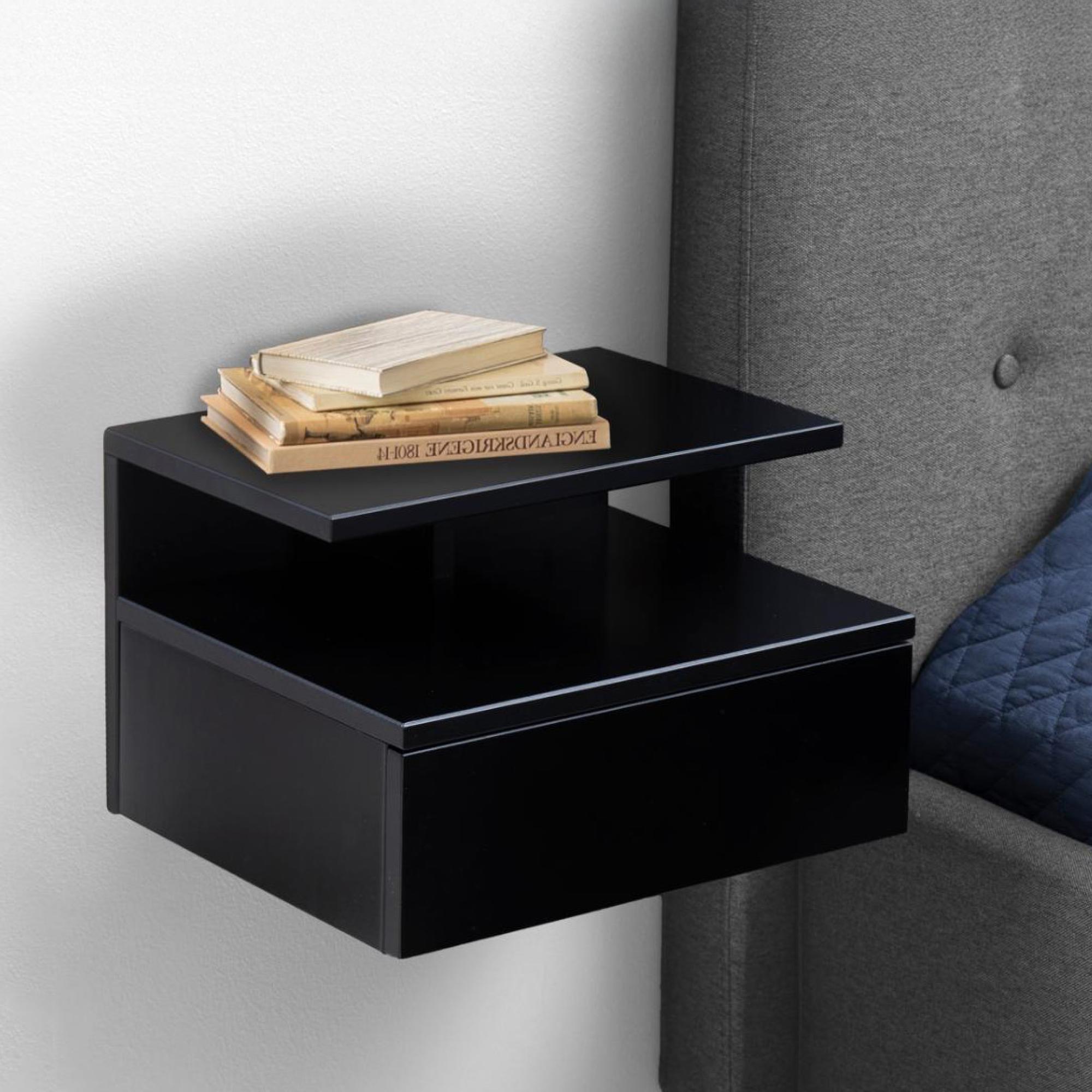
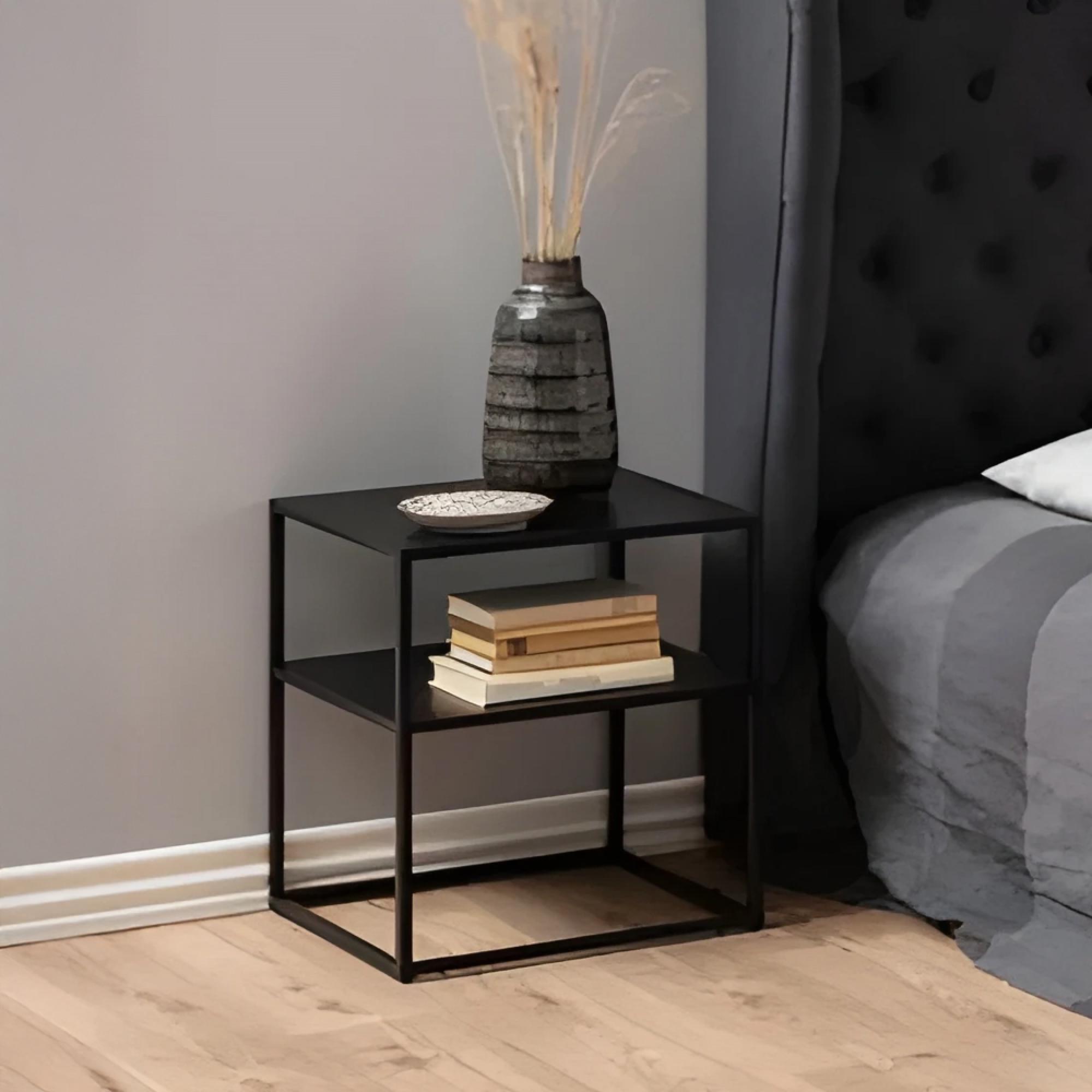
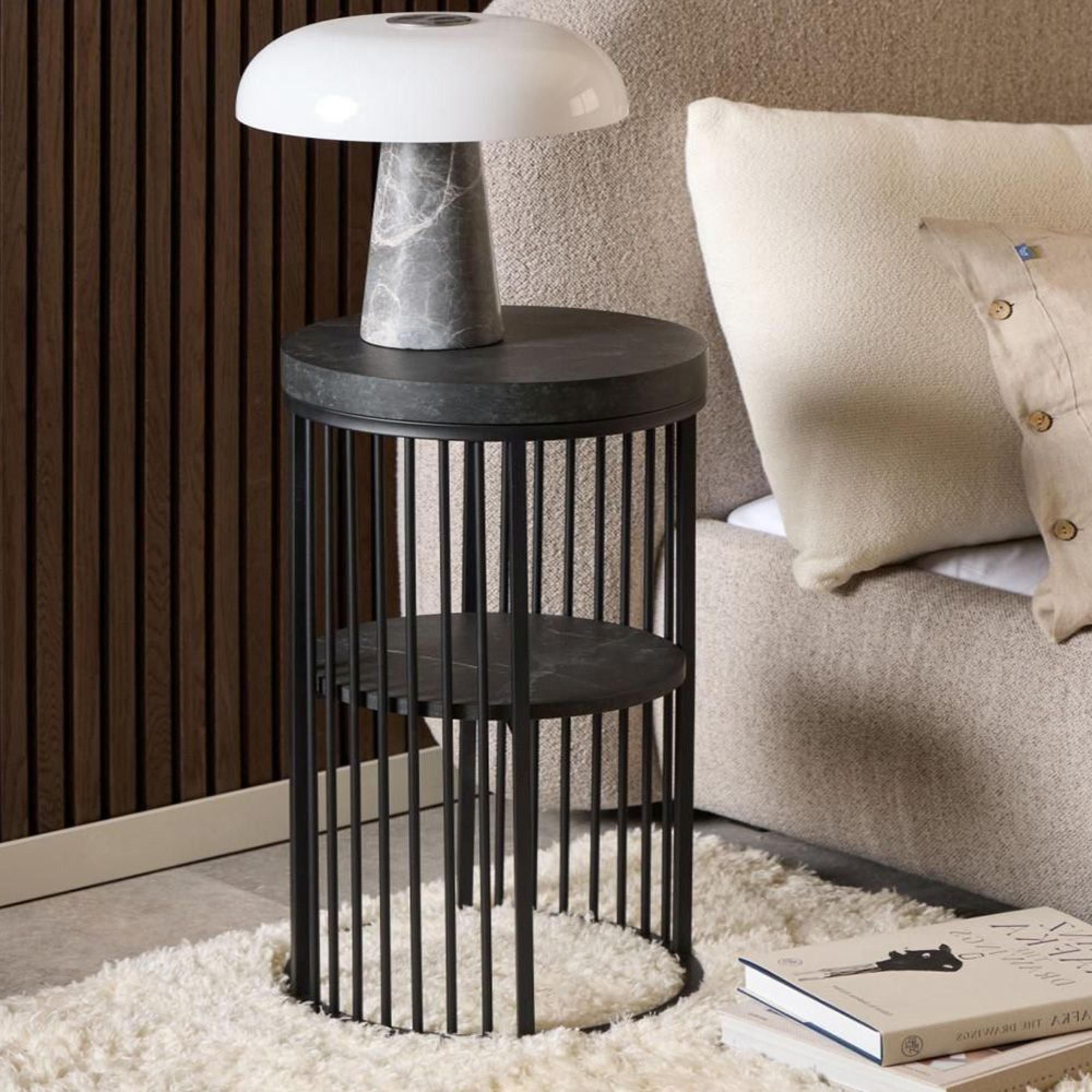
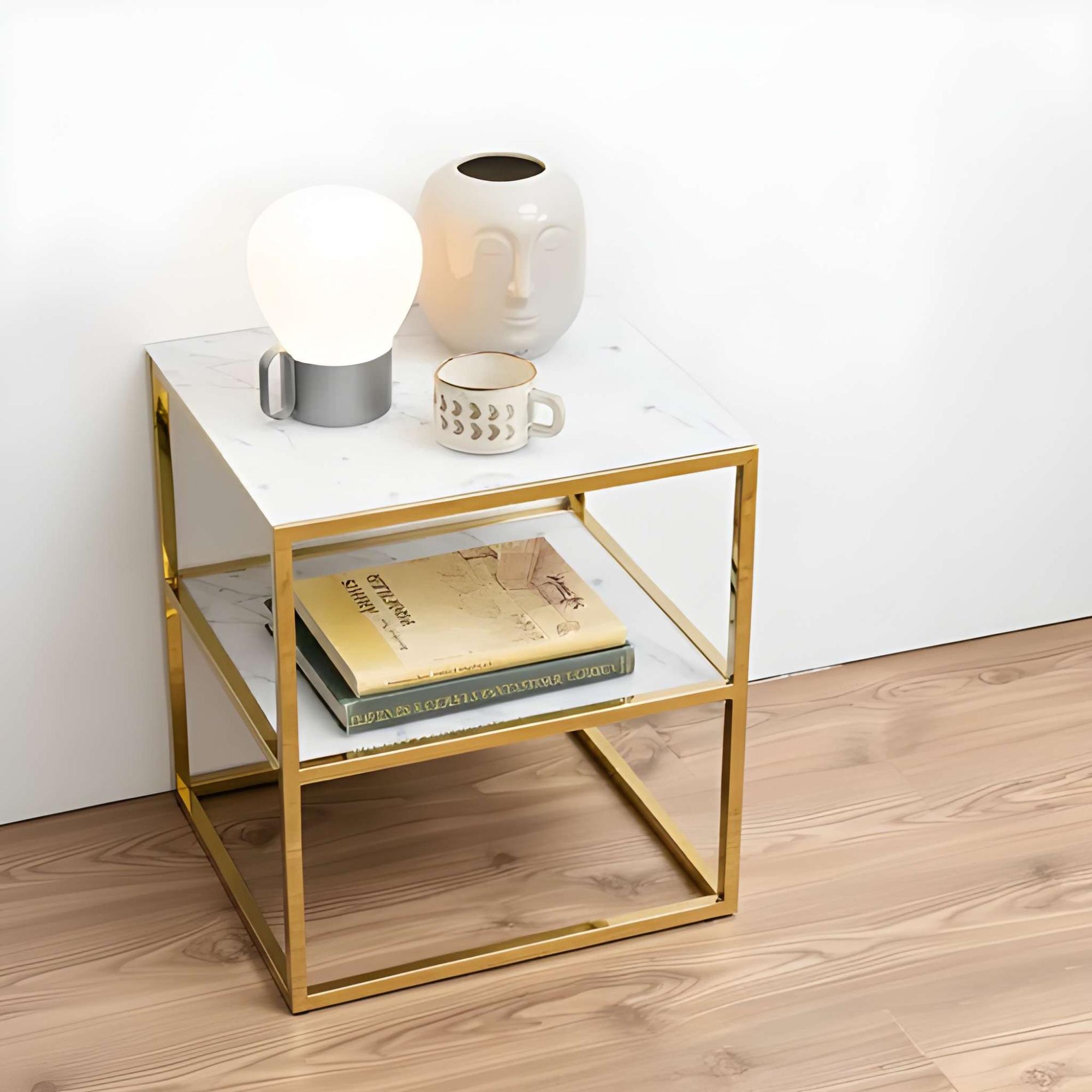
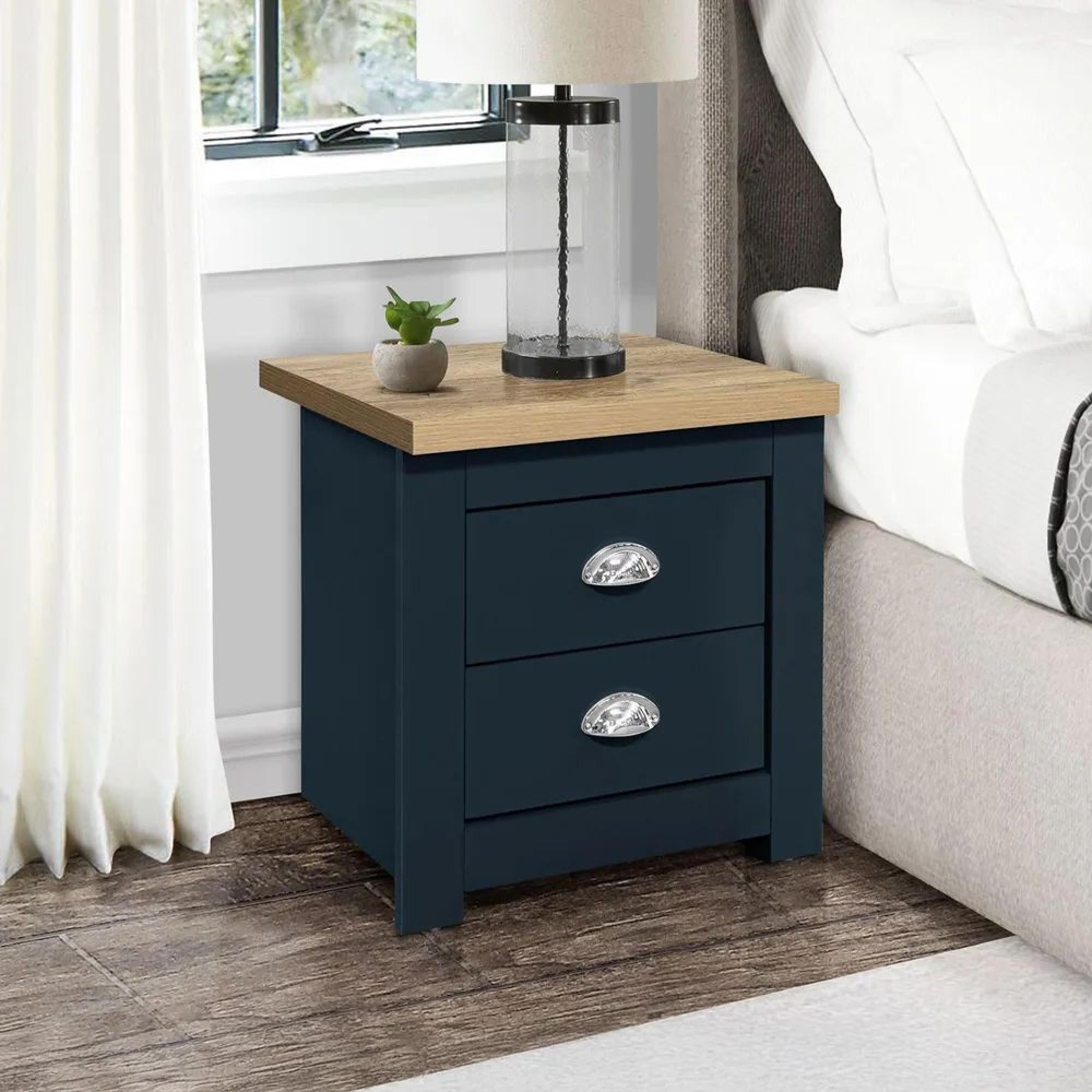
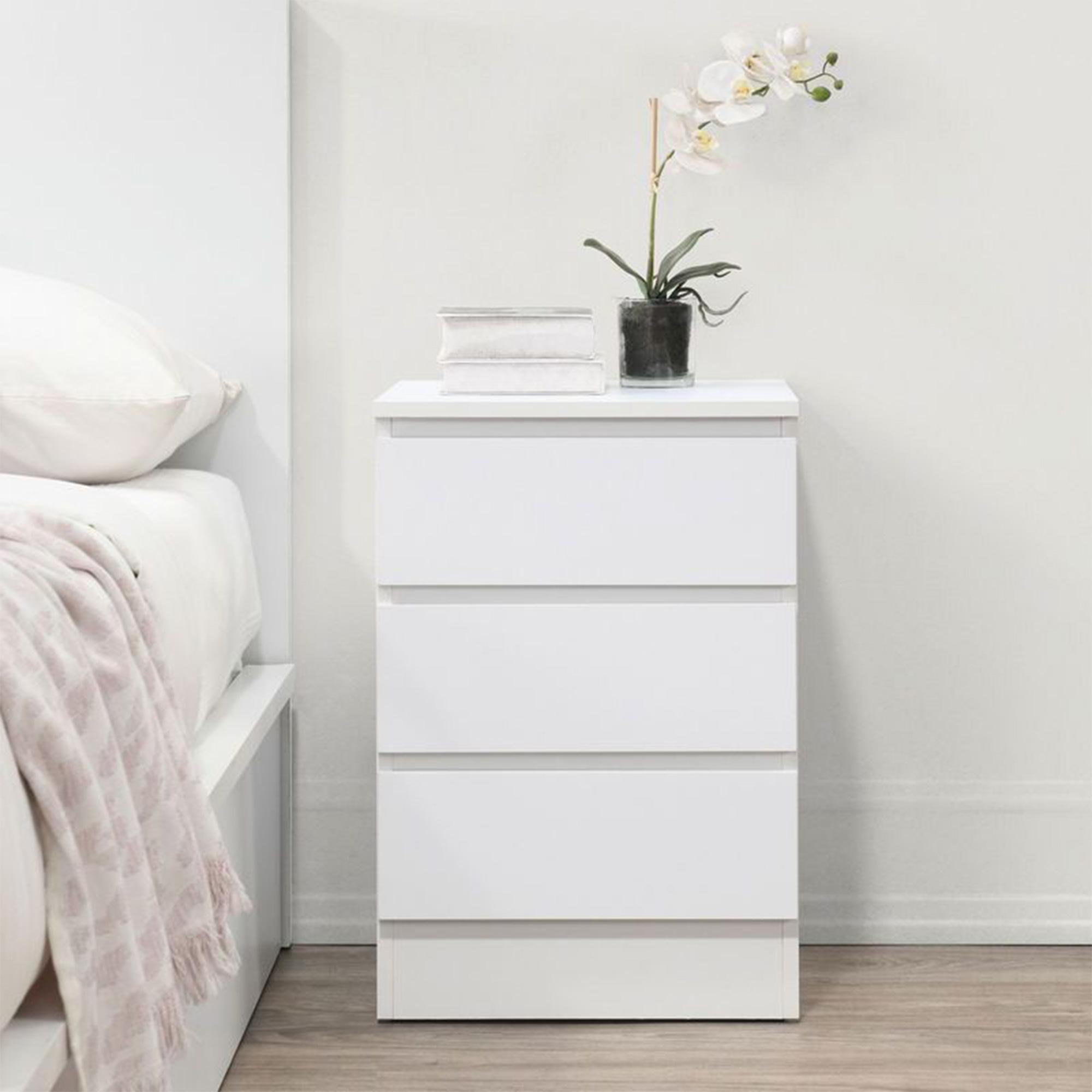
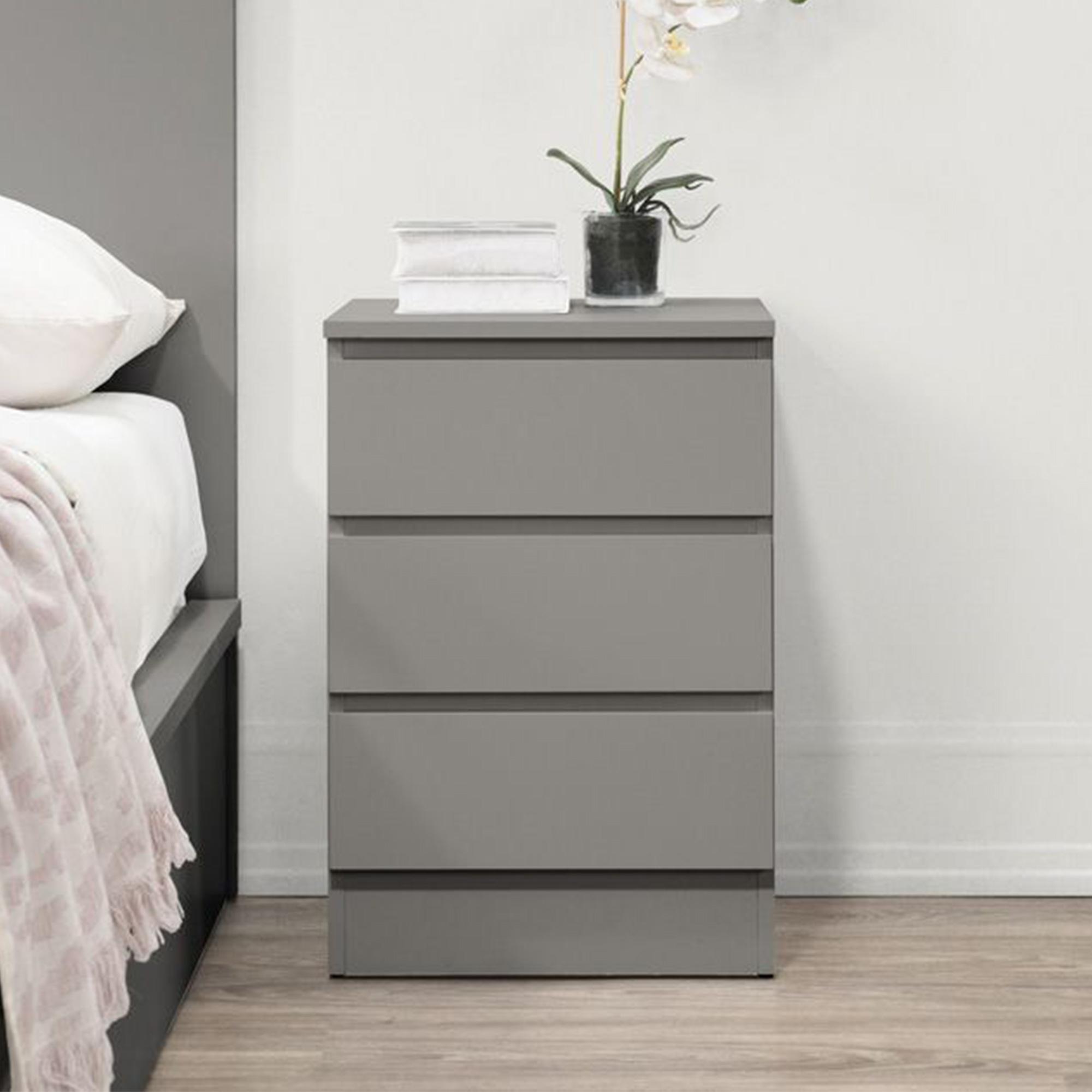
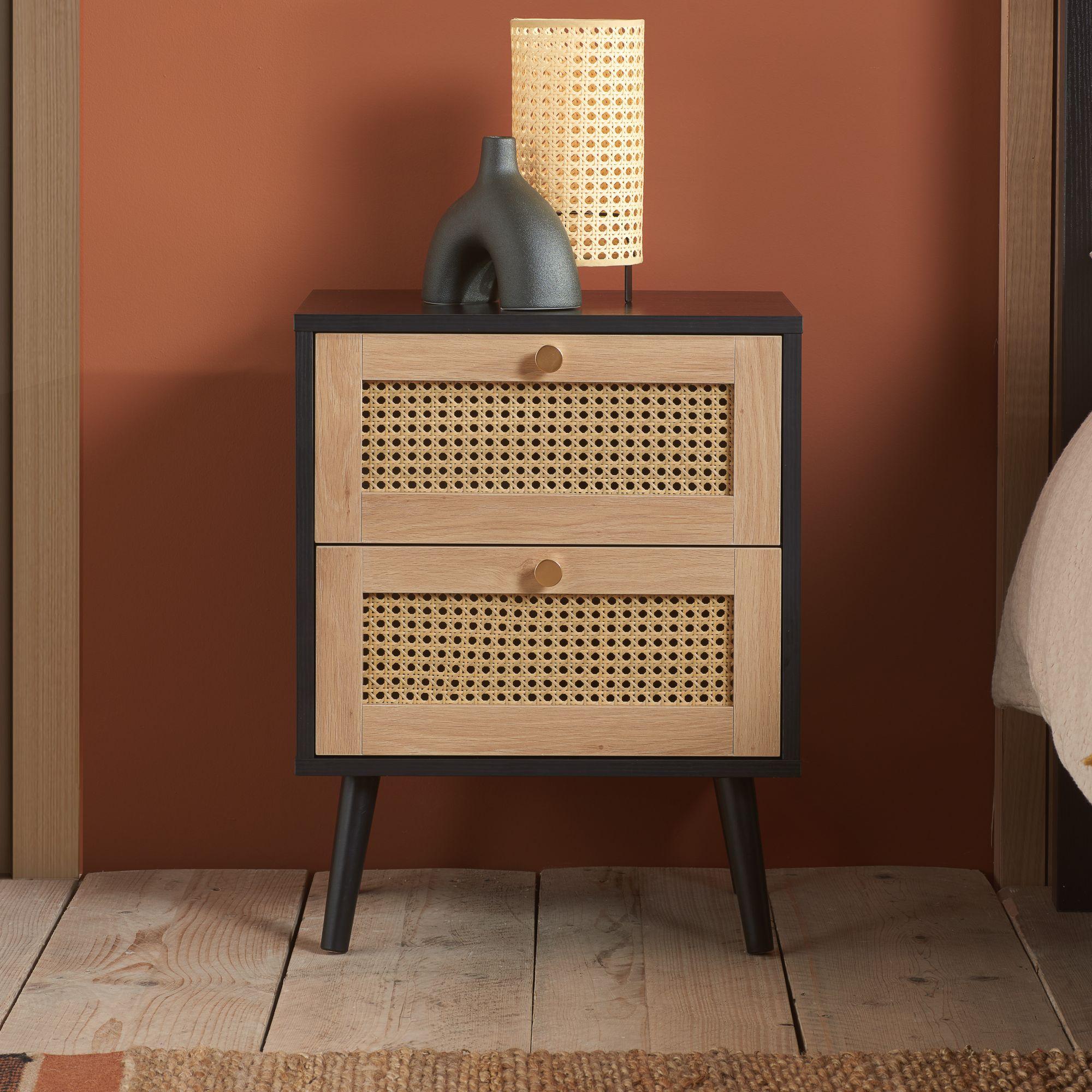
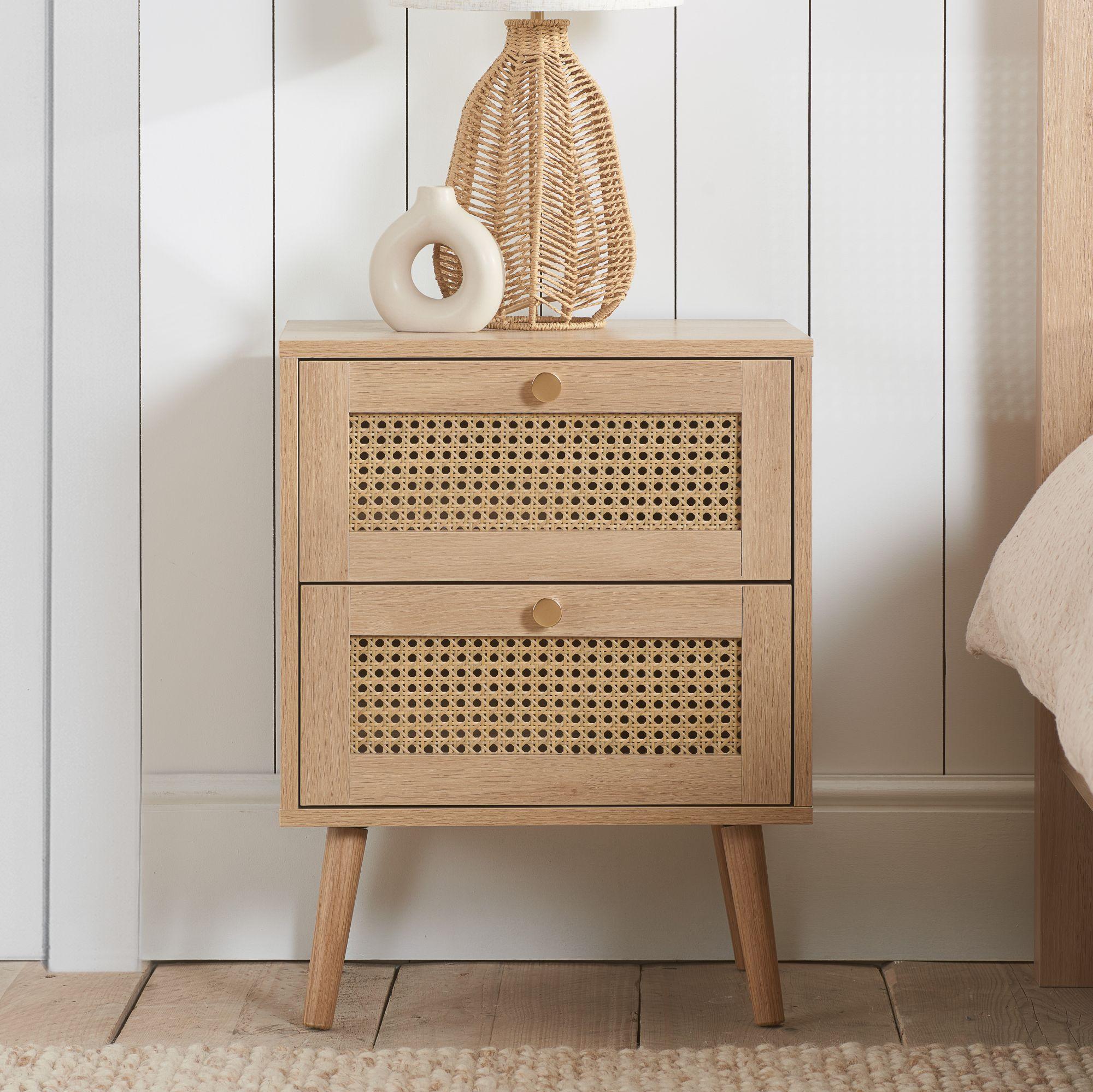
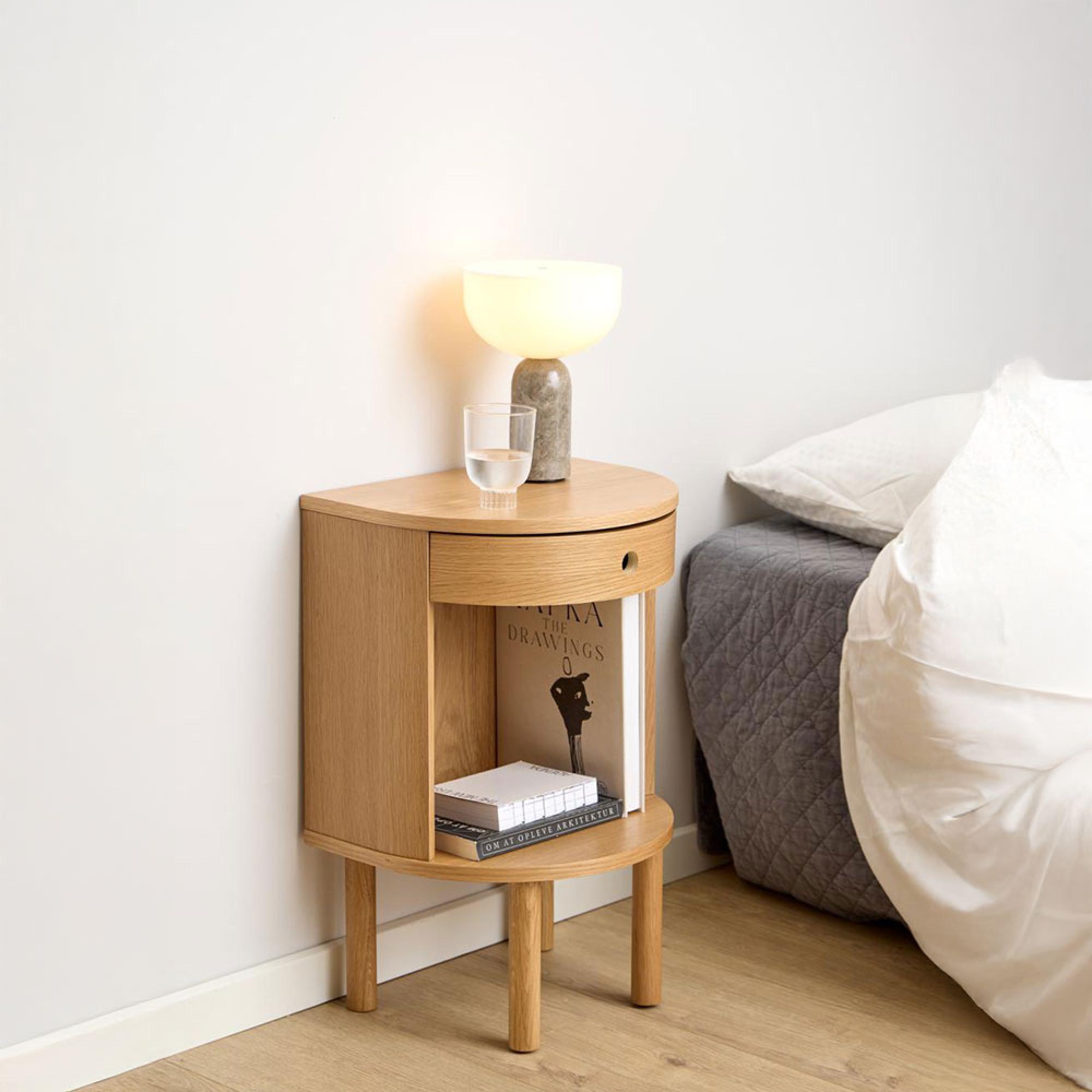
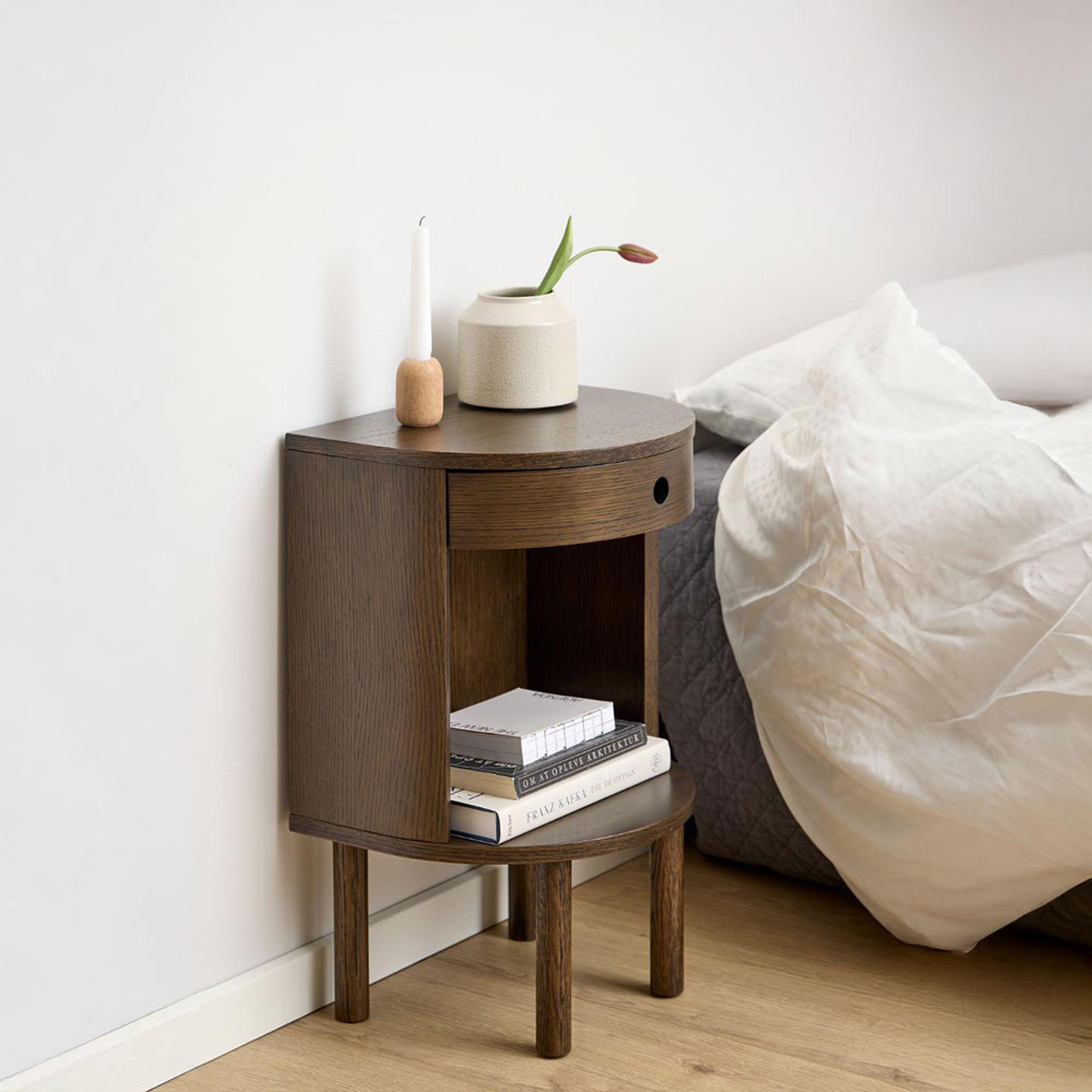
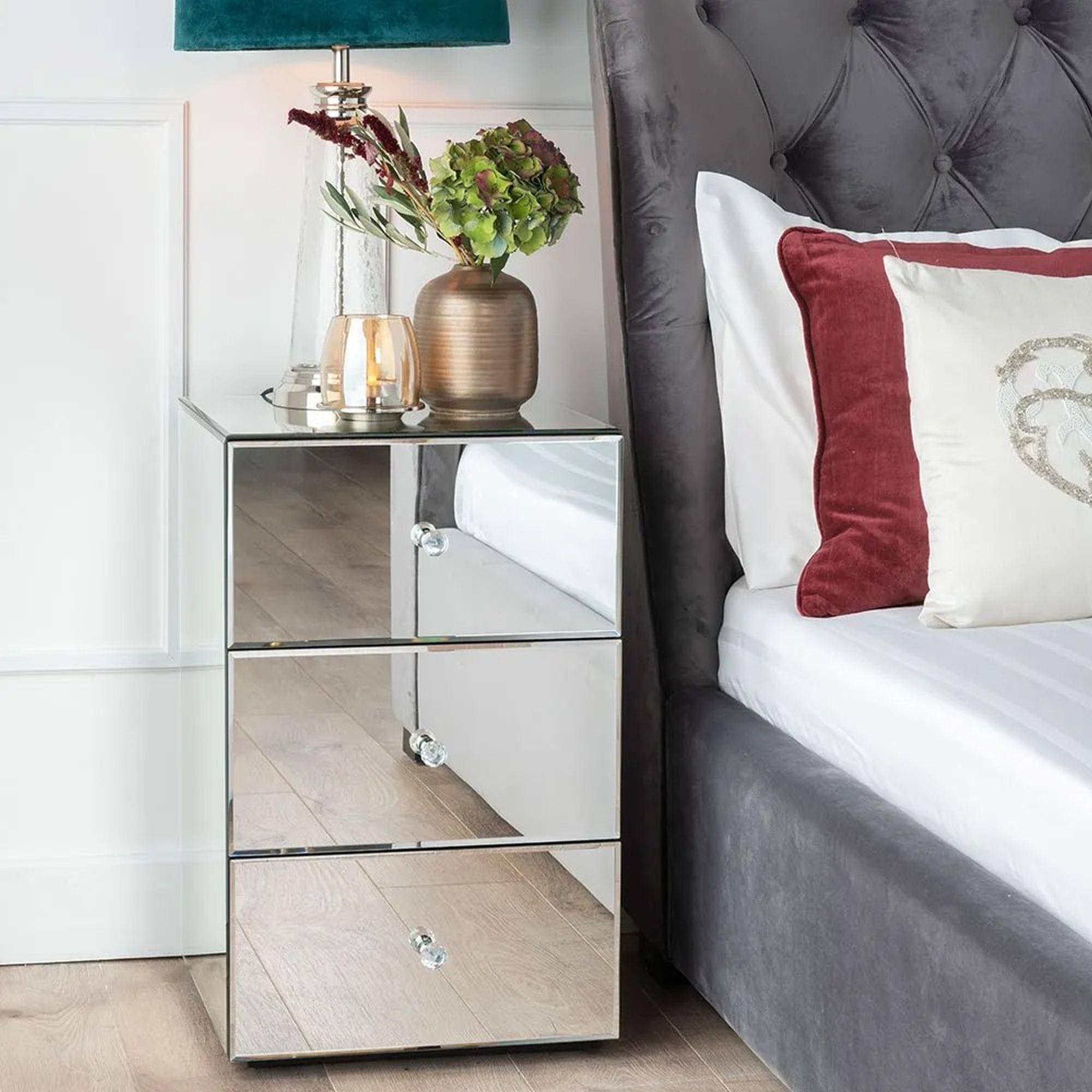
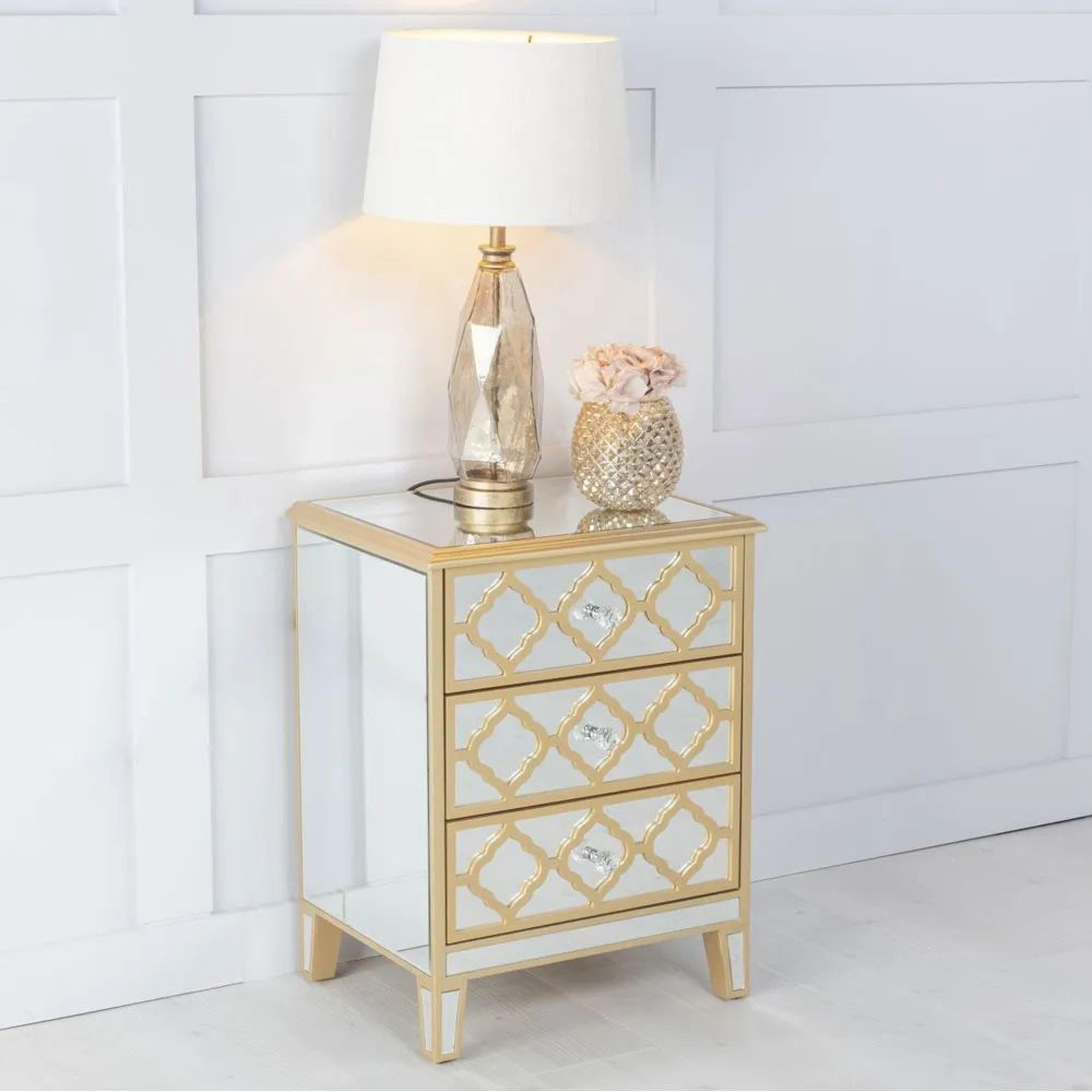
Choose Bedside Cabinets with the room, daily routine and intended use in mind. Compare surface space, drawer or cupboard storage, height, opening clearance and finish to identify the right balance of appearance and function. Compare the unit height with the mattress so everyday items remain easy to reach. Check each product page for exact dimensions, construction, finish, assembly and care information before making a final choice.
Read more X Close

Price

Type

Features

Shape

No. of Doors

No. of Drawers

Material

Finish

Colour

  • Bamboo
  • Beige
  • Black
  • Blue
  • Brown
  • Cream
  • Green
  • Grey
  • Pink
  • Purple
  • Red
  • White
  • Wood
  • Yellow

39 Products of 1151

Load More..

Choosing Bedside Cabinets

This category focuses on Bedside Cabinets that can keep lighting and night-time essentials close to the bed. Start with the room layout and daily use, then compare surface space, drawer or cupboard storage, height, opening clearance and finish. Function and visual balance both matter, so compare the complete specification rather than choosing on appearance alone. This keeps the decision focused on practical suitability as well as style.

Plan the space before choosing

Compare the unit height with the mattress so everyday items remain easy to reach. Record the available width, depth and height, including clearance for doors, drawers, reclining parts or extensions where relevant. Account for skirting boards, radiators, sockets and walking routes, then check the access route through doors, halls and stairs.

For adjacent choices, explore Bedroom Furniture, Oak Bedside Cabinets and Pine Bedside Cabinets. Use these comparisons alongside the specifications on each product page.

Bedside Cabinets for considered interiors

The Bedside Cabinets category focuses on choices intended to keep lighting and night-time essentials close to the bed. A suitable option should respond to the room's proportions, surrounding furniture and practical demands of everyday use. Use the category wording as a starting point, then verify the exact material, finish and features shown on each product page.

Material, finish and construction

When comparing bedside furniture, look closely at surface space, drawer or cupboard storage, height, opening clearance and finish. Materials influence appearance, weight and maintenance, while finish affects colour coordination and day-to-day care. Use the written specification to confirm construction and care requirements.

Function and room planning

Compare the unit height with the mattress so everyday items remain easy to reach. Mark out the footprint and consider how people move around it. Where a product opens, extends, swivels or reclines, include that working clearance. For storage, seating or sleeping products, match the layout, support and capacity to the needs of regular users.

Creating a coordinated result

Build the room around a clear relationship between scale, colour and material. Matching every finish is not essential, but repeating one or two elements can connect separate pieces. You can also compare Bedroom Furniture, Oak Bedside Cabinets and Pine Bedside Cabinets for closely related room and product choices. Use the individual listing to confirm dimensions, included components, assembly and suitability.
Read more X Close

FAQs on Bedside Cabinets

How high should a bedside cabinet be next to my bed?

Your bedside cabinet should sit level with or slightly below your mattress top for comfortable reach. Standard bed heights range from 40–50cm, so aim for a cabinet around 45–60cm tall. This lets you easily grab items without stretching or leaning too far over.

Bedside cabinets offer enclosed storage with drawers or cupboards, keeping clutter hidden and organised. Bedside tables are typically open designs with a single surface for lamps or items. Choose a cabinet for extra storage in smaller bedrooms, or a table for a lighter, more minimal look.

Modern bedside cabinets feature clean lines, flat surfaces, and neutral finishes like white, grey, or natural wood. Pair them with minimal hardware and avoid ornate legs or decorative details. They work best alongside contemporary bed frames and keep the room feeling uncluttered and calm.

Matching pairs create visual balance and are traditional, but mixing styles or finishes can look intentional if colours echo elsewhere in the room. If budget or space is tight, one larger cabinet works fine. The key is ensuring both sides feel deliberate rather than mismatched by accident.

Oak and walnut suit warm, traditional bedrooms and hide minor marks well. White or grey painted finishes work in modern rooms but require regular dusting. Consider your maintenance preference: natural wood needs occasional conditioning, while painted cabinets may show fingerprints more easily.

Yes. A compact bedside cabinet adds essential storage without taking up extra floor space. Choose slimmer profiles (around 35cm deep) and keep the top surface clear for lamps only. This keeps small rooms feeling open whilst providing practical drawer space for essentials.

Check that all legs sit flat on the floor and tighten any loose bolts or joints with an Allen key or screwdriver. Use adjustable feet to level the cabinet on uneven carpets. Ensure drawers close smoothly without forcing them—resistance often signals misalignment that can destabilise the structure.

A bedside lamp for reading light is essential. Add a small tray for keys or phone, coasters under drinks, and one decorative item like a plant or book stack. Avoid cluttering the surface; this keeps the bedroom calm and makes cleaning easier. Felt pads protect the finish from glasses and bottles.

Glass tops add a contemporary feel and make small rooms feel lighter and less heavy. They show dust and fingerprints easily, so require regular cleaning. Consider tempered glass for safety, and use coasters religiously to prevent water marks and maintain the clean, modern look.

Standard bedside cabinet depths range from 30–45cm. Measure your space carefully—deeper cabinets (40–45cm) offer more storage but may block walkways or feel cramped in tight rooms. Slimmer 30–35cm designs suit small bedrooms whilst still fitting a lamp and a few essentials on top.
Top