Free Delivery All Over UK*
close
Top products
SHOW ALL PRODUCTS

Day Beds

Found 10 Items

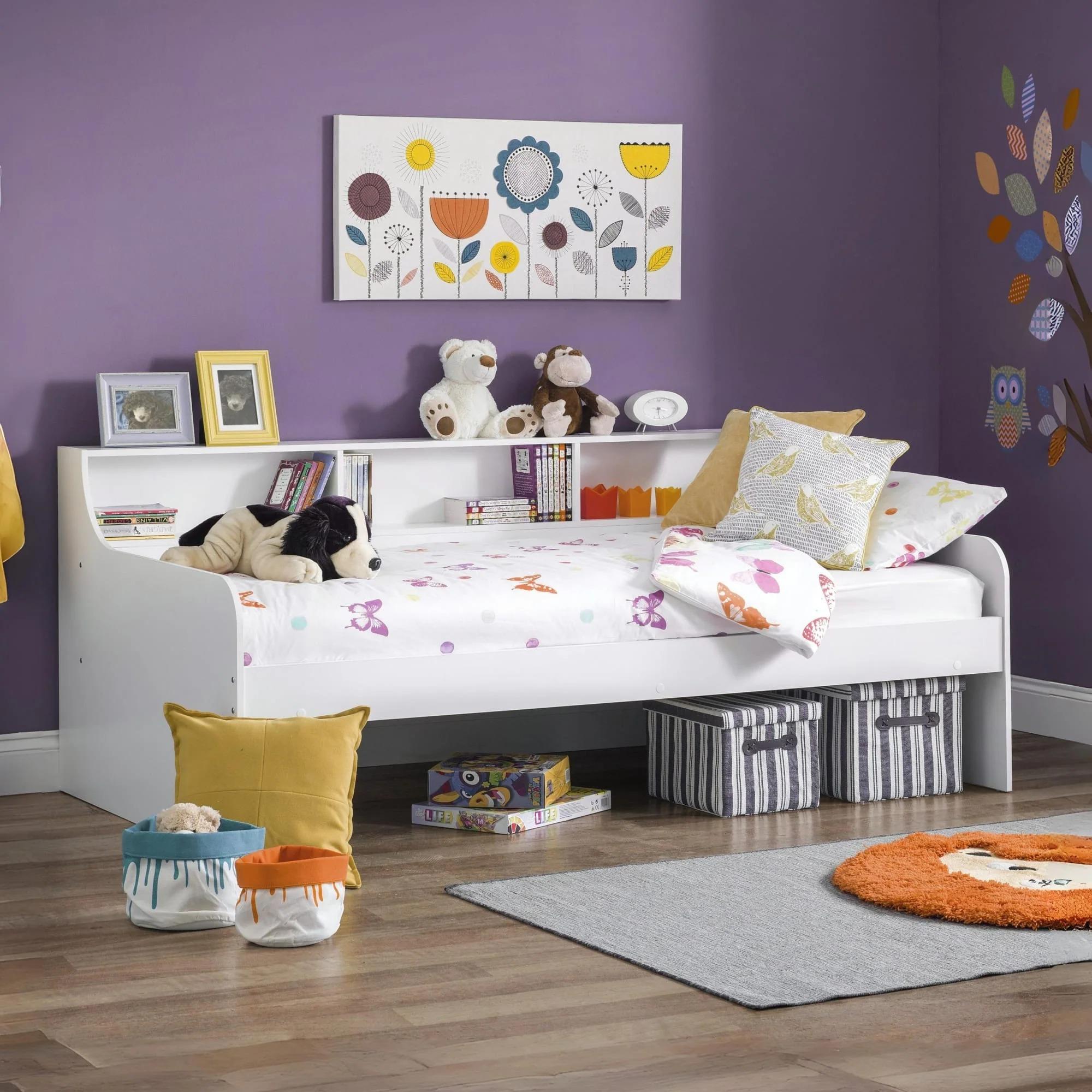
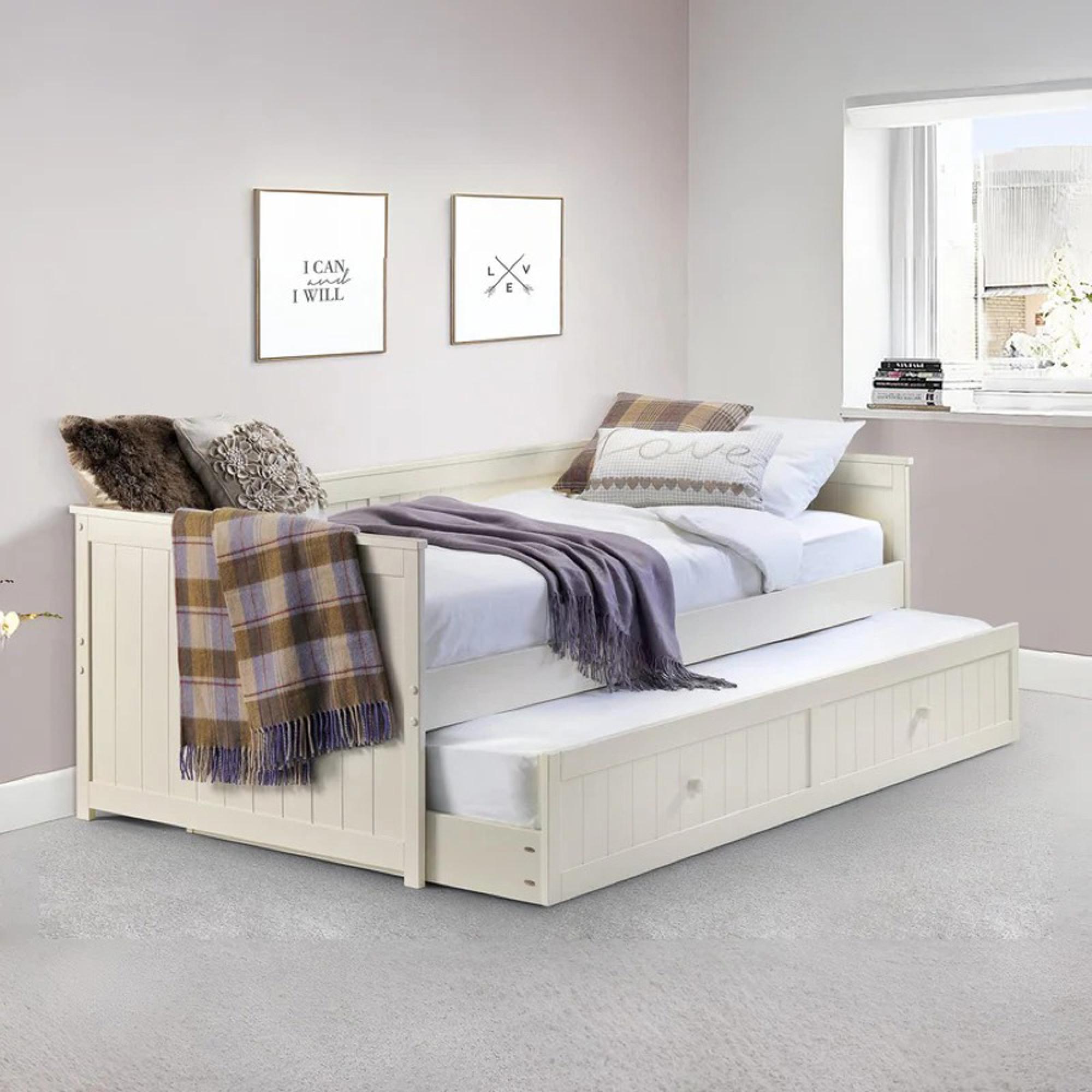
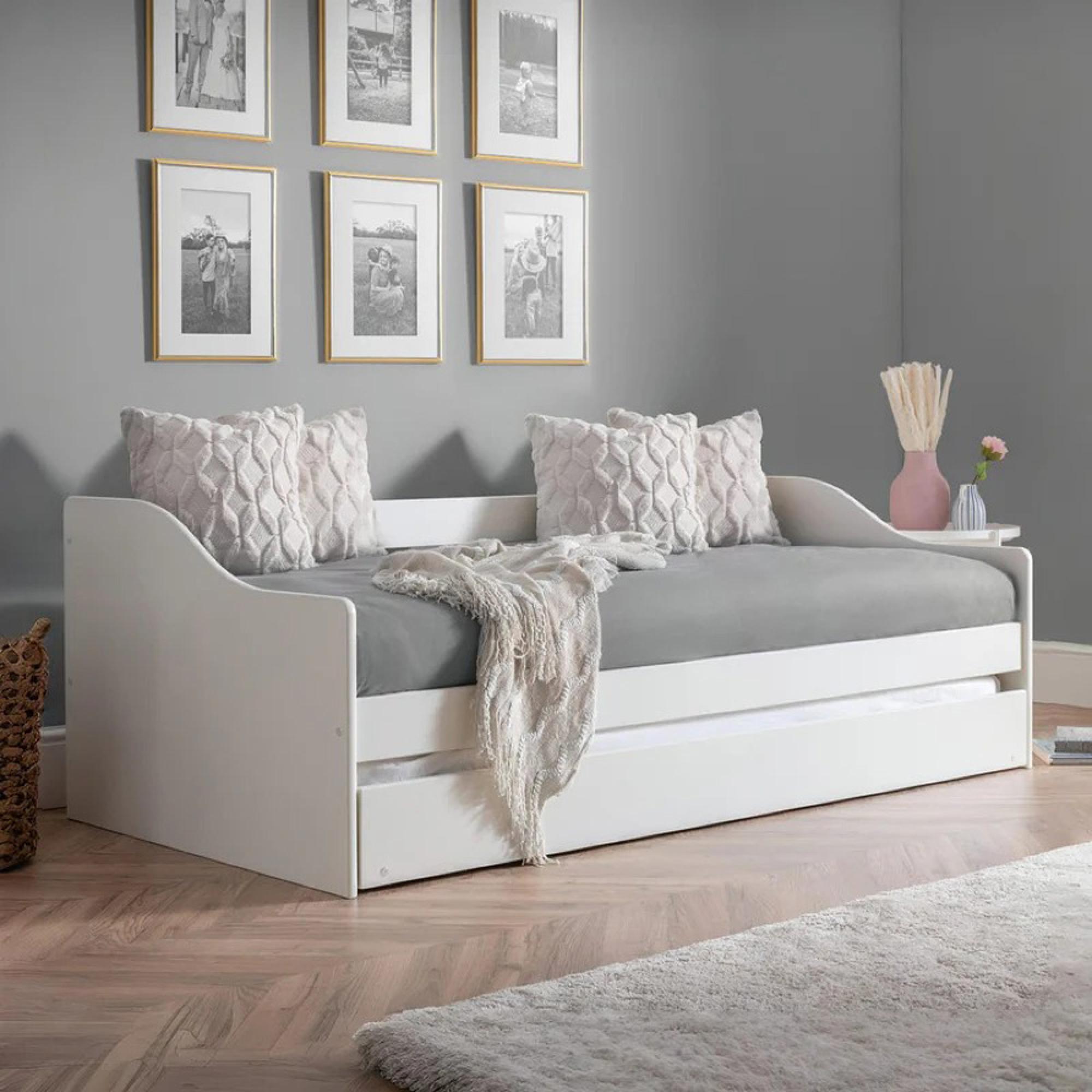
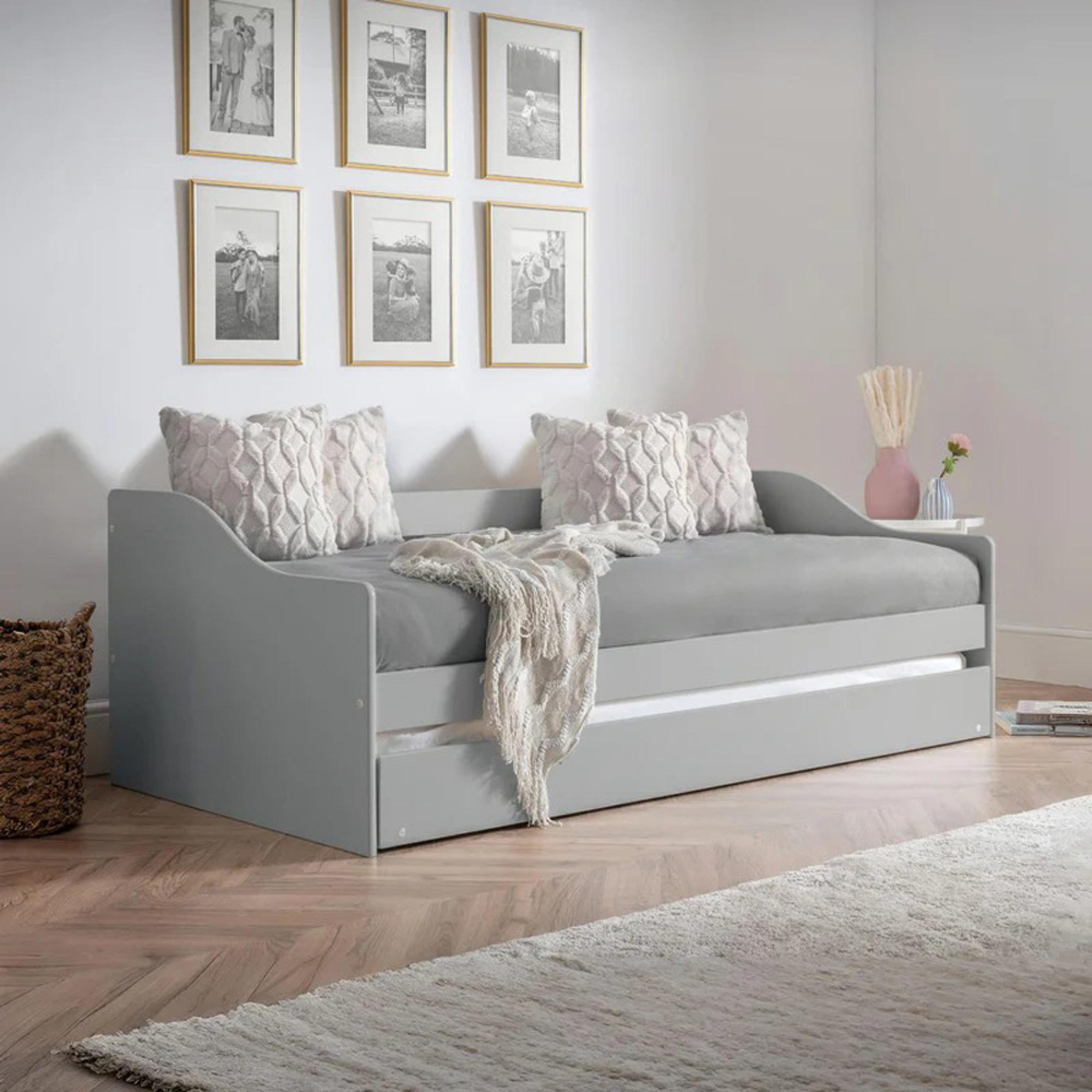
Use the Day Beds category to compare choices that create a supportive foundation and clear focal point for the bedroom. Compare mattress size, frame material, headboard design, under-bed storage and assembly to identify the right balance of appearance and function. Measure access routes as well as the final bedroom position before choosing a frame. Check each product page for exact dimensions, construction, finish, assembly and care information before making a final choice.
Read more X Close

Price

Material

Colour

  • Grey
  • White

Choosing Day Beds

This category focuses on Day Beds that can create a supportive foundation and clear focal point for the bedroom. Start with the room layout and daily use, then compare mattress size, frame material, headboard design, under-bed storage and assembly. Function and visual balance both matter, so compare the complete specification rather than choosing on appearance alone. This keeps the decision focused on practical suitability as well as style.

Plan the space before choosing

Measure access routes as well as the final bedroom position before choosing a frame. Record the available width, depth and height, including clearance for doors, drawers, reclining parts or extensions where relevant. Account for skirting boards, radiators, sockets and walking routes, then check the access route through doors, halls and stairs.

For adjacent choices, explore Beds, Wooden Beds and Metal Beds. Use these comparisons alongside the specifications on each product page.

Day Beds for considered interiors

The Day Beds category focuses on choices intended to create a supportive foundation and clear focal point for the bedroom. A suitable option should respond to the room's proportions, surrounding furniture and practical demands of everyday use. Use the category wording as a starting point, then verify the exact material, finish and features shown on each product page.

Material, finish and construction

When comparing beds, look closely at mattress size, frame material, headboard design, under-bed storage and assembly. Materials influence appearance, weight and maintenance, while finish affects colour coordination and day-to-day care. Use the written specification to confirm construction and care requirements.

Function and room planning

Measure access routes as well as the final bedroom position before choosing a frame. Mark out the footprint and consider how people move around it. Where a product opens, extends, swivels or reclines, include that working clearance. For storage, seating or sleeping products, match the layout, support and capacity to the needs of regular users.

Creating a coordinated result

Build the room around a clear relationship between scale, colour and material. Matching every finish is not essential, but repeating one or two elements can connect separate pieces. You can also compare Beds, Wooden Beds and Metal Beds for closely related room and product choices. Use the individual listing to confirm dimensions, included components, assembly and suitability.
Read more X Close

FAQs on Day Beds

What should I look for when buying a day bed?

Consider frame material (wood, metal, or upholstered), mattress quality, size, and storage features. Check weight capacity, assembly requirements, and whether it suits your rooms décor. Measure your space to ensure proper fit, accounting for the backrest depth.

Day beds have a fixed frame with one open side and backrest, functioning as seating and sleeping furniture simultaneously. Sofa beds fold or pull out into a bed. Day beds work better in small spaces; sofa beds suit rooms where beds arent always needed.

Yes, day beds work well for everyday sleeping if they have a quality mattress and sturdy frame. Theyre ideal for guest rooms, childrens bedrooms, and studio flats where space is limited and dual functionality is important.

Most day beds use single mattresses (90cm × 190cm), though some larger models fit 120cm-wide options for two sleepers. Always check your specific day beds dimensions before purchasing a mattress, as frame sizes vary between manufacturers.

Wood frames offer durability and classic aesthetics; metal frames suit modern spaces and are lightweight. Upholstered day beds provide comfort and warmth. Consider your décor style and maintenance needs—wood requires occasional treatment, metal is easy to clean, upholstery needs regular vacuuming.

Yes, day beds work excellently in living rooms, especially smaller spaces. Style with scatter cushions and throws to enhance the sofa appearance during the day. Choose neutral colours or patterns that match your existing décor for seamless integration.

Measure length (typically 200cm), width (90cm single or 120cm double), and depth including backrest (usually 90–100cm). Leave 30cm clearance on sides for movement. Account for door openings and ensure the mattress size matches your frame dimensions exactly.

Day beds with under-bed drawers or compartments add significant value in small spaces by reducing the need for separate furniture. Theyre cost-effective for guest rooms or childrens bedrooms. Check weight limits—storage-equipped models may cost £100–200 more but maximise functionality.

Add a bolster cushion along the backrest, layer scatter cushions (minimum three) in complementary colours, and drape a throw blanket. Keep the colour palette cohesive with your room. Remove sleeping bedding during the day and store in a basket to maintain the sofa aesthetic.

Day beds sit at sofa height with a backrest and function as seating and sleeping furniture. Trundle beds are low-profile with a pull-out second bed underneath, designed primarily for sleeping. Choose day beds for multi-purpose rooms; trundle beds for guest bedrooms needing extra sleeping space.

Vacuum weekly to remove dust and debris. Treat spills immediately using appropriate upholstery cleaner. Check the manufacturers guidance for fabric type. Rotate cushions regularly to prevent uneven wear. Keep away from direct sunlight to minimise colour fading over time.

Folding beds with quality foam or innerspring mattresses are reasonably comfortable for short-term use. Theyre ideal for occasional guests but may not suit extended stays. Pair with a toppers or quilted protectors to improve comfort and durability.
Top