Free Delivery All Over UK*
close
Top products
SHOW ALL PRODUCTS

Wardrobes 60cm to 90cm Wide

Found 1691 Items

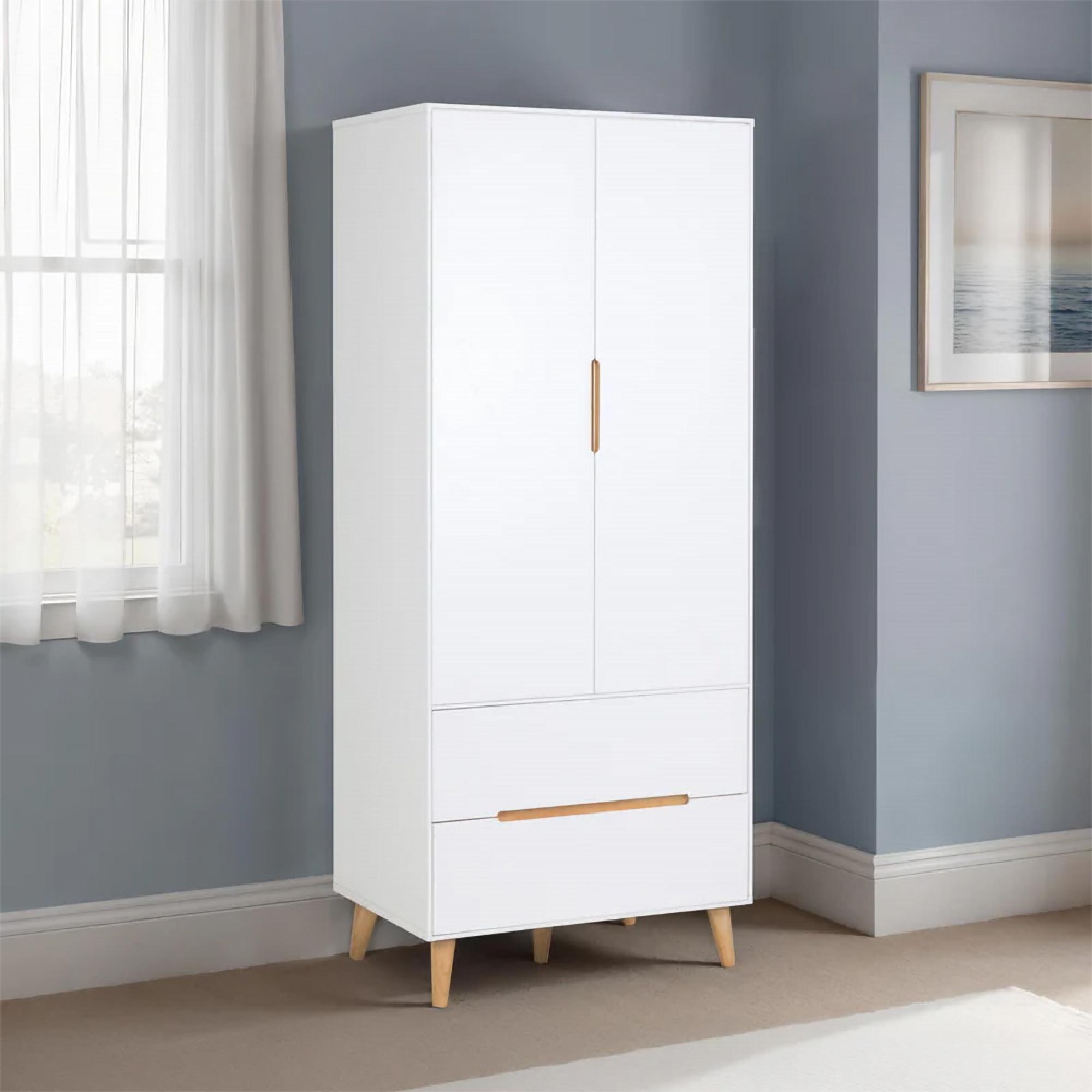
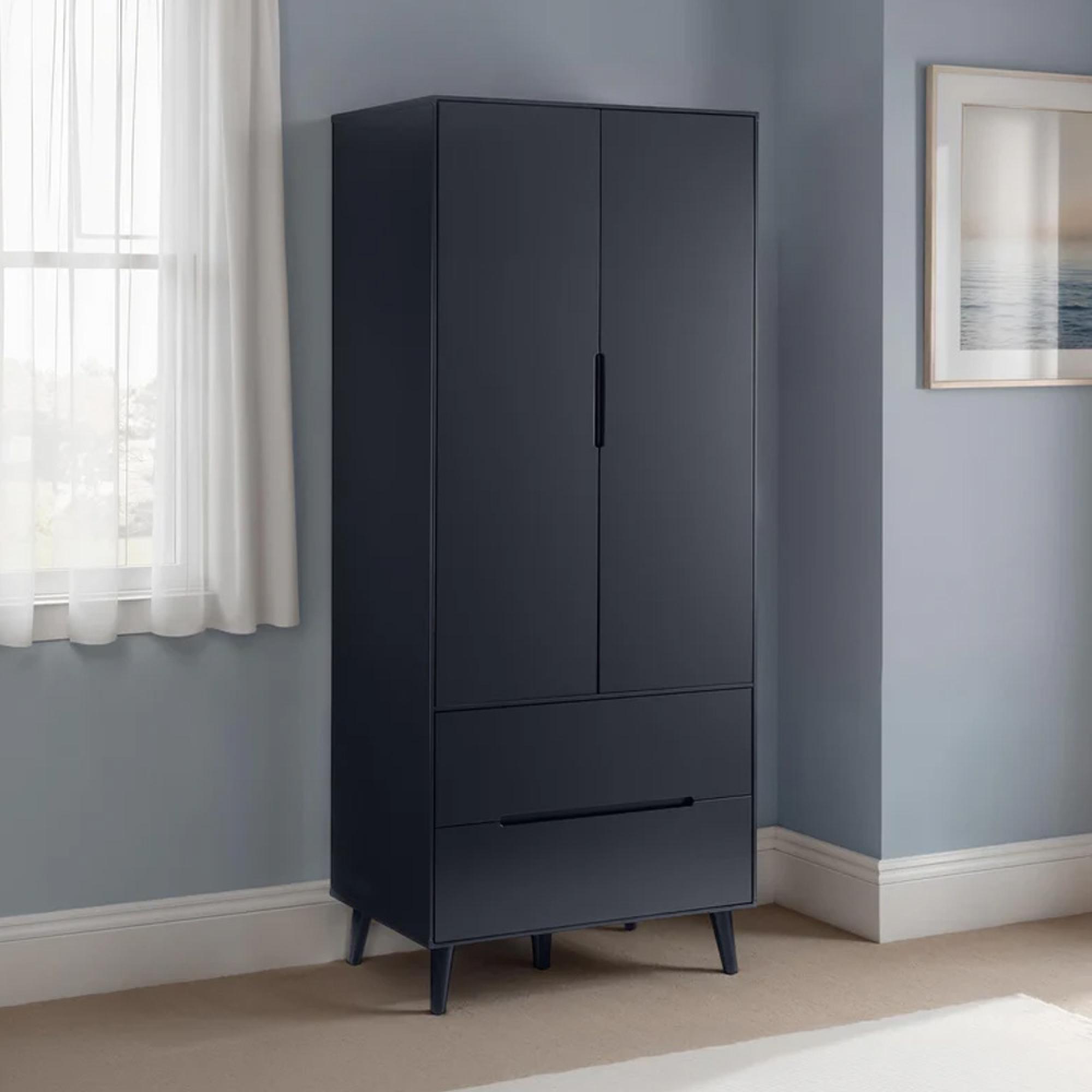
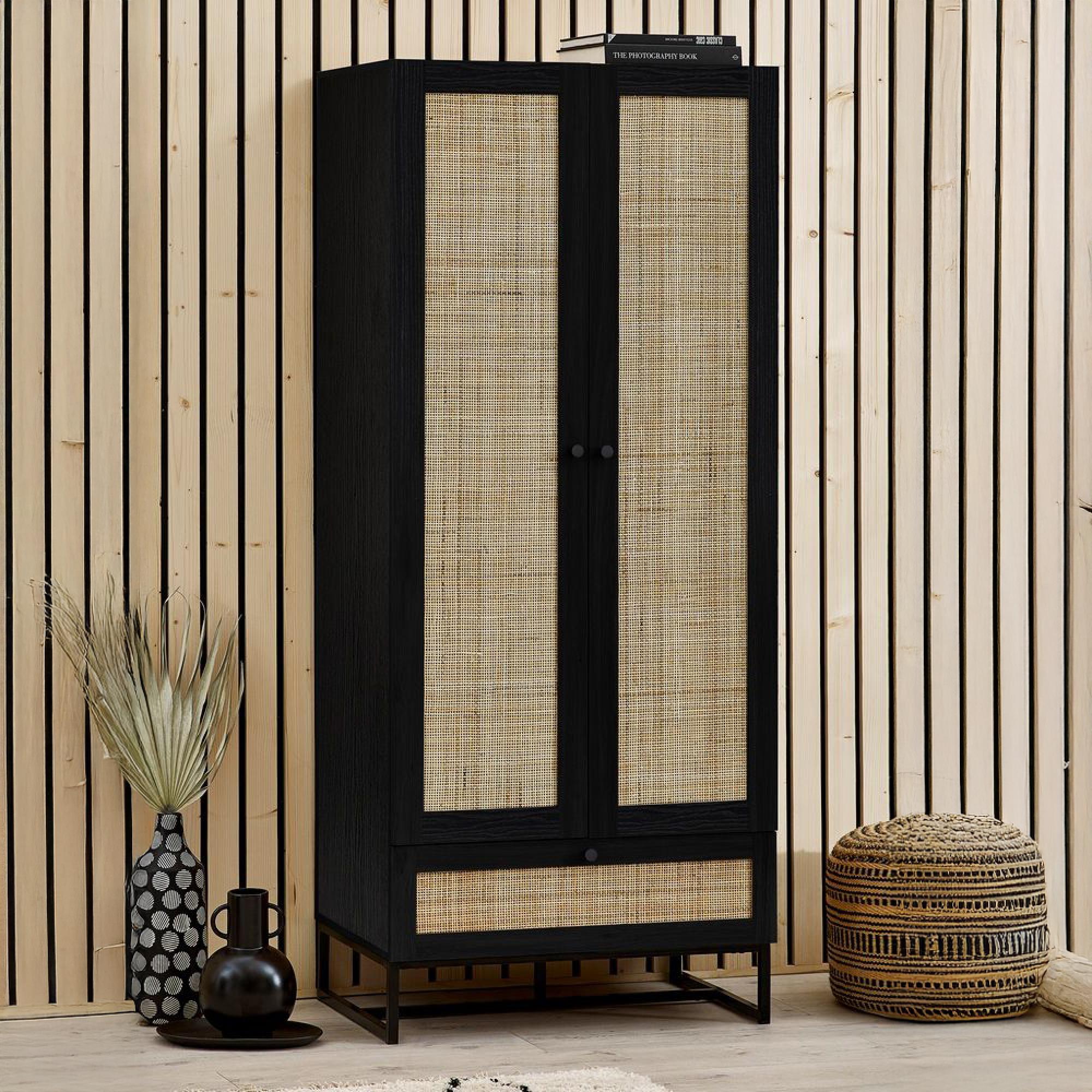
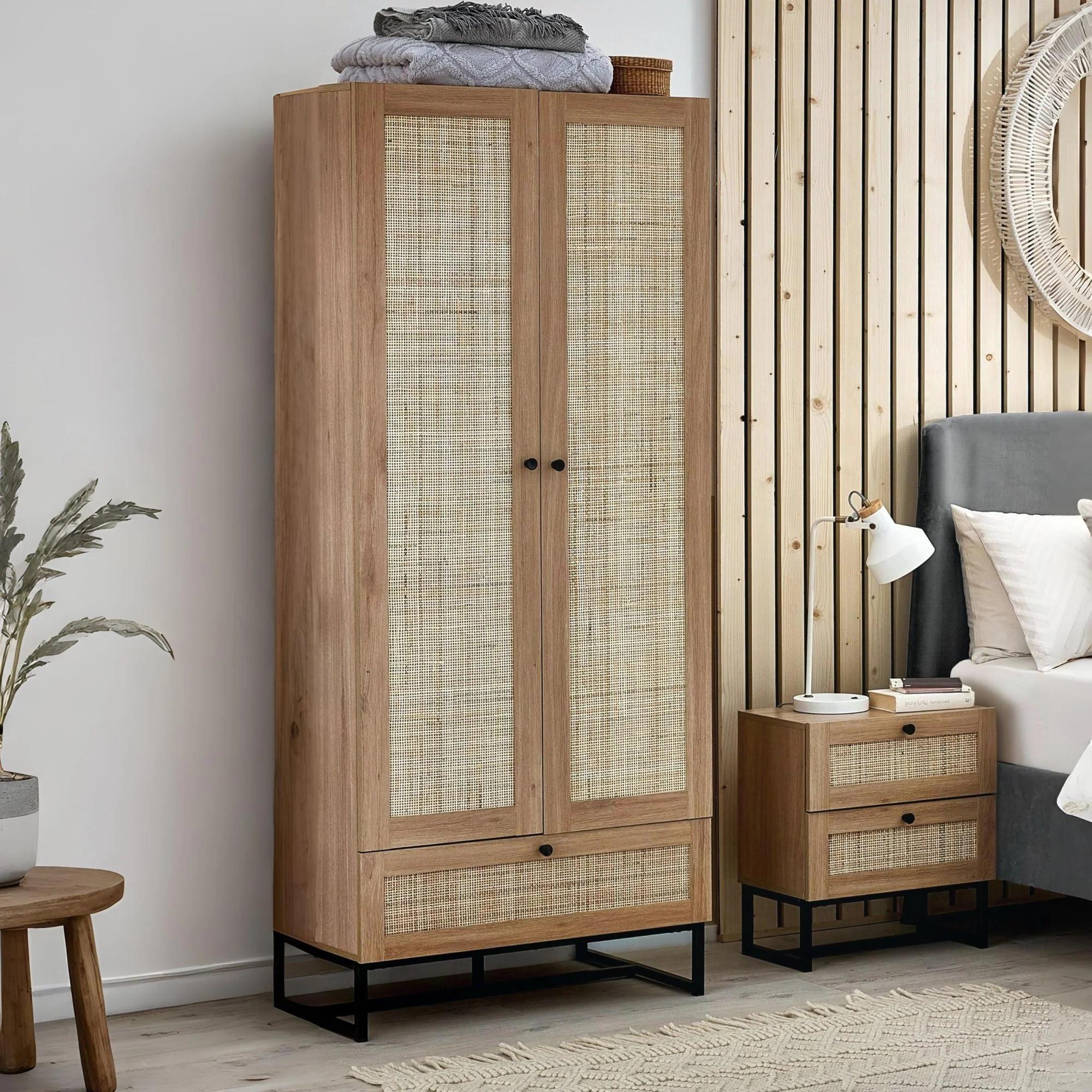
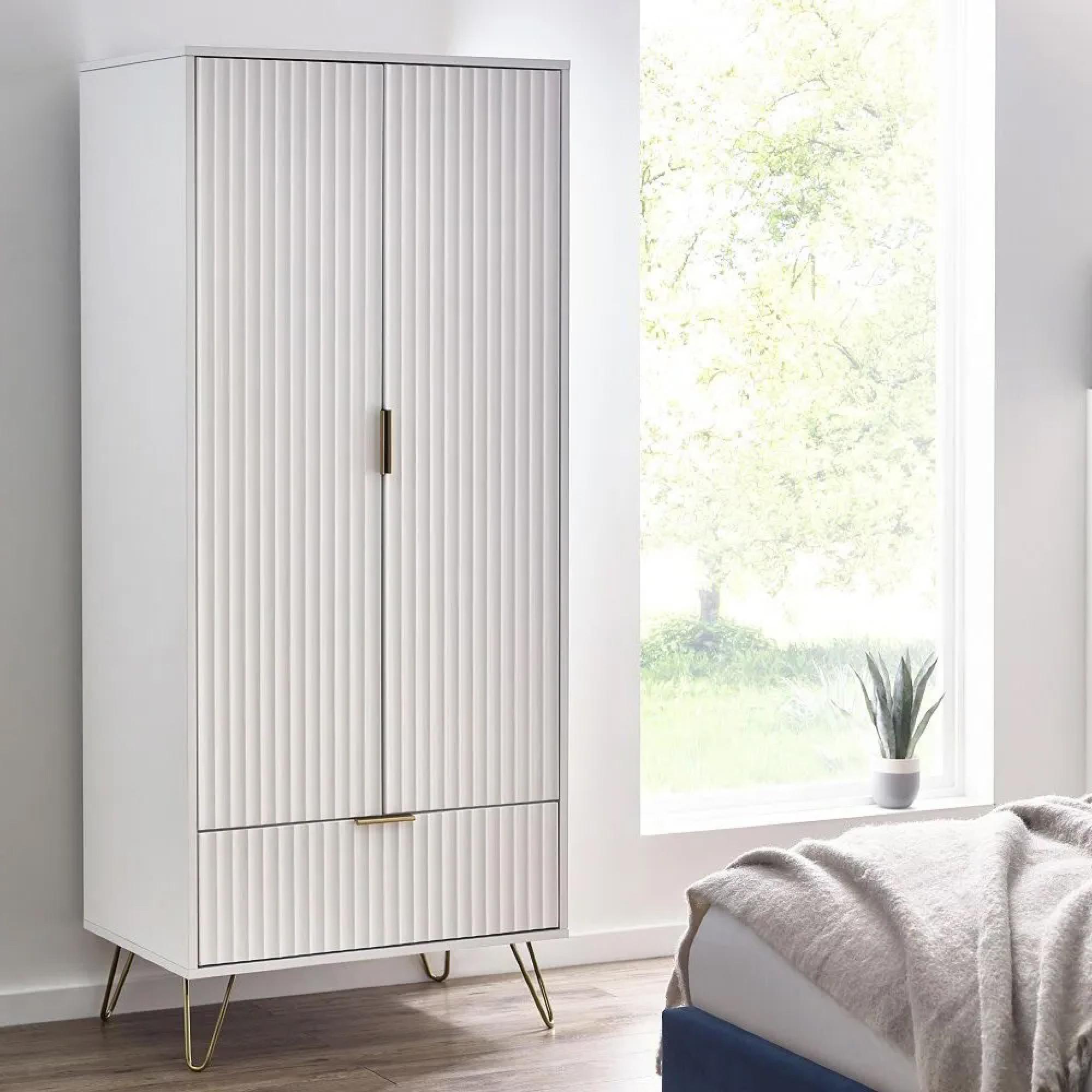
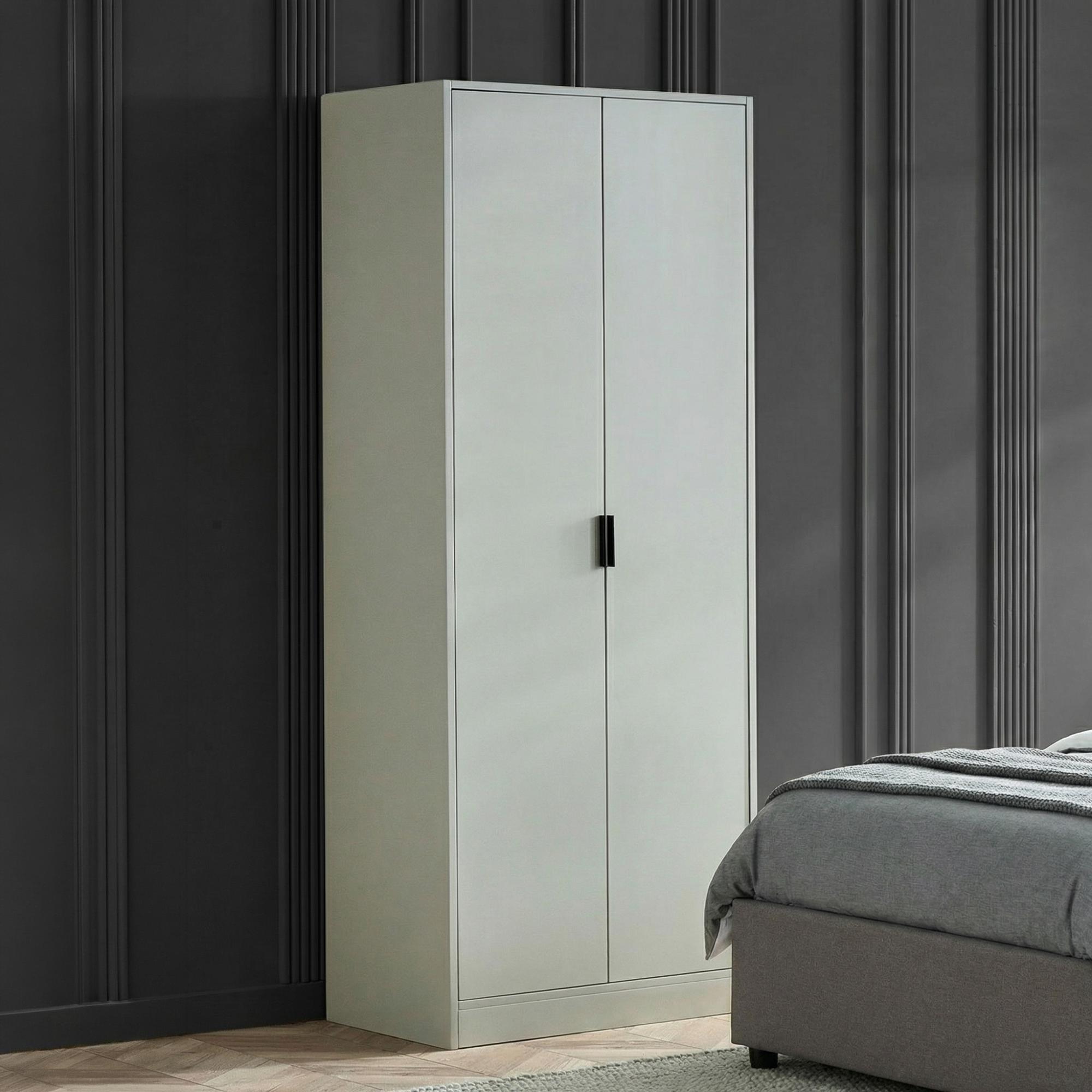
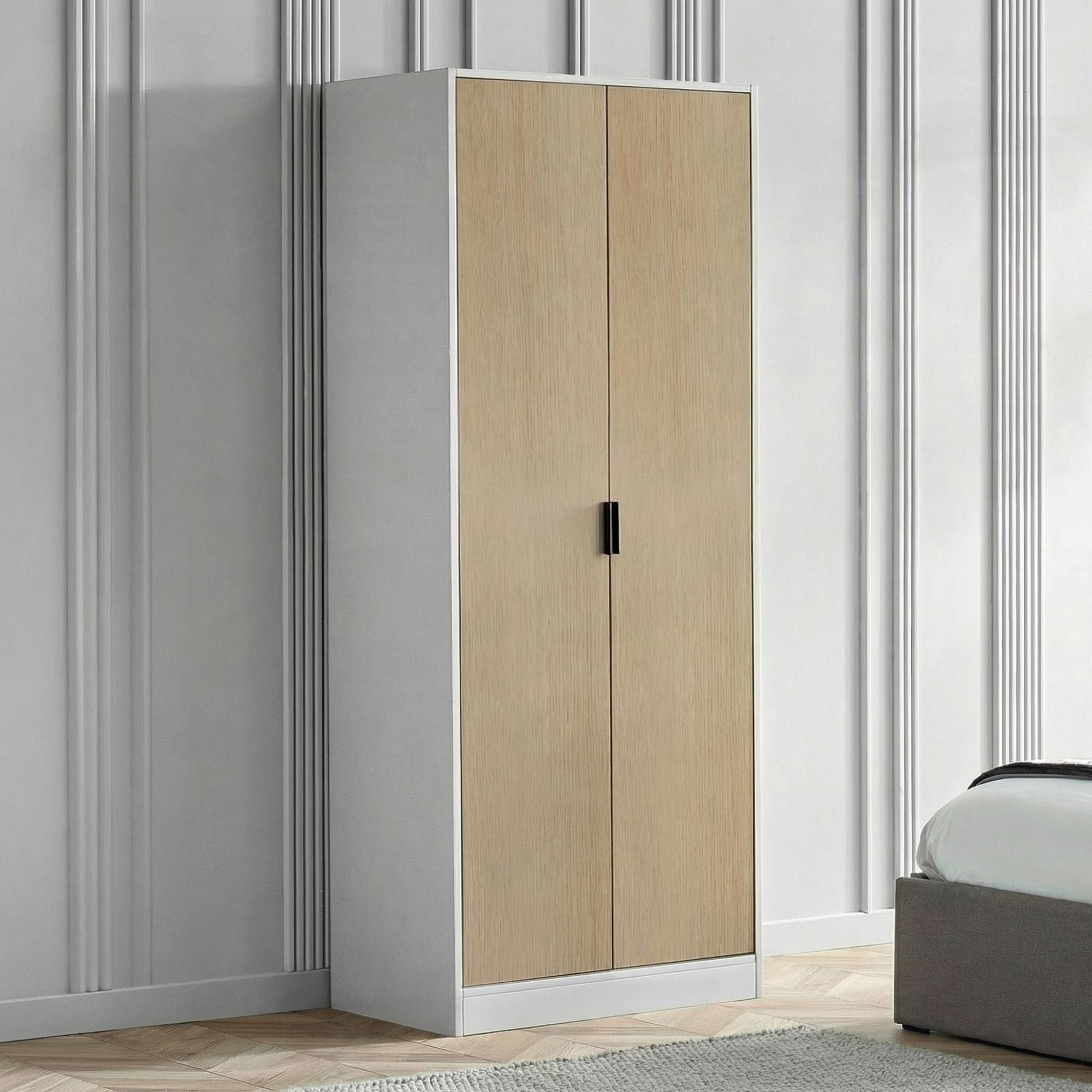
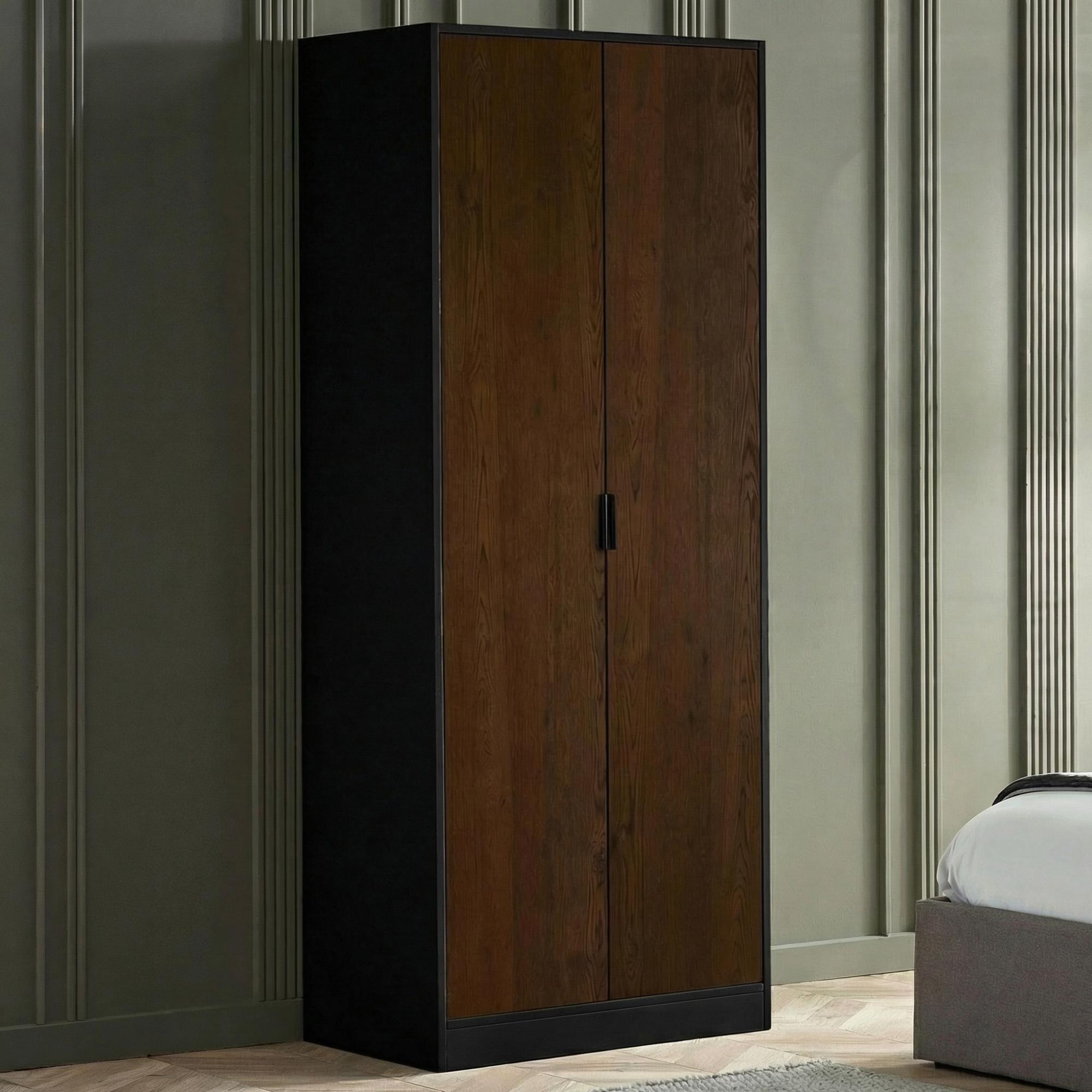
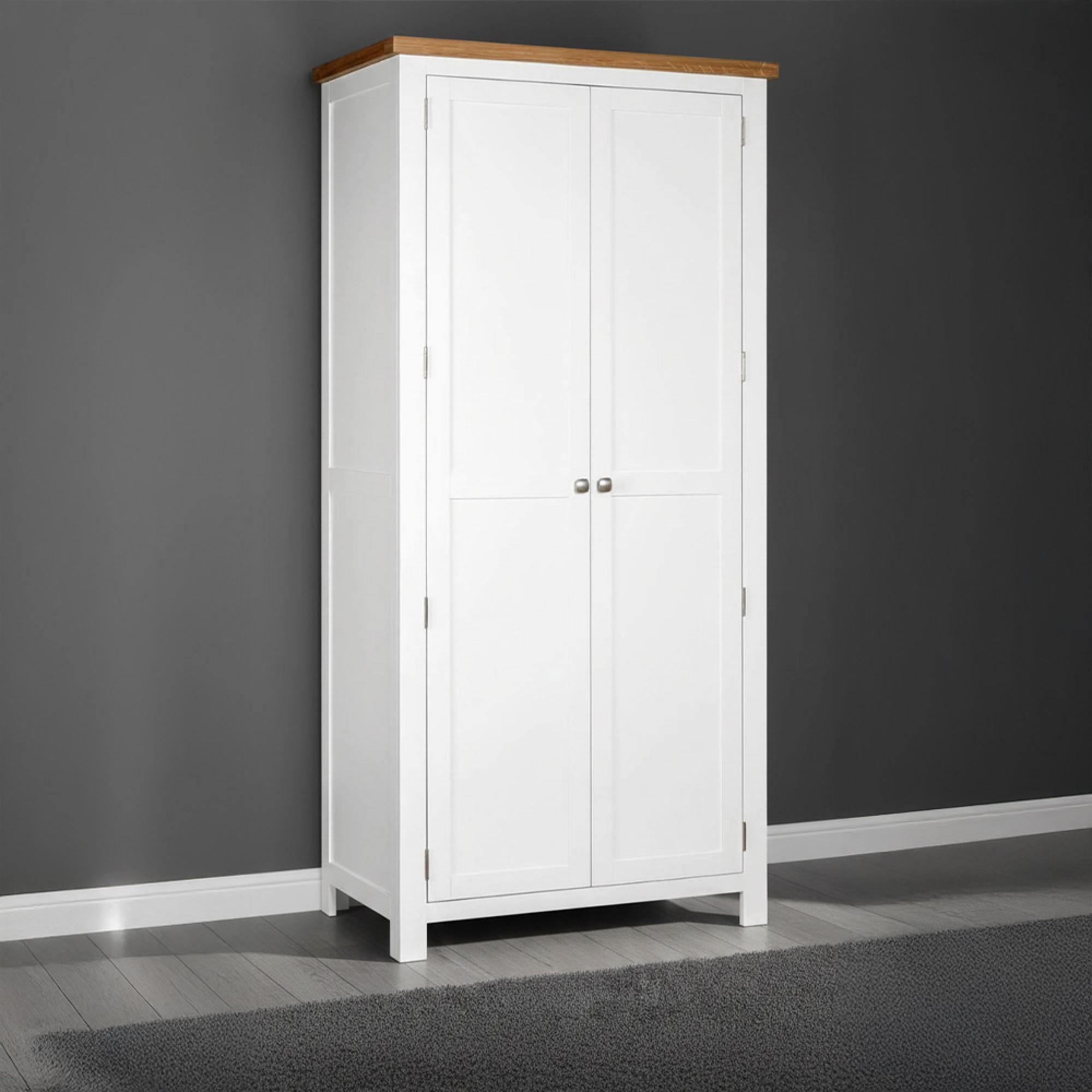
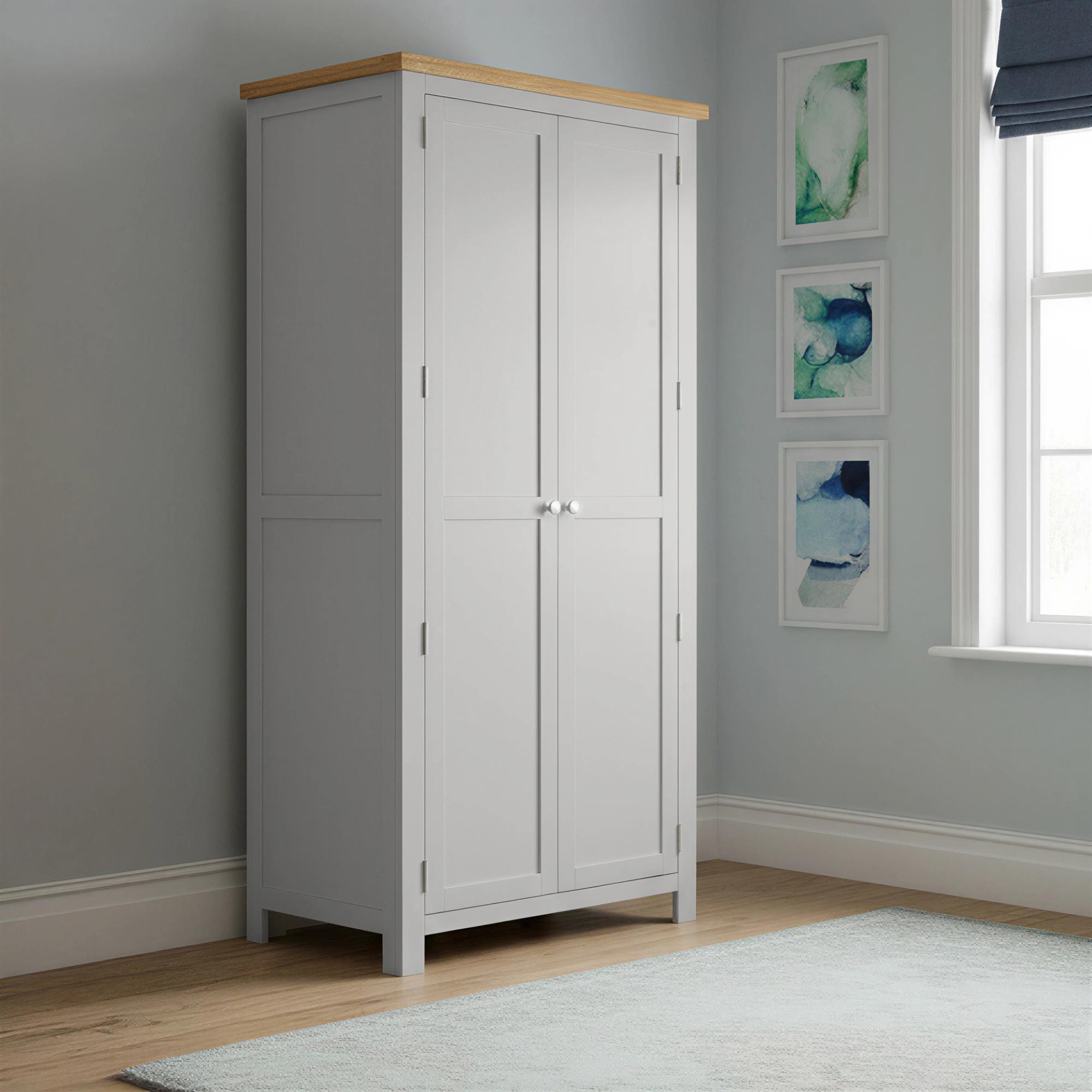
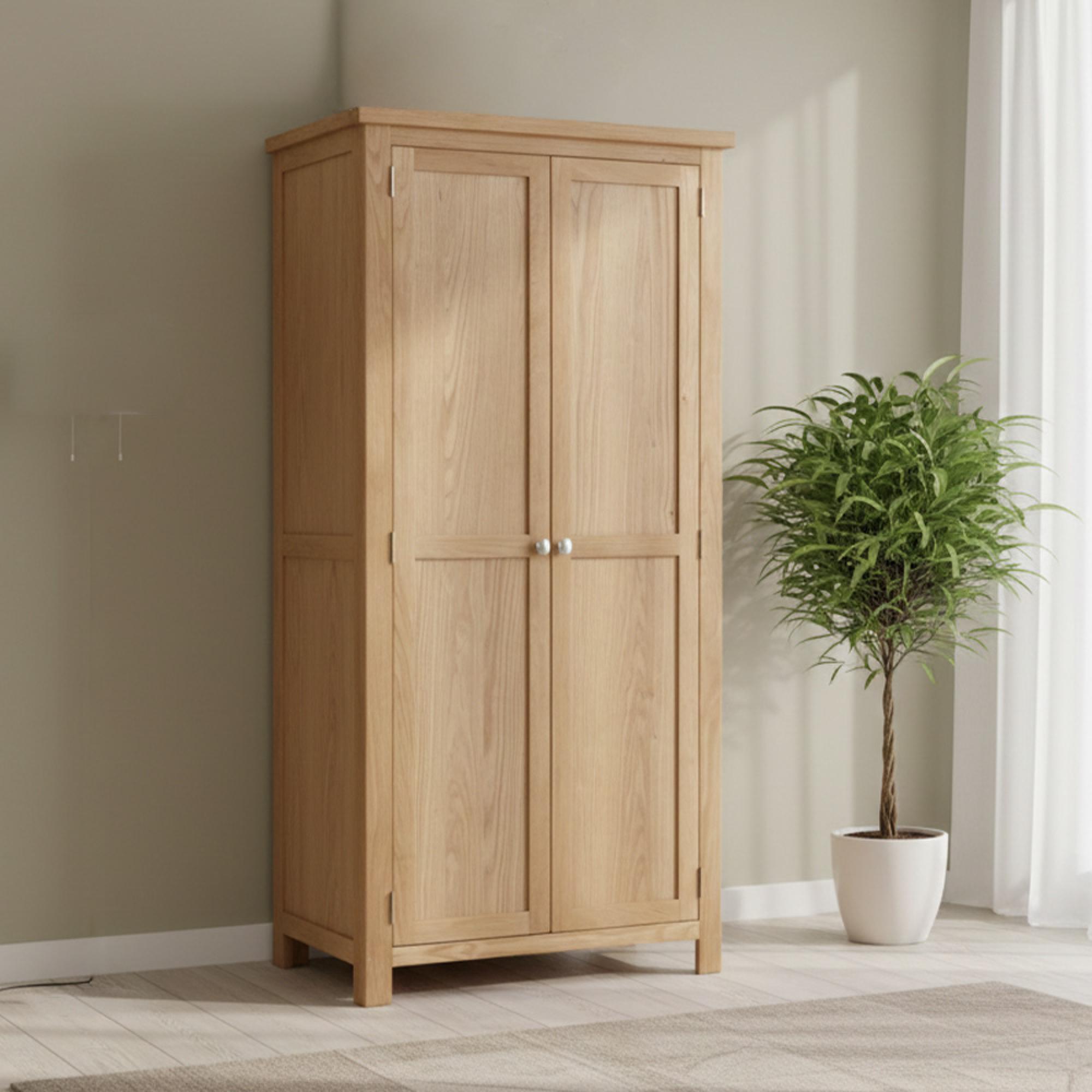
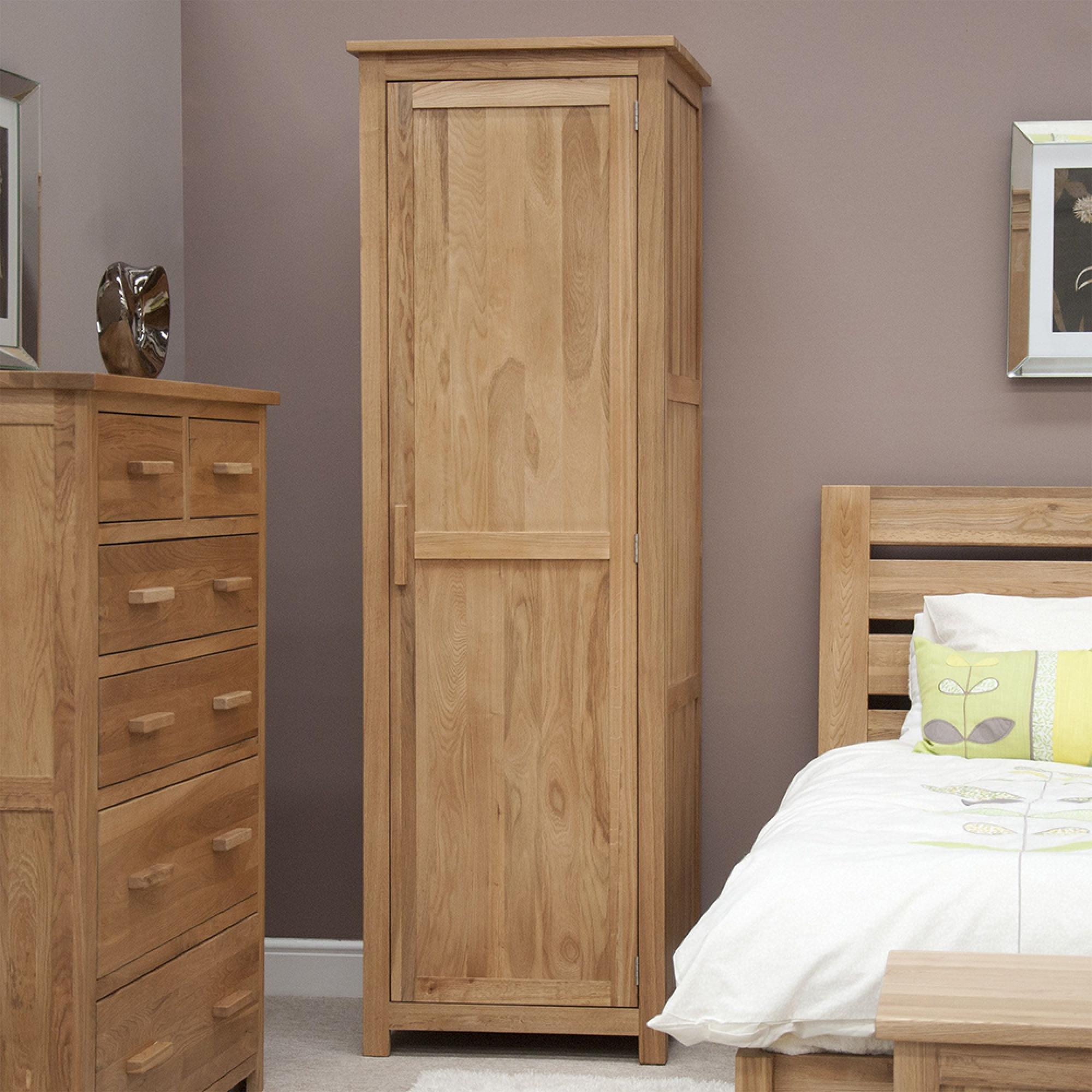
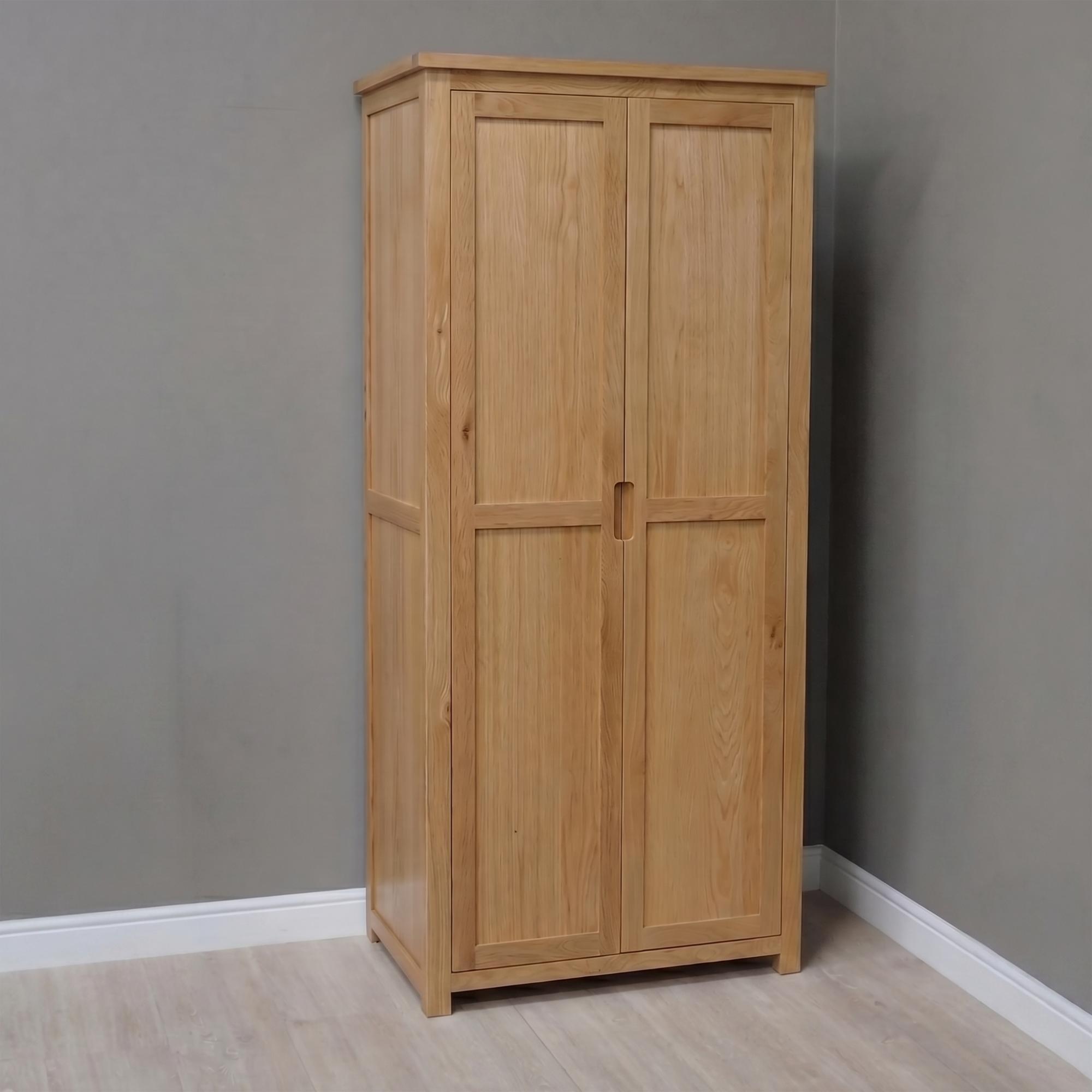
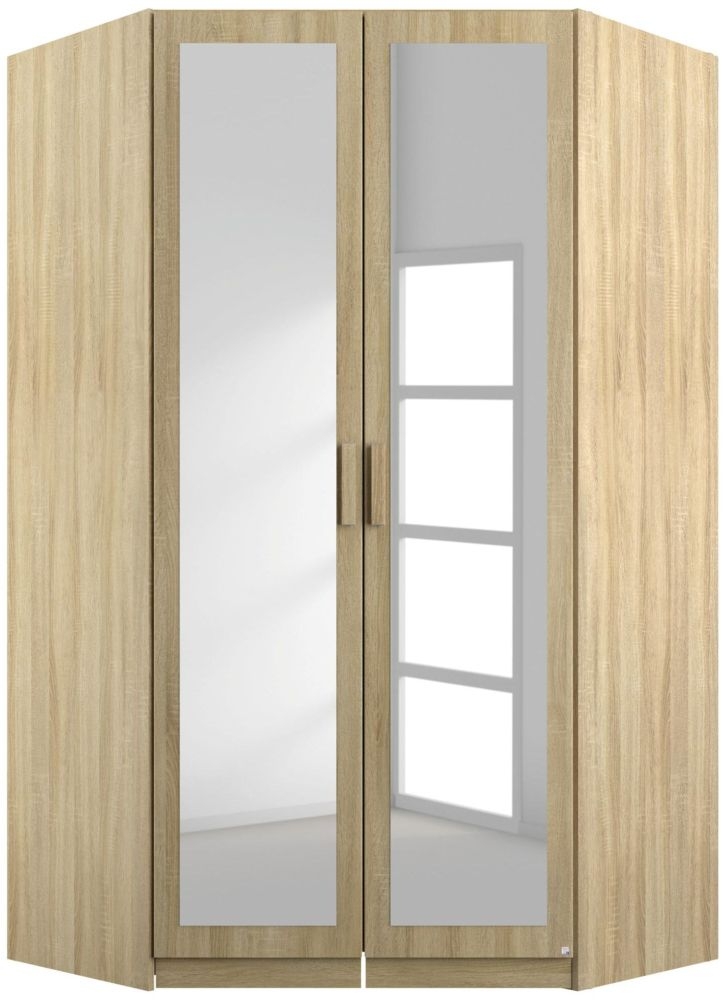
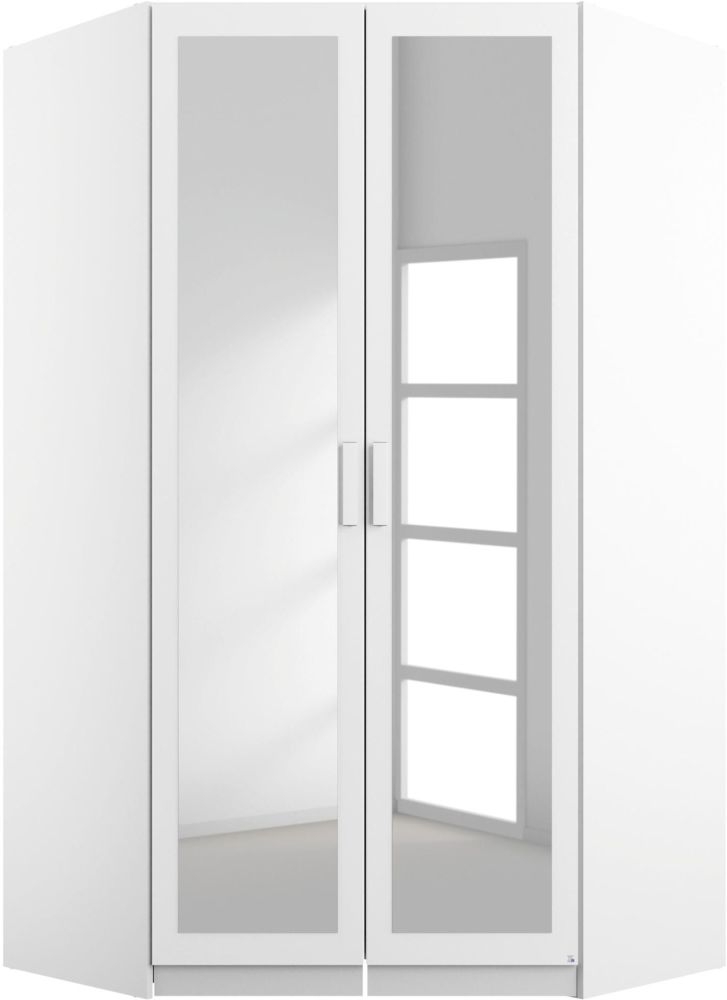
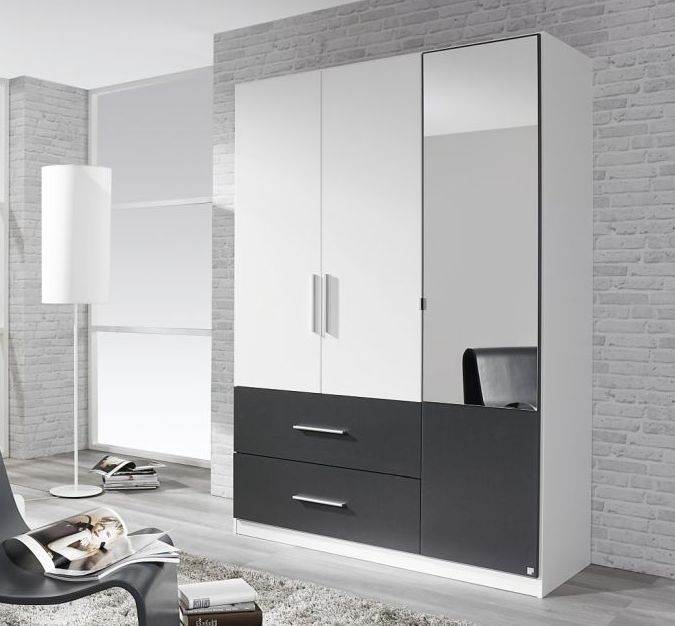
Choose Wardrobes 60cm to 90cm Wide with the room, daily routine and intended use in mind. Compare door type, internal rails, shelving, drawers, height and assembly requirements to identify the right balance of appearance and function. The size-led focus makes accurate room measurements and usable clearance central to the decision. Sliding doors suit tighter layouts, while hinged doors need clear space in front. Confirm dimensions, materials, assembly and care on the individual product page.
Read more X Close

Price

Type

No. of Doors

No. of Drawers

Material

Finish

Colour

  • Beige
  • Black
  • Blue
  • Brown
  • Cream
  • Green
  • Grey
  • Pink
  • Red
  • White

39 Products of 1691

Load More..

Choosing Wardrobes 60cm to 90cm Wide

This category focuses on Wardrobes 60cm to 90cm Wide that can organise hanging clothes, folded items and accessories within a defined storage area. Start with the room layout and daily use, then compare door type, internal rails, shelving, drawers, height and assembly requirements. The size-led focus makes accurate room measurements and usable clearance central to the decision. This keeps the decision focused on practical suitability as well as style.

Plan the space before choosing

Sliding doors suit tighter layouts, while hinged doors need clear space in front. Record the available width, depth and height, including clearance for doors, drawers, reclining parts or extensions where relevant. Account for skirting boards, radiators, sockets and walking routes, then check the access route through doors, halls and stairs.

For adjacent choices, explore Wardrobes, Wardrobes 40cm to 60cm Wide and Wardrobes 90cm to 120cm Wide. Use these comparisons alongside the specifications on each product page.

Wardrobes 60cm to 90cm Wide for considered interiors

The Wardrobes 60cm to 90cm Wide category focuses on choices intended to organise hanging clothes, folded items and accessories within a defined storage area. A suitable option should respond to the room's proportions, surrounding furniture and practical demands of everyday use. The size-led focus makes accurate room measurements and usable clearance central to the decision.

Material, finish and construction

When comparing wardrobes, look closely at door type, internal rails, shelving, drawers, height and assembly requirements. Materials influence appearance, weight and maintenance, while finish affects colour coordination and day-to-day care. Use the written specification to confirm construction and care requirements.

Function and room planning

Sliding doors suit tighter layouts, while hinged doors need clear space in front. Mark out the footprint and consider how people move around it. Where a product opens, extends, swivels or reclines, include that working clearance. For storage, seating or sleeping products, match the layout, support and capacity to the needs of regular users.

Creating a coordinated result

Build the room around a clear relationship between scale, colour and material. Matching every finish is not essential, but repeating one or two elements can connect separate pieces. You can also compare Wardrobes, Wardrobes 40cm to 60cm Wide and Wardrobes 90cm to 120cm Wide for closely related room and product choices. Use the individual listing to confirm dimensions, included components, assembly and suitability.
Read more X Close

FAQs on Wardrobes 60cm to 90cm Wide

What door type should I choose for a narrow bedroom?

Sliding doors are best for narrow bedrooms as they require no front clearance space. Hinged doors need 60cm minimum swing room, which may be impractical in tight layouts. Folding doors offer a middle ground, requiring less space than hinged but more than sliding options.

Most require self-assembly, typically taking 2–4 hours with two people. Ready-assembled models are available and clearly labelled on product pages. Full instructions and fixings are included. Check the product specification to confirm assembly requirements before ordering.

Essential fittings include at least one hanging rail for full-length clothes and fixed shelves for folded items. Quality models include additional rails, drawers, or adjustable shelves. Review the product specification to match internal layout against your storage needs—different clothes require different configurations.

Measure the width, height, and depth of your available wall space in centimetres. For hinged doors, allow 60cm clearance in front for opening. Check your doorway width to confirm the wardrobe can be moved into the room. Sliding models need no front clearance, saving space.

Yes, this size is ideal for small to medium bedrooms. A 60cm wardrobe fits snugly into corners or alcoves. Sliding door models maximise usable floor space by eliminating door swing clearance. Pair with wall-mounted shelving to increase storage without taking up additional floor area.

Hinged doors open like a standard cupboard but require 60cm front clearance and offer full interior access. Sliding doors glide horizontally, need no clearance space, and are ideal for narrow rooms. Hinged doors are typically cheaper; sliding doors are better for tight layouts and modern aesthetics.

Standard delivery is 5–10 working days. Express and next-day delivery are available on selected in-stock models. Large wardrobes require a 2-person delivery service. Delivery options are confirmed at checkout based on your postcode and product availability.

Most standard doors are 76–80cm wide, so confirm your doorway width before ordering. Wardrobe panels may need to be delivered separately or partially assembled on-site. Contact our customer service with your doorway measurements if youre unsure—well advise on feasibility.

Use the hanging rail for dresses, shirts, and jackets. Allocate shelves for jumpers, jeans, and accessories, keeping heavier items at eye level. Install additional rails or hooks inside if the model permits. Drawer space works well for underwear, socks, and small items to maximise vertical storage.

Yes, theyre generally more affordable than 100cm+ models while still offering substantial storage for one person or a shared bedroom. Theyre less wasteful for smaller spaces, reducing unused capacity. Consider your actual clothing volume—oversizing leads to wasted space and unnecessary cost.

Most are constructed from engineered wood, MDF, or solid wood frames with particleboard or plywood panels. Doors may be finished in melamine, real veneer, or painted surfaces. Check product specifications for durability and care instructions—solid wood typically lasts longer but costs more than engineered alternatives.

Wipe doors monthly with a soft, dry cloth to prevent dust buildup. Use a slightly damp cloth for stubborn marks; avoid excessive moisture. For painted or veneered finishes, use appropriate furniture polish sparingly. Sliding doors need occasional rail cleaning with a damp cloth to ensure smooth operation.
Top