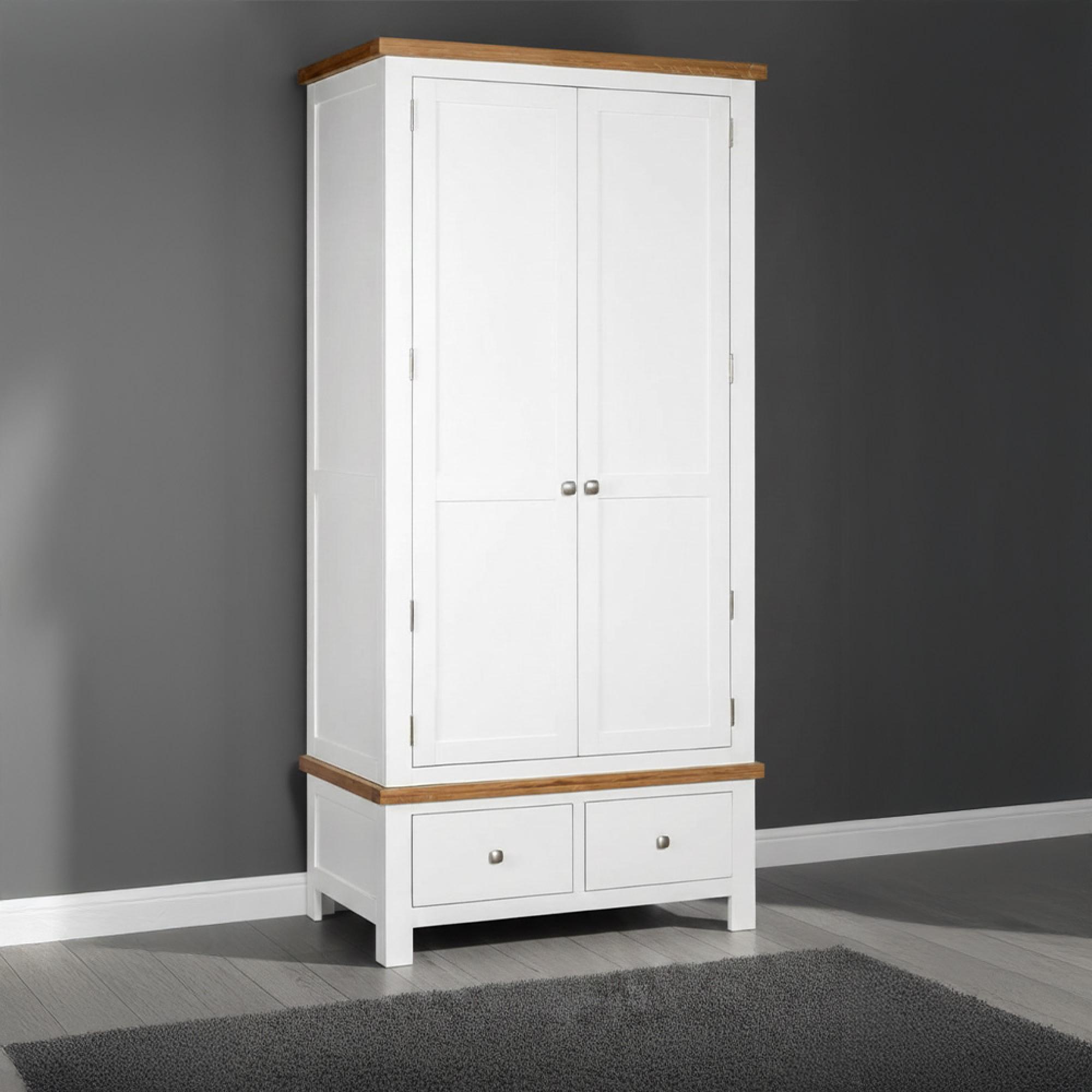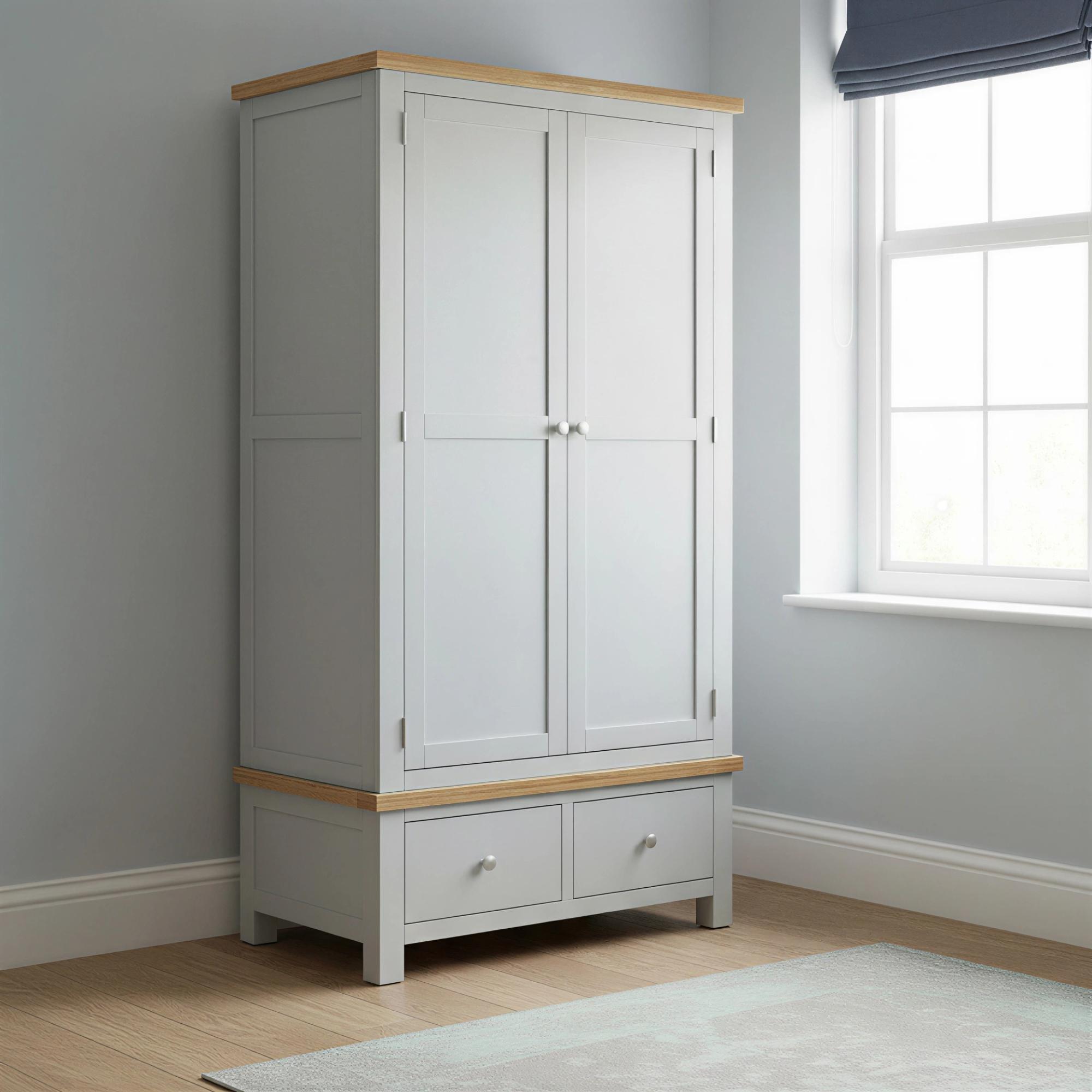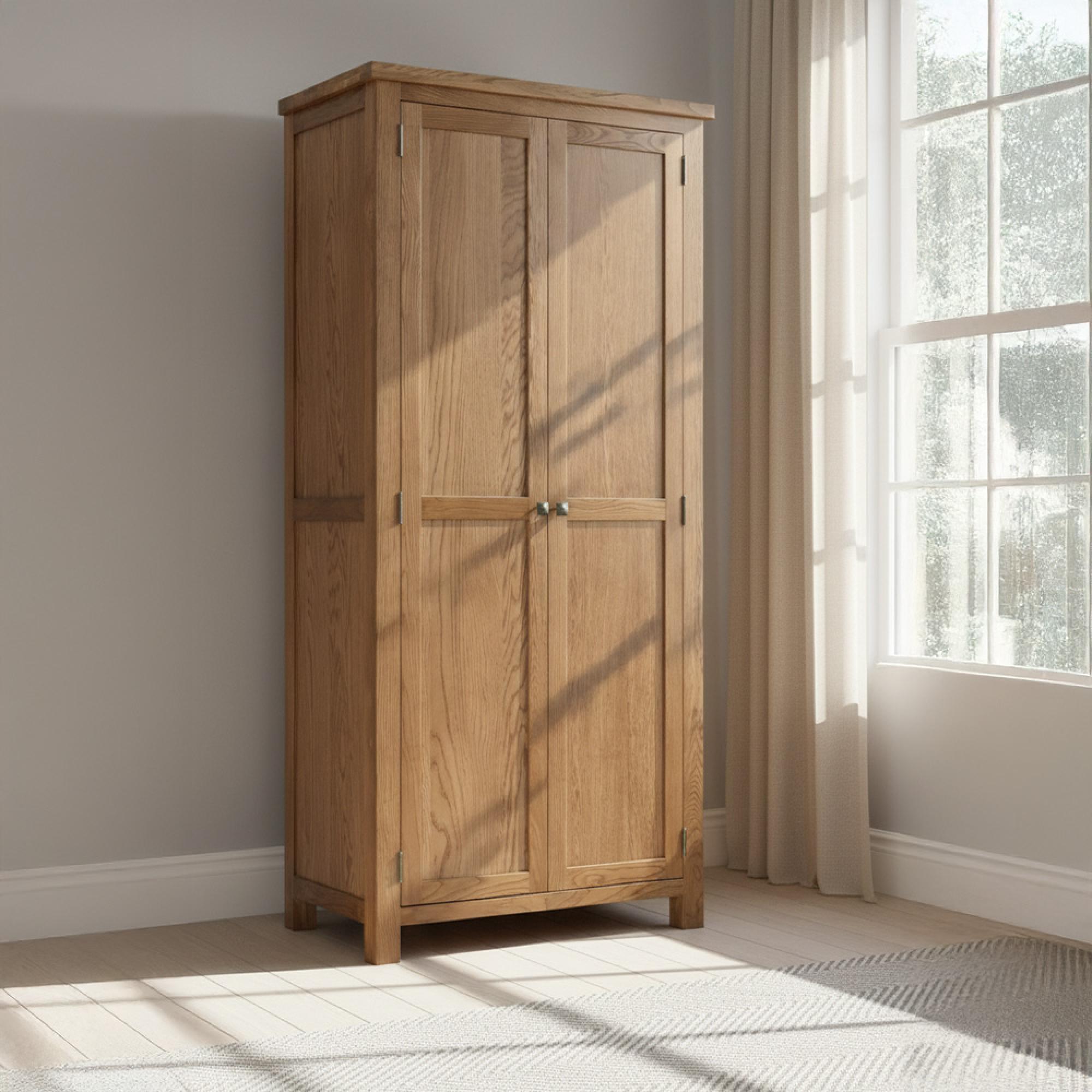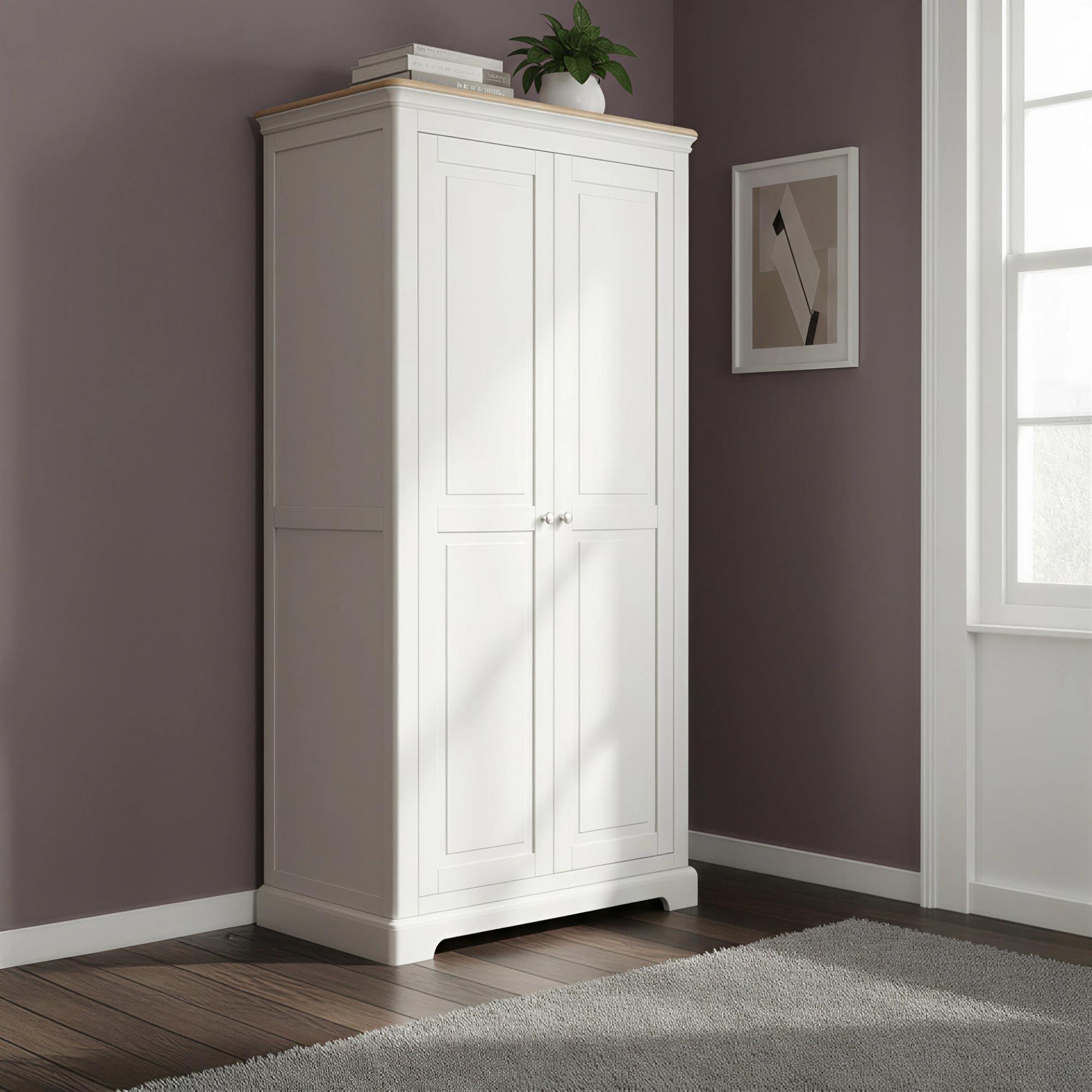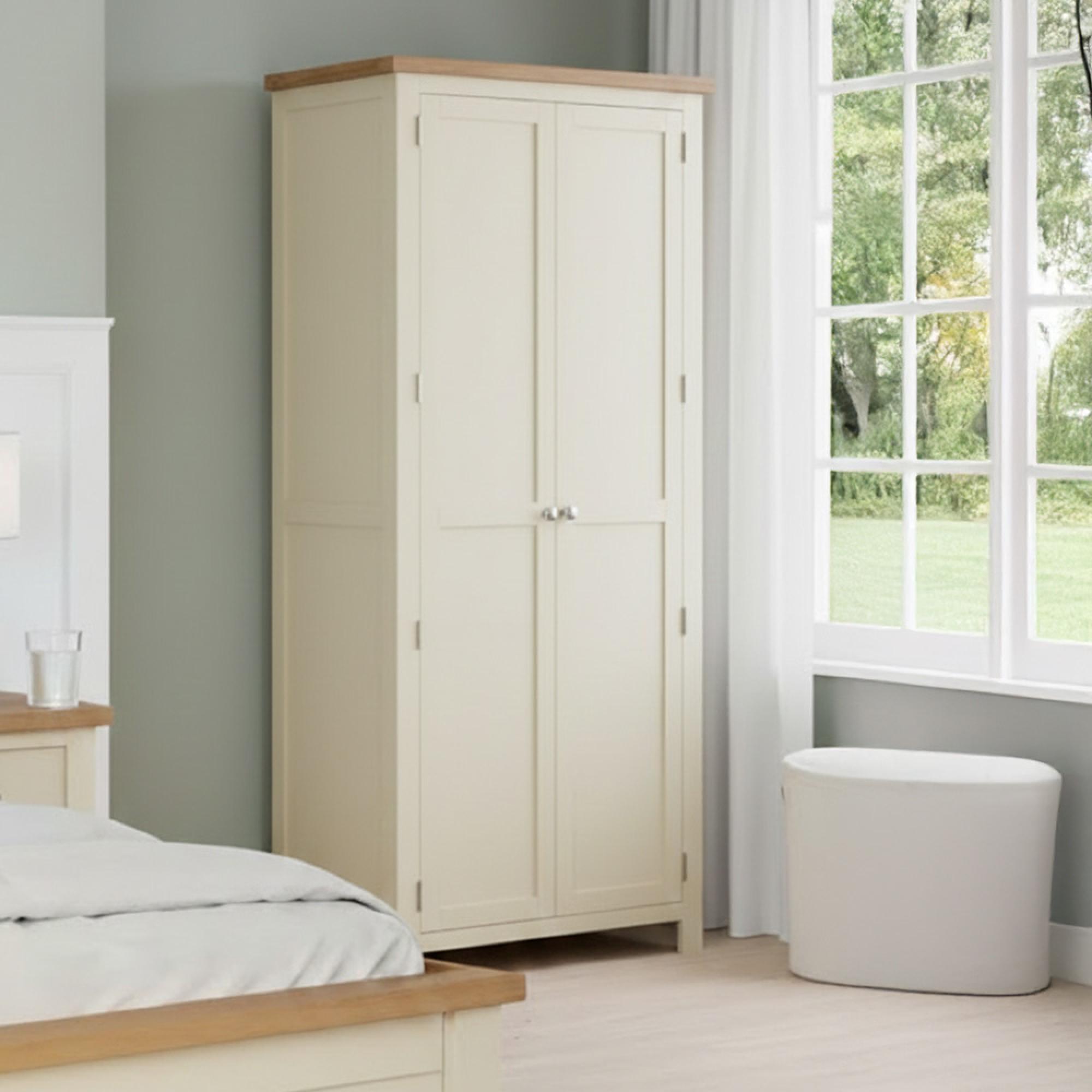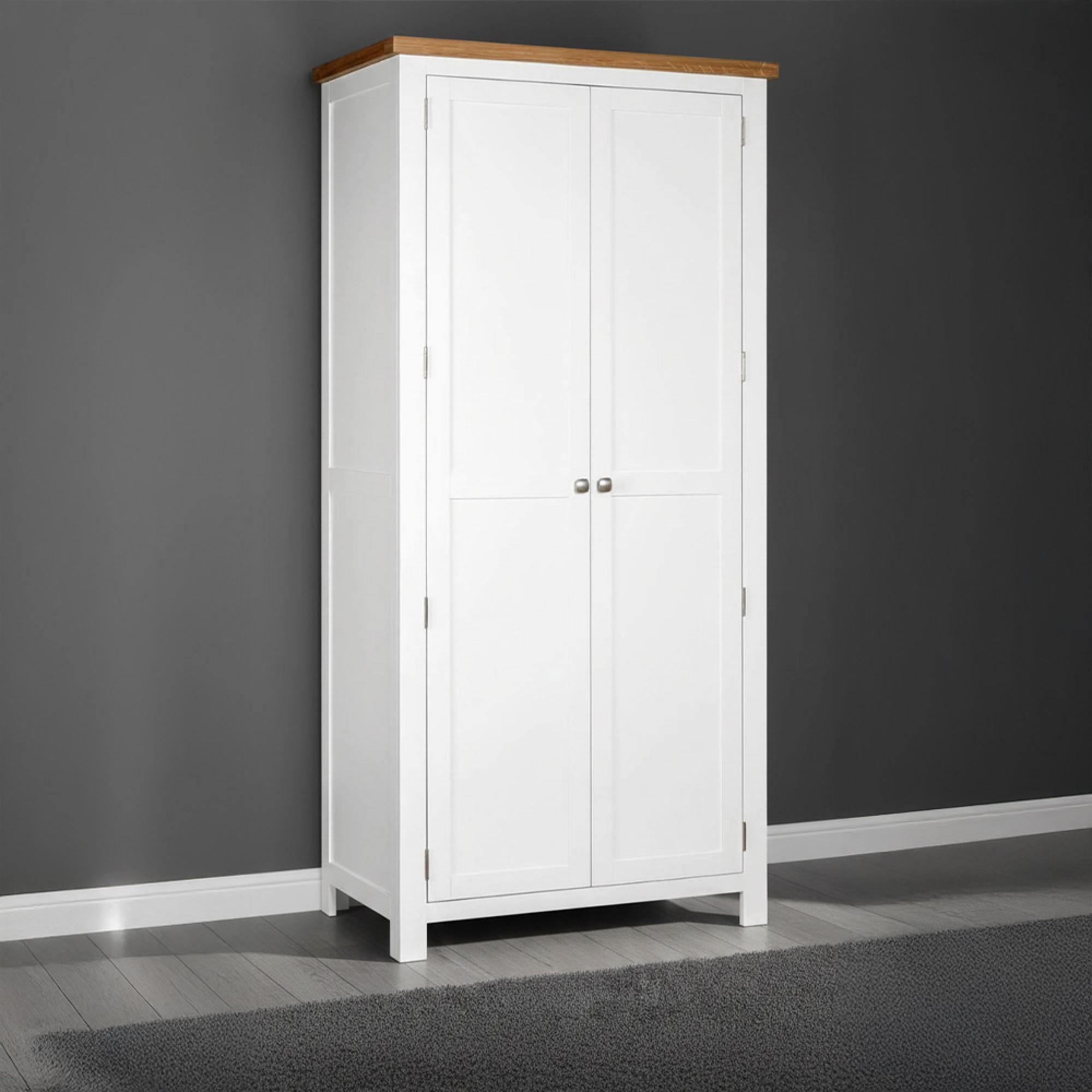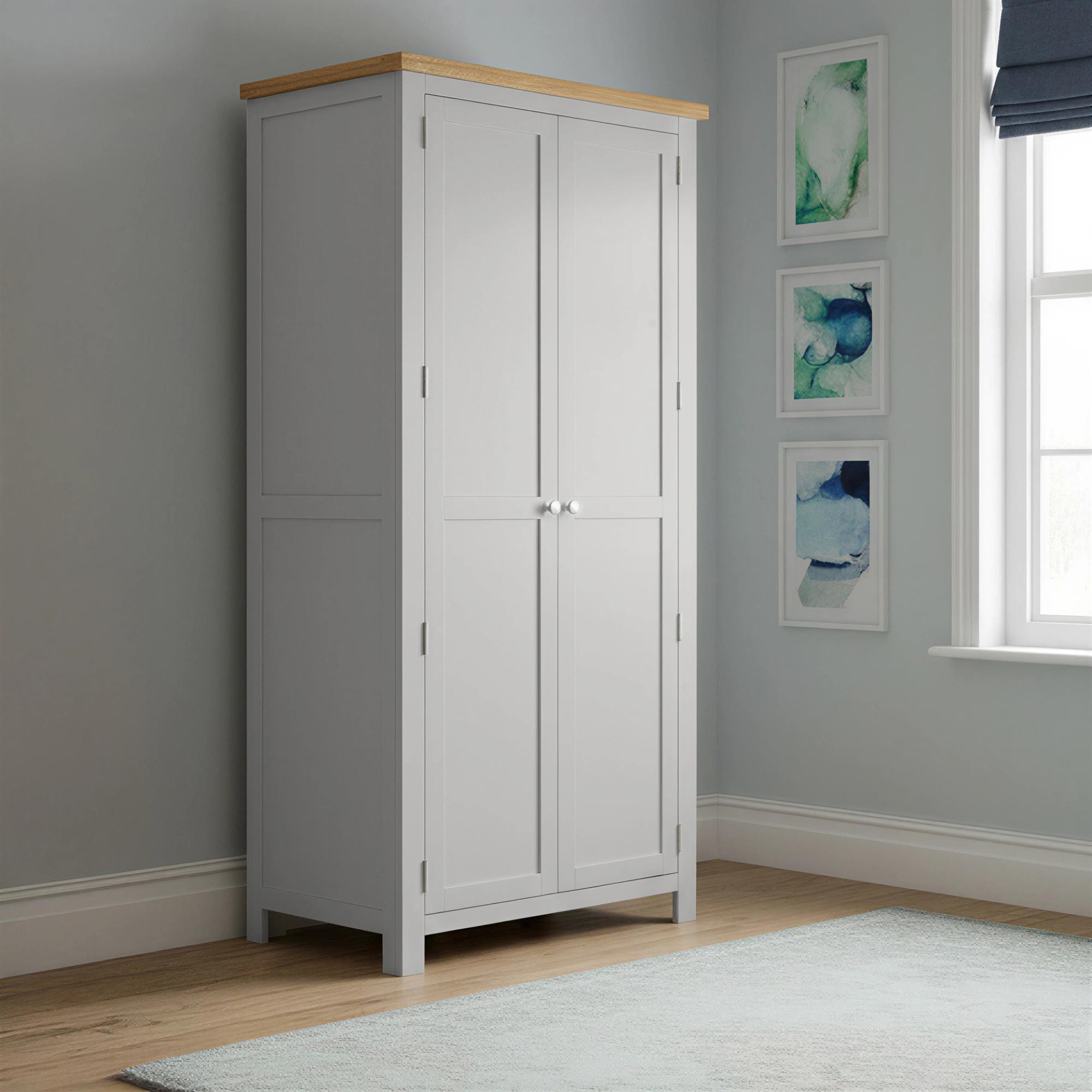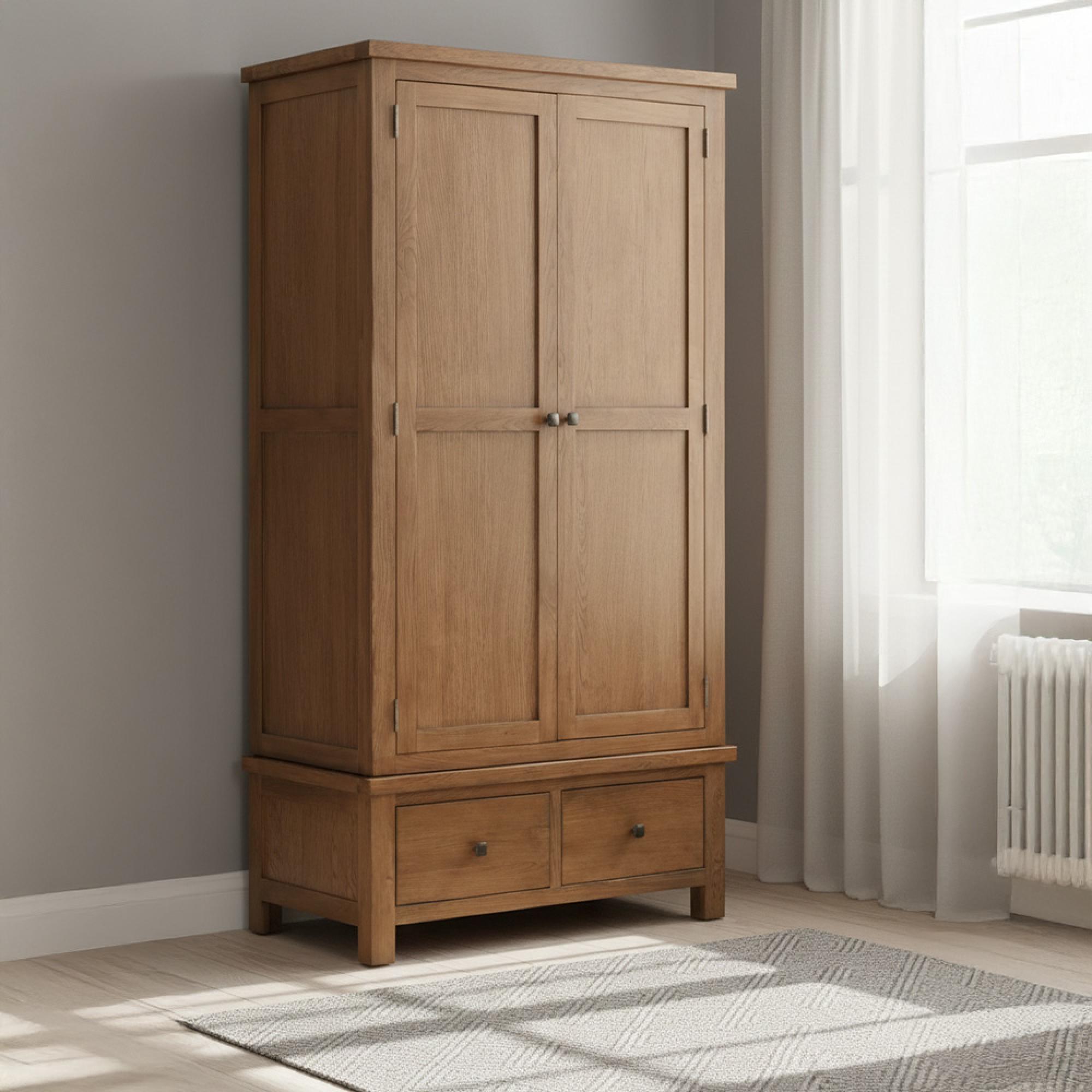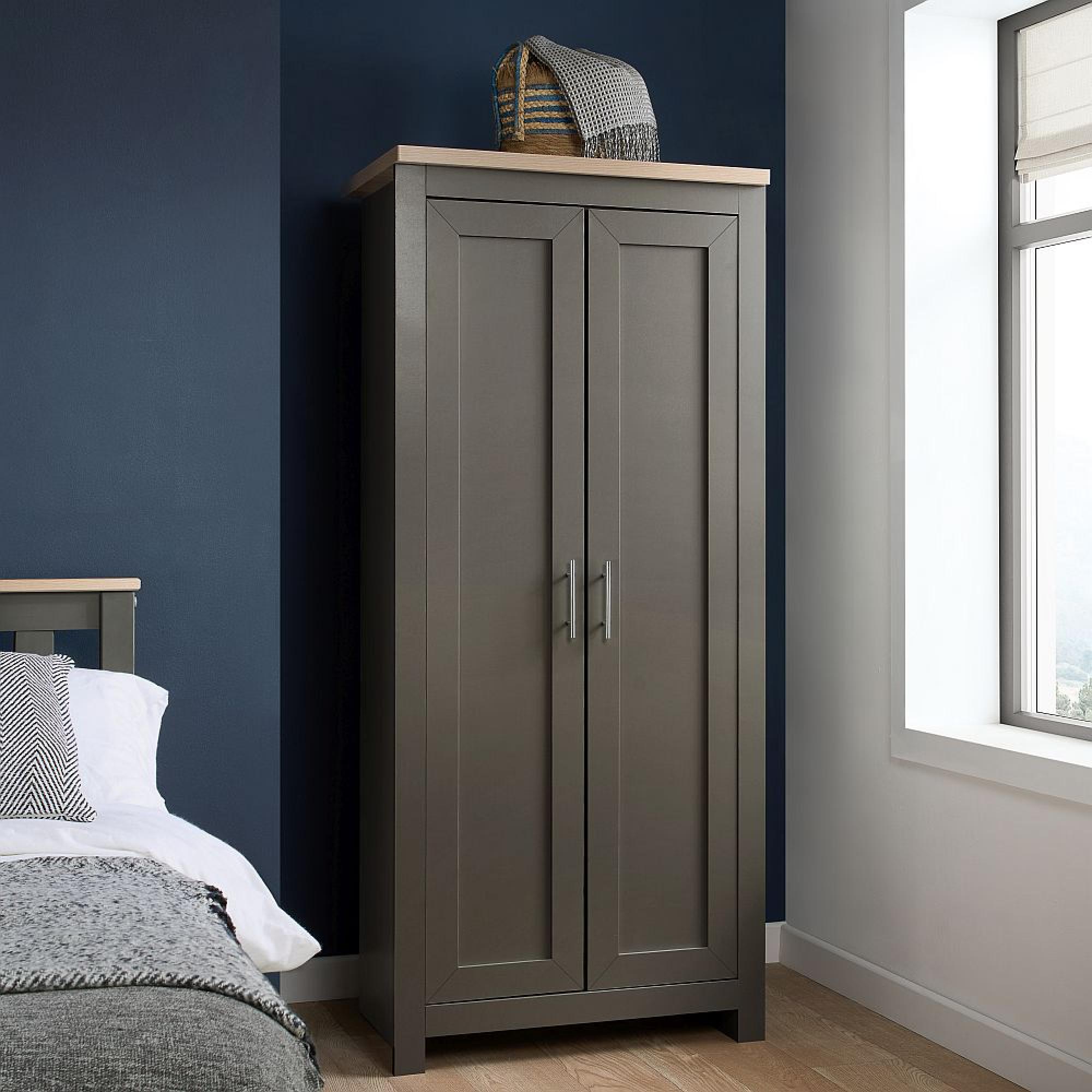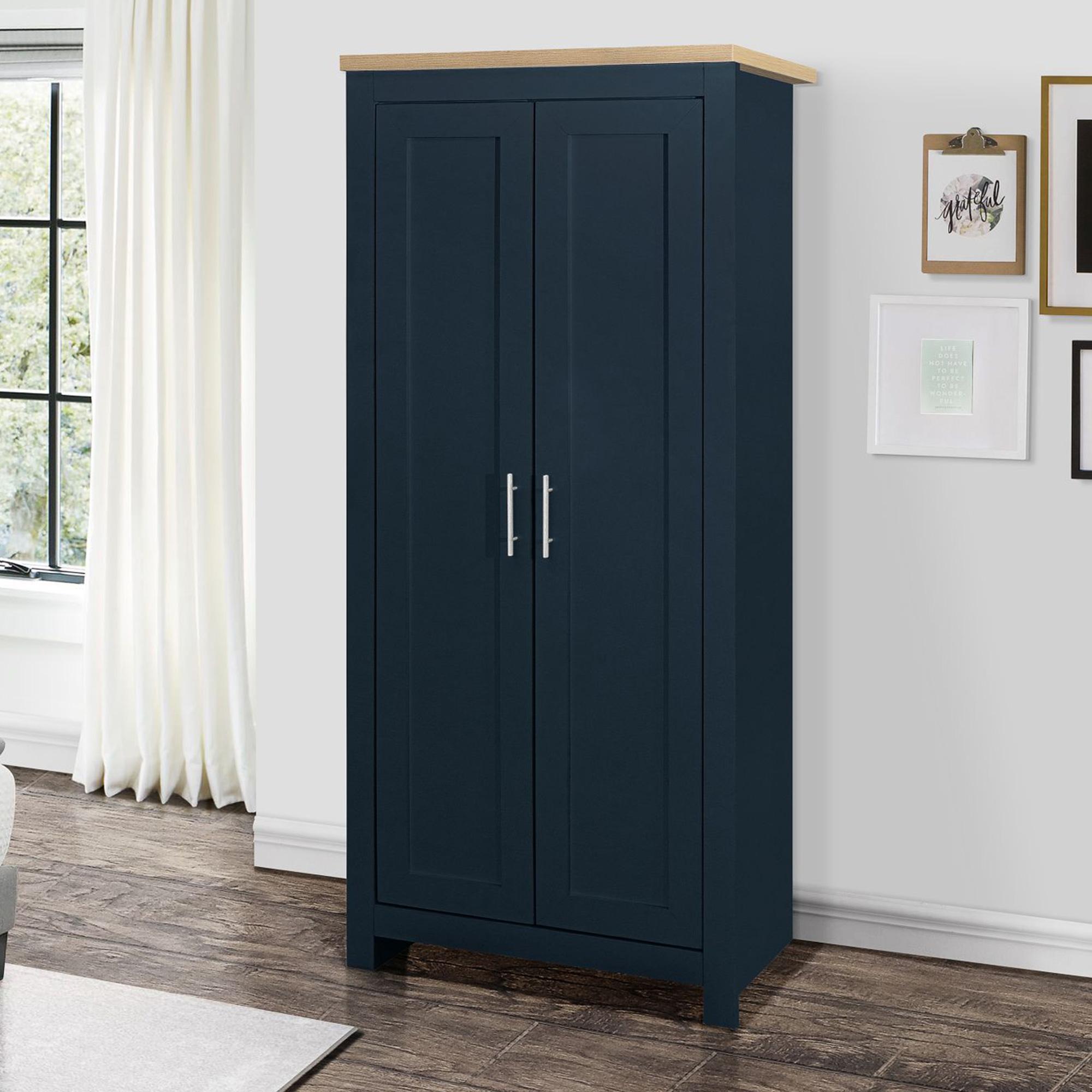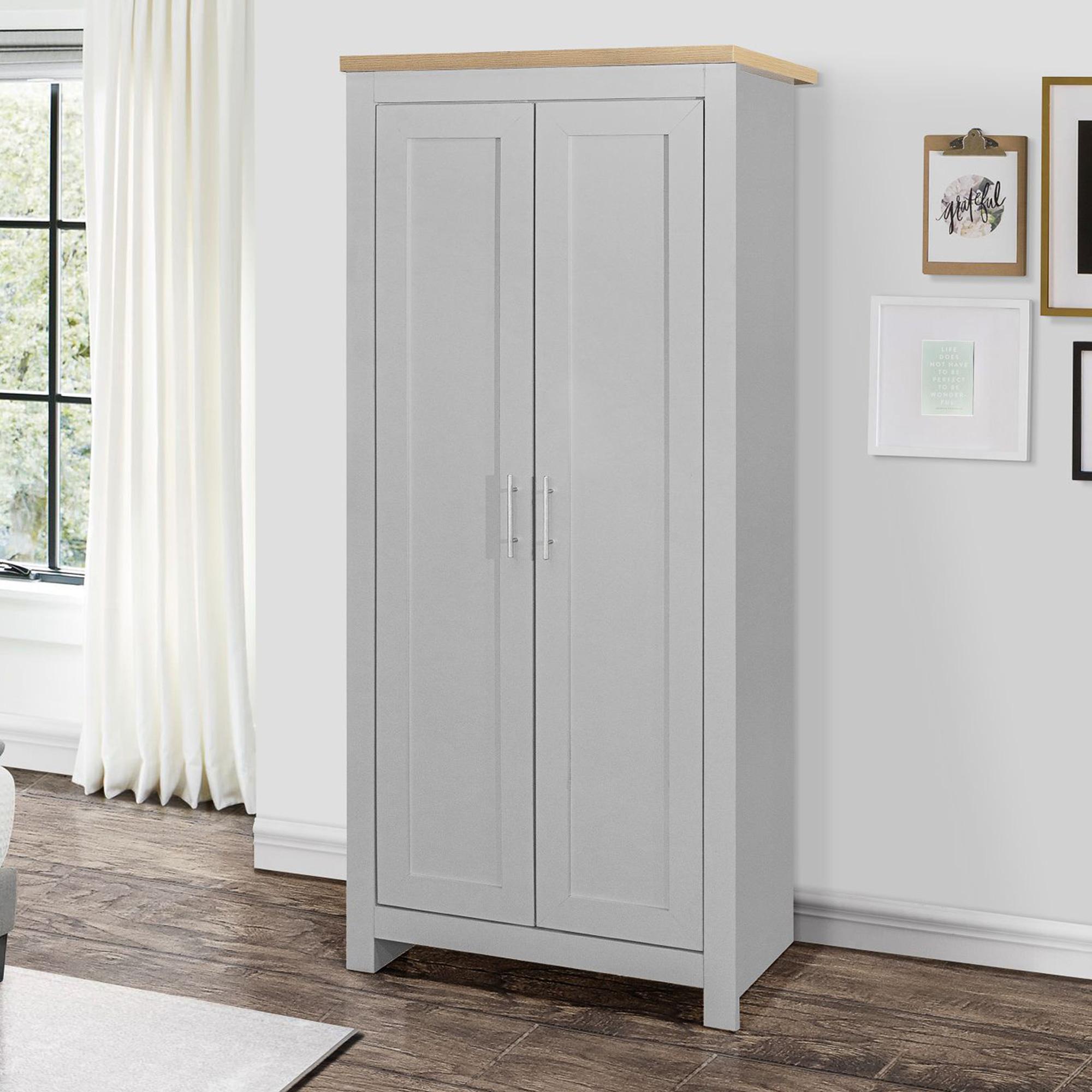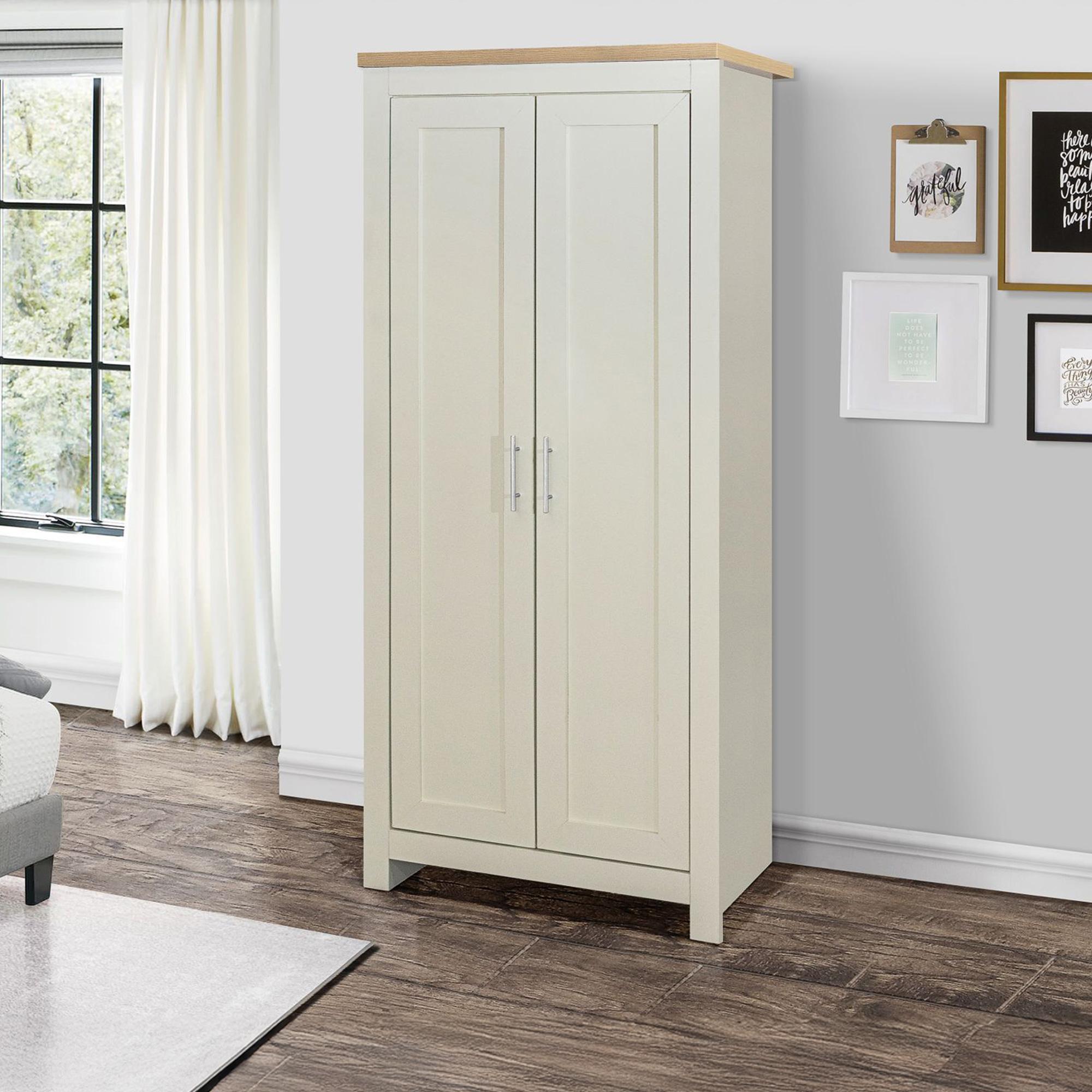
Free Delivery All Over UK*
close
Top products
SHOW ALL PRODUCTS

2 Door Wardrobes

Found 2208 Items

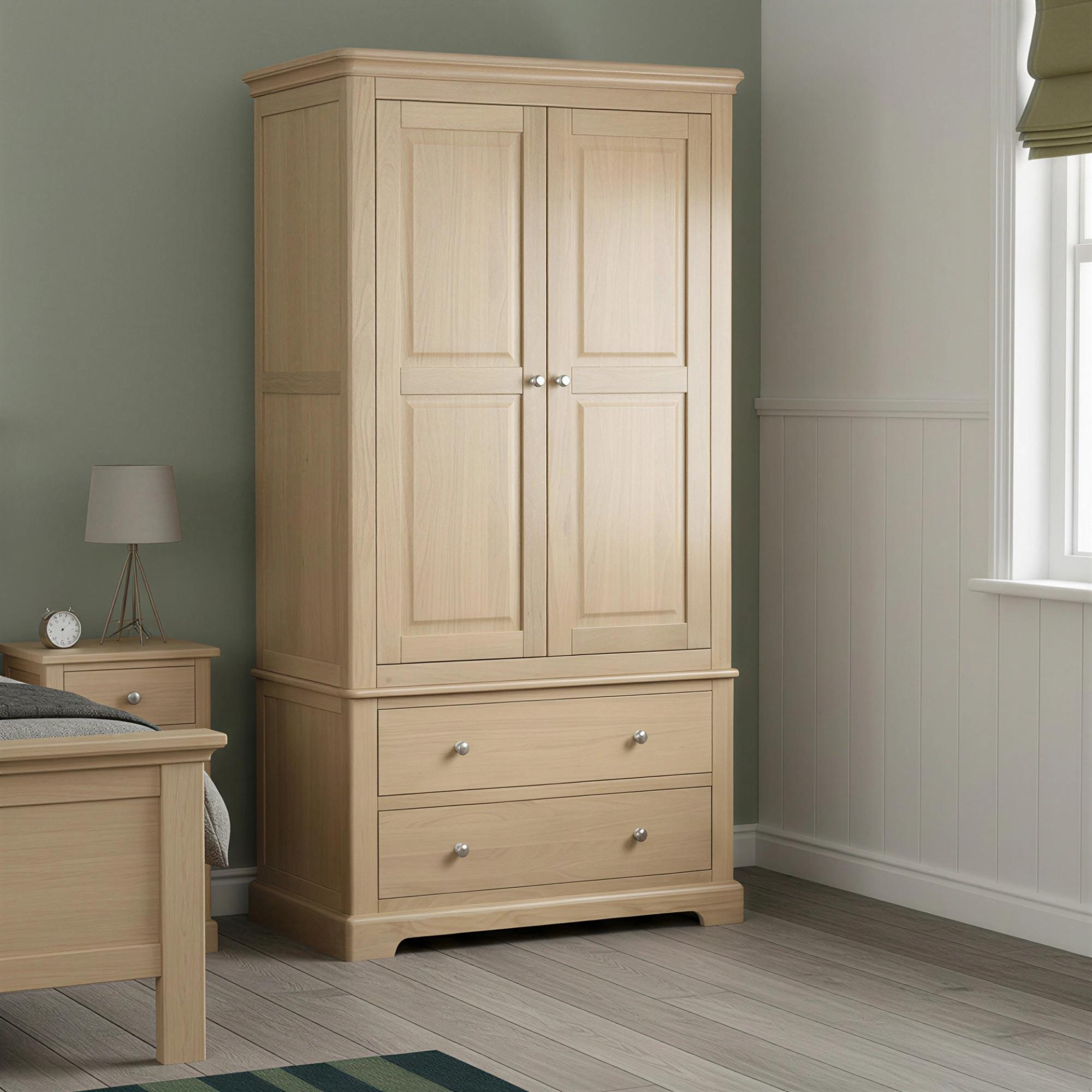
Choose 2 Door Wardrobes with the room, daily routine and intended use in mind. Compare door type, internal rails, shelving, drawers, height and assembly requirements to identify the right balance of appearance and function. Sliding doors suit tighter layouts, while hinged doors need clear space in front. Check each product page for exact dimensions, construction, finish, assembly and care information before making a final choice.
Read more X Close

Price

Type

No. of Drawers

Material

Finish

Colour

  • Beige
  • Black
  • Blue
  • Brown
  • Cream
  • Green
  • Grey
  • Pink
  • Red
  • White

39 Products of 2208

Load More..

Choosing 2 Door Wardrobes

This category focuses on 2 Door Wardrobes that can organise hanging clothes, folded items and accessories within a defined storage area. Start with the room layout and daily use, then compare door type, internal rails, shelving, drawers, height and assembly requirements. Function and visual balance both matter, so compare the complete specification rather than choosing on appearance alone. This keeps the decision focused on practical suitability as well as style.

Plan the space before choosing

Sliding doors suit tighter layouts, while hinged doors need clear space in front. Record the available width, depth and height, including clearance for doors, drawers, reclining parts or extensions where relevant. Account for skirting boards, radiators, sockets and walking routes, then check the access route through doors, halls and stairs.

For adjacent choices, explore Wardrobes, Hinged Door Wardrobes and Bi-Fold Door Wardrobes. Use these comparisons alongside the specifications on each product page.

2 Door Wardrobes for considered interiors

The 2 Door Wardrobes category focuses on choices intended to organise hanging clothes, folded items and accessories within a defined storage area. A suitable option should respond to the room's proportions, surrounding furniture and practical demands of everyday use. Use the category wording as a starting point, then verify the exact material, finish and features shown on each product page.

Material, finish and construction

When comparing wardrobes, look closely at door type, internal rails, shelving, drawers, height and assembly requirements. Materials influence appearance, weight and maintenance, while finish affects colour coordination and day-to-day care. Use the written specification to confirm construction and care requirements.

Function and room planning

Sliding doors suit tighter layouts, while hinged doors need clear space in front. Mark out the footprint and consider how people move around it. Where a product opens, extends, swivels or reclines, include that working clearance. For storage, seating or sleeping products, match the layout, support and capacity to the needs of regular users.

Creating a coordinated result

Build the room around a clear relationship between scale, colour and material. Matching every finish is not essential, but repeating one or two elements can connect separate pieces. You can also compare Wardrobes, Hinged Door Wardrobes and Bi-Fold Door Wardrobes for closely related room and product choices. Use the individual listing to confirm dimensions, included components, assembly and suitability.

Read more X Close

FAQs on 2 Door Wardrobes

How do I choose the right 2 door wardrobe for my bedroom?

Consider your available space, storage needs, and décor style. Measure your wall height and width first. Choose sliding doors for compact rooms, and decide between materials like oak, pine, or MDF based on your budget and aesthetic preference. Check shelf and drawer configurations match your clothing volume.

A 2 door wardrobe typically measures 90–120cm wide and suits smaller bedrooms or alcoves. A 3 door model ranges from 150–180cm wide, offering significantly more hanging space and storage capacity. Choose based on your room size and the volume of clothing you need to store.

Sliding doors require no floor clearance to open, making them ideal for tight spaces or rooms with furniture opposite. Hinged doors swing outward and need 60–90cm clearance but are often easier to access and more traditional. Your choice depends on room layout and personal preference.

Solid wood (oak, pine) offers durability and longevity but costs more. MDF with veneer provides good value and stability at a lower price. Check the frame construction, door thickness, and hardware quality. Avoid thin particleboard if longevity matters. Real wood suits traditional spaces; veneered MDF suits modern décor.

A standard 2 door wardrobe measures approximately 90–120cm wide, 50–60cm deep, and 190–200cm tall. Ensure at least 10–15cm clearance on either side for stability and door movement. For hinged doors, allow 60–90cm of open floor space in front. Check doorway width during delivery planning.

Yes, wall anchoring is essential, especially in homes with children or pets. Most wardrobes include wall brackets and fixings. Check your wall type (plasterboard, brick, or stone) and use appropriate anchors. Secure to wall studs where possible for maximum stability and safety.

Dust regularly with a soft, dry cloth. Use furniture polish or beeswax on solid wood monthly to maintain finish. Wipe spills immediately to prevent water damage. Avoid direct sunlight to prevent fading and warping. Check hinges and sliding mechanisms annually and tighten as needed.

Yes, if you lack full-length mirrors elsewhere in your bedroom. Built-in mirrors save space and are convenient for dressing. However, they may add £100–£300 to the price and are less flexible if you rearrange furniture. Consider your room layout and existing mirror placement before deciding.

Choose sliding doors (not hinged), a compact width of 80–100cm, and light colours like white or cream to avoid heaviness. Look for vertical designs to maximise height without taking floor space. Mirrored doors reflect light and make rooms feel larger. Avoid deep models—50cm depth is typical.

Yes, 2 door wardrobes fit alcoves well, especially models 80–100cm wide. Measure the alcove precisely: height, width, and depth, including any skirting boards or radiators. Sliding doors work better than hinged in tight alcoves. Check door clearance from adjacent walls before ordering.

Solid wood wardrobes last 15–25 years with proper care. MDF veneered models last 8–12 years depending on humidity and use. Quality hardware and assembly significantly impact lifespan. Avoid extreme temperature and humidity fluctuations. Regular maintenance—tightening hinges and checking joints—extends durability considerably.
Top