Free Delivery All Over UK*
close
Top products
SHOW ALL PRODUCTS

Small Console Tables

Found 15 Items

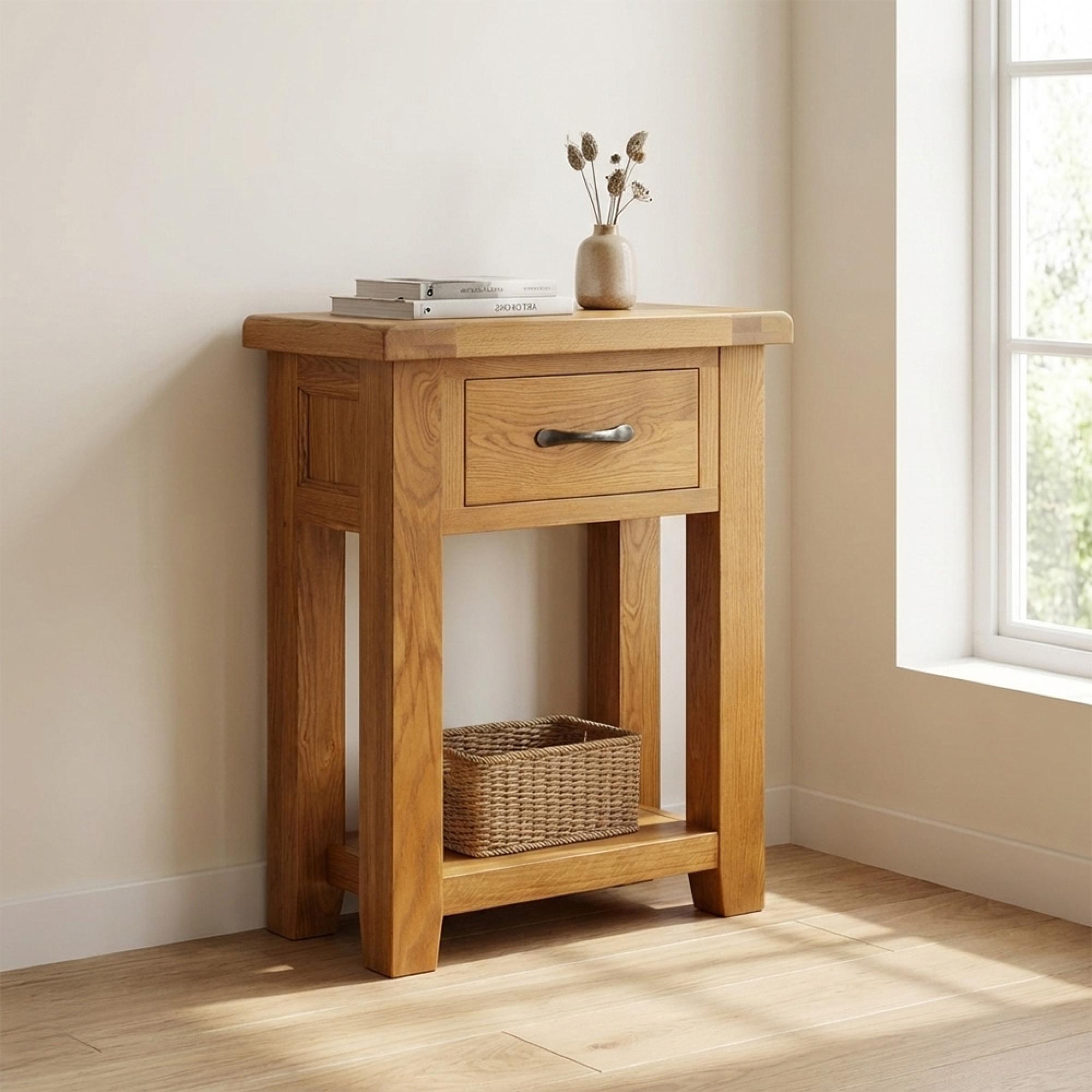
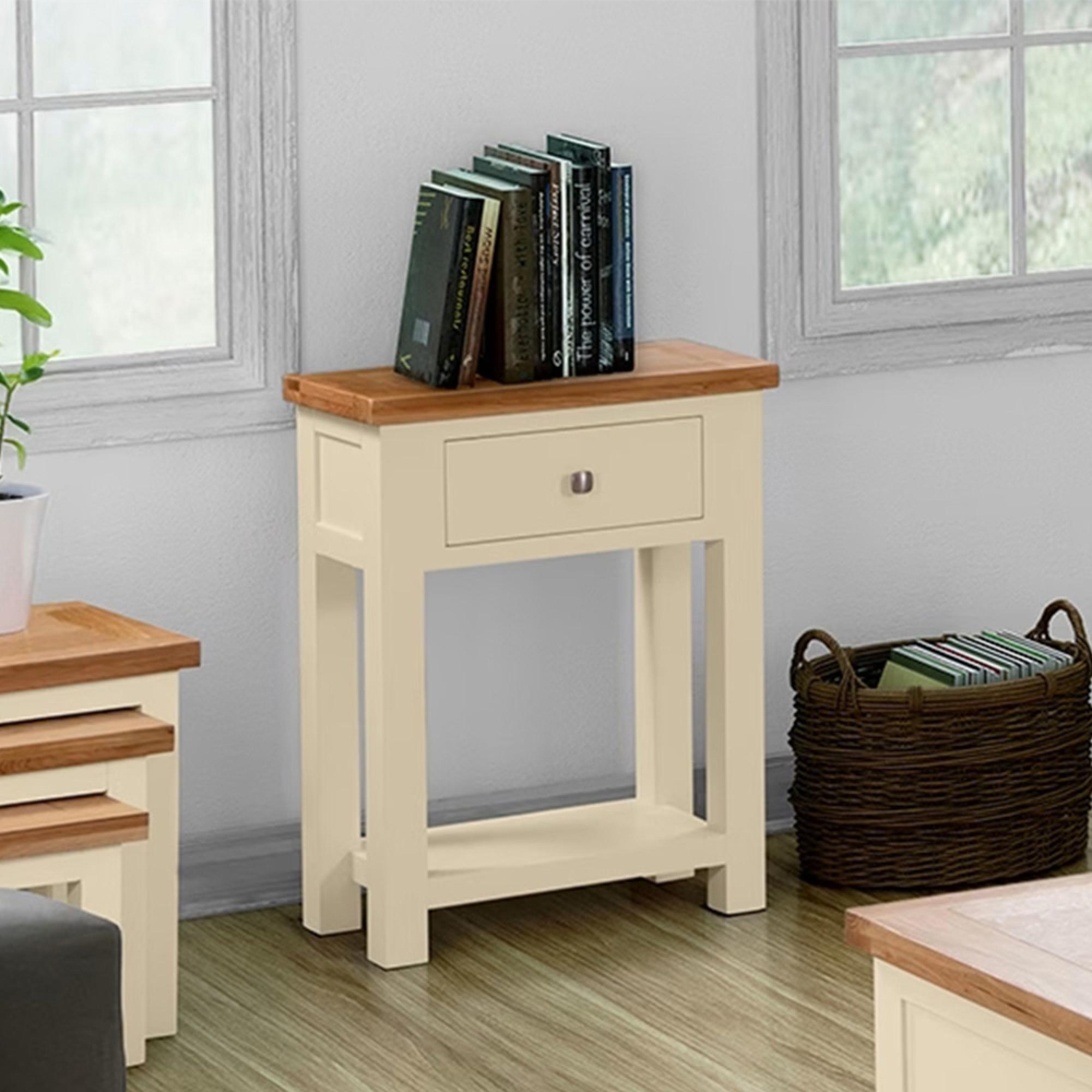
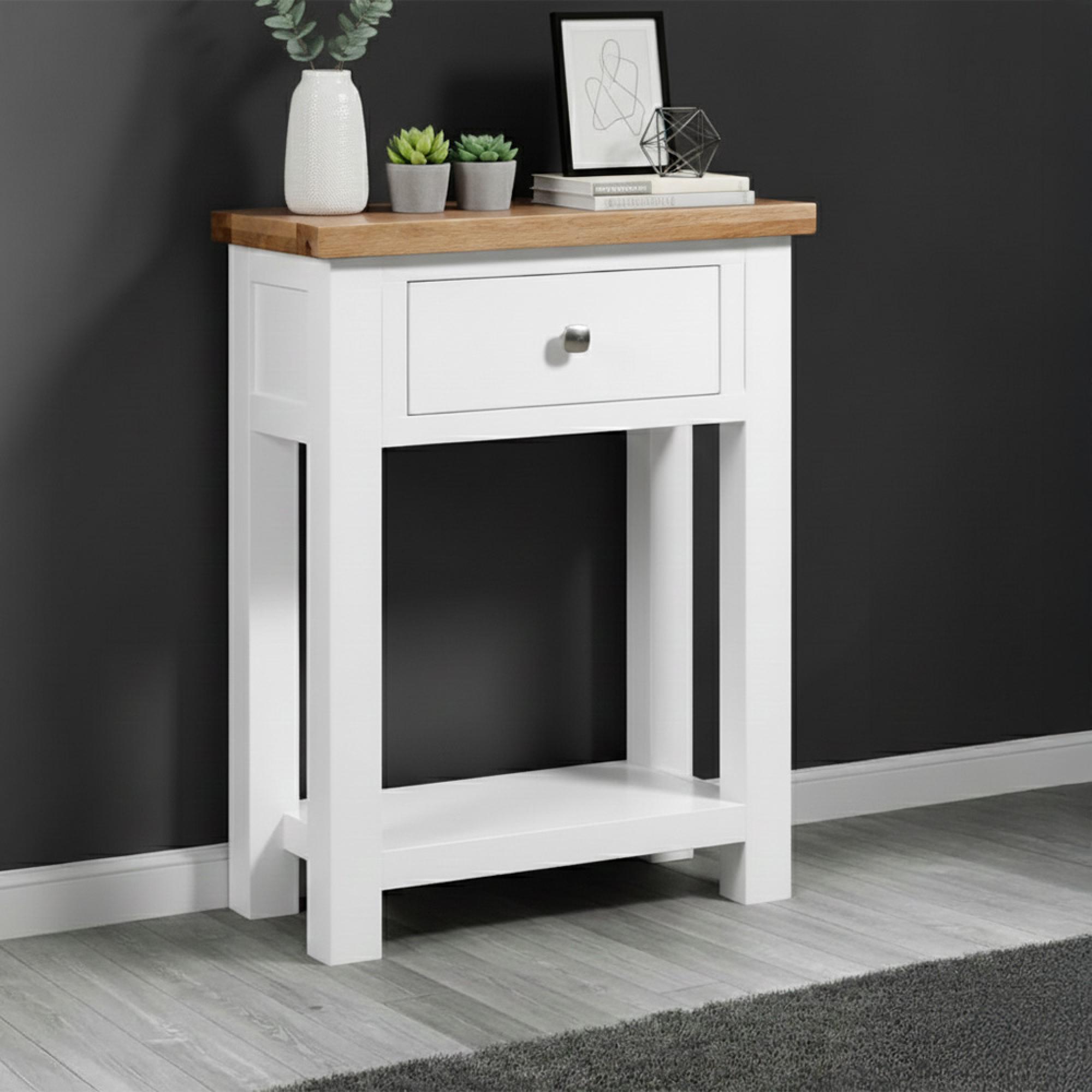
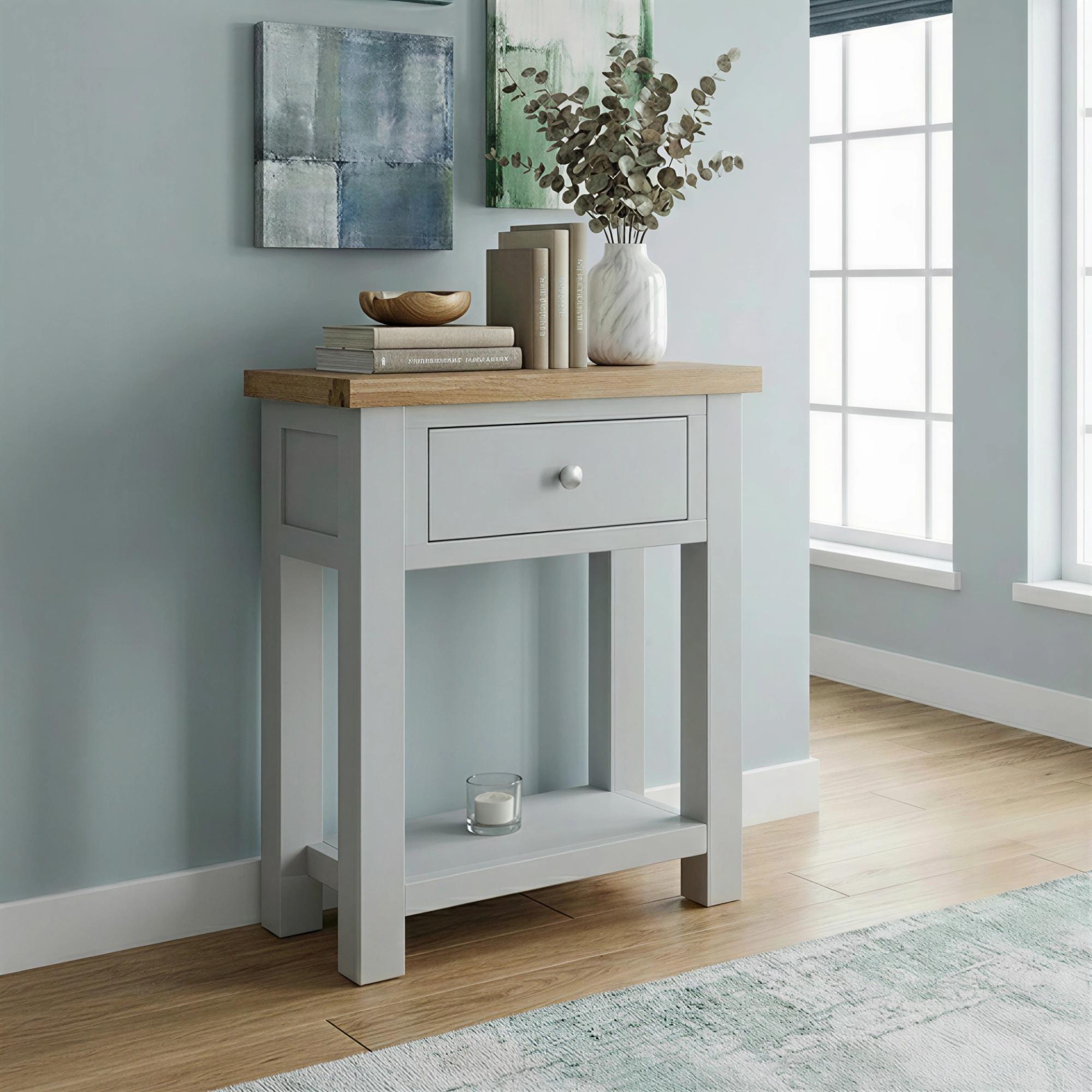
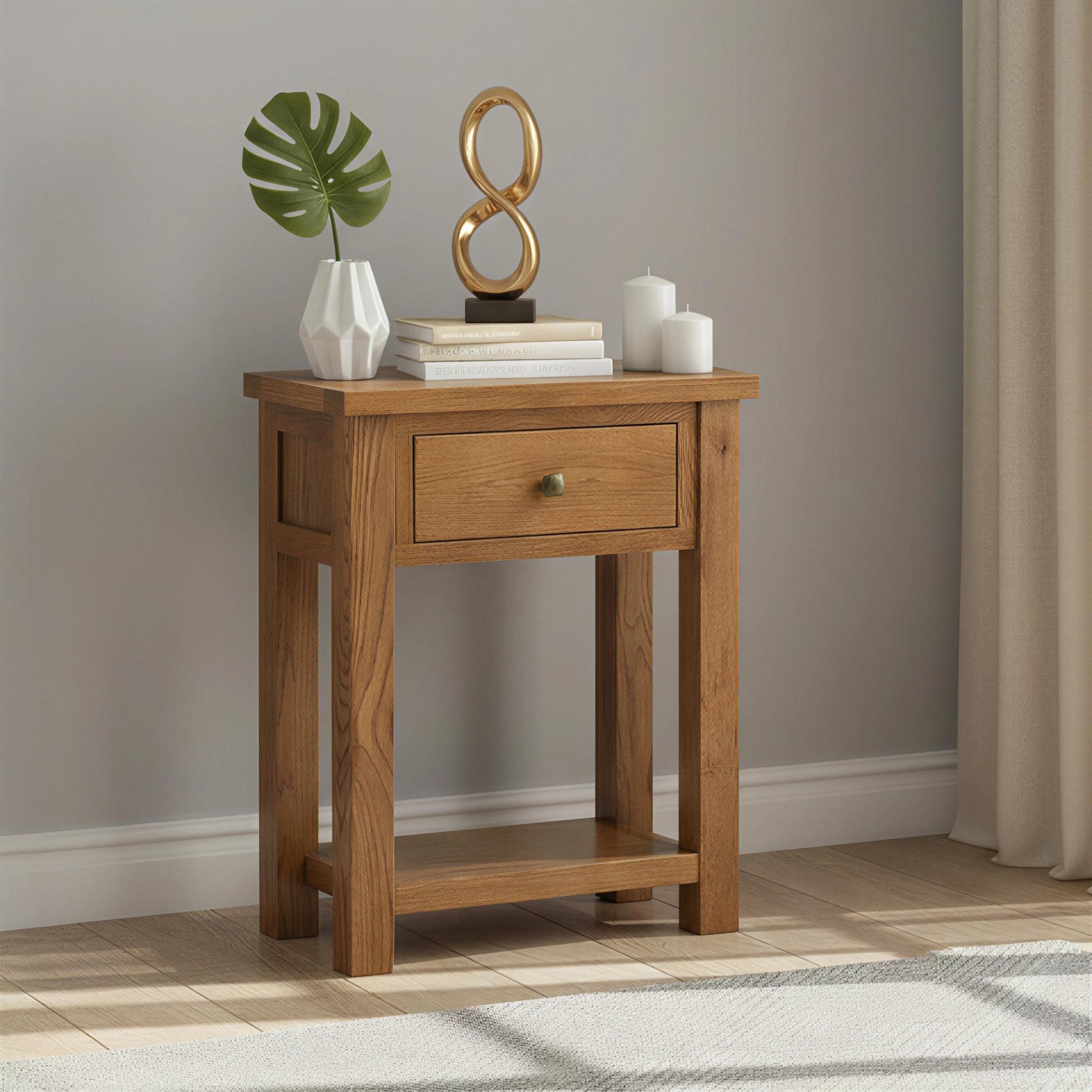
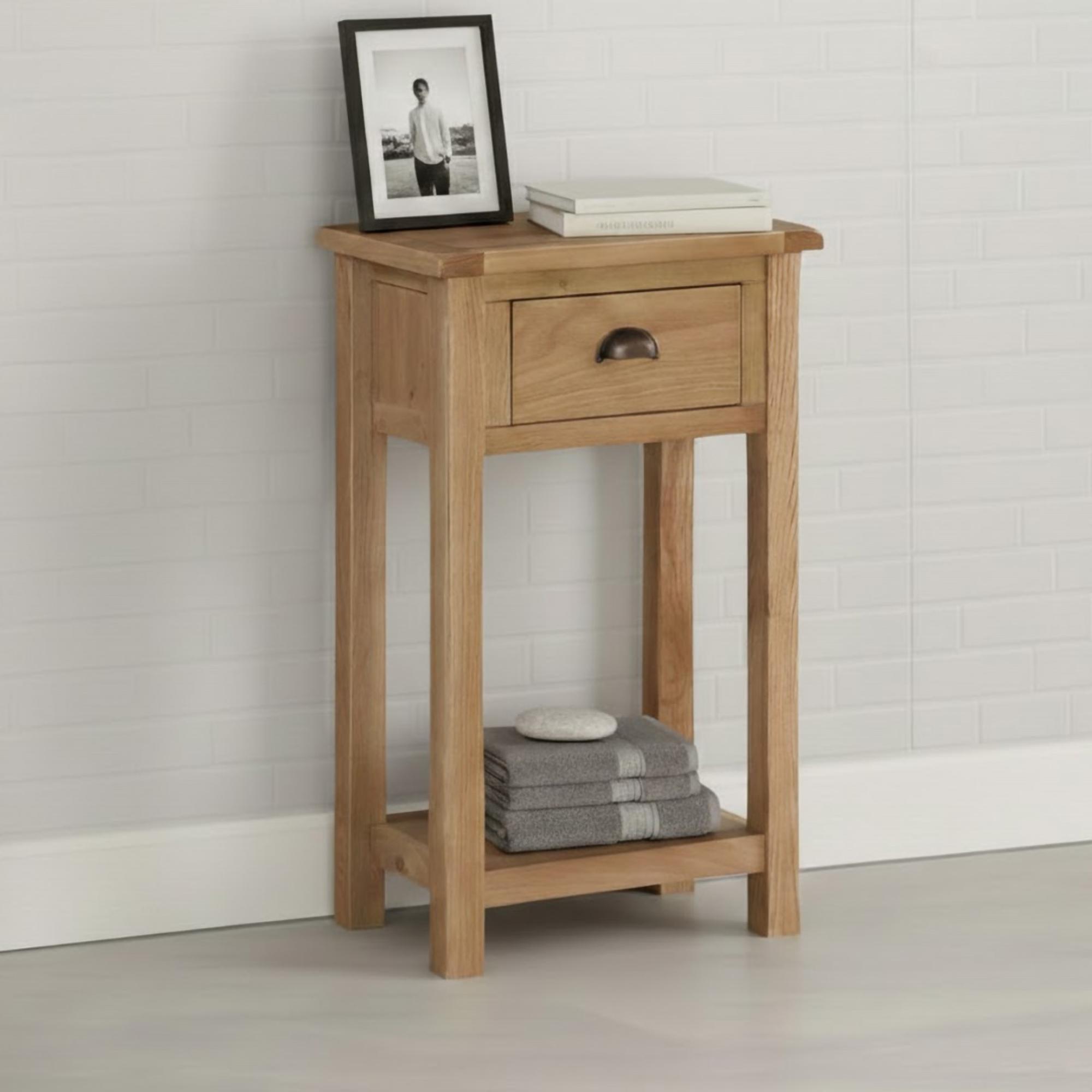
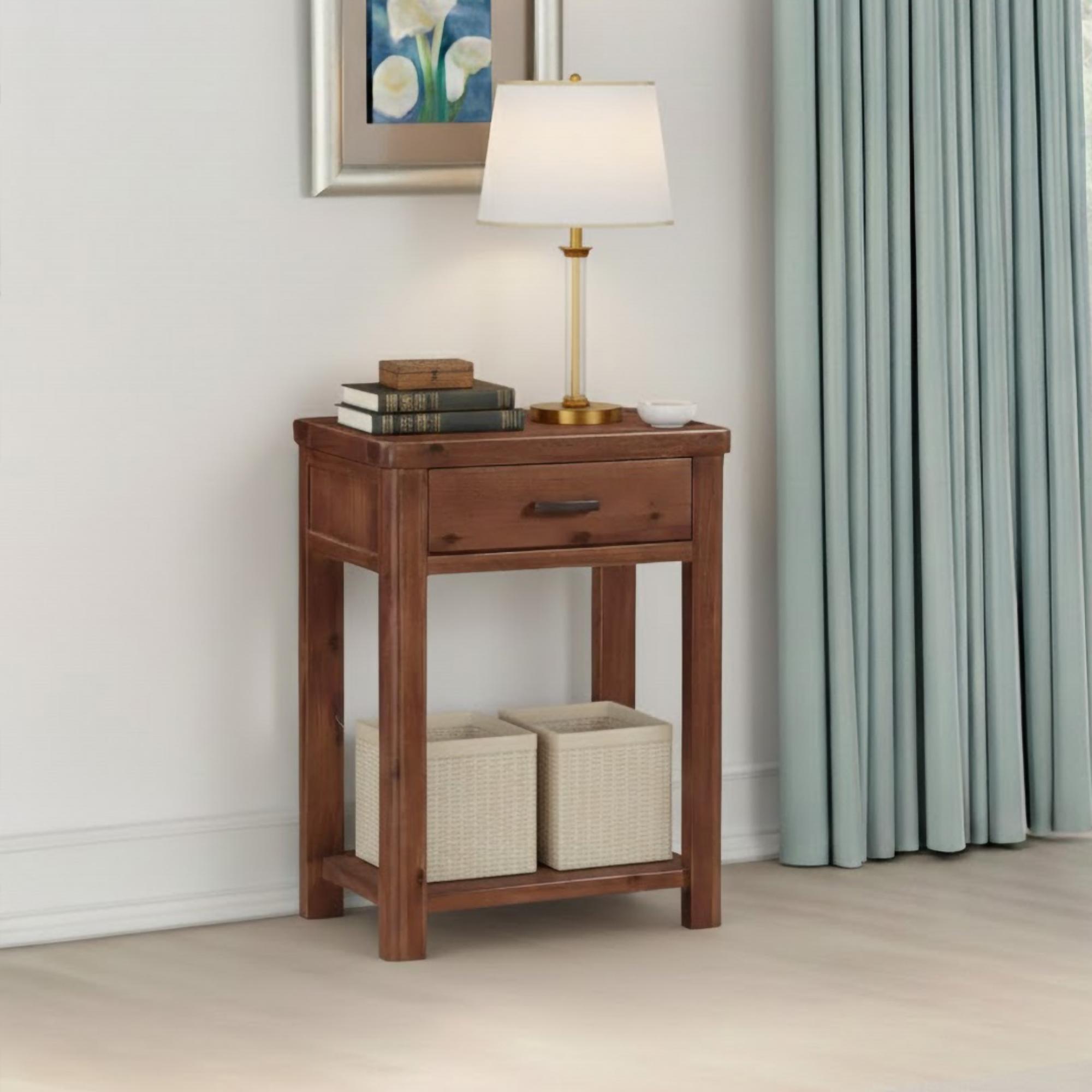
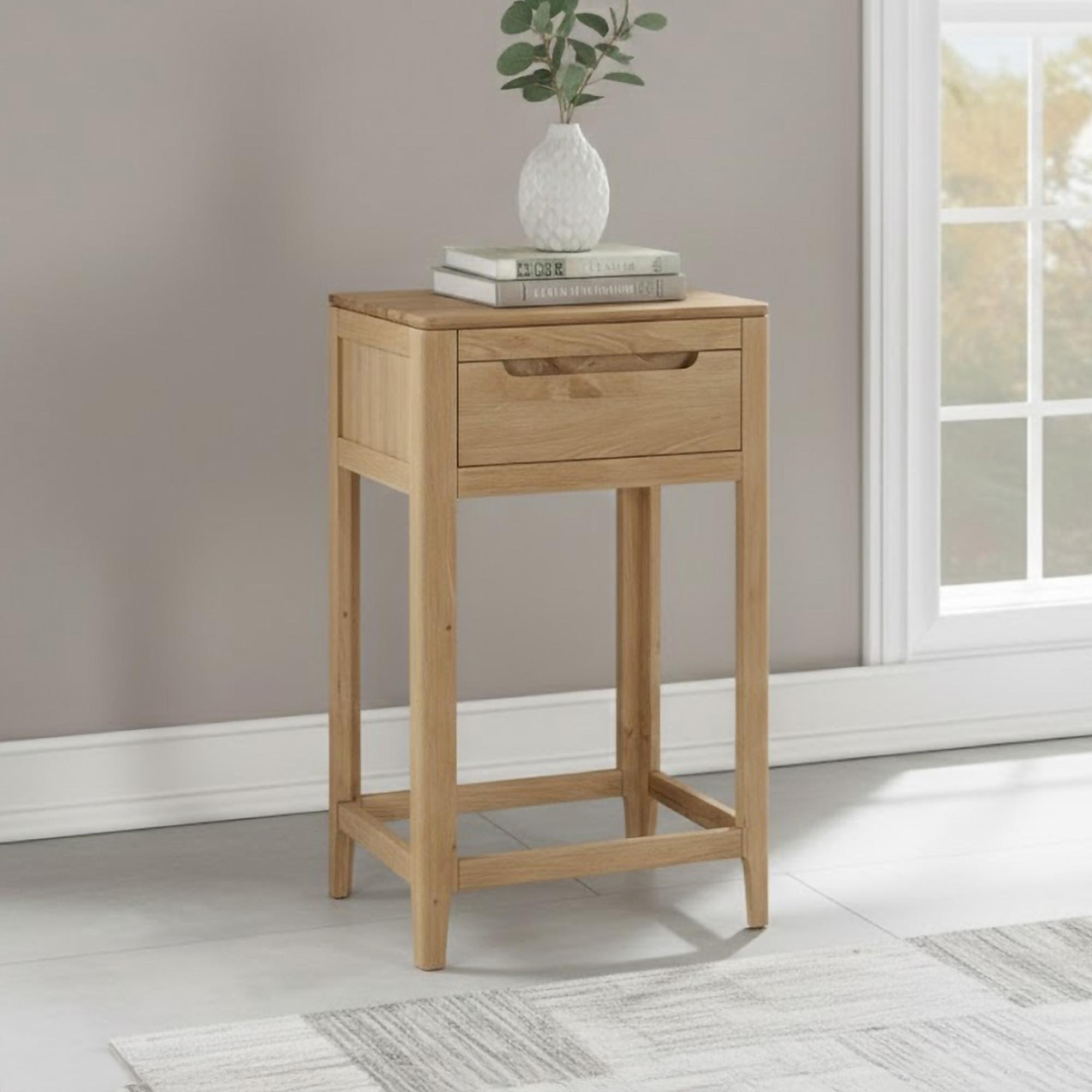
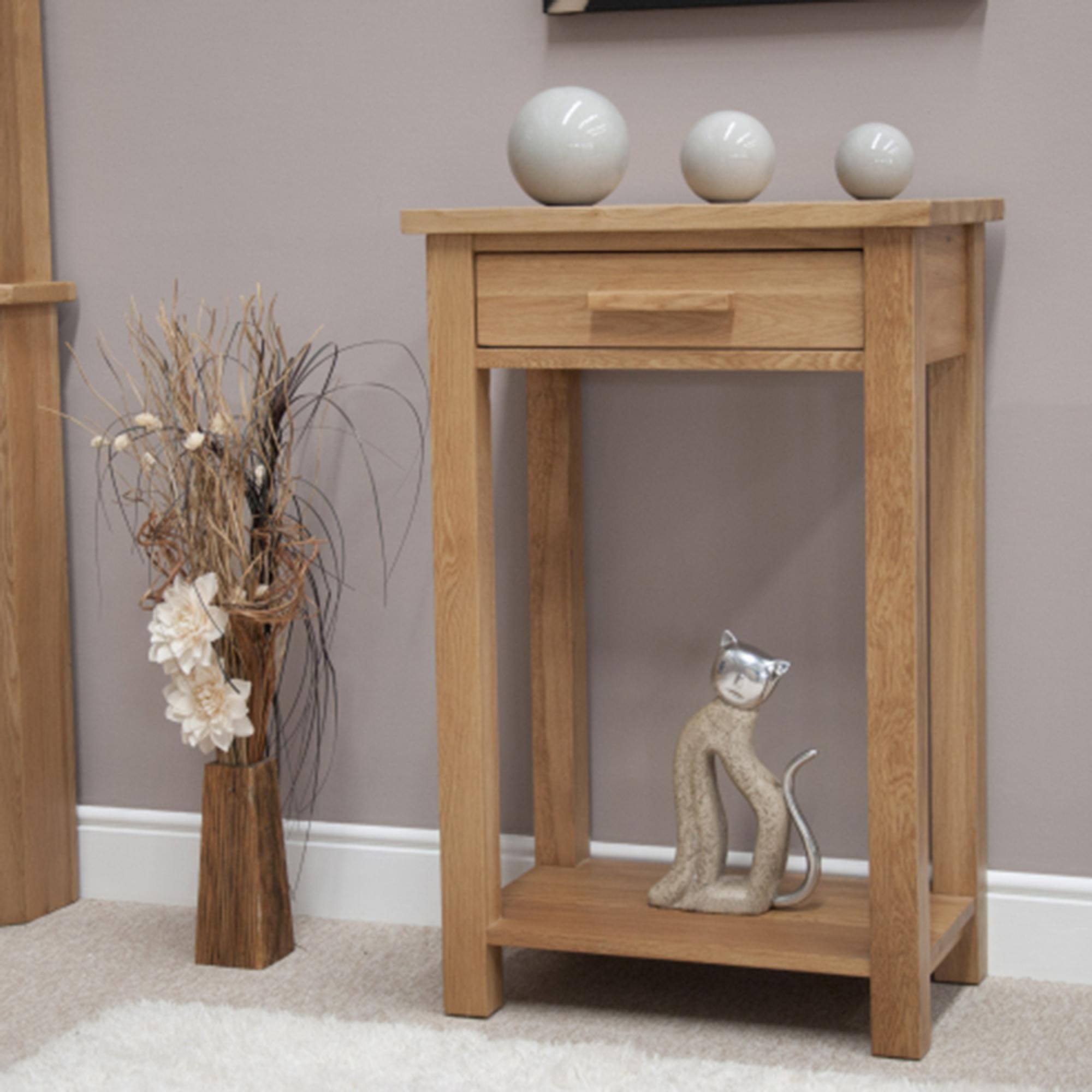
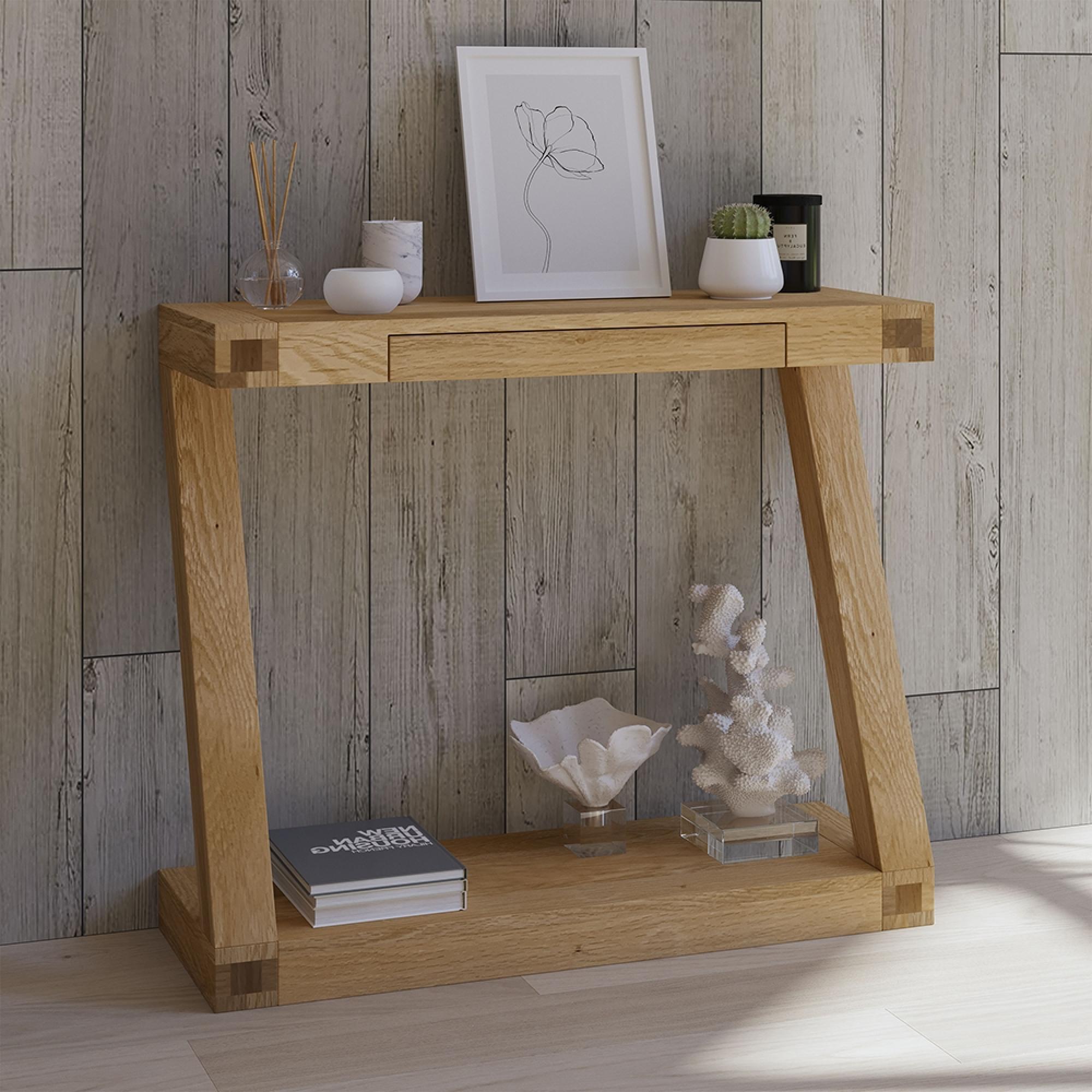
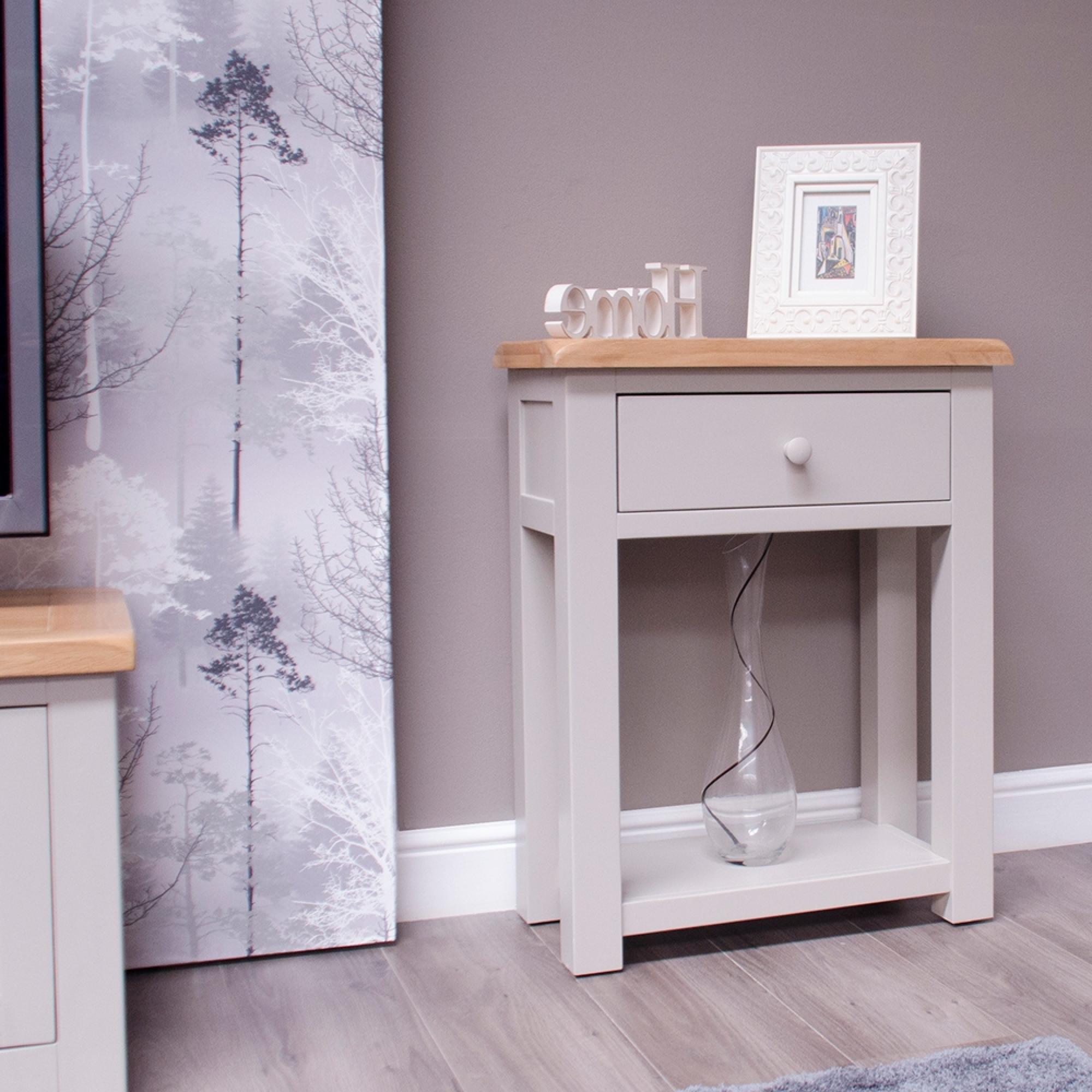
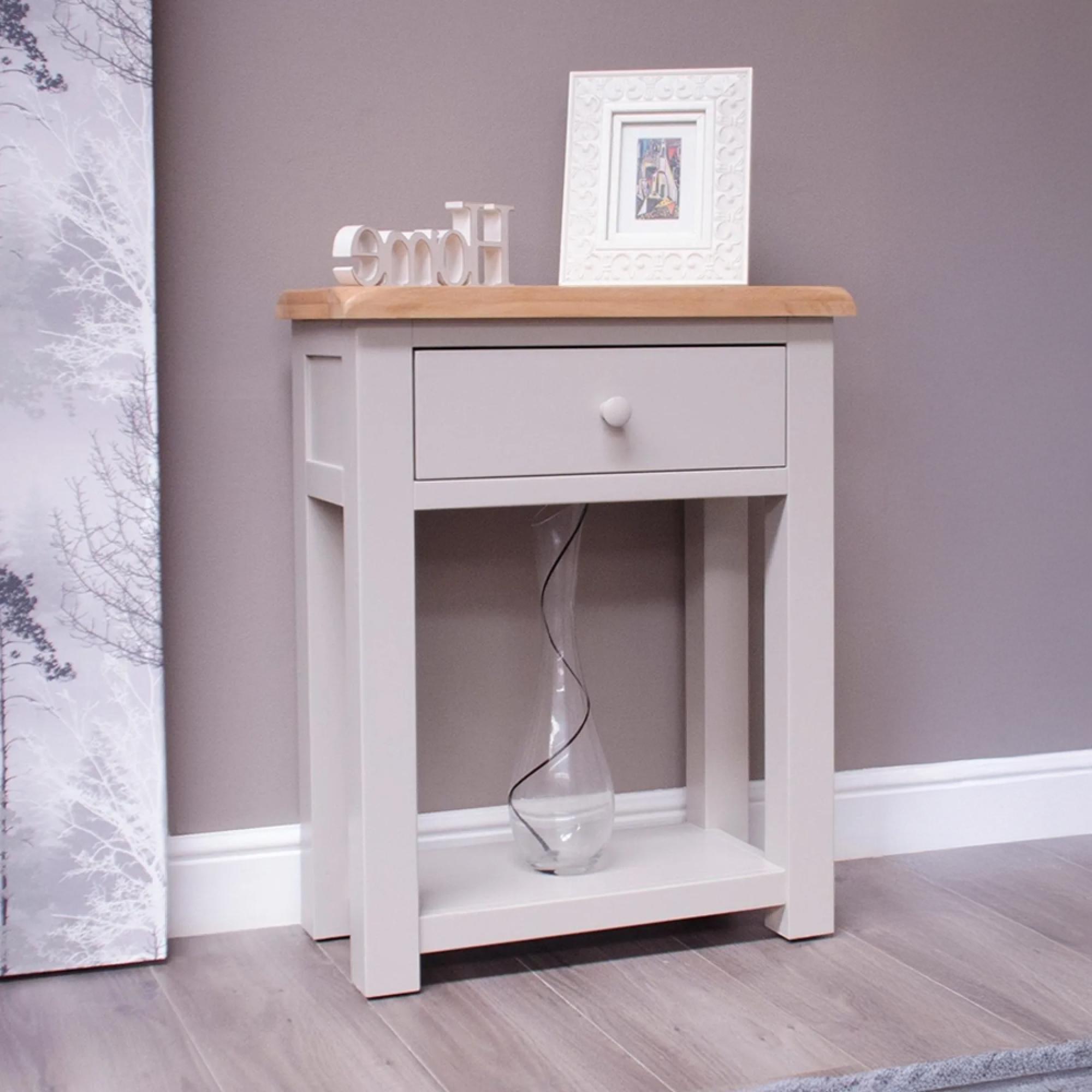
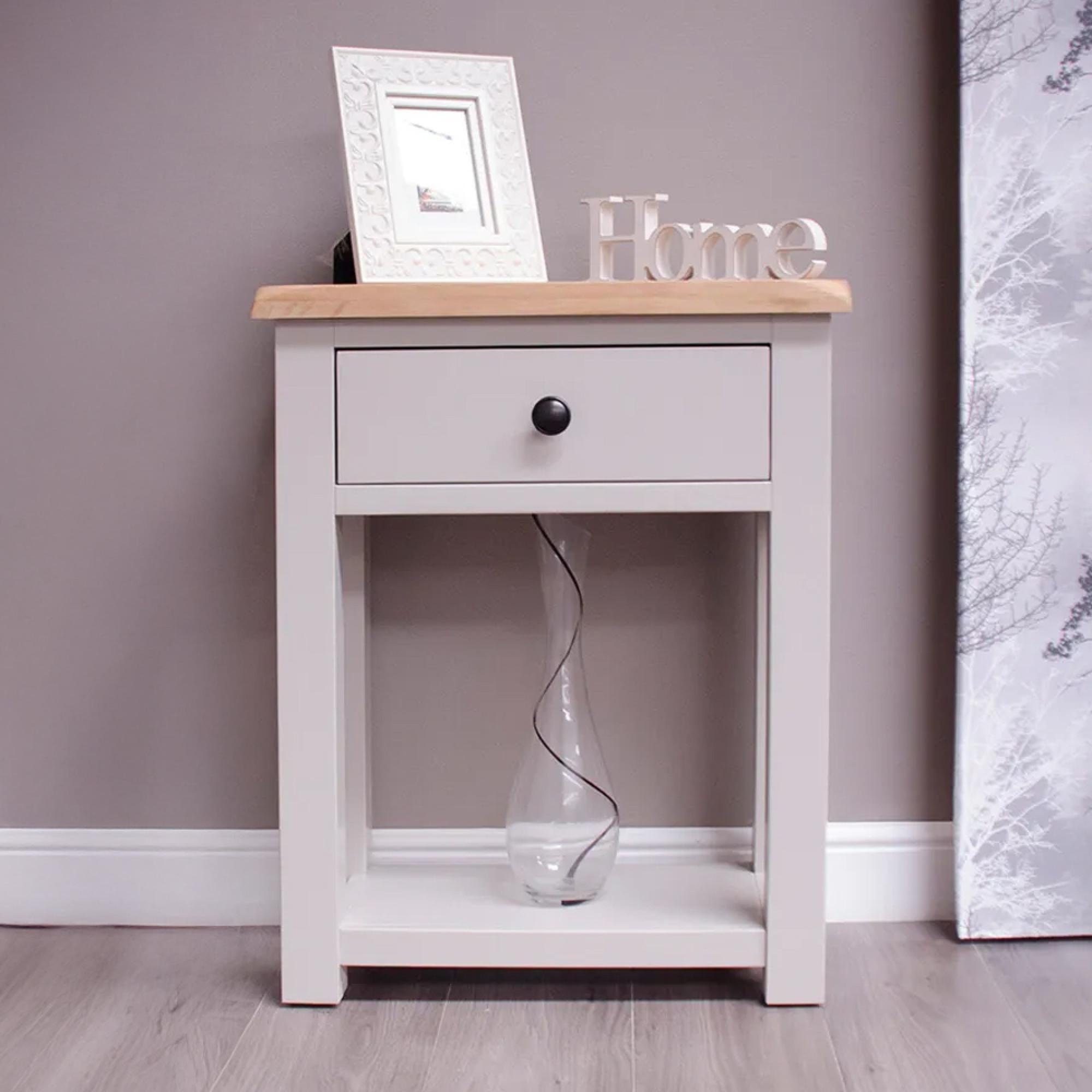
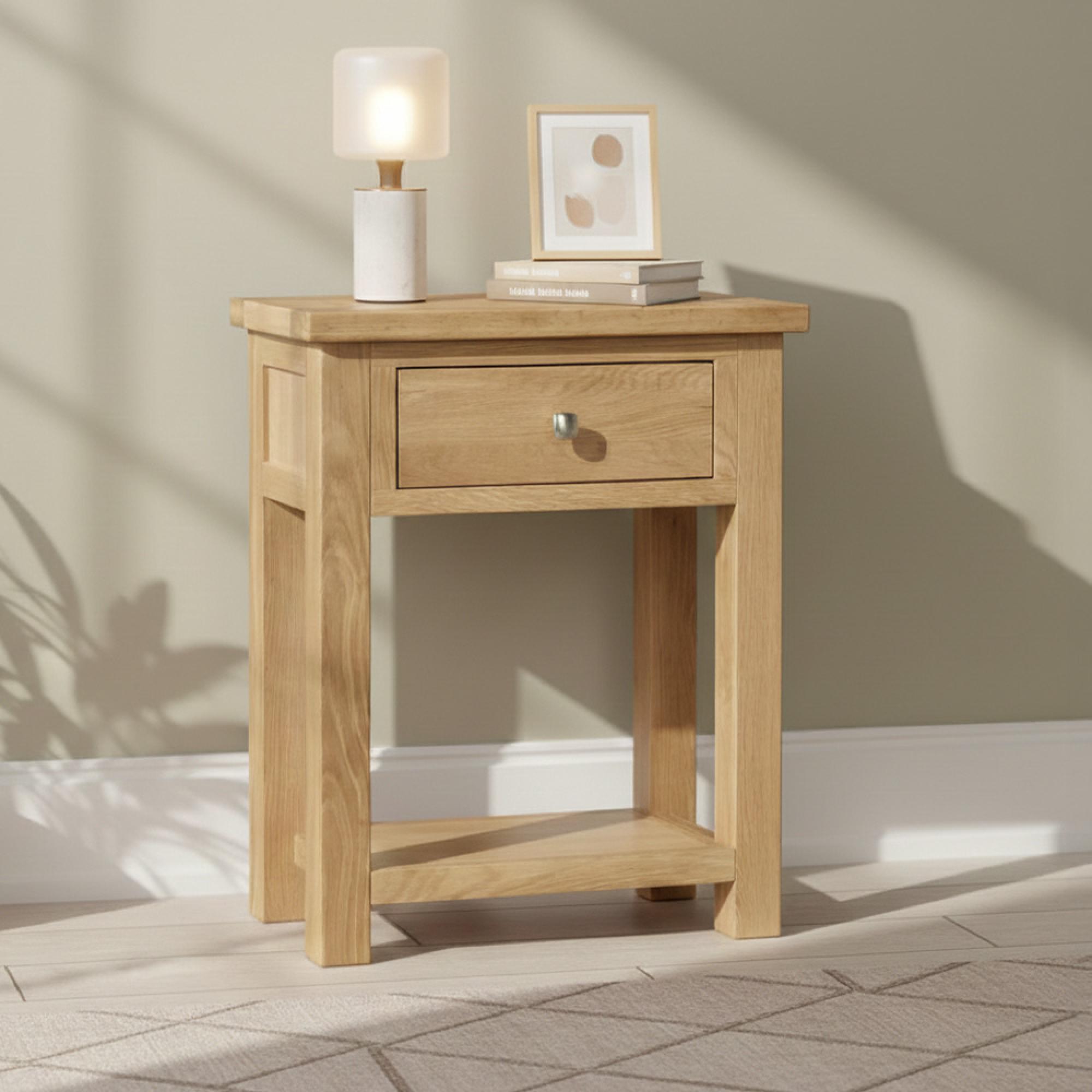
Use the Small Console Tables category to compare choices that add a useful display and drop-off surface without taking over the room. Compare depth, drawer storage, top material, leg design, wall position and finish to identify the right balance of appearance and function. The size-led focus makes accurate room measurements and usable clearance central to the decision. A shallower profile is usually easier to place in hallways and other circulation areas.
Read more X Close

Price

Features

Material

Finish

Colour

  • Cream
  • Grey
  • White

Choosing Small Console Tables

This category focuses on Small Console Tables that can add a useful display and drop-off surface without taking over the room. Start with the room layout and daily use, then compare depth, drawer storage, top material, leg design, wall position and finish. The size-led focus makes accurate room measurements and usable clearance central to the decision. This keeps the decision focused on practical suitability as well as style.

Plan the space before choosing

A shallower profile is usually easier to place in hallways and other circulation areas. Record the available width, depth and height, including clearance for doors, drawers, reclining parts or extensions where relevant. Account for skirting boards, radiators, sockets and walking routes, then check the access route through doors, halls and stairs.

For adjacent choices, explore Console Tables, Oak Console Tables and Pine Console Tables. Use these comparisons alongside the specifications on each product page.

Small Console Tables for considered interiors

The Small Console Tables category focuses on choices intended to add a useful display and drop-off surface without taking over the room. A suitable option should respond to the room's proportions, surrounding furniture and practical demands of everyday use. The size-led focus makes accurate room measurements and usable clearance central to the decision.

Material, finish and construction

When comparing console tables, look closely at depth, drawer storage, top material, leg design, wall position and finish. Materials influence appearance, weight and maintenance, while finish affects colour coordination and day-to-day care. Use the written specification to confirm construction and care requirements.

Function and room planning

A shallower profile is usually easier to place in hallways and other circulation areas. Mark out the footprint and consider how people move around it. Where a product opens, extends, swivels or reclines, include that working clearance. For storage, seating or sleeping products, match the layout, support and capacity to the needs of regular users.

Creating a coordinated result

Build the room around a clear relationship between scale, colour and material. Matching every finish is not essential, but repeating one or two elements can connect separate pieces. You can also compare Console Tables, Oak Console Tables and Pine Console Tables for closely related room and product choices. Use the individual listing to confirm dimensions, included components, assembly and suitability.
Read more X Close

FAQs on Small Console Tables

Where should I put a small console table?

Small console tables work best in hallways as a drop-off point for keys and post, or behind sofas to define separate zones. Theyre also effective in living rooms as lamp tables or beside bedroom beds. Their shallow depth (30–40cm) means they wont obstruct walkways or feel cramped in tight spaces.

Most small console tables are 30–40cm deep, shallow enough to sit flush against walls without blocking doorways or traffic flow. Measure your hallway or space before ordering to ensure it fits comfortably. If you need more surface area, some deeper models up to 50cm are available.

Storage drawers, shelves or cupboards are useful if you need to hide clutter in hallways or living rooms. Without storage, your table stays visually lightweight and easier to clean around. Consider your rooms clutter levels and available wall space when deciding.

Marble and mirrored finishes suit modern or glamorous hallways and reflect light well. Solid oak works best in traditional or country-style homes and is durable long-term. Painted finishes offer flexibility to match décor trends. MDF is budget-friendly and lighter to move.

Measure the wall width where you want to place it, then subtract 20cm on each side for visual balance. Check that the tables depth (typically 30–40cm) wont block foot traffic. Note ceiling height if you plan wall mirrors or artwork above it.

Yes. In bedrooms, console tables work as dressing tables, desk alternatives or beside-bed surfaces. Choose one 100–120cm wide to leave space either side. Mirrored or painted finishes create focal points, whilst oak suits traditional schemes.

Layer items by height: a table lamp at the back, a decorative mirror or artwork above, and smaller objects like plants or books in front. Keep it uncluttered with 3–5 key pieces. In hallways, add a runner rug beneath and wall sconces either side for balance.

Console tables are wall-mounted or wall-backed, shallow (30–40cm), and designed for hallways or behind sofas. Side tables are freestanding, often deeper, and placed beside seating. Consoles work in narrow spaces; side tables need more clearance but offer flexibility in placement.

Dust regularly with a soft, dry cloth. For solid wood like oak, use furniture polish monthly to maintain finish and prevent drying. Wipe spills immediately with a damp cloth, then dry. Avoid direct sunlight to prevent fading and warping over time.

Marble requires more care than wood. Wipe spills immediately as acidic substances etch the surface. Use coasters and placemats. Dust with a soft cloth and clean with pH-neutral marble cleaner monthly. Avoid harsh chemicals and abrasive sponges to preserve the finish.

For hallways under 2 metres wide, choose a console 80–100cm wide and 30–35cm deep. This leaves walking space and doesnt overwhelm the area. Measure your hallway and test with cardboard first. Narrower tables (70–80cm) suit very tight spaces without sacrificing surface area.
Top