Free Delivery All Over UK*
close
Top products
SHOW ALL PRODUCTS

Glass Dining Tables

Found 29 Items

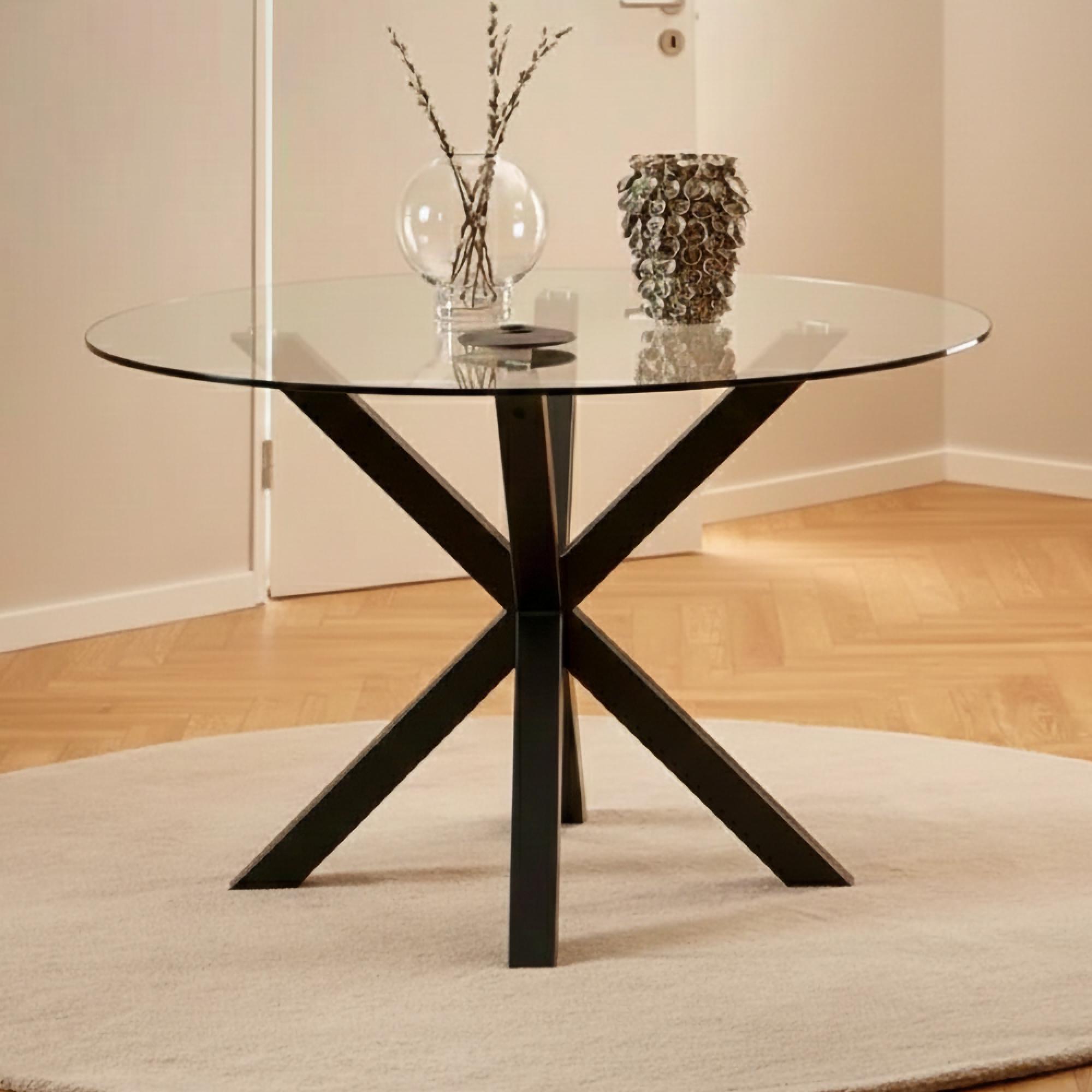
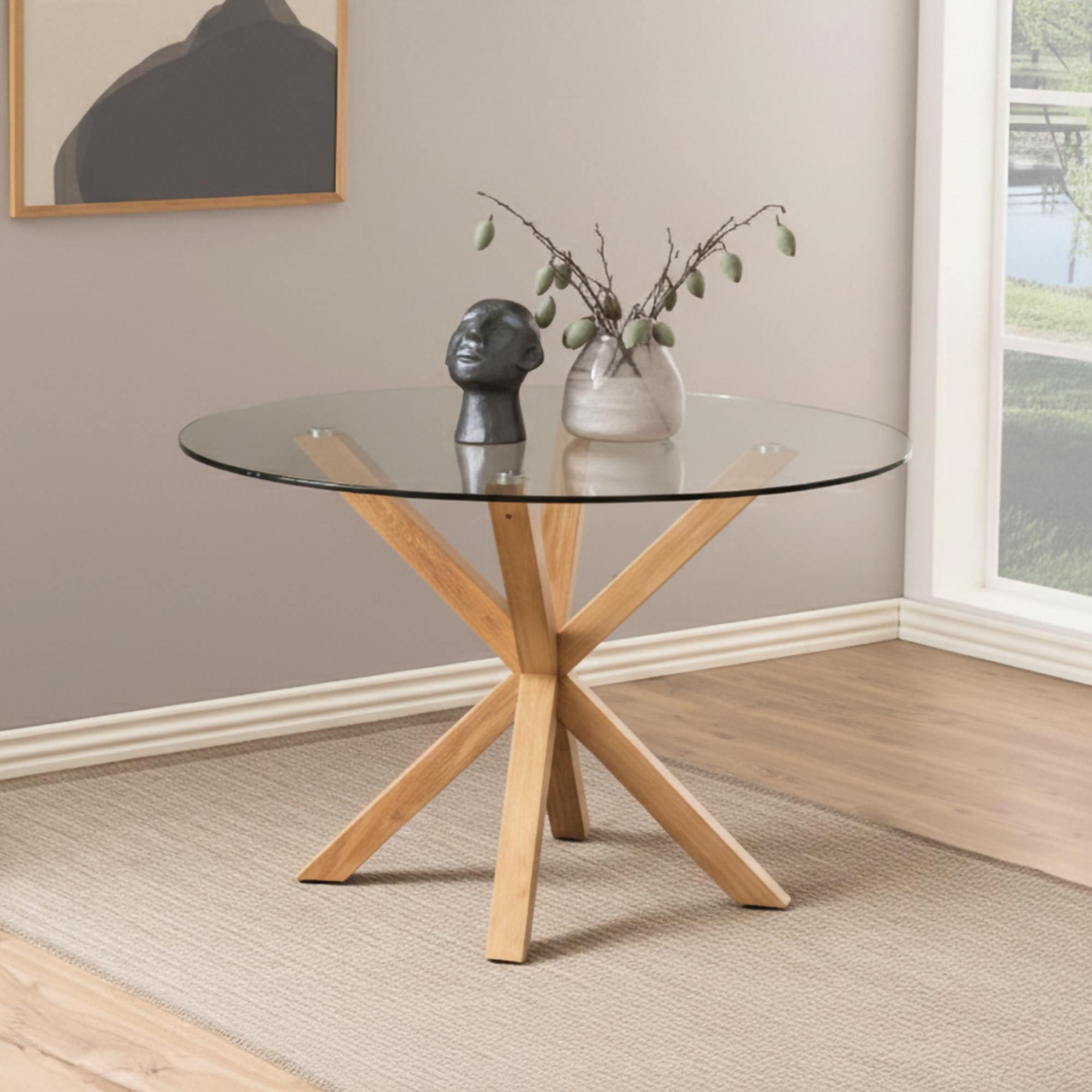
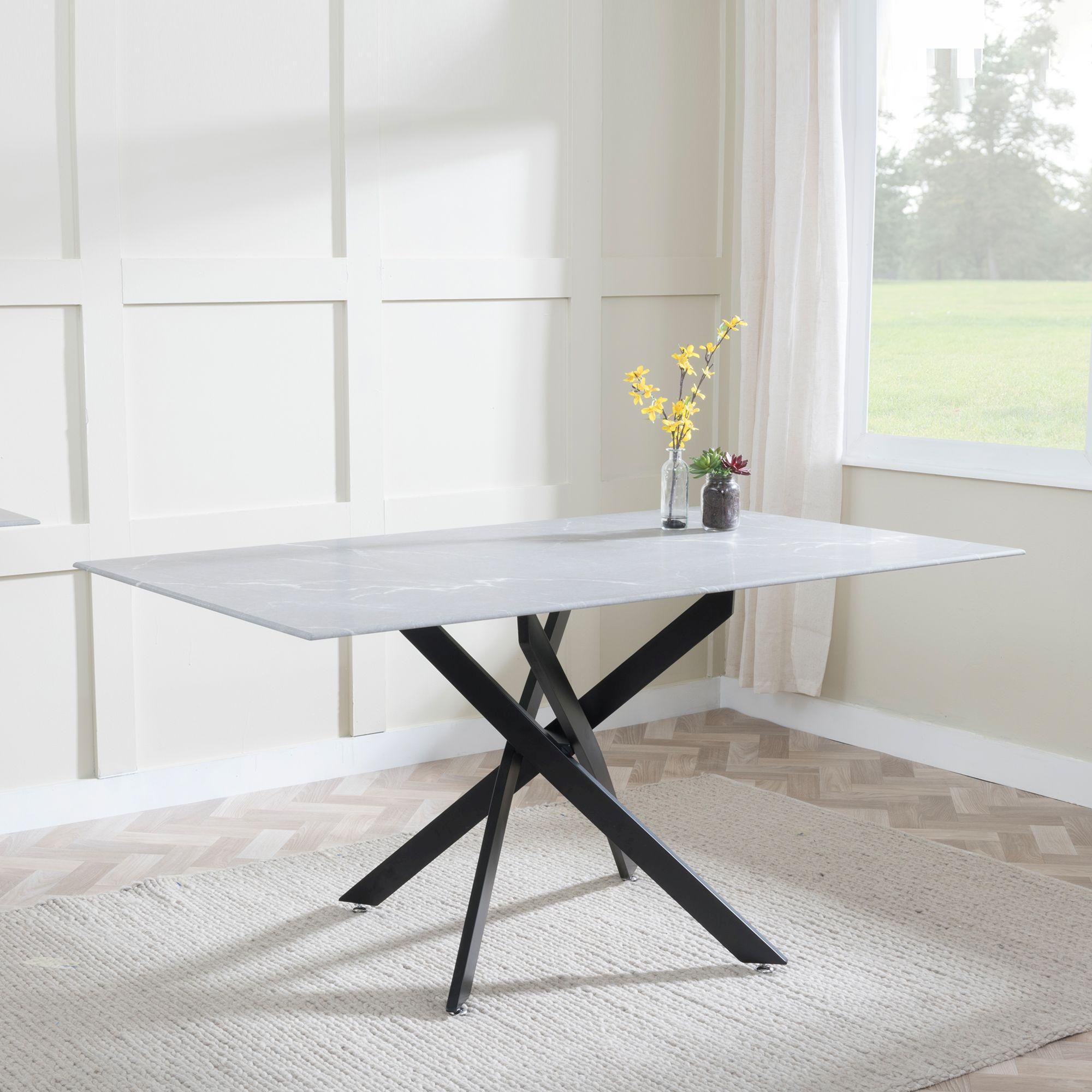
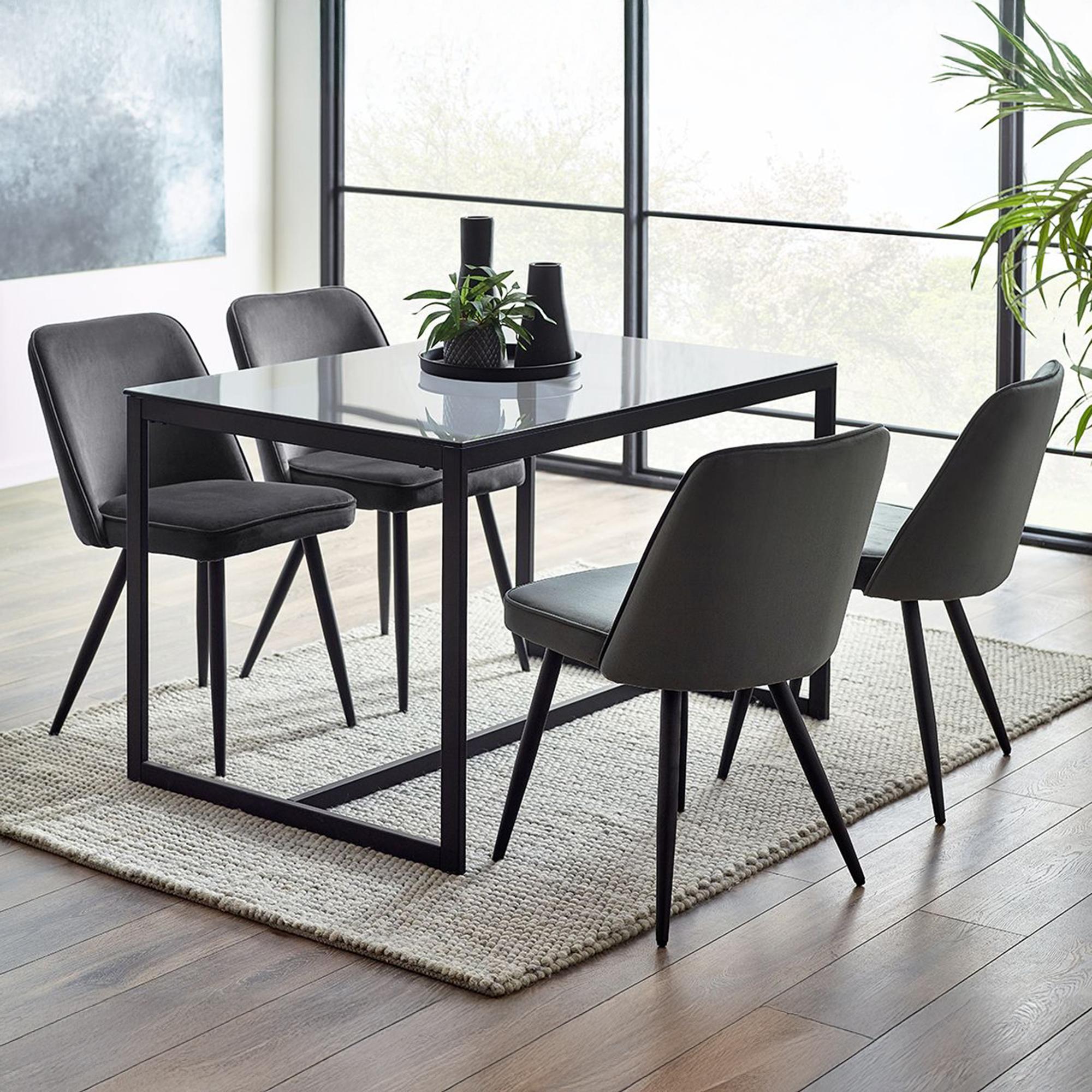
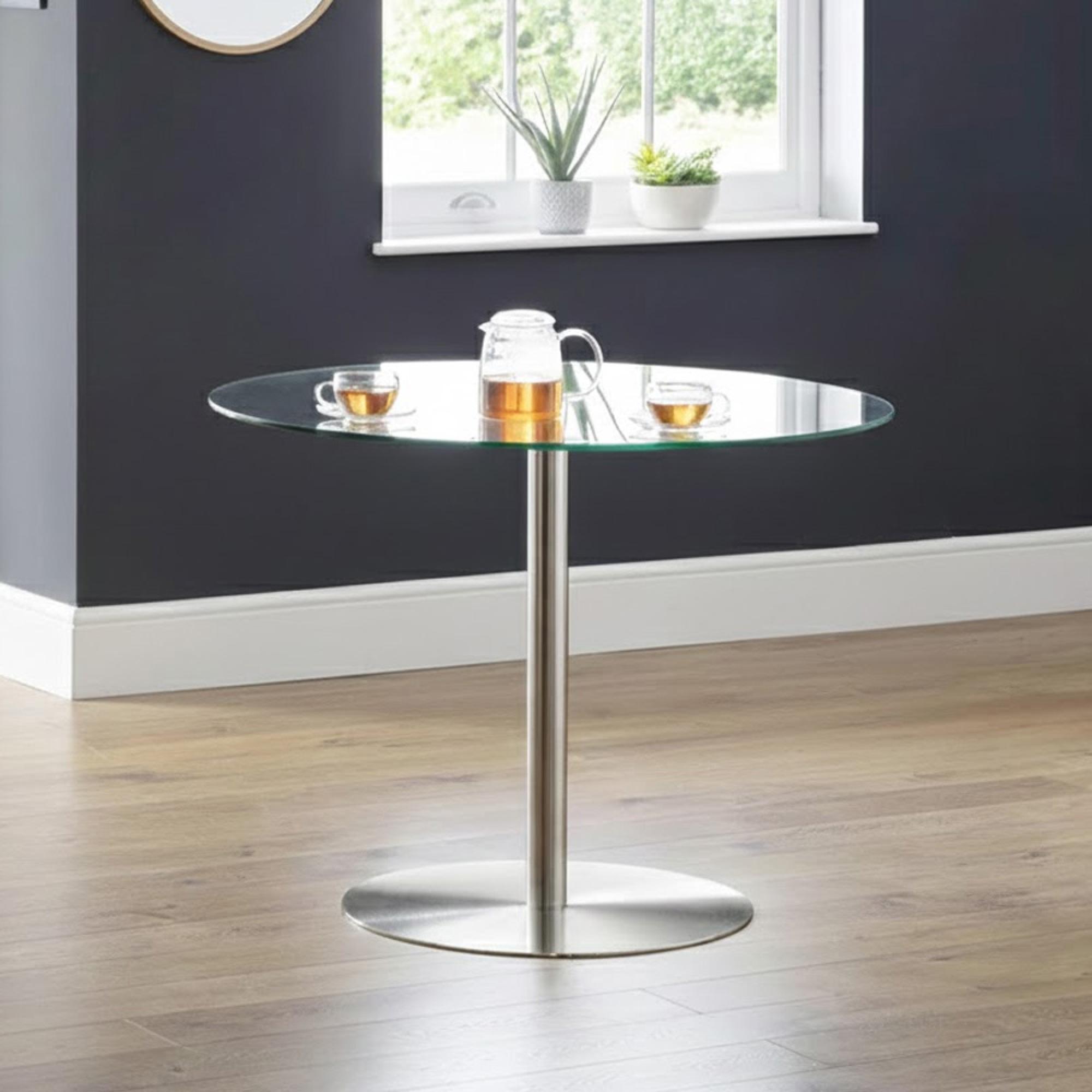
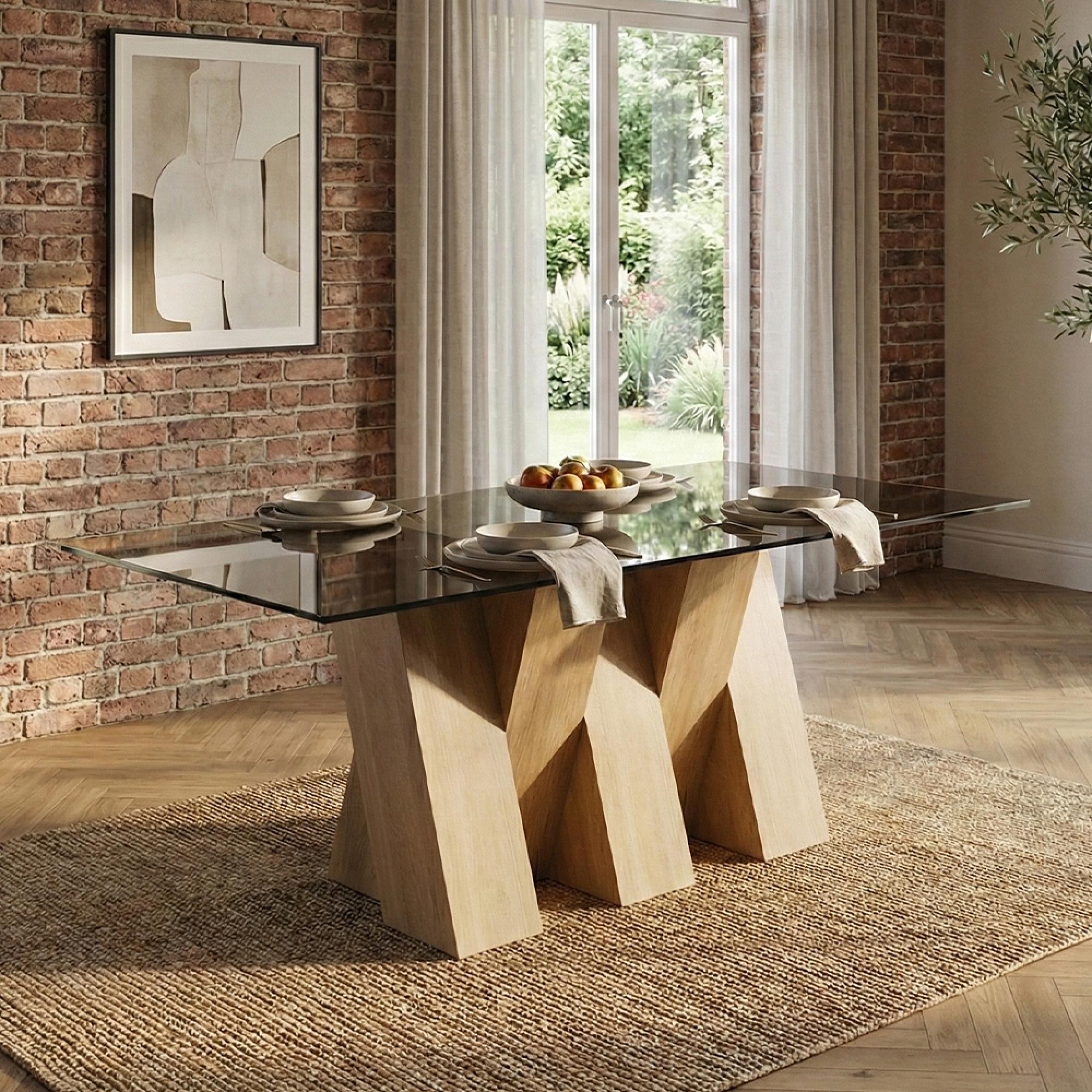
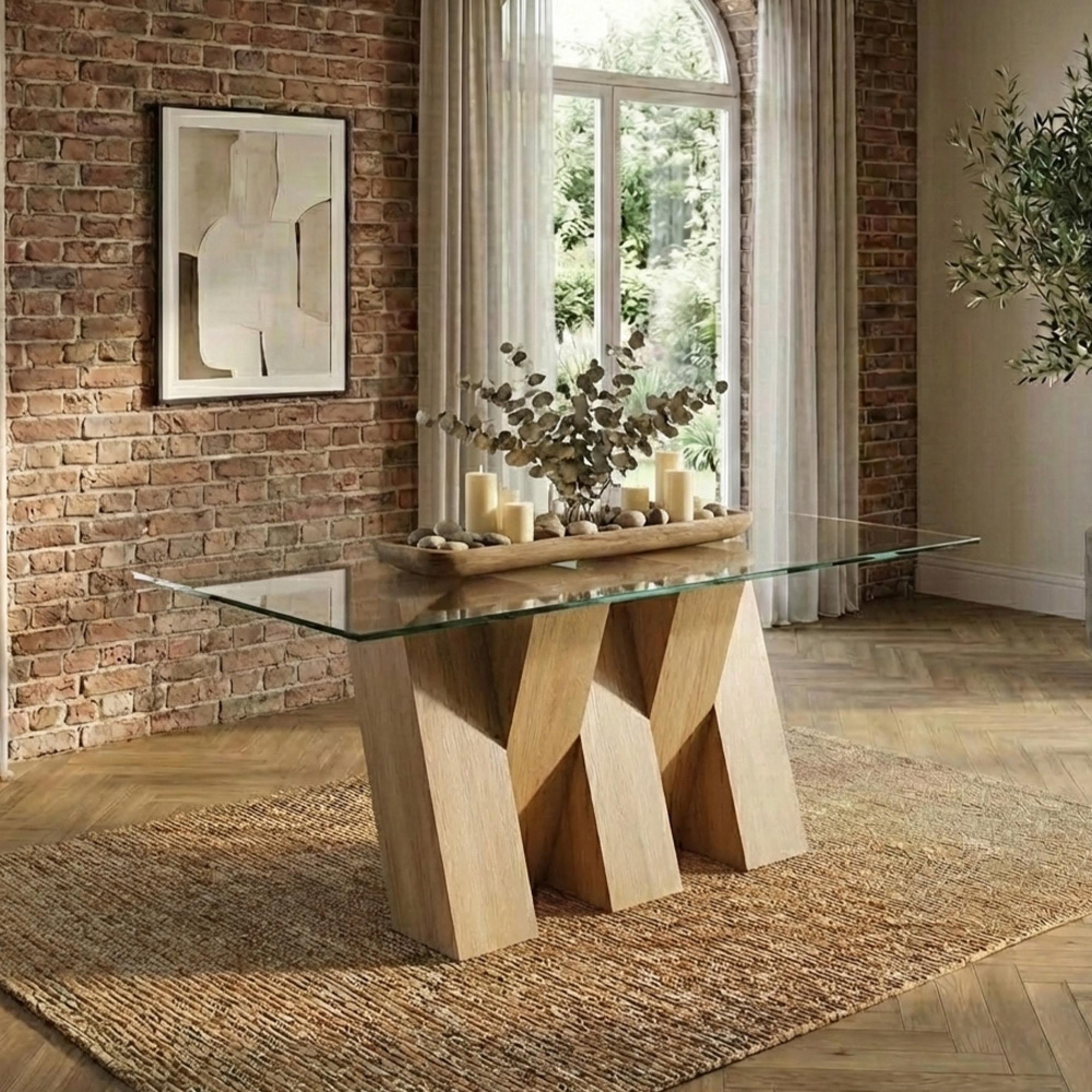
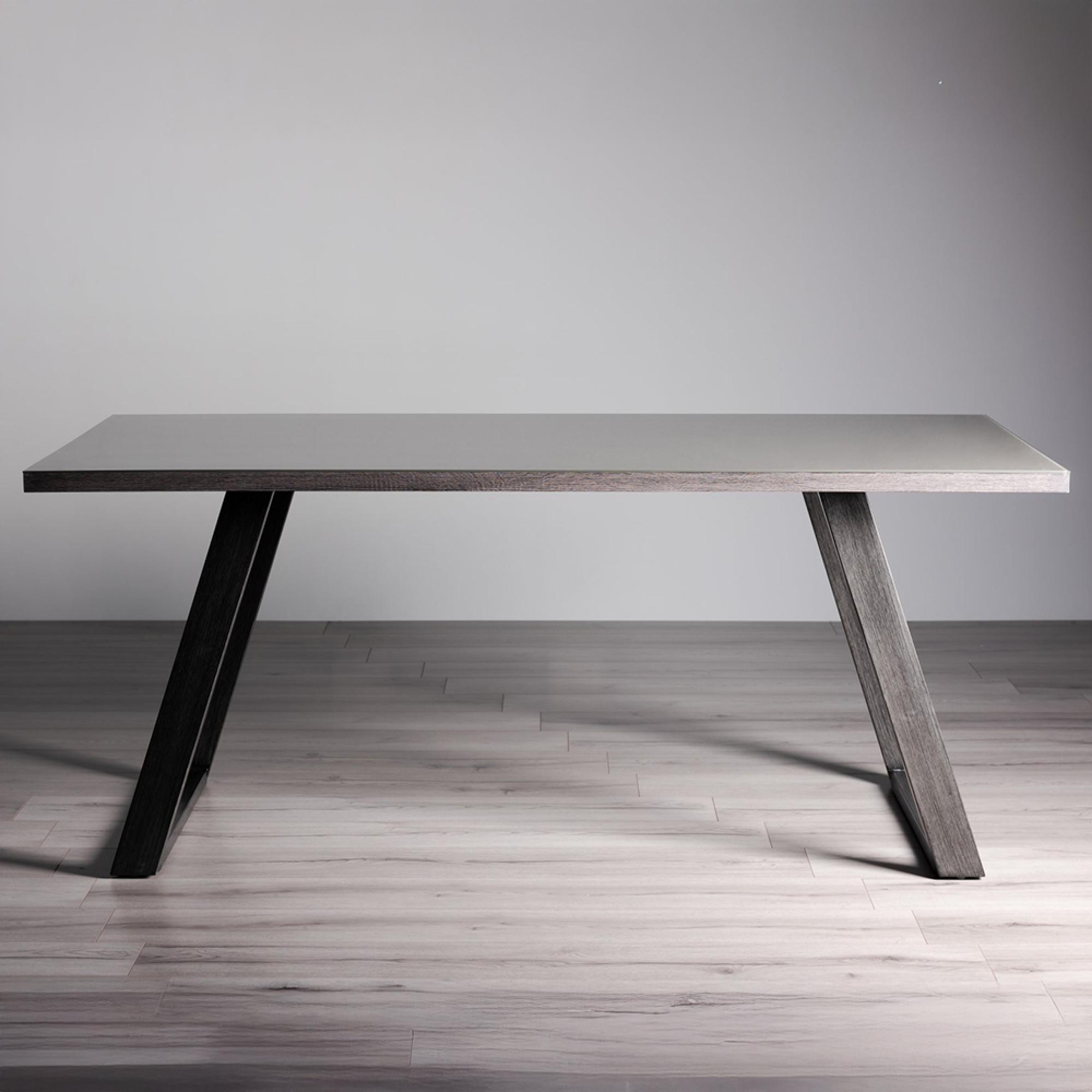
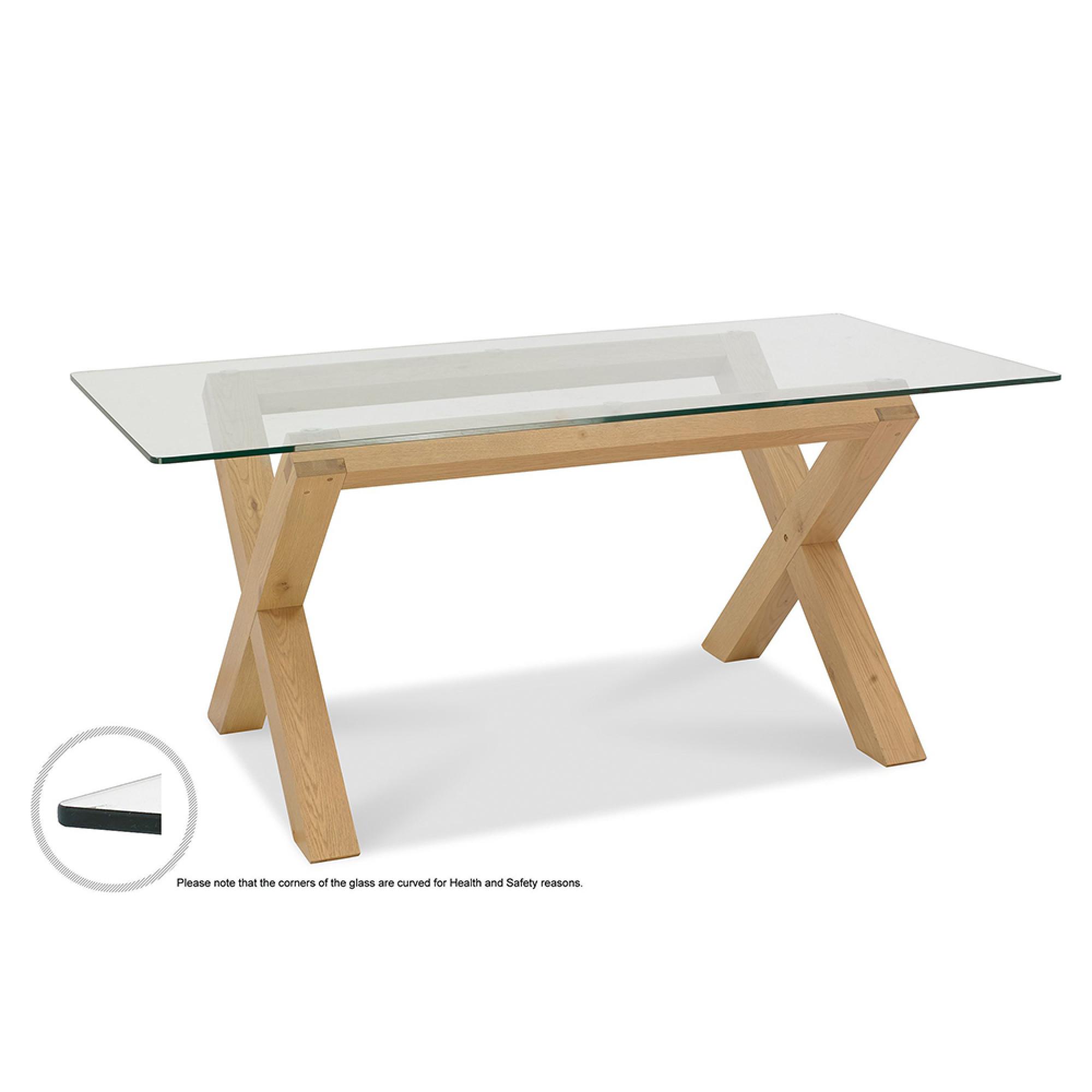
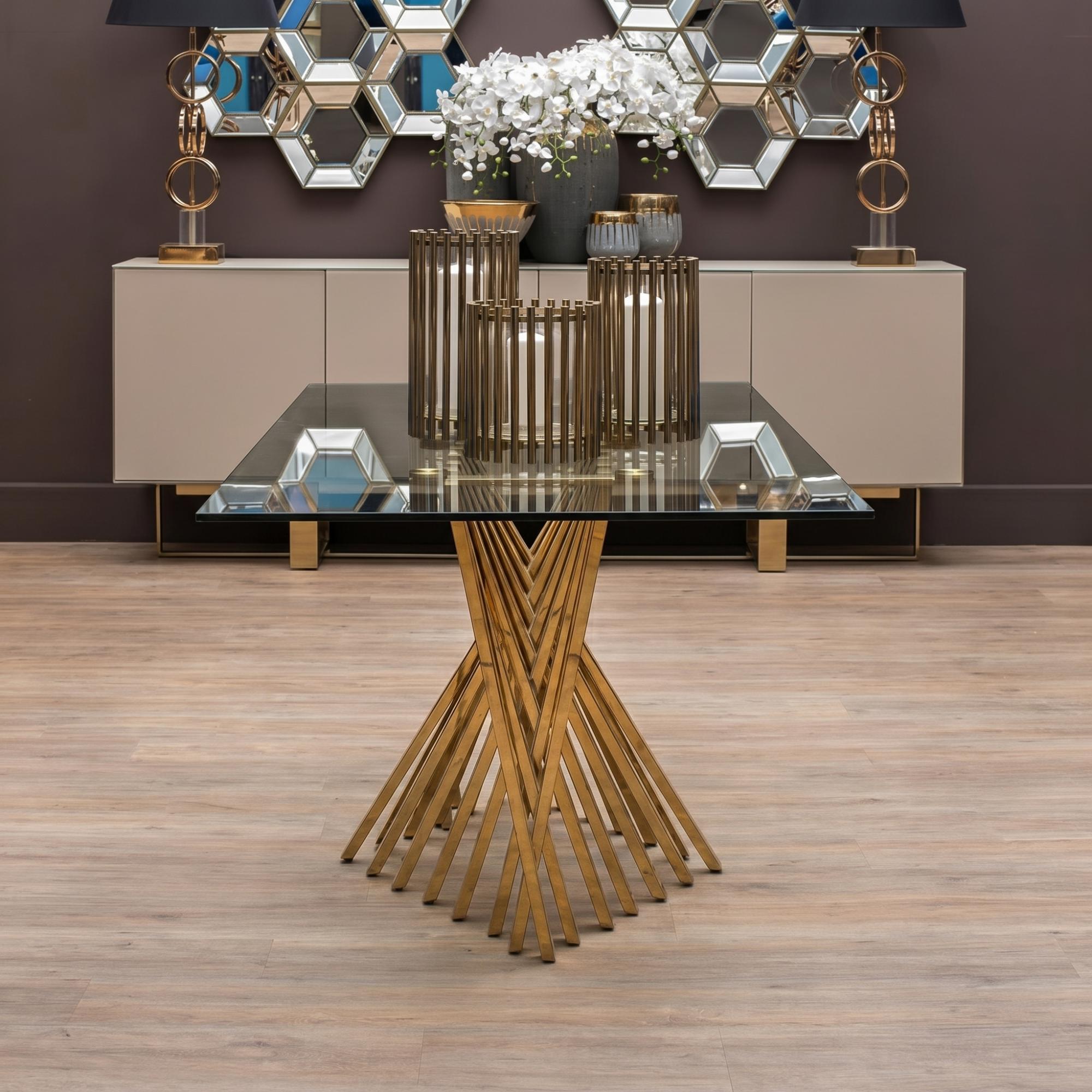
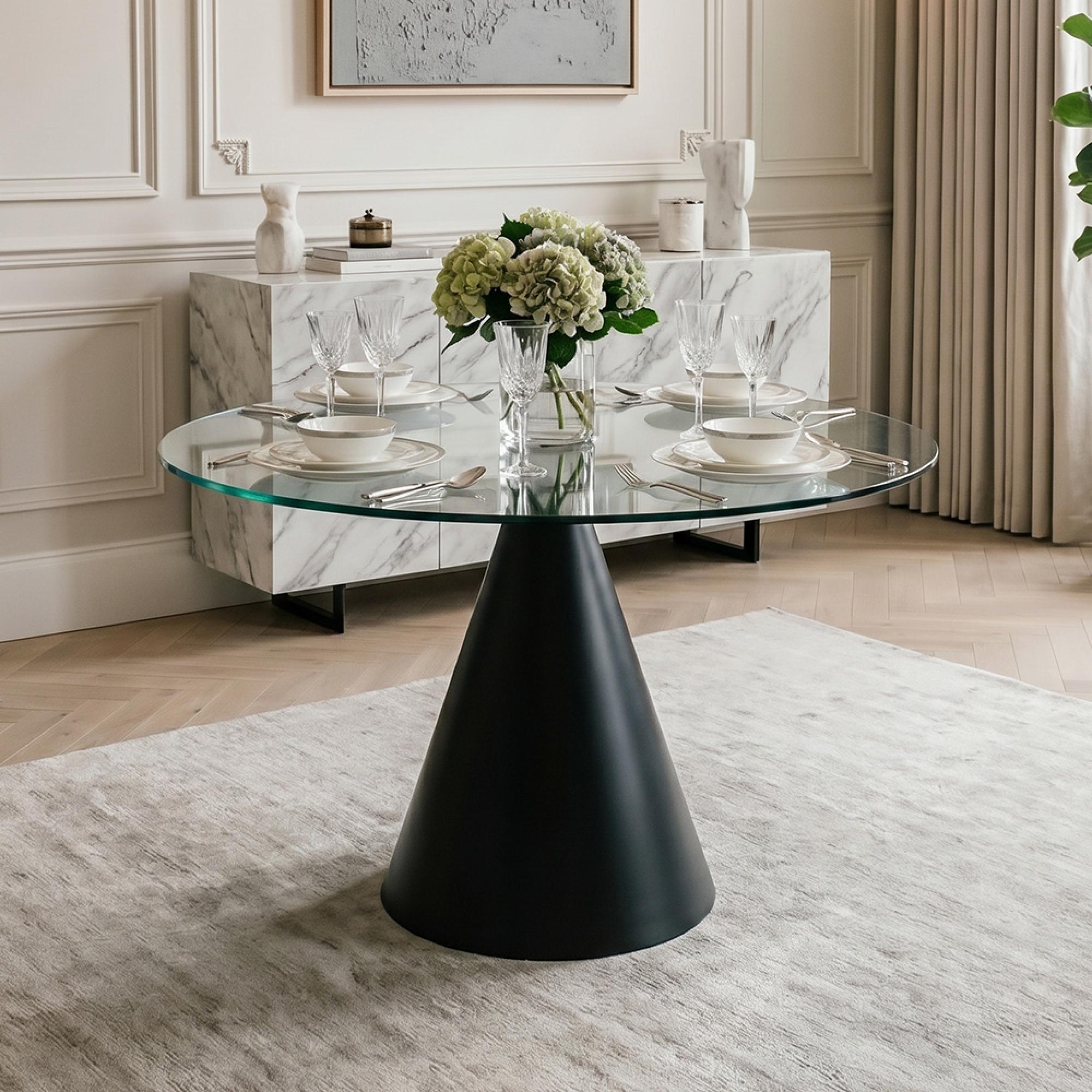
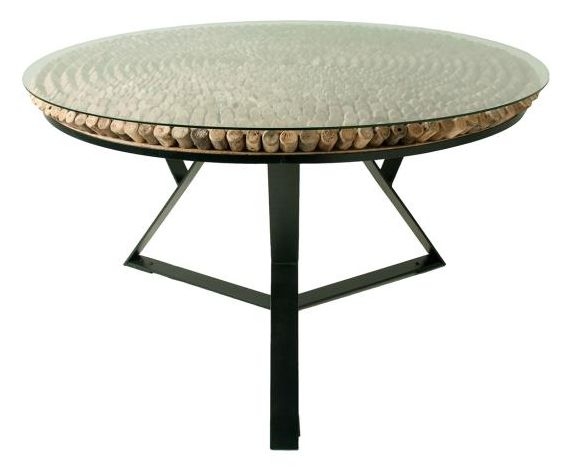
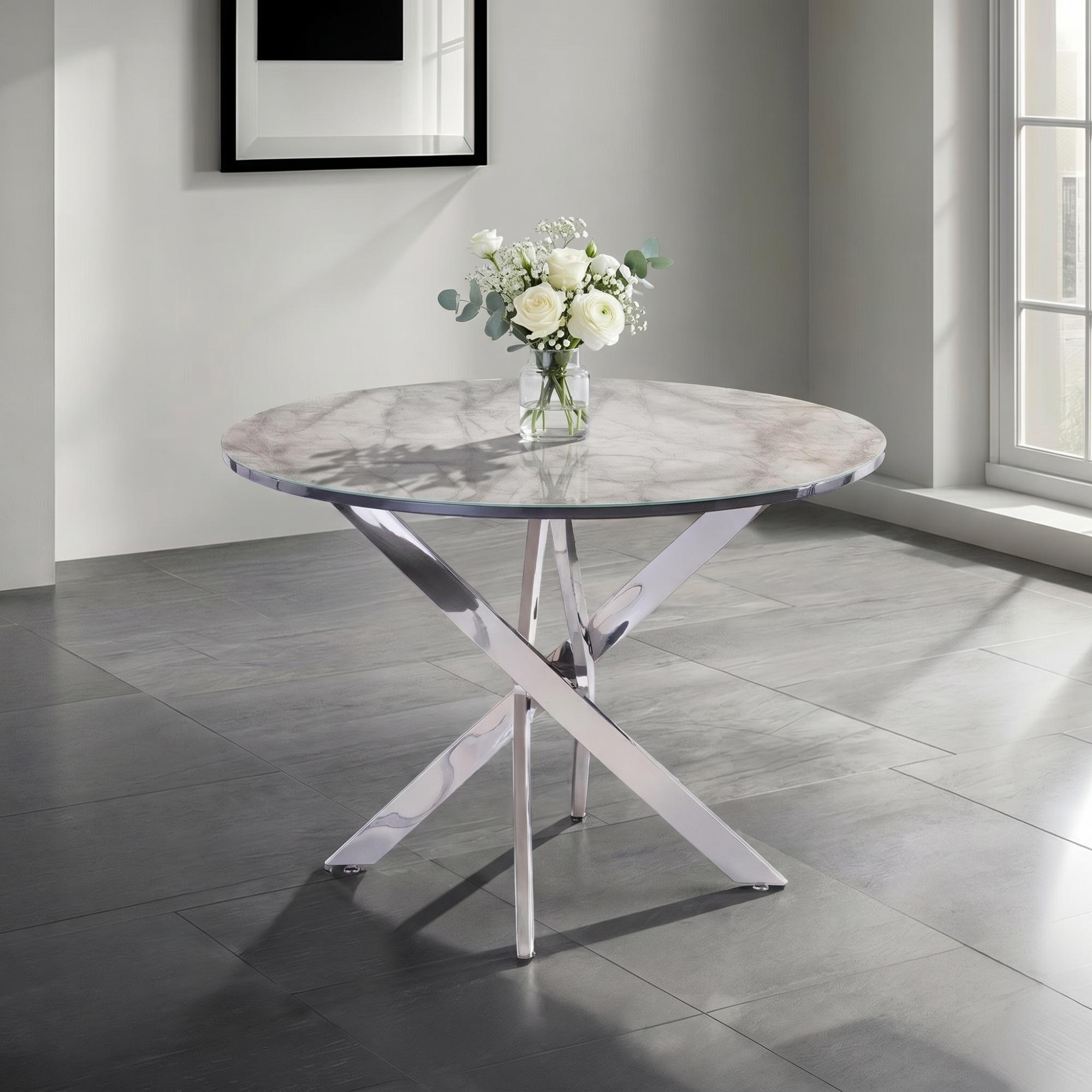
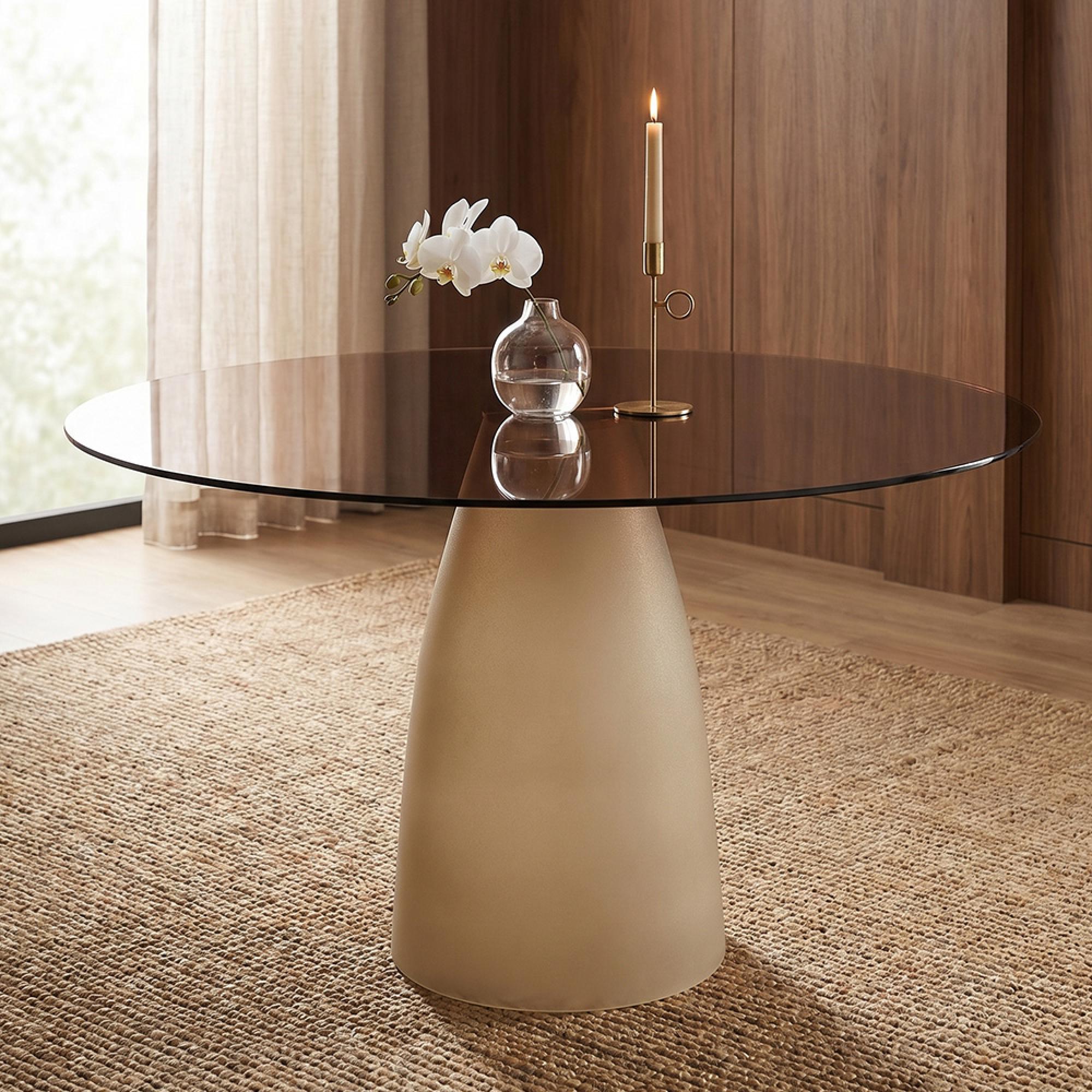
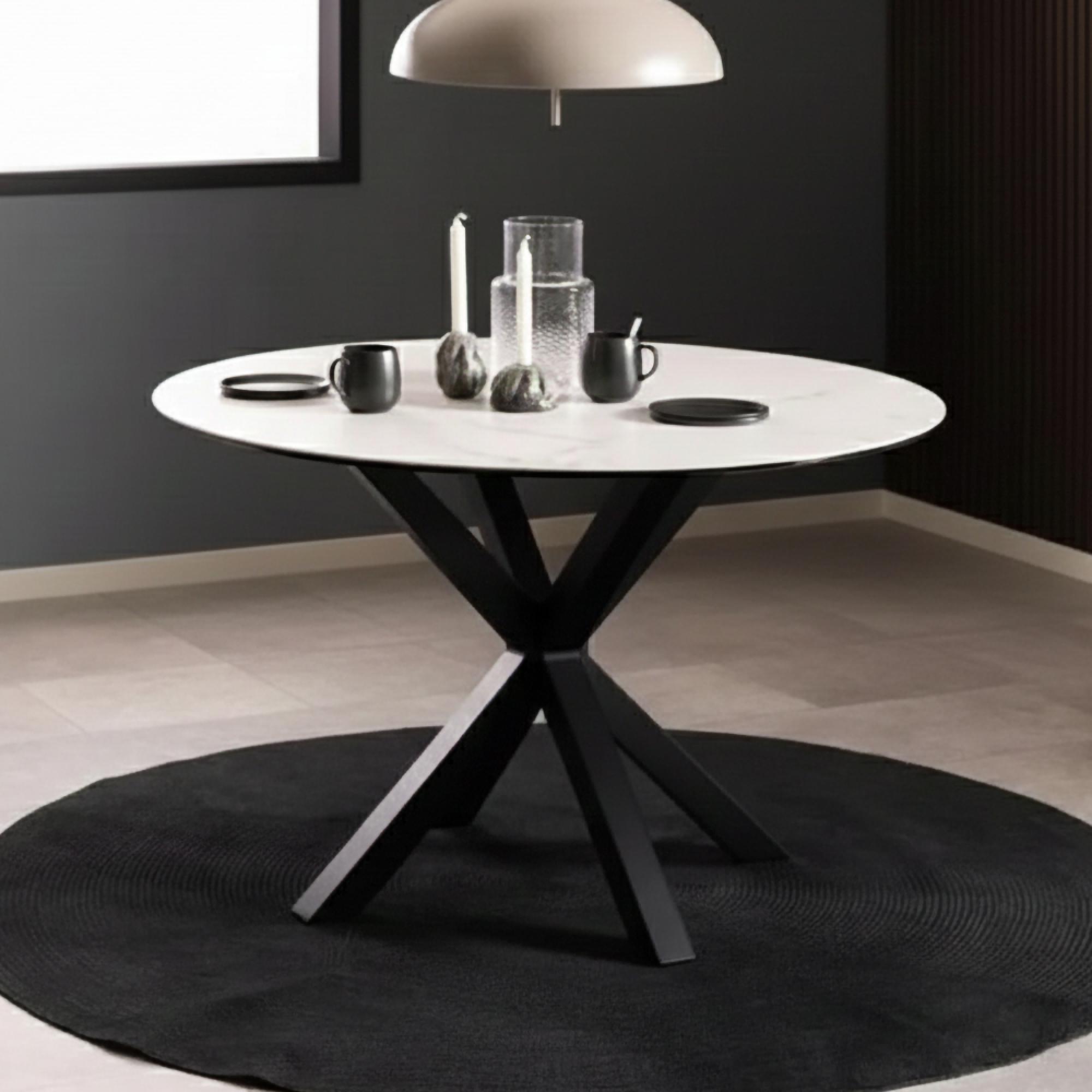
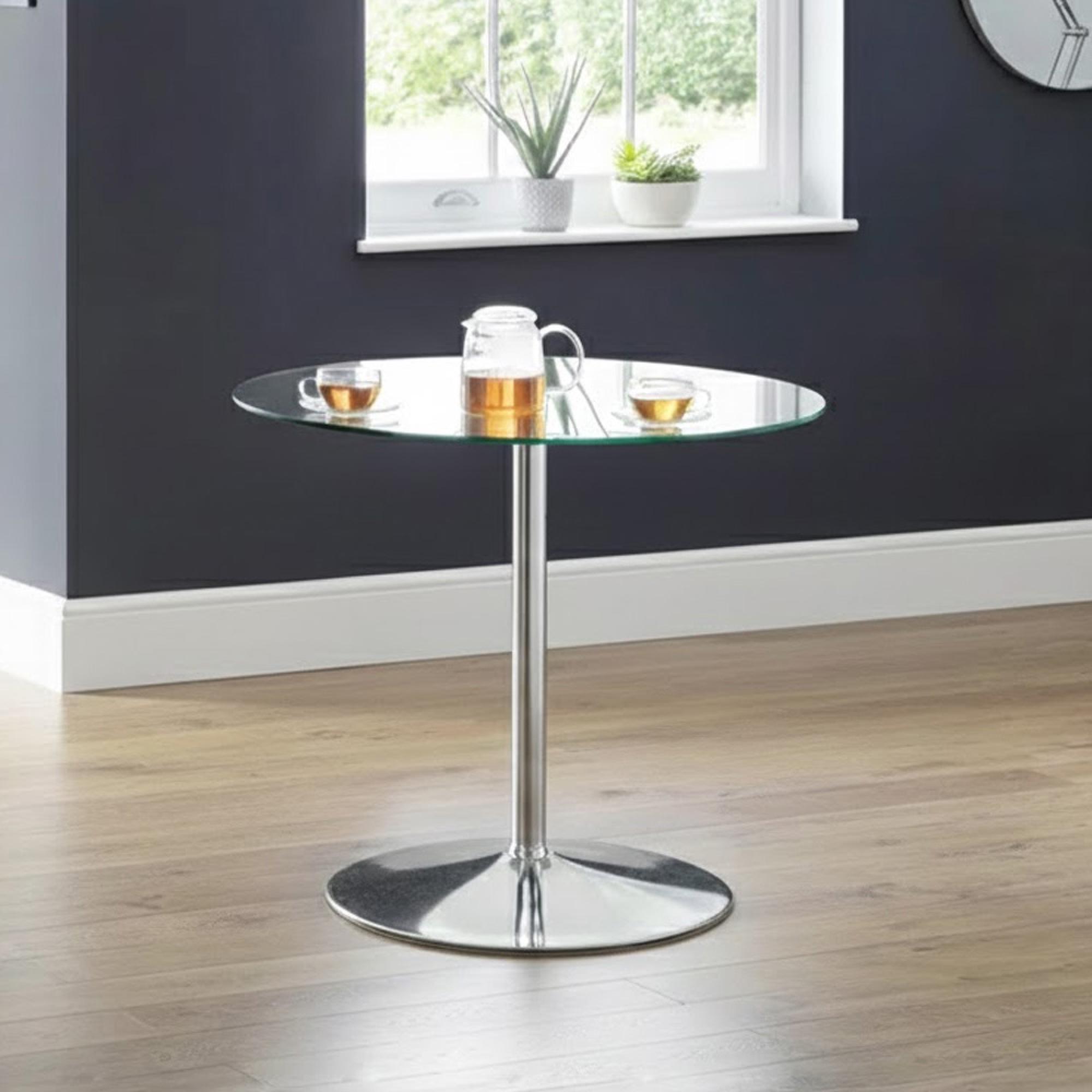
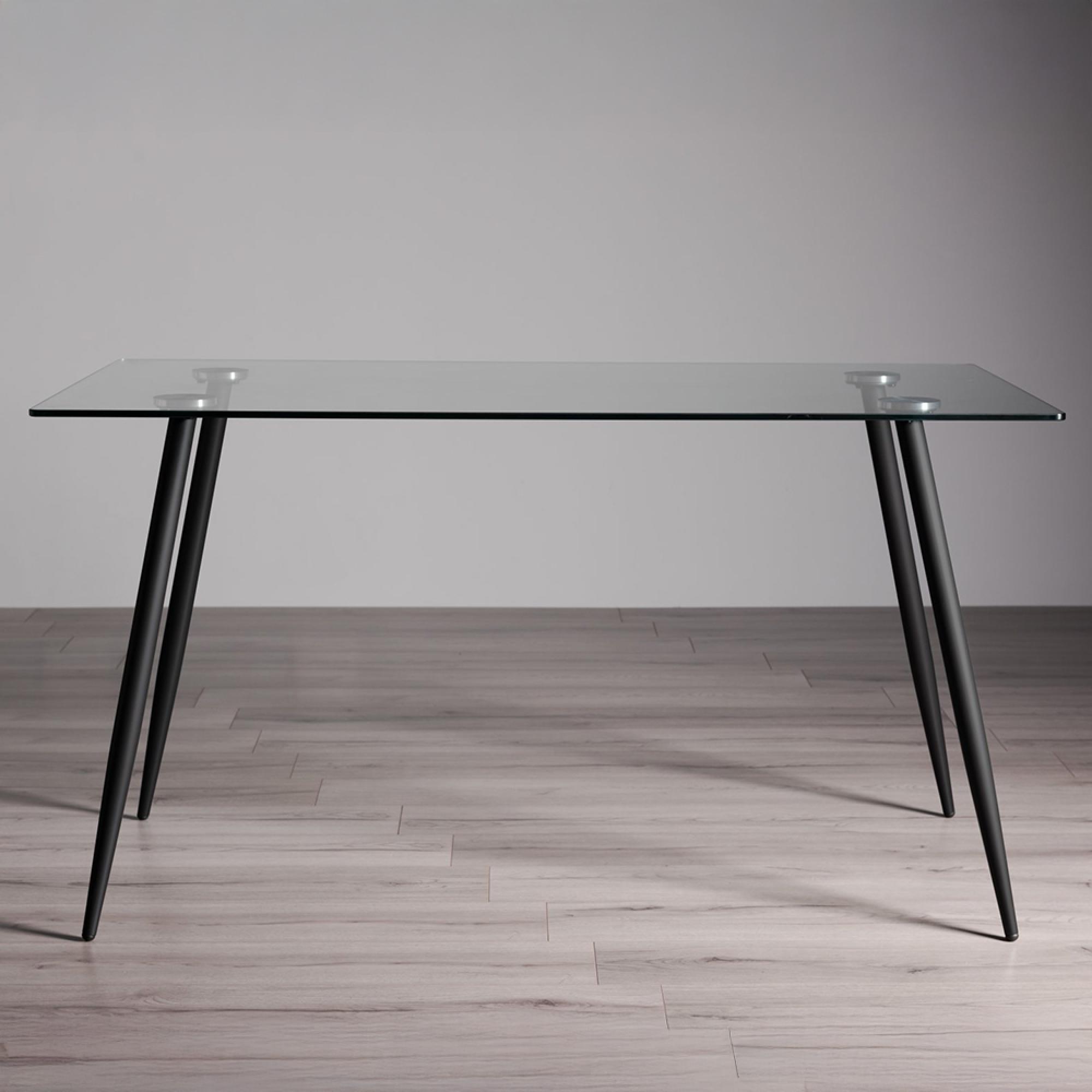
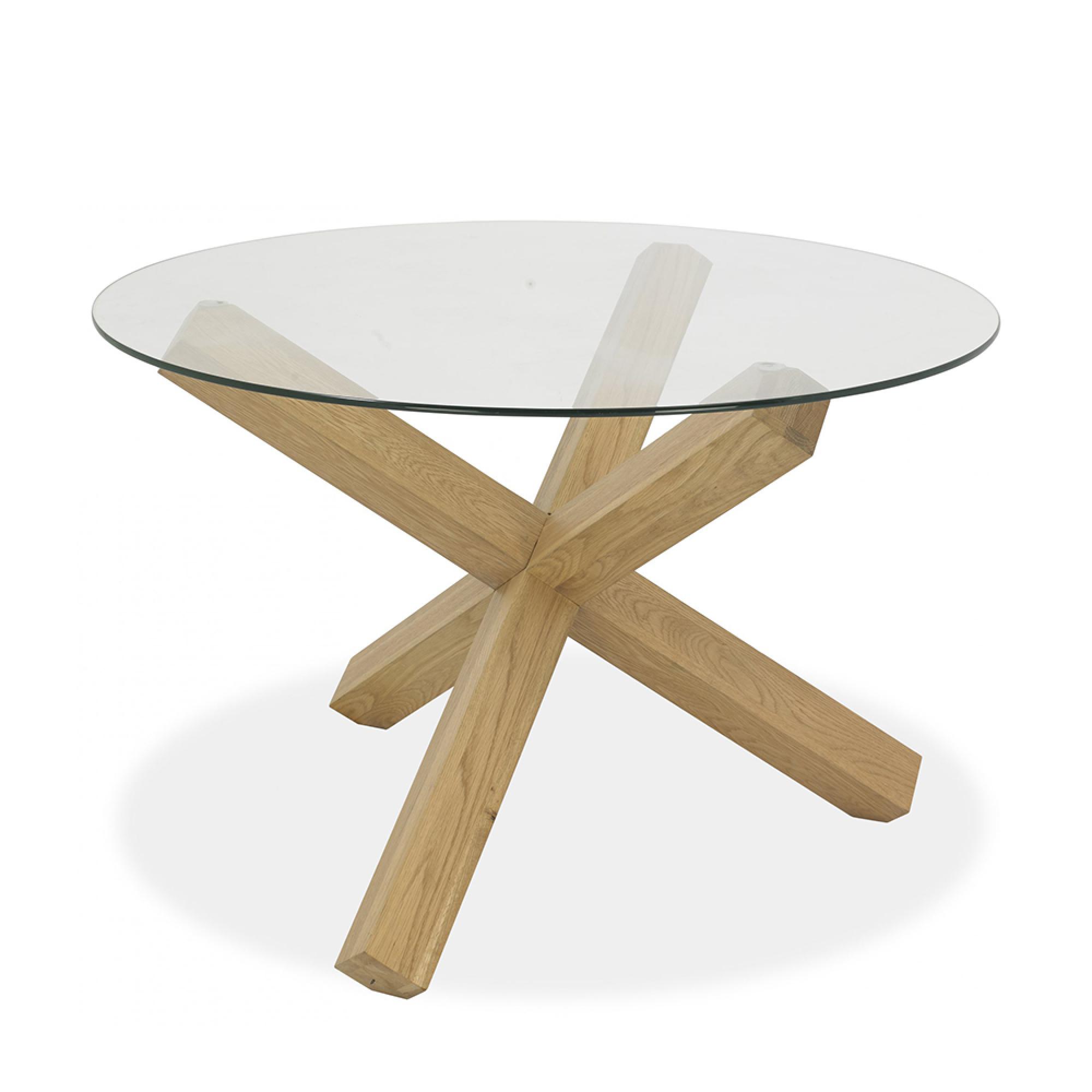
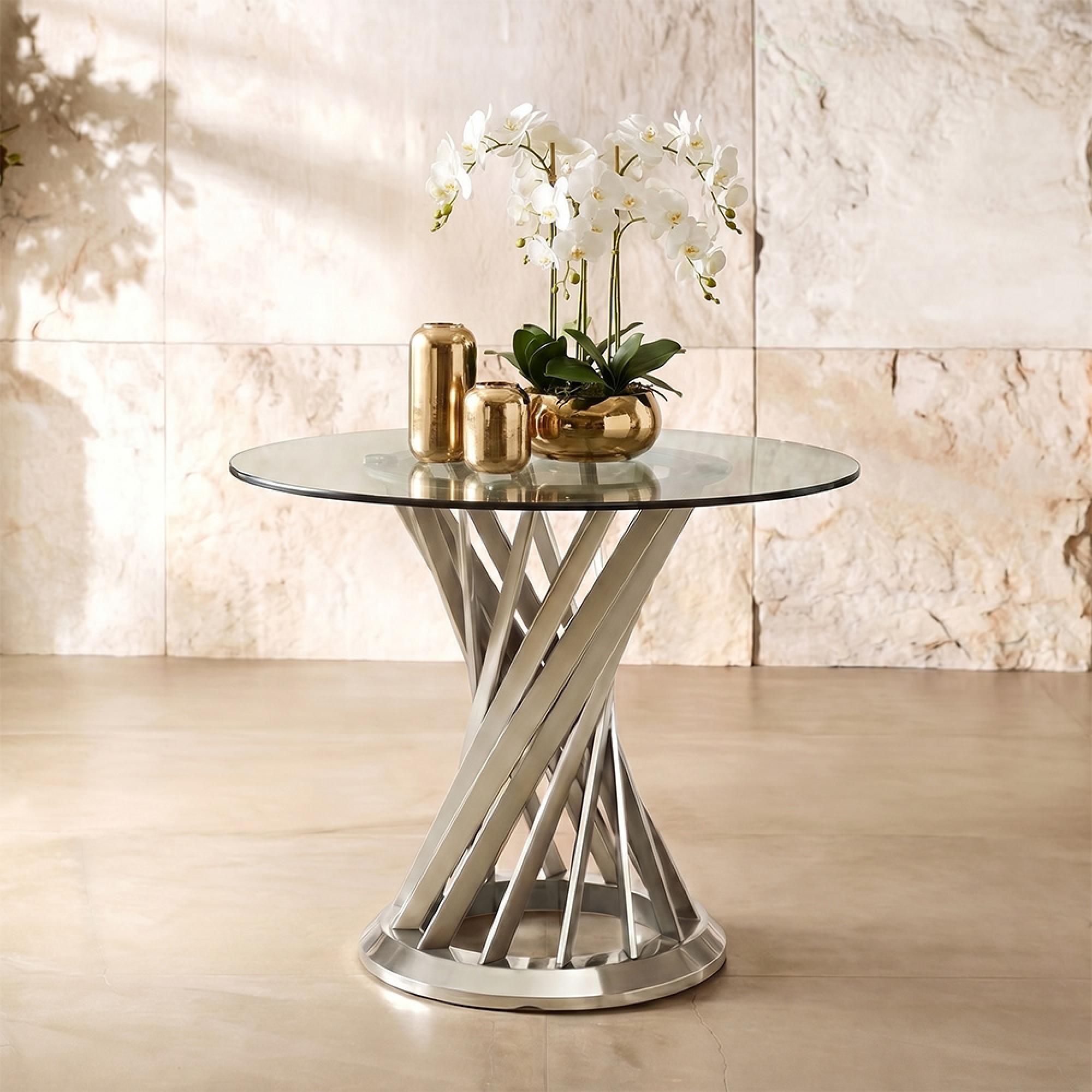
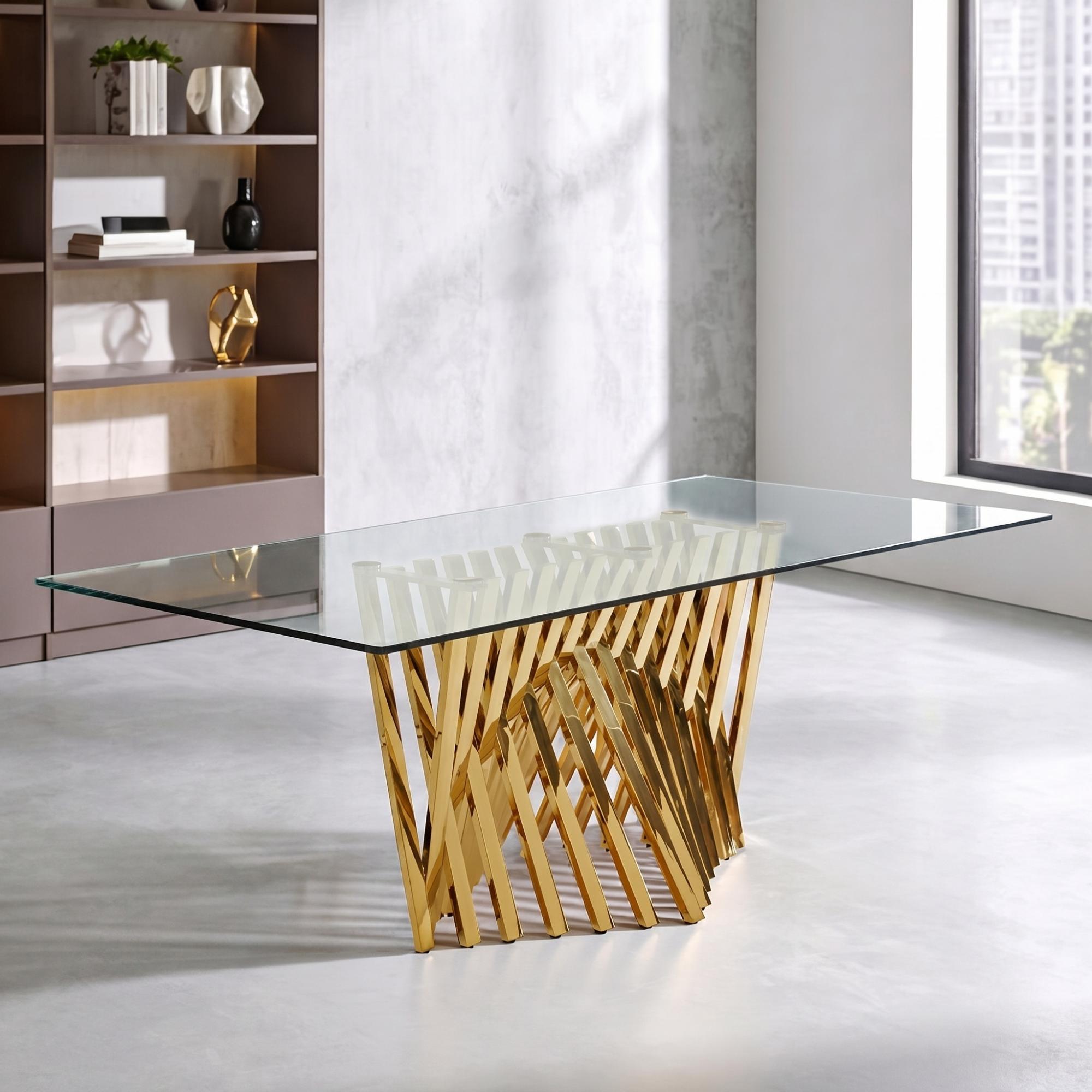
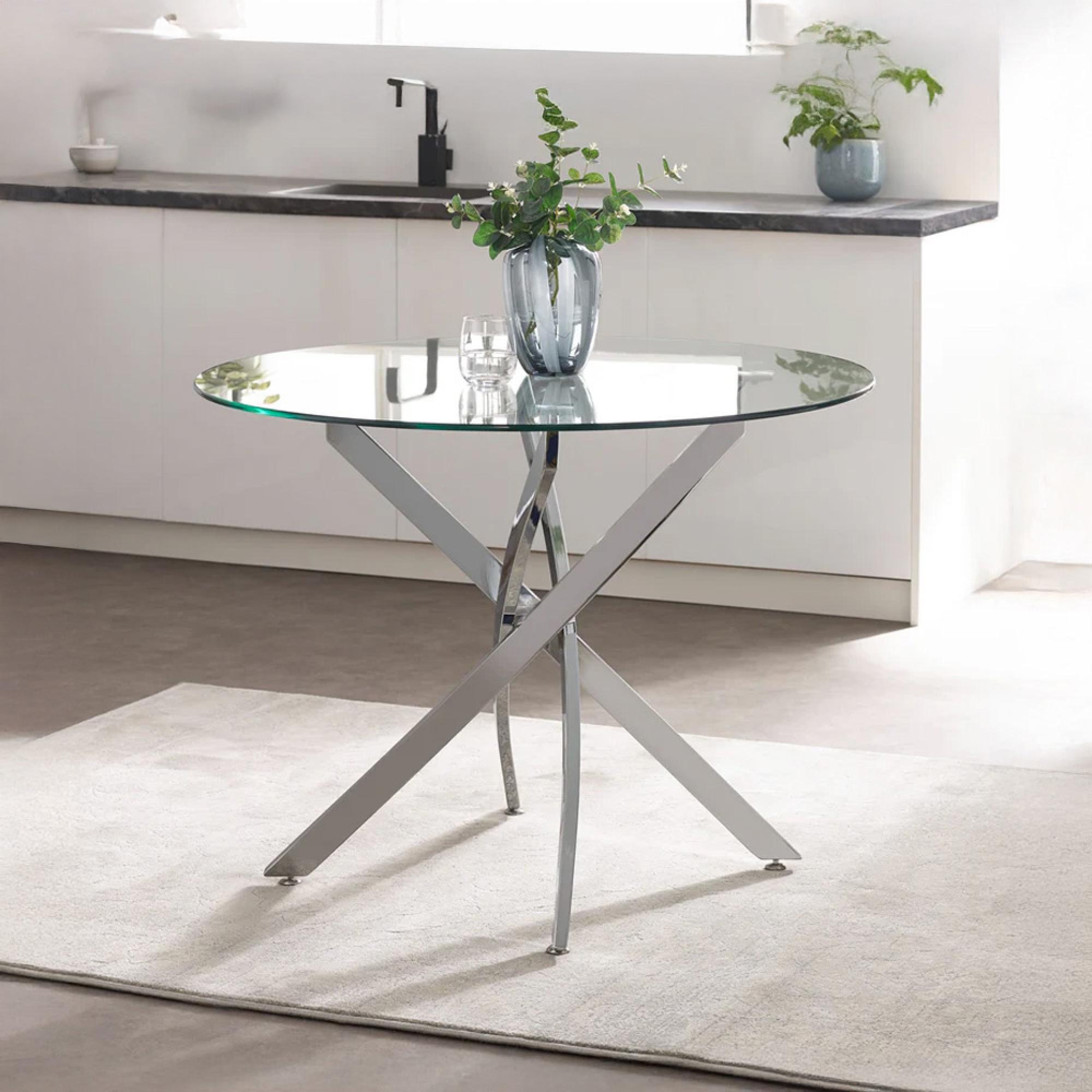
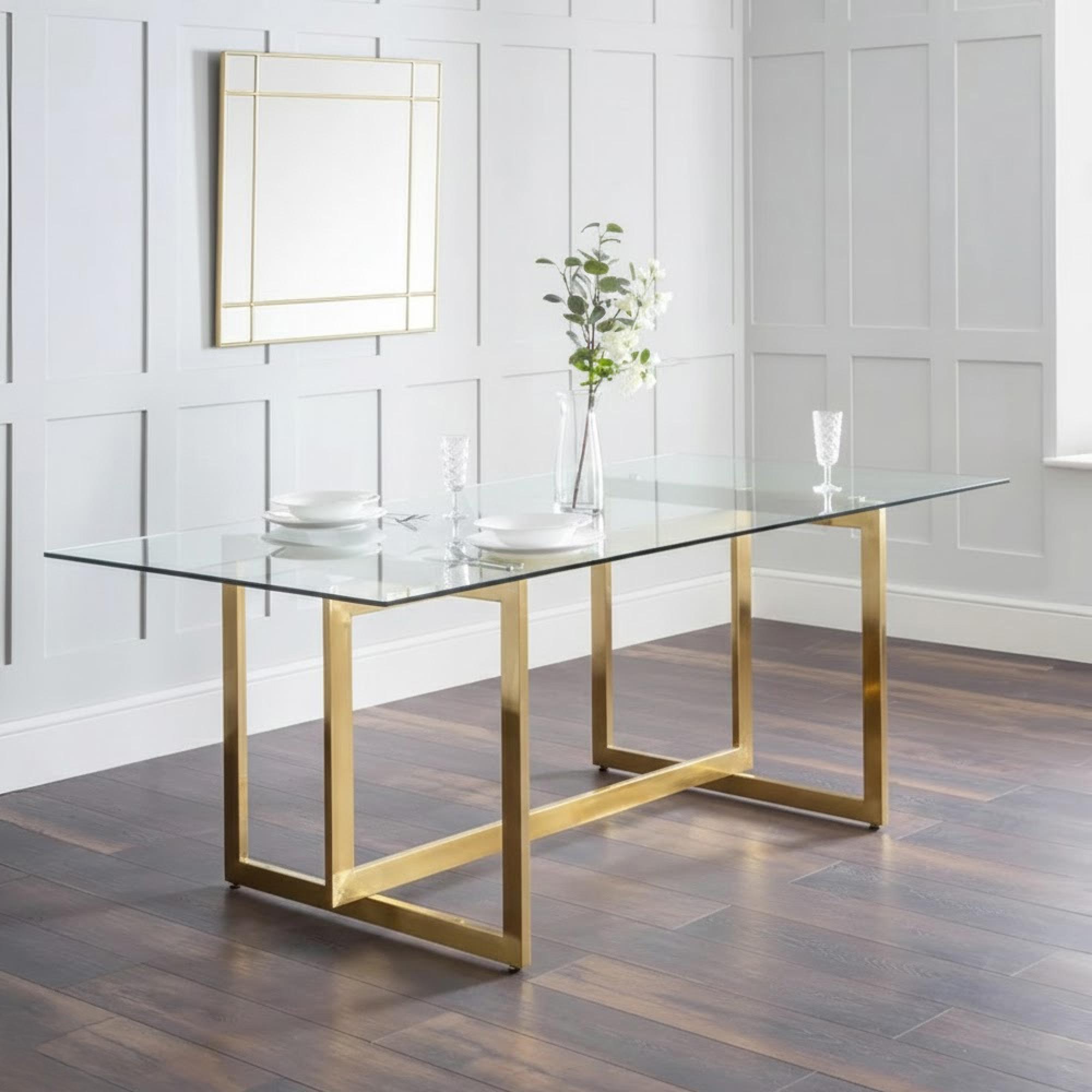
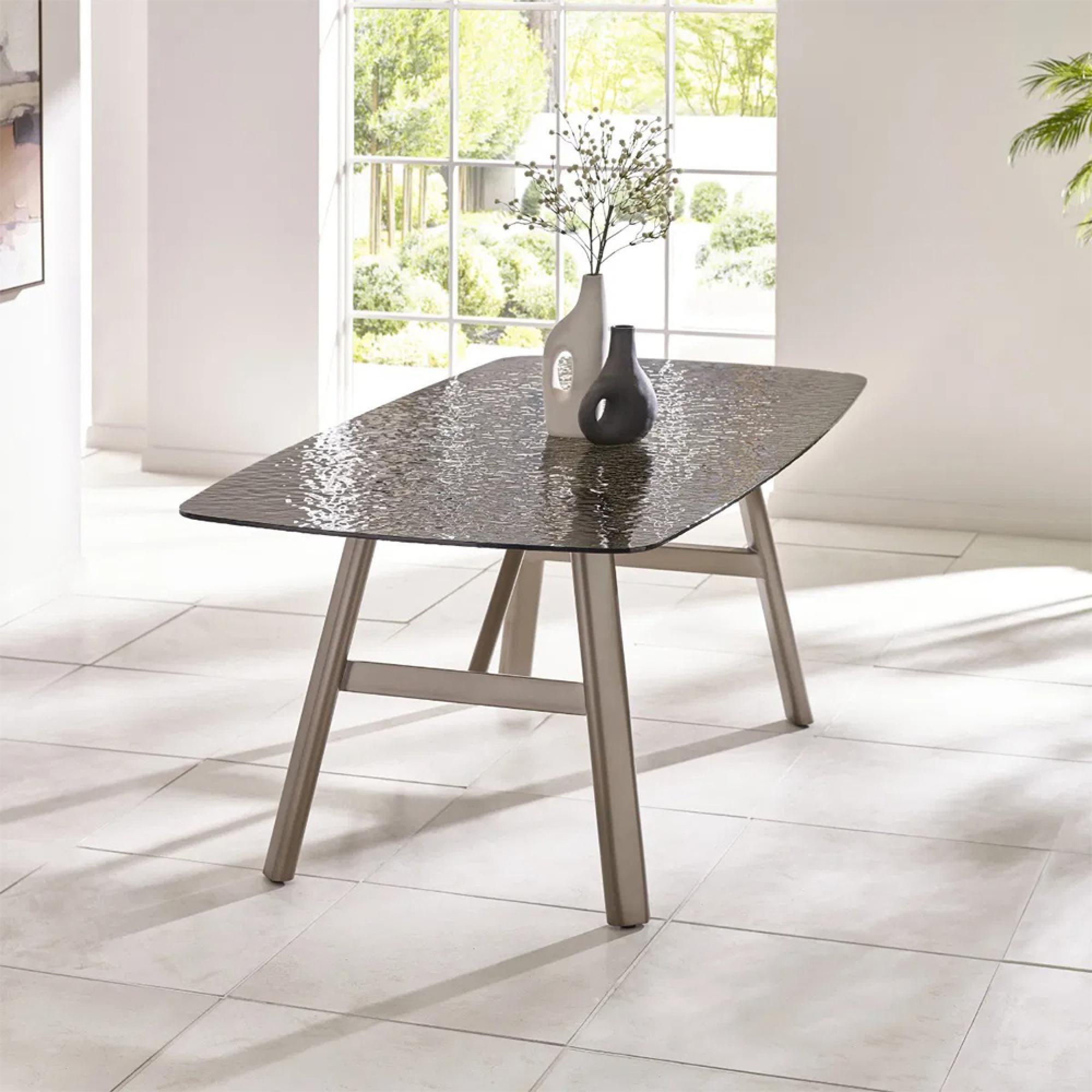
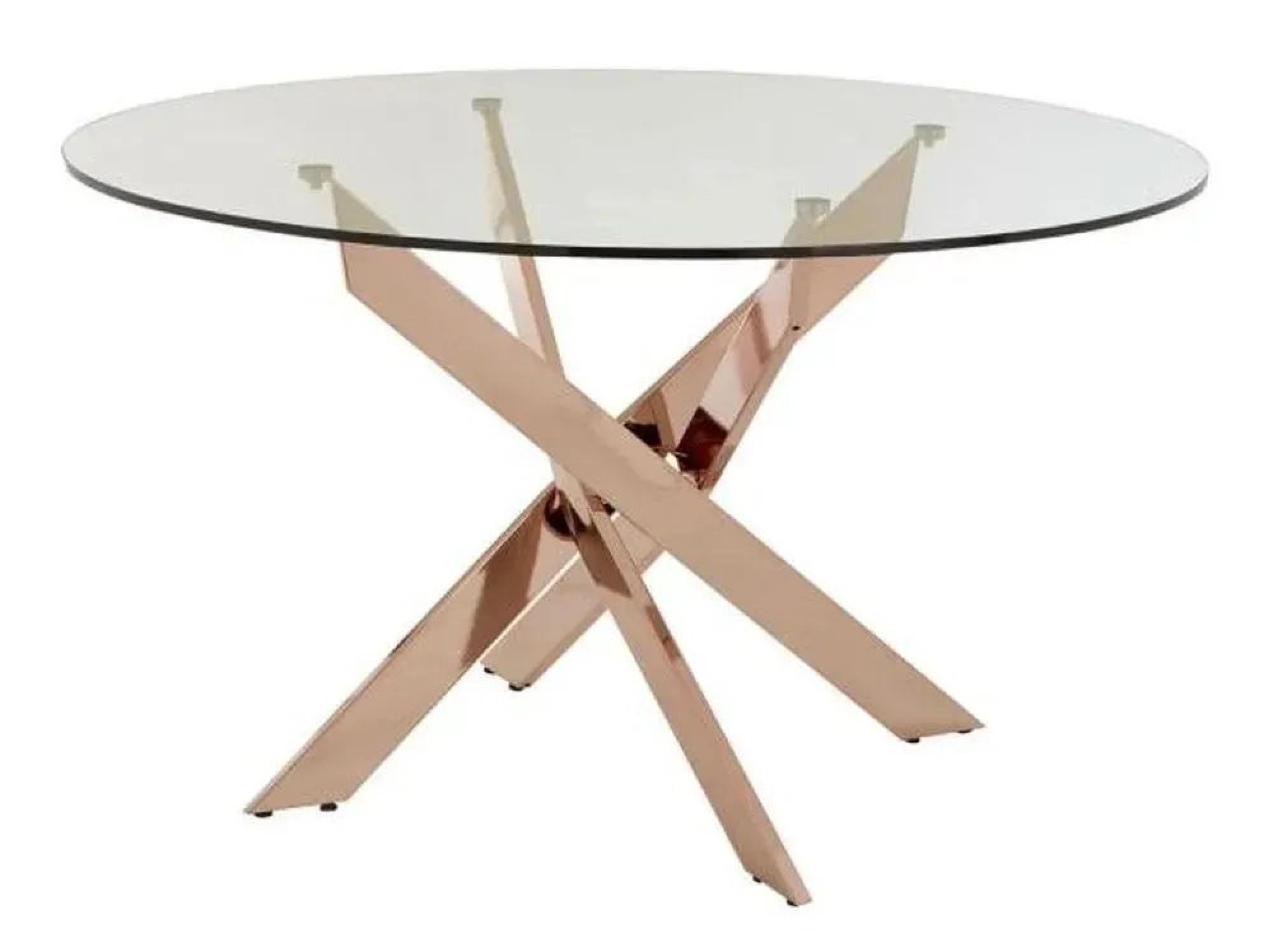
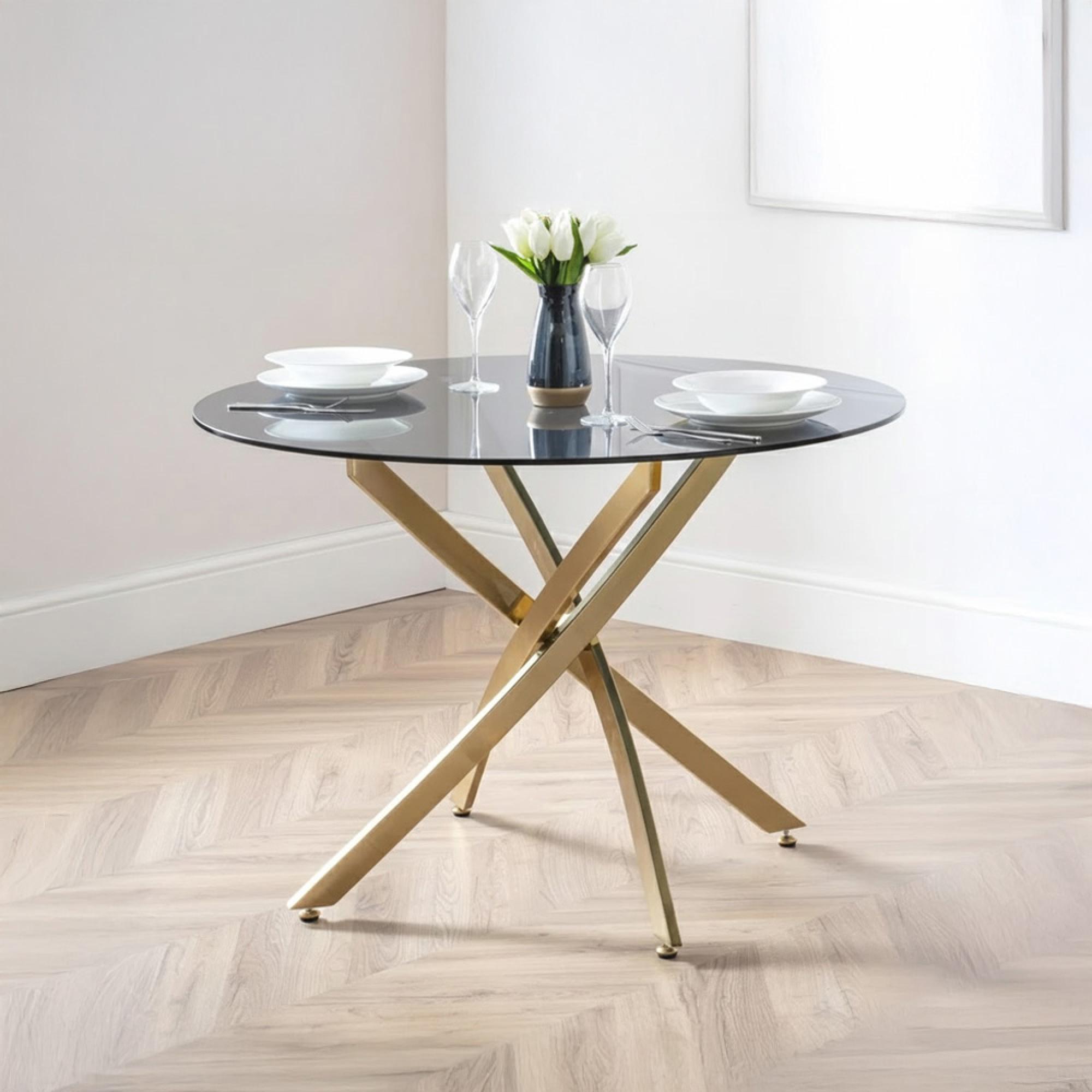
Explore Glass Dining Tables designed to create a practical focal point for meals, conversation and entertaining. Compare shape, surface material, base design, seating capacity and any extending mechanism to identify the right balance of appearance and function. The glass focus makes material, finish and care especially important when comparing products. Plan for chair clearance as well as the tabletop footprint, especially in a busy dining area.
Read more X Close

Popular Categories

Price

Shape

Seat

Material

Finish

Colour

  • Black
  • Grey
  • White

Choosing Glass Dining Tables

This category focuses on Glass Dining Tables that can create a practical focal point for meals, conversation and entertaining. Start with the room layout and daily use, then compare shape, surface material, base design, seating capacity and any extending mechanism. The glass focus makes material, finish and care especially important when comparing products. This keeps the decision focused on practical suitability as well as style.

Plan the space before choosing

Plan for chair clearance as well as the tabletop footprint, especially in a busy dining area. Record the available width, depth and height, including clearance for doors, drawers, reclining parts or extensions where relevant. Account for skirting boards, radiators, sockets and walking routes, then check the access route through doors, halls and stairs.

For adjacent choices, explore Dining Tables, Black Glass Dining Tables and Glass Top Dining Tables. Use these comparisons alongside the specifications on each product page.

Glass Dining Tables for considered interiors

The Glass Dining Tables category focuses on choices intended to create a practical focal point for meals, conversation and entertaining. A suitable option should respond to the room's proportions, surrounding furniture and practical demands of everyday use. The glass focus makes material, finish and care especially important when comparing products.

Material, finish and construction

When comparing dining tables, look closely at shape, surface material, base design, seating capacity and any extending mechanism. Materials influence appearance, weight and maintenance, while finish affects colour coordination and day-to-day care. Use the written specification to confirm construction and care requirements.

Function and room planning

Plan for chair clearance as well as the tabletop footprint, especially in a busy dining area. Mark out the footprint and consider how people move around it. Where a product opens, extends, swivels or reclines, include that working clearance. For storage, seating or sleeping products, match the layout, support and capacity to the needs of regular users.

Creating a coordinated result

Build the room around a clear relationship between scale, colour and material. Matching every finish is not essential, but repeating one or two elements can connect separate pieces. You can also compare Dining Tables, Black Glass Dining Tables and Glass Top Dining Tables for closely related room and product choices. Use the individual listing to confirm dimensions, included components, assembly and suitability.
Read more X Close

FAQs on Glass Dining Tables

How do you clean a glass dining table?

Use a lint-free microfibre cloth to remove dust daily. For cleaning, spray glass cleaner onto the cloth (not directly onto glass) and wipe in circular motions. Dry immediately with a clean cloth to prevent water spots and streaks. Avoid abrasive sponges or paper towels that can scratch the surface.

Light scratches can be reduced by mixing non-gel toothpaste with baking soda and water into a paste. Apply gently to scratches using a soft cloth in circular motions, then wipe clean. For deeper scratches, professional glass repair services may be needed. Prevention with coasters and placemats is more effective.

Tempered (toughened) glass is the best choice for dining tables. Its three to five times stronger than standard glass and shatters into small, blunt pieces rather than sharp shards if broken. This makes it safer for families and meets UK legal requirements for glass furniture. Laminated glass offers additional safety benefits.

Glass dining tables typically use 8-10mm (5/16 to 3/8 inch) thickness for the best balance of durability and visual appeal. This thickness provides adequate strength for daily use without appearing too heavy. Thicker glass (12mm) is available for extra durability but adds weight and cost.

For four people, choose 120cm × 80cm rectangular or 100-110cm round. For six people, select 160cm × 90cm rectangular or 130cm round. For eight people, 200cm × 90cm rectangular works best. Always allow at least 90cm clearance around the table for comfortable seating and movement.

Yes, glass dining tables are safe when made from tempered glass, which is a legal UK requirement. Tempered glass shatters into small blunt pieces rather than sharp shards if broken. Choose round tables to eliminate sharp corners. Supervise young children and follow care guidelines to prevent accidents.

Upholstered dining chairs in fabric or velvet contrast beautifully with glass tops. Chrome and brushed steel chairs create a contemporary look. Wooden chairs offer warmth and traditional style. Avoid very heavy or bulky chairs that visually overwhelm the tables lightness. Ensure chair legs wont scratch the floor underneath.

Use placemats and coasters to prevent scratches and heat marks. Wipe spills immediately with a soft cloth. Avoid dragging sharp or heavy objects across the surface. Glass table protectors or custom-cut toppers provide extra protection. Place felt pads under chair legs to prevent scratching the floor beneath.

Yes, metal and glass combinations are highly stable designs. Steel and chrome bases provide excellent rigidity and resist wobbling. Engineered metal frames are engineered for durability during daily family use. Ensure bases are securely fastened and check stability regularly to maintain safety over time.

Tempered glass is heat-treated for strength and shatters safely into blunt pieces. Laminated glass uses adhesive layers to hold pieces together if broken, offering additional safety. Both exceed UK safety standards. Tempered glass is more common for dining tables; laminated glass suits homes with young children needing maximum protection.

Yes, glass dining tables are ideal for small spaces. Their transparent surface creates visual lightness and makes rooms feel larger. Round glass tables suit compact areas better than rectangulars. Paired with slim metal frames or pedestal bases, glass tables maximise floor space while maintaining a modern aesthetic.

Avoid sharp objects, heavy items, and abrasive cleaners that can scratch or damage the glass. Dont place hot pans directly on the surface—use trivets or placemats. Keep rough-textured objects away. Prevent liquid spills from sitting on glass as some can cause water spots or mineral deposits over time.
Top